

Edgbaston Waterworks Tower: Birmingham’s Victorian Industrial Icon and Literary Muse
Discover Birmingham’s Victorian water tower that blends industrial heritage with literary legend as a possible inspiration for Tolkien’s ‘Two Towers’.
The Edgbaston Waterworks Tower, completed circa 1870 in Birmingham, England, is a striking Victorian industrial structure designed by John Henry Chamberlain and William Martin. Originally built as an ornamental chimney for a steam pumping engine, it played a vital role in supplying clean water during Birmingham’s rapid industrial growth. Alongside its neighbour Perrott’s Folly, it is famously linked to J.R.R. Tolkien’s inspiration for the ‘Two Towers’ in his Middle-earth saga.
A brief summary to Edgbaston Waterworks Tower
- Birmingham, Birmingham, GB
- Visit website
- Duration: 0.5 to 1.5 hours
- Free
-
 Outdoor
- Mobile reception: 4 out of 5
Local tips
- Visit during weekday mornings for fewer crowds and better natural light for photography.
- Explore nearby Perrott’s Folly to complete the iconic ‘Two Towers’ experience linked to Tolkien.
- Bring a camera to capture the tower’s distinctive campanile-style brickwork and its scenic reservoir backdrop.
- Check local conservation trust websites for any special events or guided tours that may provide deeper insights.

For the on-the-go comforts that matter to you
- Seating Areas
- Information Boards
- Trash Bins
Getting There
-
Bus
Take the Number 11 or 11A bus from Birmingham city centre to Edgbaston Waterworks Tower. The journey takes approximately 20-30 minutes. Buses run frequently during the day, but services reduce in the evening. A single adult fare costs around £2.50 GBP.
-
Train and Walk
From Birmingham New Street station, take a taxi or local bus to Edgbaston Reservoir area, about 10 minutes travel. From there, it is a 10-15 minute walk on paved paths to the tower. The walking route is accessible but involves some uneven surfaces.
-
Car
Driving to Edgbaston Waterworks Tower takes about 15 minutes from central Birmingham. Limited street parking is available nearby, but it can be busy during peak hours. Pay-and-display parking costs approximately £1.50 per hour.
Edgbaston Waterworks Tower location weather suitability
-
 Any Weather
-
 Clear Skies
-
 Mild Temperatures
-
 Rain / Wet Weather
Discover more about Edgbaston Waterworks Tower
Victorian Engineering Meets Architectural Elegance
The Edgbaston Waterworks Tower was constructed around 1870 as part of Birmingham’s efforts to modernize its water supply infrastructure amid rapid urban expansion. Designed by renowned architects John Henry Chamberlain and William Martin, the tower cleverly conceals a functional chimney within a decorative brick campanile-style tower, blending industrial necessity with Renaissance-inspired aesthetics. This design was a marked departure from the grimy chimneys typical of the Industrial Revolution, elevating a utilitarian structure into a landmark of civic pride.Water Supply Legacy in a Growing City
The tower was integral to the Edgbaston Waterworks Company, established in 1826 to provide clean water sourced from local rivers such as the Tame and the Bourne. As Birmingham’s population surged, the city corporation acquired the waterworks in 1876, committing to supply water without profit for public health. The tower’s steam pumping engine raised water to reservoirs, supporting the city’s expanding needs until large-scale projects like the Elan Valley scheme in the 1890s brought water from Wales.A Literary Landmark: The Tolkien Connection
The Edgbaston Waterworks Tower stands alongside Perrott’s Folly, a nearby tower built in 1758. Together, these two imposing structures are widely believed to have inspired J.R.R. Tolkien’s ‘Two Towers’ in The Lord of the Rings. Tolkien lived and attended school in Birmingham and would have seen these towers, though he never explicitly confirmed their influence. Their distinctive silhouettes evoke the twin fortresses of Middle-earth, making the site a place of fascination for fans and literary pilgrims alike.Architectural and Cultural Significance Today
Both the tower and its associated engine and boiler houses are Grade II listed, recognized for their architectural and historical importance. The Waterworks Tower remains a testament to Birmingham’s industrial heritage and Victorian engineering ingenuity. Its enduring presence enriches the cityscape, offering a tangible link between Birmingham’s past and its cultural narratives.Surrounding Environment and Visitor Experience
Set near the Edgbaston Reservoir, the tower’s silhouette against the water and skyline creates a picturesque scene popular with photographers and history enthusiasts. While the tower itself is not generally open to the public, its exterior and surroundings provide a compelling experience that blends industrial history with natural beauty.Preservation and Community Value
Ongoing conservation efforts aim to maintain the tower’s structural integrity and historical character. The site symbolizes Birmingham’s commitment to preserving its heritage while inspiring imagination through its literary associations. It stands as a unique fusion of function, form, and folklore within the urban fabric.Iconic landmarks you can’t miss

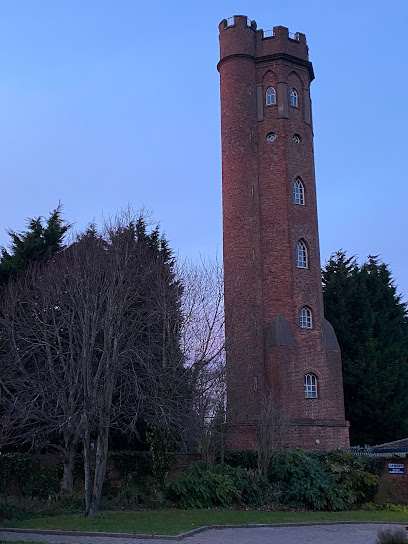
Perrott's Folly
0.2 km
An 18th-century tower in Birmingham, steeped in history and Tolkien lore, now a cultural beacon for art and community.
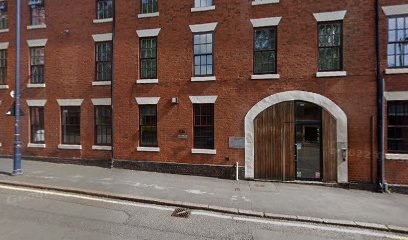
Historic England
1.6 km
Uncover Birmingham's rich history and heritage at Historic England, a cornerstone of cultural preservation and education in the heart of the city.
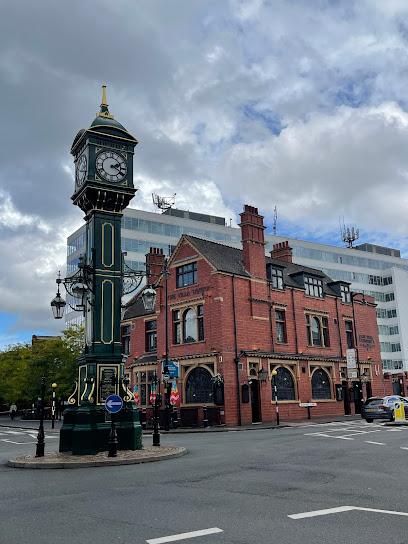
Chamberlain Clock
1.9 km
An elegant Edwardian clock tower at the heart of Birmingham’s Jewellery Quarter, built in 1903 as a memorial to Joseph Chamberlain and recently restored to its former glory.
The Jewellery Quarter Birmingham
2.0 km
Birmingham's glittering historic heart where Victorian workshops craft timeless jewels amid cobblestone charm and creative revival.
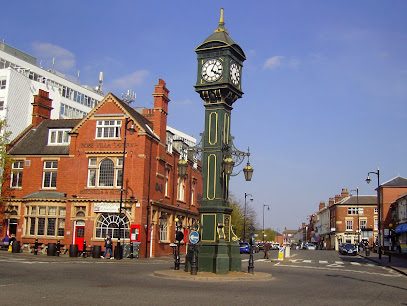
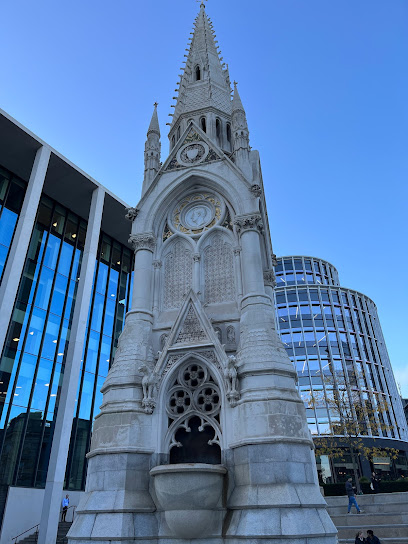
Chamberlain Memorial
2.0 km
A striking neo-Gothic monument in Birmingham’s Chamberlain Square honoring Joseph Chamberlain’s legacy of public service and city transformation.
The Best of Birmingham Trail
2.1 km
Explore Birmingham’s rich heritage through 20 iconic sites on this free, immersive city centre trail blending history, art, and urban renewal.
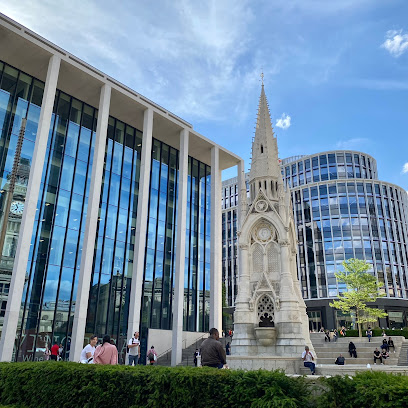
The River
2.2 km
Iconic bronze fountain sculpture in Birmingham’s Victoria Square, blending art, poetry, and urban life since 1994.
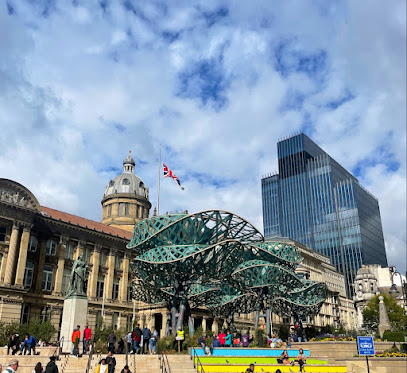
Gem Buildings
2.3 km
Historic Gem Buildings on Key Hill showcase Birmingham's rich jewelry industry heritage and early 20th-century industrial architecture.
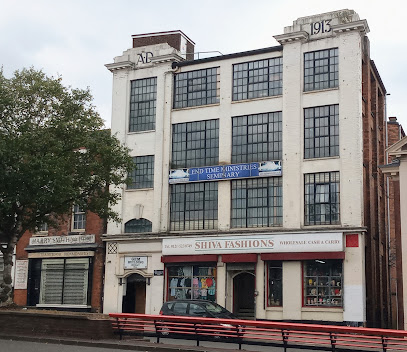
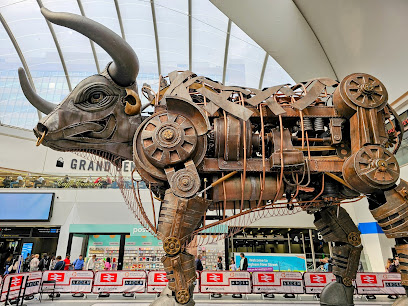
Ozzy the Bull
2.5 km
Experience the vibrant spirit of Birmingham at Ozzy the Bull, a stunning landmark celebrating the city's rich culture and heritage.
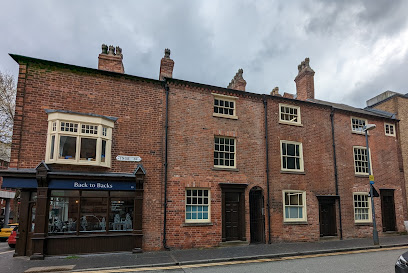
National Trust - Birmingham Back to Backs
2.5 km
Experience Birmingham's rich history at the iconic Back to Backs, a unique museum showcasing 19th-century urban life through preserved homes.
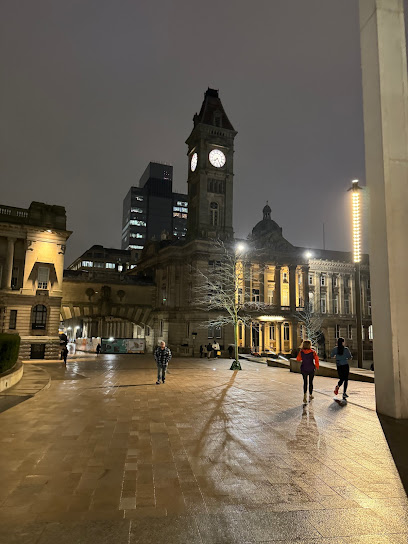
Workers Memorial
2.5 km
A solemn landmark in Birmingham honoring workers lost to workplace tragedy and inspiring the fight for safer labor conditions.
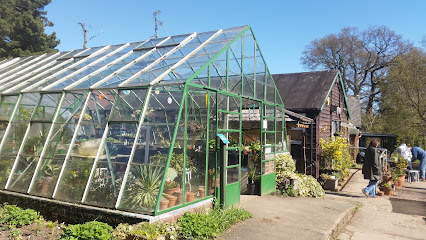
Martineau Gardens
2.6 km
Explore the tranquil beauty of Martineau Gardens, a community haven in Birmingham filled with diverse flora and educational experiences.
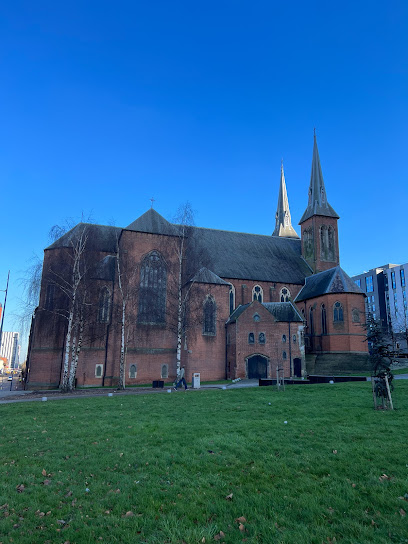
St Chad's Catholic Cathedral
2.6 km
Discover Birmingham’s first post-Reformation Catholic cathedral, a Gothic Revival masterpiece rich in history, art, and spiritual heritage.
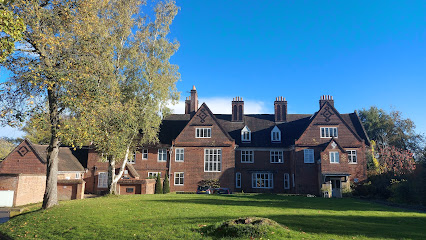
Winterbourne House & Garden
2.7 km
Experience the enchanting blend of nature and history at Winterbourne House & Garden, a botanical paradise in the heart of Birmingham.
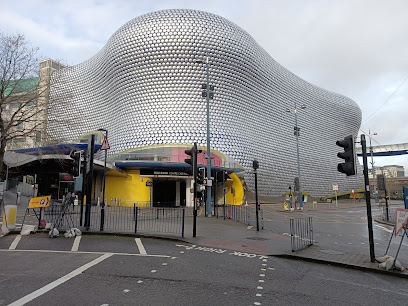
Bullring & Grand Central
2.7 km
Explore Birmingham's Bullring & Grand Central: a shopping and dining paradise that blends modern architecture with an unforgettable experience.
Unmissable attractions to see

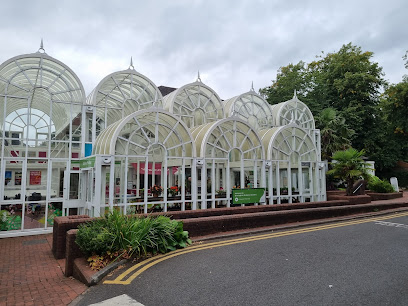
The Birmingham Botanical Gardens
1.0 km
Explore 15 acres of historic Victorian gardens with diverse plants, iconic glasshouses, and peaceful walking paths in the heart of Birmingham.
Edgbaston Village
1.0 km
Discover Edgbaston Village, where elegant Victorian charm meets vibrant dining, boutique shopping, and a relaxed yet lively atmosphere in Birmingham.
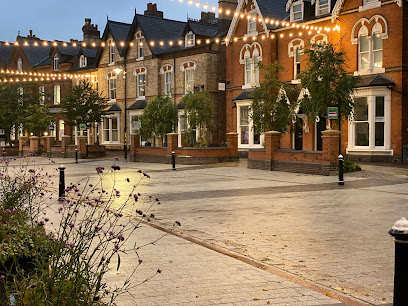
Baloci
1.0 km
Experience Silk Route-inspired fine dining and boutique luxury in Birmingham’s elegant Georgian townhouse with unique rooms and rich, plush décor.
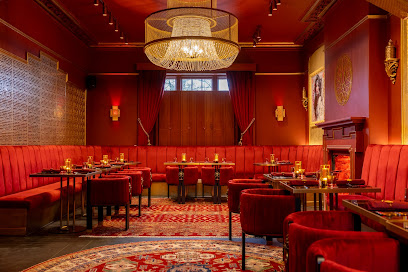
The High Field
1.1 km
Bright, stylish gastropub in Edgbaston offering classic British dishes, lively atmosphere, and a welcoming garden retreat.
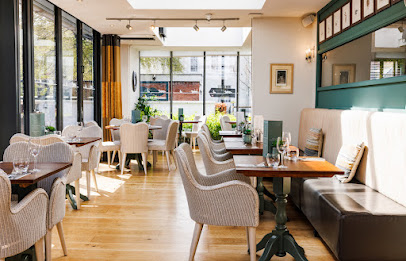
LEGOLAND Discovery Centre & LEGO Store Birmingham
1.1 km
An indoor LEGO playground in Birmingham with rides, Miniland, 4D cinema, and endless building fun for children aged 3–10 and their families.
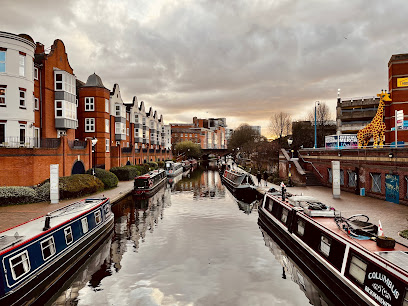
The Roundhouse
1.2 km
Explore Birmingham’s iconic 19th-century horseshoe-shaped Roundhouse, a vibrant hub of heritage, culture, and canal adventures by the waterside.
Springhill Interchange Birmingham
1.3 km
Explore Springhill Interchange, a vibrant hub in Birmingham, where culture, history, and modern urban life converge for an unforgettable experience.
Eleven Brindley Place
1.3 km
A prestigious Grade A office building in Birmingham’s vibrant canalside Brindleyplace, blending modern workspaces with cultural and transport connectivity.
National SEA LIFE Centre Birmingham
1.4 km
Discover the UK's only 360° ocean tunnel and meet rescued sea otters and playful penguins at Birmingham’s premier underwater adventure.
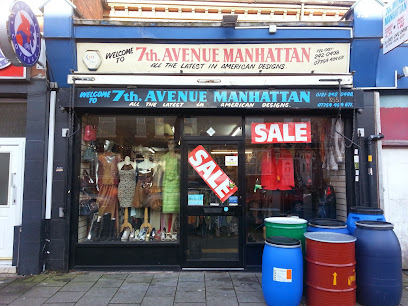
7th Avenue Manhattan
1.4 km
Explore a vast wildlife safari and adventure park near Birmingham with free-roaming animals, immersive exhibits, and family-friendly rides.
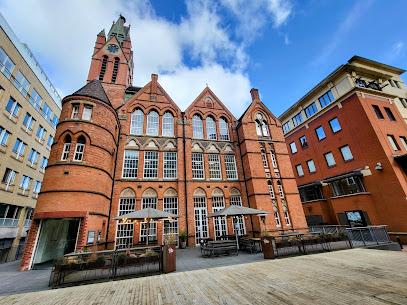
Ikon Gallery
1.5 km
Discover cutting-edge contemporary art in a stunning Victorian building at Birmingham’s Ikon Gallery, with free entry and dynamic exhibitions.
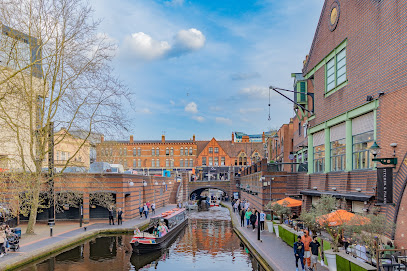
Birmingham Walk of Stars
1.5 km
Discover Birmingham’s rich cultural heritage through a vibrant walk of fame honoring its legendary icons along Broad Street.
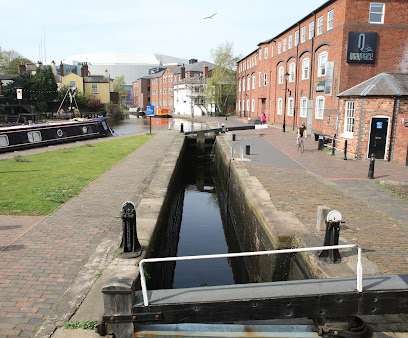
Lock 1, Farmers Bridge Locks
1.6 km
Historic flight of 13 canal locks showcasing Birmingham’s industrial heritage and vibrant urban waterways.
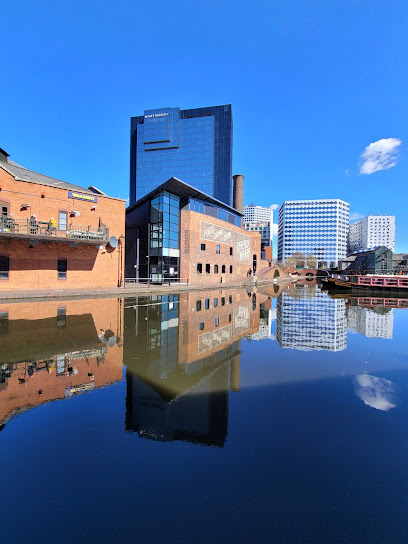
Regency Wharf
1.6 km
Scenic canals, vibrant dining, and cultural events converge at Birmingham’s dynamic Regency Wharf.
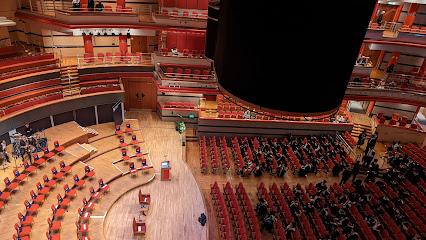
Symphony Hall
1.6 km
Experience world-class acoustics and vibrant live performances at Birmingham’s iconic Symphony Hall on Broad Street.
Essential places to dine

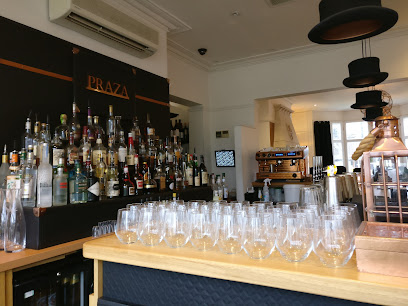
Praza Edgbaston
0.5 km
Refined Indian dining and innovative cocktails in a stylish Georgian setting in Birmingham’s elegant Edgbaston district.
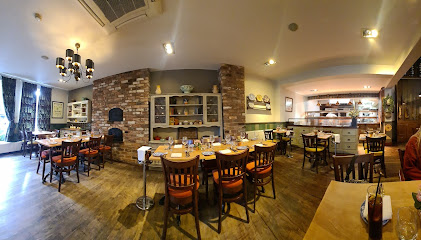
Fiesta del Asado - Edgbaston
0.6 km
Experience the finest Argentinian flame-grilled steaks and vibrant Latin flavors in the heart of Birmingham’s Edgbaston district.
The Blue Piano
0.9 km
A vibrant Asian-inspired restaurant and bar in Birmingham with live music, eclectic flavors, and cozy lodging in Edgbaston.
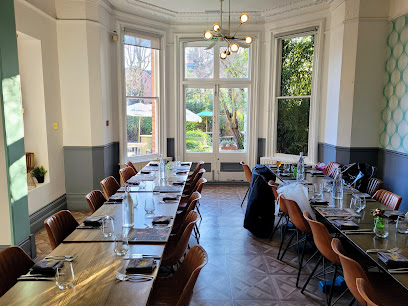
Cylla
1.0 km
Experience modern Greek cuisine with vibrant Mediterranean flavors in Birmingham’s elegant and inviting Cylla restaurant.
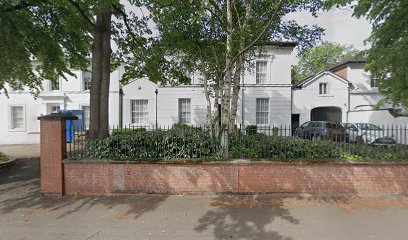
Chapter Edgbaston
1.0 km
Stylish British dining with seasonal, locally sourced dishes and a vibrant bar in the heart of Edgbaston.
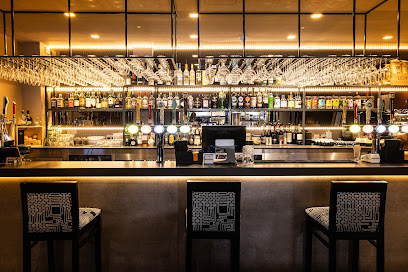
The White Swan
1.0 km
Classic British gastropub reimagined: cozy fires, gourmet comfort food, and stylish vibes in Edgbaston's heart.
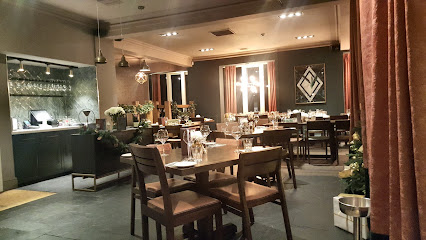
Simpsons Restaurant
1.1 km
Michelin-starred fine dining in a historic Georgian mansion, blending British tradition with modern culinary artistry in Birmingham's Edgbaston.
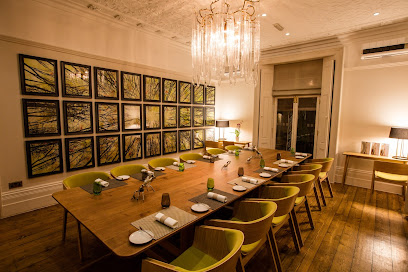
Three Church Road Restaurant
1.3 km
Elegant Georgian dining in Edgbaston offering seasonal British cuisine in an intimate, historic setting with attentive service.
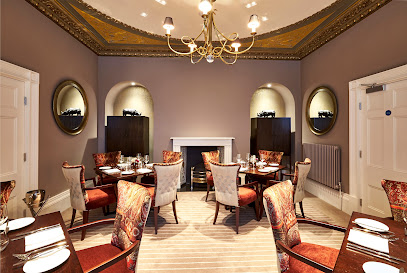
Bank Restaurant Bar & Grill
1.4 km
Sophisticated grill classics and fresh seafood in a stylish Brindleyplace setting with scenic canal terraces and vibrant atmosphere.
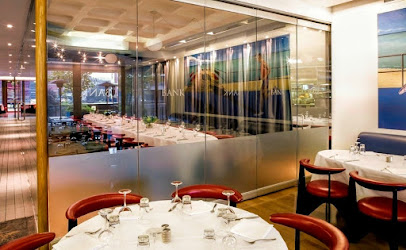
The Coconut Tree Birmingham
1.6 km
Experience vibrant Sri Lankan street food and unique island Cocotails in a lively, colorful setting at The Coconut Tree Birmingham.
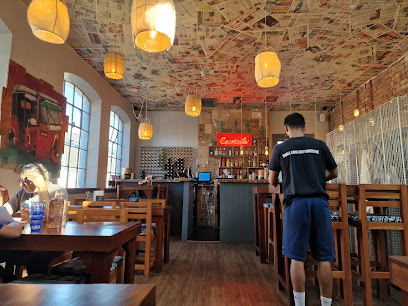
Bistrot Pierre - Birmingham
1.6 km
Authentic French bistro on Birmingham's canalside, serving traditional cuisine at accessible prices in a Grade II listed building.
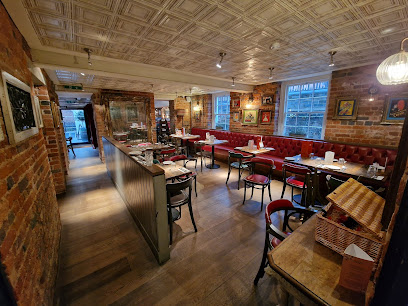
Aria Restaurant
1.7 km
Glass-roofed fine dining sanctuary serving seasonal British cuisine in Birmingham's city centre.
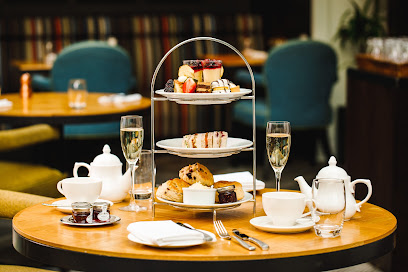
Noel’s Bar and Restaurant
1.8 km
Mediterranean charm meets Birmingham's waterfront—where fresh pasta, charcoal grills, and craft cocktails create unforgettable canalside dining.
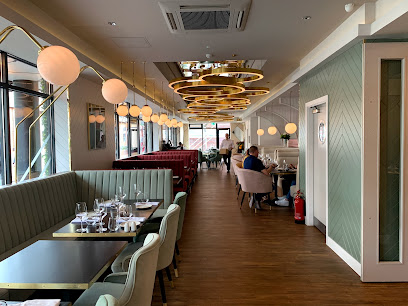
The Button Factory
1.8 km
A stylish blend of industrial heritage and modern dining, The Button Factory offers vibrant food, drinks, and rooftop vibes in Birmingham’s Jewellery Quarter.
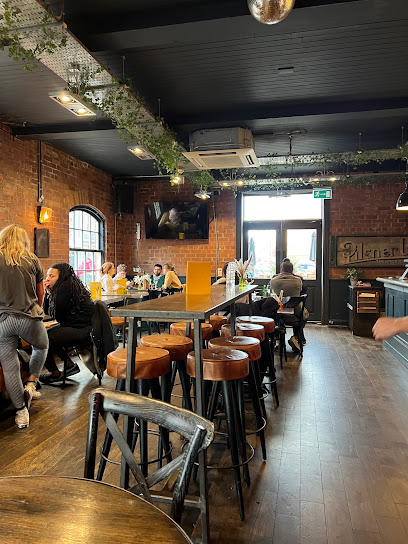
Opheem
1.9 km
Experience Michelin-starred Indian cuisine reimagined with British seasonal flair in Birmingham’s elegant Opheem.
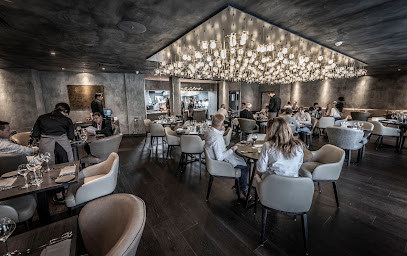
Markets, malls and hidden boutiques

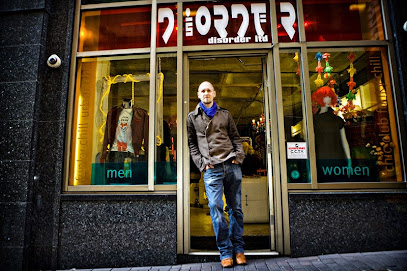
Disorder Boutique
0.8 km
Discover Birmingham’s exclusive sustainable fashion boutique, where bespoke craftsmanship meets bold, original British designs.
Fine Jewellery Collections & Bespoke Design Service
1.8 km
Discover bespoke brilliance in Birmingham's Jewellery Quarter, where custom gems and fine collections craft heirlooms with personal stories etched in gold.
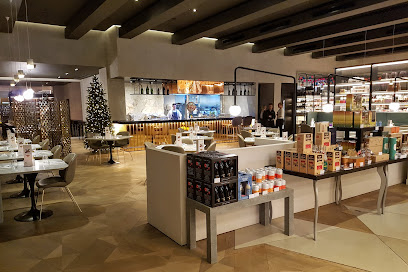
Harvey Nichols
1.9 km
Discover luxury fashion, beauty, and gourmet delights at Harvey Nichols Birmingham, a premier designer department store in The Mailbox.
SACET
2.0 km
Ethical elegance awaits at SACET, Birmingham's sustainable jewellery gem in the heart of the Jewellery Quarter—where timeless craft meets modern conscience.
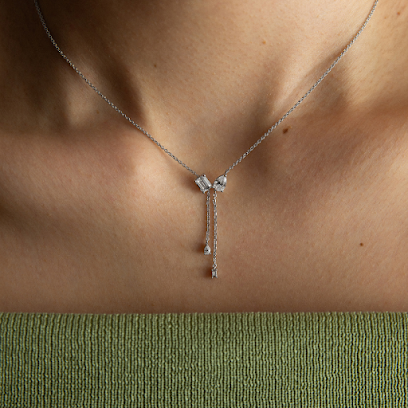
Top Jewellery UK
2.0 km
Discover bespoke brilliance in Birmingham's Jewellery Quarter at Top Jewellery, where family expertise crafts diamonds, gold, and silver into timeless treasures.
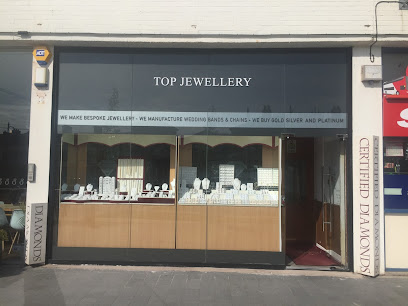
Design Centre
2.0 km
Family-crafted diamonds and luxury watches in Birmingham's historic Jewellery Quarter since 1977—timeless elegance for life's milestones.
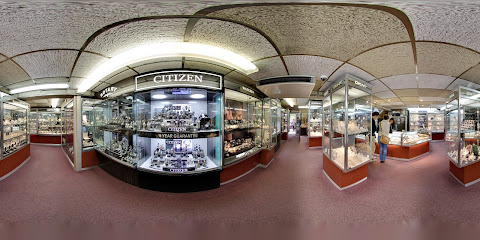
Quarter Jewellery
2.0 km
Independent jeweller on Warstone Lane offering commissions, valuations and attentive, workshop‑minded service in the heart of Birmingham’s Jewellery Quarter.
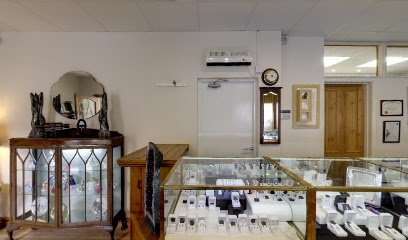
Artfull Expression
2.0 km
Discover independent jewelry artistry in Birmingham's Jewellery Quarter at Artfull Expression, where unique handcrafted designs blend historic craft with modern flair.
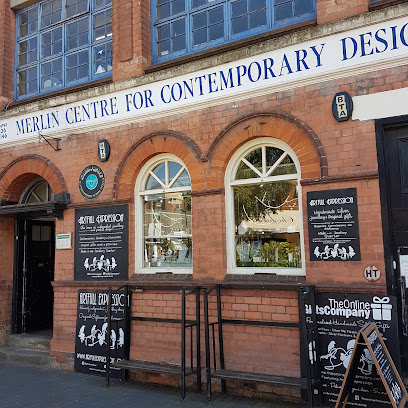
Adamas Antique Jewellery
2.0 km
A boutique Jewellery Quarter shop offering curated antique and estate jewels with specialist appraisal and bespoke care.
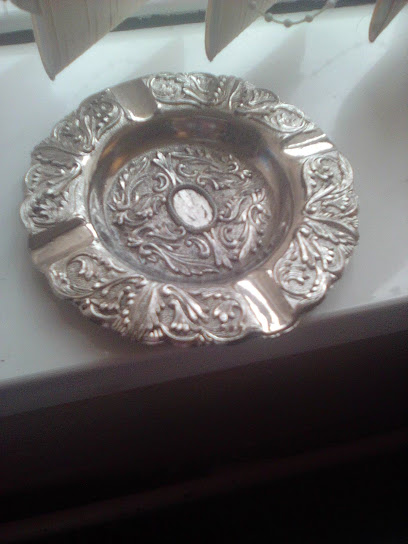
Arnett Creations - Unique Quality Jewellery
2.0 km
Discover bespoke Sterling Silver and hallmarked gold jewellery in Birmingham's Jewellery Quarter, where expert craftsmanship meets personalized service at Arnett Creations.
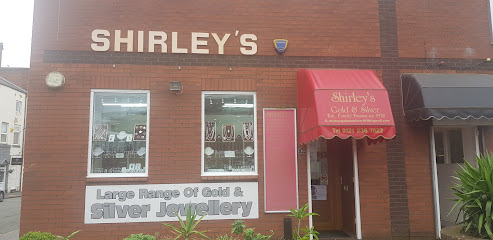
A&N Jewellery
2.0 km
Discover family-crafted silver treasures and bespoke brilliance in Birmingham's legendary Jewellery Quarter, where 50 years of expertise meets timeless elegance.
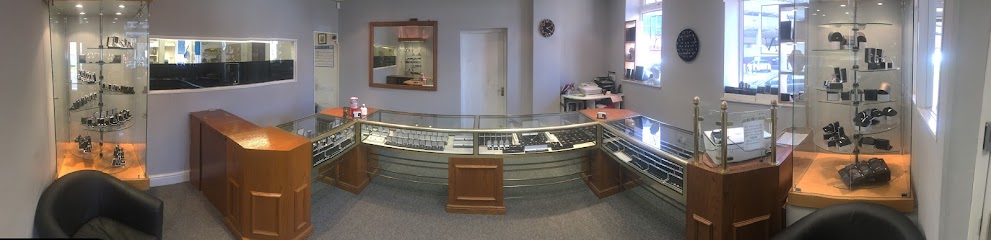
Buff Jewellery
2.1 km
Timeless minimalist jewellery handcrafted in Birmingham's Jewellery Quarter—personalised birthstone designs blending sentiment, subtlety, and modern British elegance for everyday sparkle.

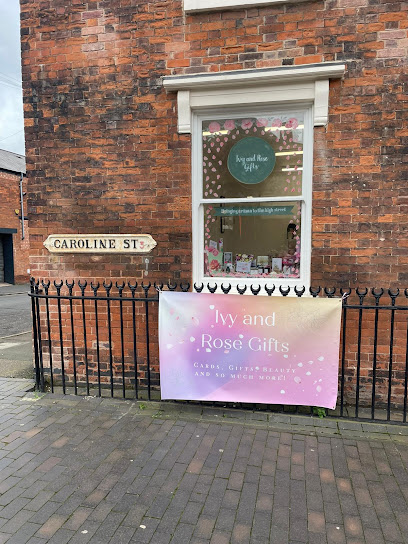
Ivy and Rose Gift Shop
2.1 km
Discover handmade UK treasures at Ivy and Rose, Birmingham's Jewellery Quarter boutique for unique jewelry, candles, and artisanal gifts from local makers. (162 characters)
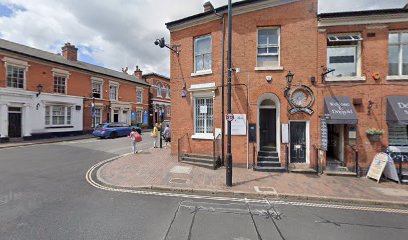
Gingermegs Vintage
2.2 km
Discover timeless style and impeccable vintage finds at Gingermegs Vintage, Birmingham’s boutique for authentic retro fashion and antiques.
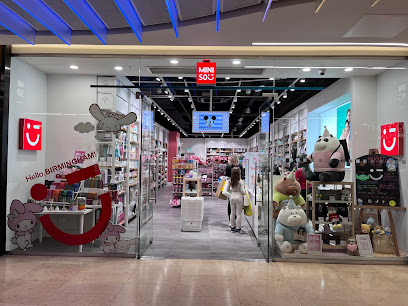
Miniso
2.4 km
Bright, affordable design and collectable character goods — a family-friendly stop for pocket-money treats in Grand Central.
Essential bars & hidden hideouts

Garden House
0.5 km
Cozy Edgbaston pub with roaring fires, hearty British grub, and a sunny beer garden—perfect for roasts, pints, and gatherings any day of the week.
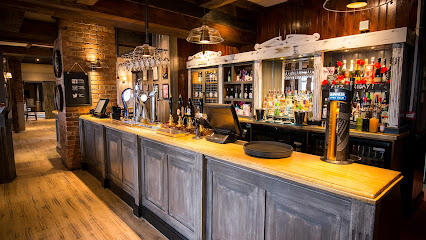
The Physician
0.9 km
Gracious Harborne Road pub with polished wood interiors, a lengthy bar and several cosy dining rooms serving classic British fare in a convivial setting.
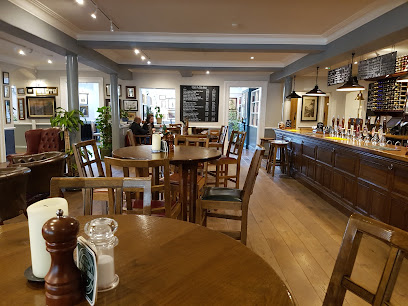
Loki Wine Bar & Shop Edgbaston
1.0 km
Self-service wine wonderland in Edgbaston: Taste 32 global vintages, sip craft beers, savor charcuterie amid bottle-lined walls—a Birmingham gem for oenophiles.
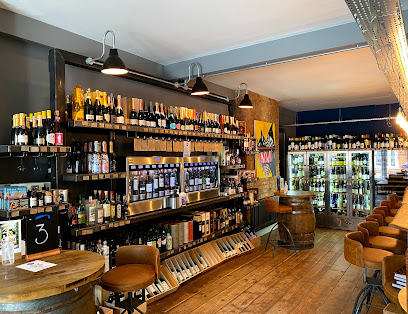
The Distillery
1.1 km
Birmingham's canal-side gin distillery pub: rotisserie feasts, wood-fired pizzas, house gins, and terrace vibes from brunch to late-night drinks.
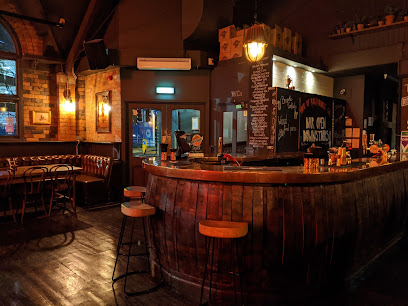
Boom Battle Bar Birmingham Broad Street
1.3 km
A lively Broad Street bar mixing axe throwing, karaoke, and games with cocktails for unforgettable nights out in Birmingham.
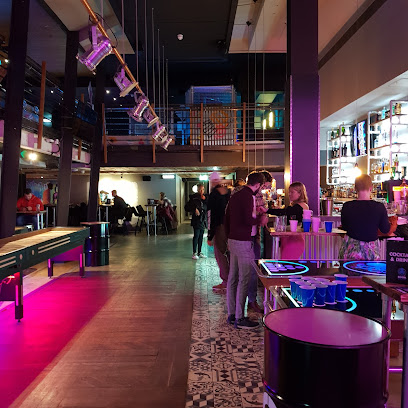
Malt House
1.4 km
A vibrant British pub in Birmingham city centre offering classic dishes, lively atmosphere, and a great spot for social gatherings near the arena.
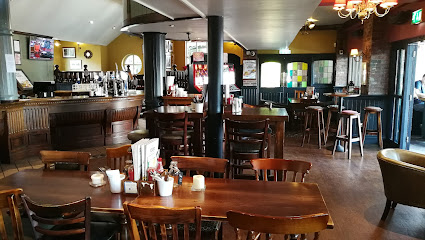
The Alchemist Brindleyplace
1.5 km
Experience Birmingham’s theatrical cocktail bar and restaurant at Brindleyplace, where molecular mixology meets creative cuisine above the canal.
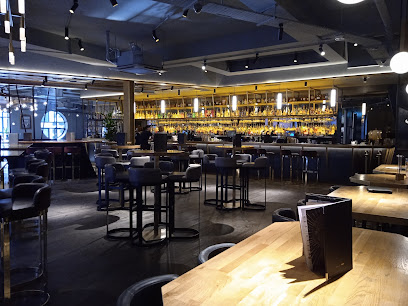
All Bar One Brindleyplace
1.5 km
Stylish canal-side wine bar and cocktail lounge in Birmingham’s vibrant Westside, perfect for bottomless brunches and lively evenings.
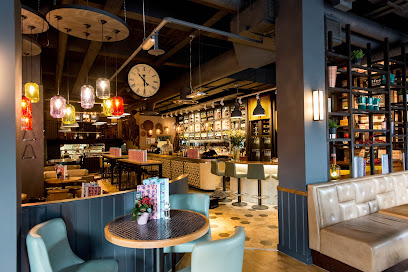
Slug & Lettuce - Birmingham
1.5 km
Lively cocktail bar and restaurant at Brindley Place offering vibrant drinks, tasty bites, and late-night fun in Birmingham’s city centre.
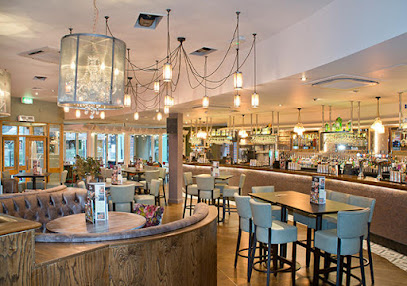
Pitcher & Piano Birmingham
1.5 km
Vibrant waterside bar with retro charm, scenic canal views, and lively brunches in Birmingham’s Brindleyplace.
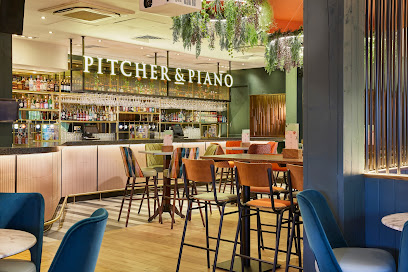
Be At One - Brindley Place Birmingham
1.5 km
Lively cocktail bar in Birmingham’s Brindley Place offering extensive drinks, vibrant atmosphere, and expert bartenders for unforgettable nights.
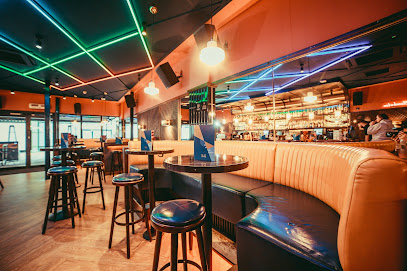
The Pig & Tail
1.6 km
Victorian charm with a punchy, colourful gastropub vibe — British small plates, rotating craft beer and lively evenings in the Jewellery Quarter.
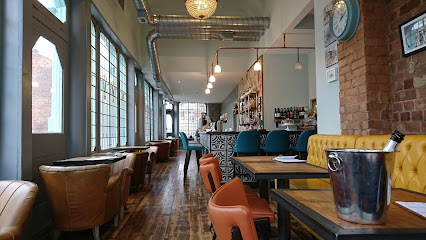
Duck and Scholar
1.6 km
Lively student bar in Birmingham's Vale Village: cheap drinks, evening vibes, and endless campus camaraderie from 6pm—your go-to for pints and post-lecture laughs.
The Botanist Gas Street Basin
1.7 km
A lush botanical bar and restaurant with canal views, seasonal menus, and live music in Birmingham’s vibrant Gas Street Basin.
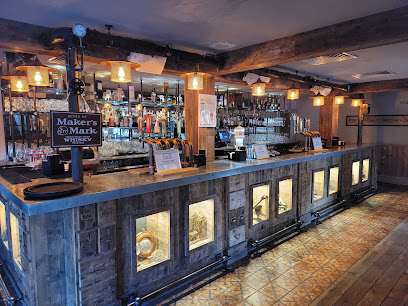
The Red Lion
1.7 km
Traditional Hockley pub fusing heritage, modern art, and hearty British fare in Birmingham's Jewellery Quarter gem on lively Warstone Lane.
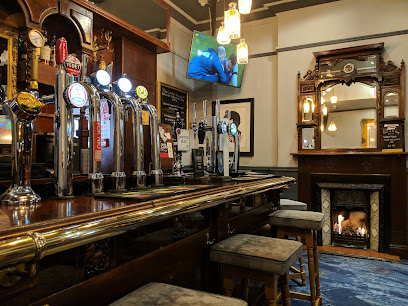
Nightclubs & after hour spots

Snobs
1.3 km
Birmingham's 40-year indie-retro nightclub legend: cheap drinks, themed dance floors, and non-stop beats on Broad Street.
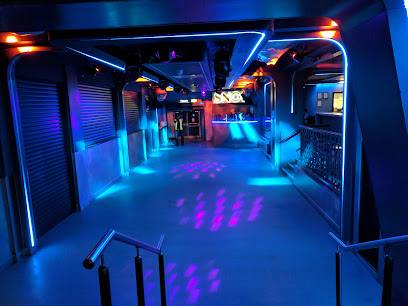
Popworld - Birmingham
1.5 km
Broad Street's ultimate pop party hub: 90s-00s hits, neon dance floors, cocktails, and celebration packages until 3am.
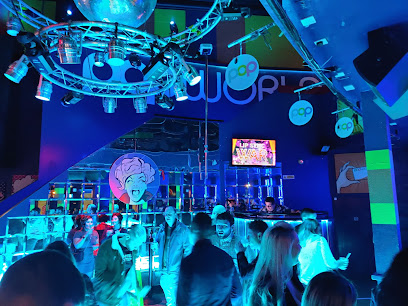
Rosies - Birmingham
1.5 km
Birmingham's ultimate super club: five themed rooms, killer cocktails, and non-stop beats on Broad Street for epic nights out.
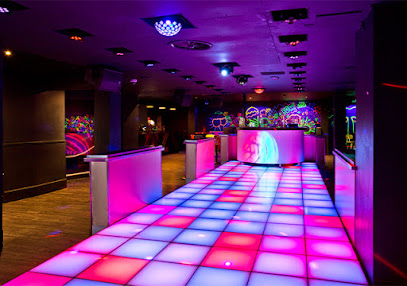
Reflex - Birmingham
1.6 km
Spin into 80s-00s nostalgia at Reflex Birmingham: revolving dance floor, karaoke booths, neon vibes, and epic sing-alongs on Broad Street's party strip.
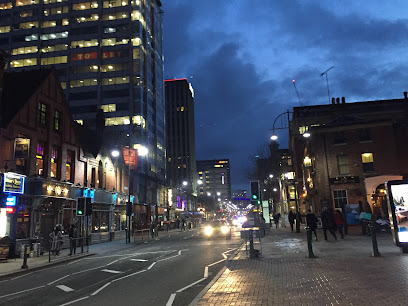
PAVO Birmingham
1.9 km
Vibrant African fusion lounge and nightclub in Birmingham's Jewellery Quarter, where bold flavors meet electrifying beats until 4am on weekends.
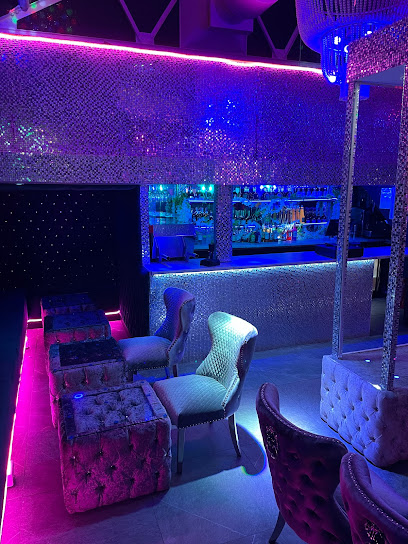
King of clubs
2.2 km
Compact late‑night Birmingham club for high‑energy R&B, hip‑hop and DJ nights, pulsing into the small hours with neon, bass and bar-driven parties.
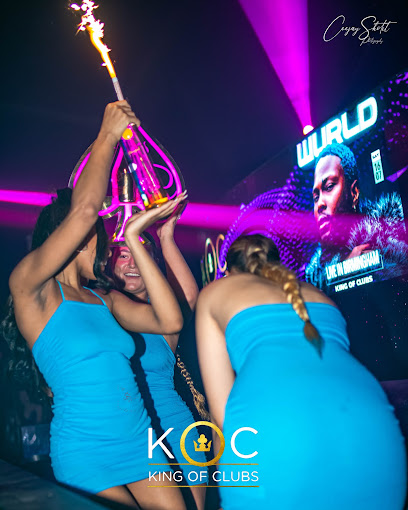
What do you mean
2.3 km
Dive into Birmingham’s vibrant nightlife at What Do You Mean, a premier nightclub known for electrifying music, creative cocktails, and an unforgettable party vibe.
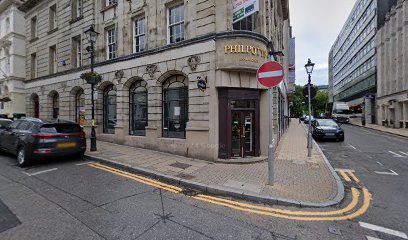
Tunnel Club Birmingham
2.4 km
Dive under Birmingham's arches into Tunnel Club's seven-room warehouse wonderland, where house, techno, and hip-hop fuel all-night dances amid pounding bass and vivid lights.
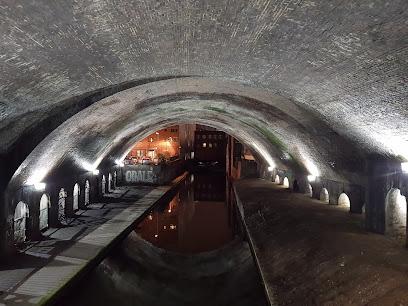
Mango Night Club
2.4 km
A high‑energy Bristol Street nightclub serving Afrobeats, hip‑hop and R&B for late‑night dancers and party crowds in central Birmingham.
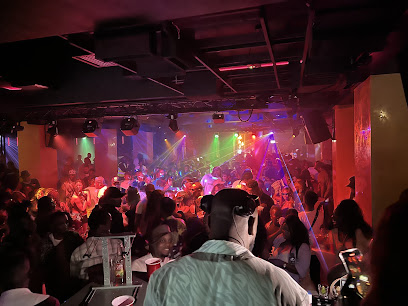
Dreams Night club and Shisha
2.4 km
Birmingham's Jewellery Quarter gem fusing aromatic shisha clouds with thumping club beats until 5am—pure late-night energy on Barr Street.
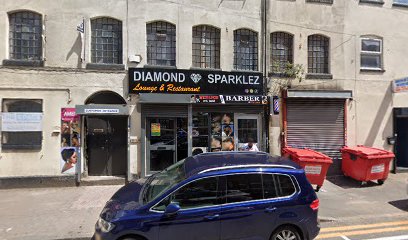
101 Night Club
2.5 km
Unleash your nightlife spirit at 101 Night Club, Birmingham's vibrant center for music, dancing, and unforgettable experiences.
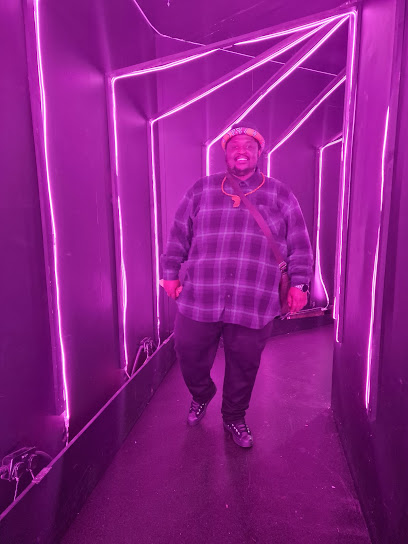
Bambu Nightclub
2.5 km
Experience Birmingham’s chic nightlife hotspot with stylish vibes, eclectic music, and late-night dancing at Bambu Nightclub.
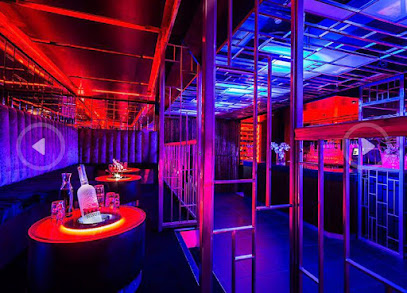
Sobar
2.5 km
Dive into Birmingham's electric nightlife at Sobar, where R&B beats, masterful cocktails, and inclusive vibes fuel unforgettable weekend revelry in the heart of the Arcadian.
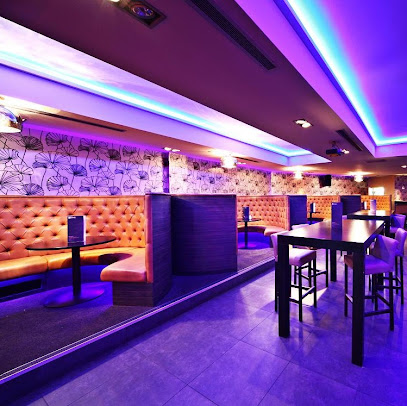
Nightingale Club
2.6 km
Birmingham's legendary LGBTQIA+ superclub: three floors of pulsating beats, go-go glamour, and five decades of unapologetic queer joy in the Gay Village.
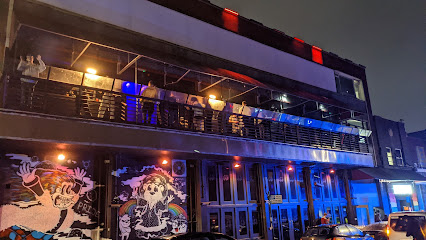
DIAMOND SPARKLEZ
2.6 km
Ignite your night in Birmingham's diamond district at this glittering nightclub, where top DJs, stunning lights, and electric crowds create pure nightlife magic.
For the vibe & atmosphere seeker
- Scenic
- Tranquil
- Unique
- Historic
For the design and aesthetic lover
- Vintage Styles
- Rustic Designs
For the architecture buff
- Historic
- Landmarks
For the view chaser and sunset hunter
- Iconic Views
- Waterfront
For the social media creator & influencer
- Instagrammable
- Photo Spots
- Selfie Spots
For the eco-conscious traveler
- Public-Transport Accessible
- Locally Managed
For the kind of experience you’re after
- Cultural Heritage
- Photowalk
- Nature Escape
- Myth & Legends
For how adventurous you want the journey to be
- Easy Access
Location Audience
- Family Friendly
- Senior Friendly
- Child Friendly
- Teen Friendly
- Wheelchair Access
- Pet Friendly
- Solo Friendly
- Couple Friendly
- Solo Female Friendly


