
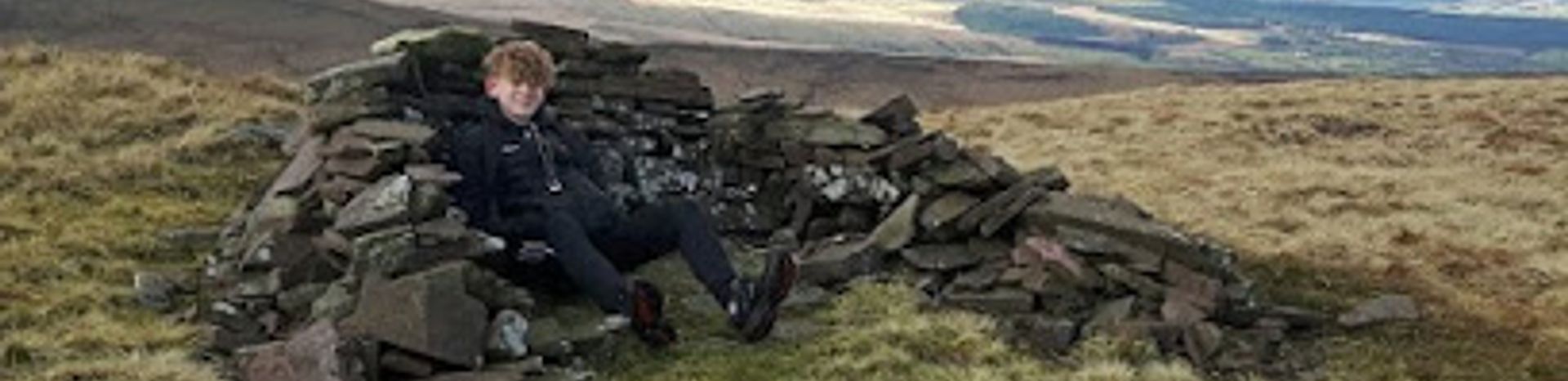
Maen Llia: The Majestic Bronze Age Standing Stone of Brecon Beacons
Discover Maen Llia, a monumental Bronze Age standing stone in Wales, steeped in legend and celestial mystery amid the Brecon Beacons moorland.
Maen Llia is a towering Bronze Age standing stone located on moorland in the Brecon Beacons National Park, Wales. Measuring 12 feet tall and 9 feet wide, this ancient red sandstone monolith is shrouded in legend and mystery, believed to have served as a boundary marker or celestial pointer. Its shadow famously stretches to the nearby Avon Llia River at sunset, inspiring tales of the stone moving to drink. The site is surrounded by other prehistoric monuments arranged in unique geometric patterns.
A brief summary to Maen Llia
- Sarn Helen, Brecon, LD3 8SU, GB
- Duration: 0.5 to 2 hours
- Free
-
 Outdoor
- Mobile reception: 3 out of 5
Local tips
- Visit in late afternoon to witness the stone’s shadow stretching toward the Avon Llia River, a captivating natural phenomenon.
- Bring sturdy footwear for walking on uneven moorland terrain around the site.
- Explore nearby prehistoric sites like the heather-covered henge and recumbent stone row to appreciate the full archaeological landscape.
- Check weather conditions before visiting, as the exposed moorland can be windy and cold, especially outside summer months.

For the on-the-go comforts that matter to you
- Information Boards
- Seating Areas
- Trash Bins
Getting There
-
Car
Driving from Brecon town center, the journey to Maen Llia takes approximately 25 to 35 minutes via minor roads including the B4560 and A4067. Parking is limited to a small lay-by near the site, so arrive early during peak seasons. No parking fees apply.
-
Bus and Walk
Take a regional bus from Brecon to Ystradfellte, which takes about 45 to 60 minutes depending on schedule. From Ystradfellte, a 2.5 km walk over uneven moorland terrain leads to Maen Llia, requiring good footwear and moderate fitness.
-
Hiking
For outdoor enthusiasts, hiking from the village of Ystradfellte to Maen Llia offers a scenic 45-minute trek over moorland paths. Terrain is uneven and can be muddy after rain, so proper hiking boots and weather-appropriate clothing are recommended.
Maen Llia location weather suitability
-
 Any Weather
-
 Rain / Wet Weather
-
 Clear Skies
-
 Windy Conditions
-
 Cold Weather
-
 Mild Temperatures
Discover more about Maen Llia
A Monument Rooted in Prehistory
Maen Llia stands as a striking relic from the Bronze Age, estimated to have been erected between 3300 BCE and 1200 BCE. Crafted from Old Red Sandstone, this roughly diamond-shaped monolith rises approximately 3.7 meters (12 feet) high and spans 2.8 meters (9 feet) wide, resting on a carefully constructed stone and earth mound. Its imposing size and remote moorland setting in the Brecon Beacons National Park mark it as one of the largest standing stones in the region, a testament to the skill and determination of the prehistoric people who raised it.Legends and Celestial Alignments
Local folklore imbues Maen Llia with a mystical character, telling of the stone moving to the Avon Llia River to drink when the cock crows, a myth likely inspired by the shadow it casts across the moorland at sunset. This shadow reaches the river during the months from April to September, creating a natural spectacle that connects the stone to its landscape in a dynamic way. Moreover, Maen Llia forms part of a rare geometric arrangement with nearby prehistoric features such as a heather-covered henge, a recumbent stone row, and a cairn. These alignments are thought to correspond with major and minor lunar standstills, suggesting the stone's role in ancient astronomical observations.Geographical and Cultural Context
Situated near the minor road known historically as Sarn Helen, Maen Llia occupies a strategic position on the moorland above the Llia Valley. This location likely served as an important passageway for ancient peoples and later the Romans, who constructed the Sarn Helen road nearby. The stone’s orientation along a north-south axis and its warm surfaces on sunny days hint at its possible use as a sundial or directional marker. Nearby, Maen Madoc, another standing stone with a Roman-era inscription, lies about two miles south, reinforcing the area's long-standing significance as a cultural and ritual landscape.Visitor Experience and Surroundings
Visitors to Maen Llia encounter a remote and atmospheric setting characterized by expansive moorland views and a palpable sense of ancient mystery. The stone’s moss-covered surface and distinctive shape evoke a giant prehistoric hand axe, inviting contemplation of the monument’s original purpose. An information board shaped like Maen Llia provides historical context, while the surrounding landscape offers opportunities for hiking and exploration. The site’s proximity to other prehistoric monuments enriches the experience, allowing visitors to appreciate the sophisticated spatial and astronomical knowledge of its creators.Preservation and Significance
Maen Llia is a Scheduled Ancient Monument, protected for its archaeological and cultural importance. Despite some modern graffiti, the stone remains largely intact, continuing to inspire curiosity and scholarly research. Its unique geometric and astronomical associations distinguish it within the broader context of British prehistoric monuments, making it a valuable site for understanding Bronze Age ritual and landscape use in Wales.Enduring Mysteries and Ongoing Research
While the exact function of Maen Llia remains uncertain, ongoing studies into its alignments and relationships with nearby features hint at complex ritualistic and astronomical roles. The stone’s shadow phenomena, precise geometric patterning, and lunar standstill alignments suggest a sophisticated prehistoric knowledge of celestial cycles. These enduring mysteries continue to captivate archaeologists, historians, and visitors alike, ensuring Maen Llia’s place as a timeless symbol of ancient human ingenuity and connection to the natural world.Iconic landmarks you can’t miss

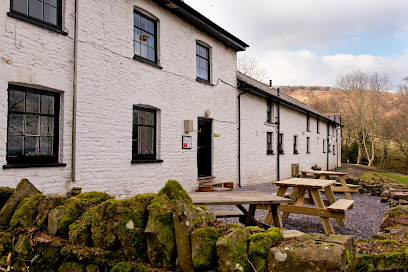
YHA Brecon Beacons
5.9 km
Rustic farmhouse hostel offering clean, cozy accommodation and a warm communal atmosphere in the heart of Brecon Beacons National Park.
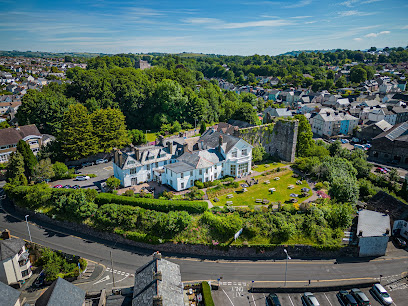
The Brecon Castle Hotel
15.2 km
Historic Wales’ oldest hotel blending timeless charm with modern comforts near Brecon Beacons National Park.
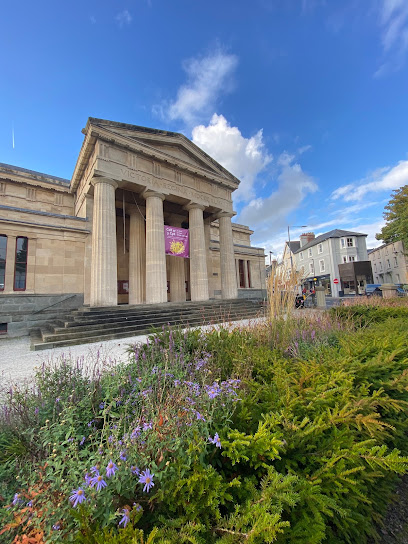
Y Gaer Museum, Art Gallery & Library
15.3 km
Explore Y Gaer Museum, Art Gallery & Library in Brecon for an enriching experience of local history, art, and literature in a cultural landmark.
Brecon Town Tours - guided history walks
15.3 km
Experience the rich history of Brecon with guided tours that unveil the town's hidden gems and captivating stories in the heart of the Brecon Beacons.
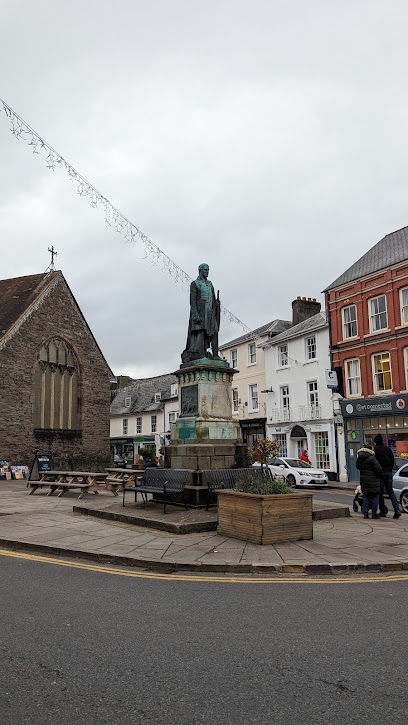
Duke of Wellington Monument
15.3 km
Historic bronze statue honoring the Duke of Wellington, a commanding presence in Brecon’s town centre and a testament to local artistry and British heritage.
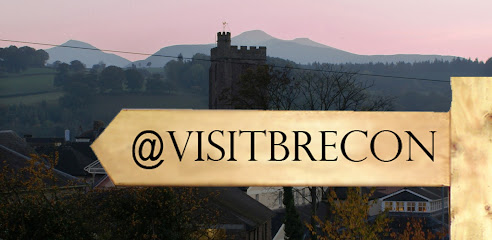
Brecon Beacons
15.3 km
Explore the breathtaking landscapes and rich history of the Brecon Beacons, Wales' premier destination for hiking and outdoor adventures.
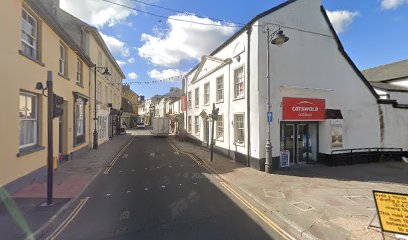
Visit Brecon
15.4 km
Explore the beauty of Brecon, a quaint Welsh town that serves as the gateway to the stunning Brecon Beacons National Park.
Brecon Barracks
15.4 km
Historic military hub in Brecon, home to the Royal Welsh Regiment and its museum, set within the stunning Brecon Beacons National Park.
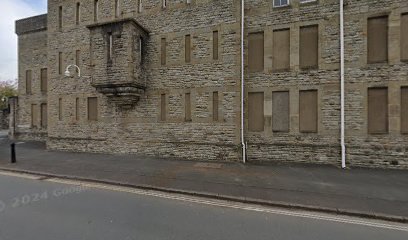
The Royal Welsh Regimental Museum
15.5 km
Explore the Royal Welsh Regimental Museum in Brecon, where Wales' military history comes alive through captivating exhibits and rich heritage.
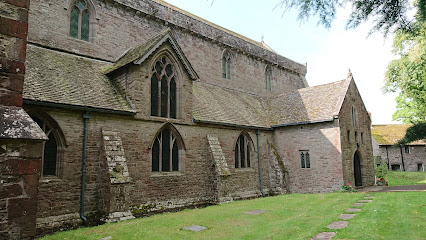
Brecon Cathedral
15.5 km
Discover the rich history and architectural beauty of Brecon Cathedral, a spiritual landmark set in the heart of Wales, surrounded by stunning landscapes.
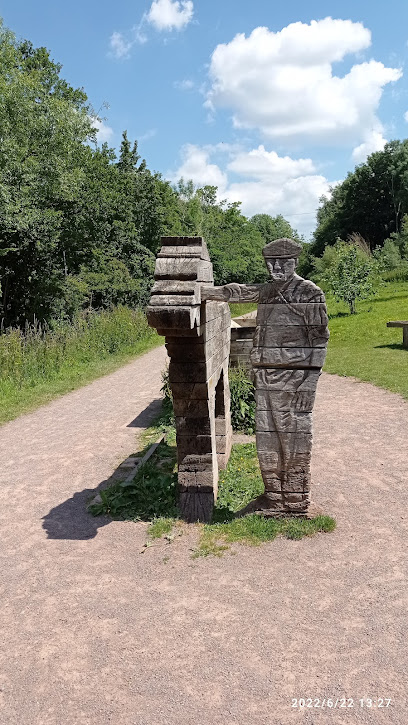
Brecon Walk Way
15.6 km
Experience the tranquility and stunning landscapes at Brecon Walk Way, a must-visit tourist attraction in the heart of Wales.
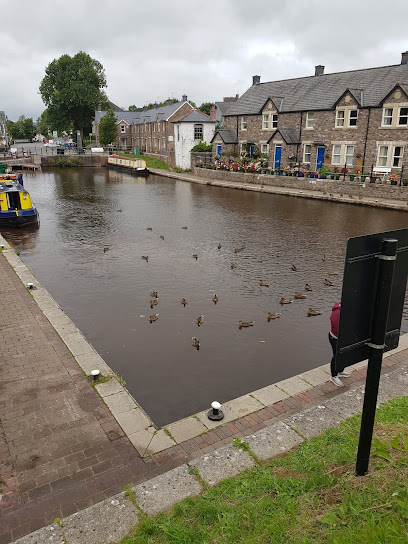
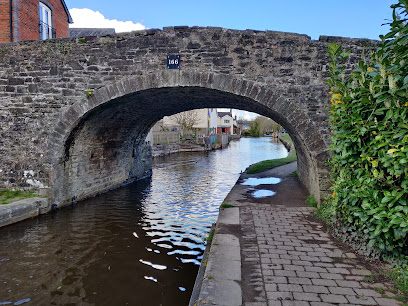
Monmouthshire and Brecon Canal
15.7 km
Discover the serene beauty of the Monmouthshire and Brecon Canal, a historic waterway offering scenic walks, wildlife spotting, and breathtaking views.
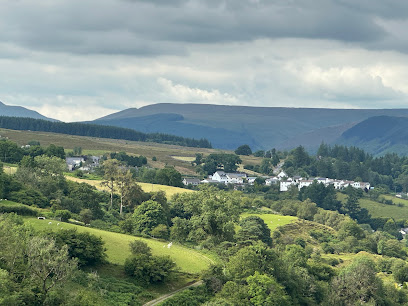
Castell Morlais 'morlais Castle'
15.8 km
Explore the enchanting ruins of Castell Morlais, a historical castle in Merthyr Tydfil, offering stunning views and a glimpse into Wales' medieval heritage.
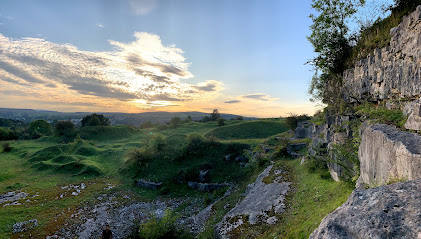
Brecon Mountain Railway
16.5 km
Experience the enchanting journey of the Brecon Mountain Railway, a heritage treasure in the heart of Wales, offering breathtaking views and a taste of history.
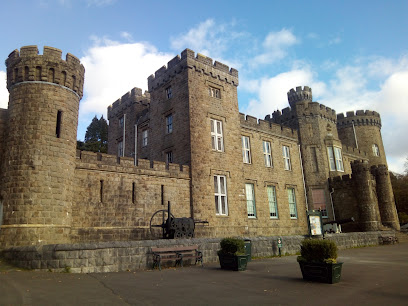
Cyfarthfa Castle Museum and Art Gallery
16.6 km
Explore Cyfarthfa Castle Museum and Art Gallery, where history, art, and nature converge in the heart of Merthyr Tydfil’s beautiful park.
Unmissable attractions to see

Fforest Fawr Geopark
1.9 km
Explore Fforest Fawr Geopark’s ancient geology, wild landscapes, and rich Welsh heritage in the heart of the Brecon Beacons National Park.
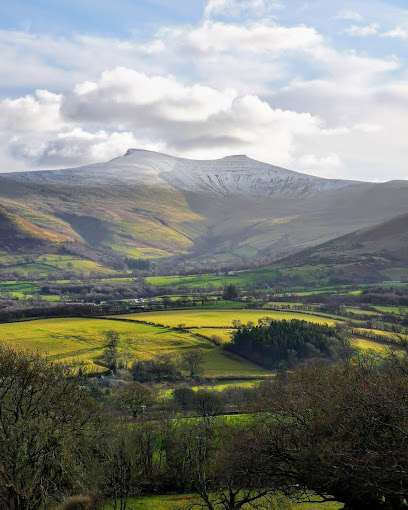
Good Day Out Pig Walking in the Brecon Beacons with KuneKune pigs
2.8 km
Walk friendly KuneKune pigs through scenic Brecon Beacons and enjoy a charming countryside 'Pignic' with tea and cakes.
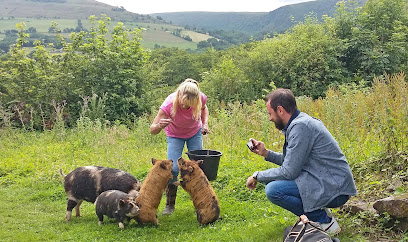
Fan Fawr
4.6 km
Fan Fawr: A majestic peak in Wales’ Brecon Beacons, blending stunning glacial landscapes with rich geology and timeless Welsh legends.
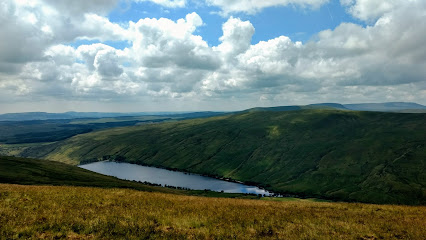
Fan Frynych
4.9 km
Explore Fan Frynych’s rugged summit and the dramatic cliffs of Craig Cerrig Gleisiad in this rich, glacially-carved nature reserve within the Brecon Beacons.
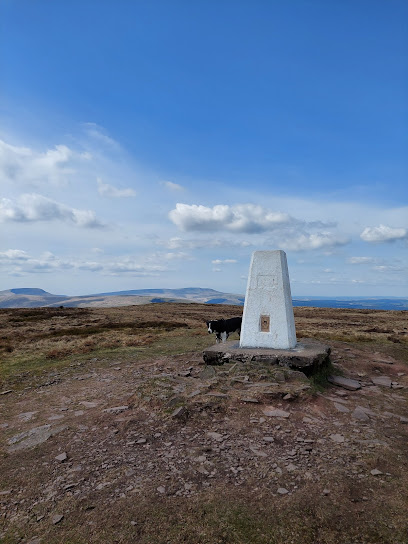
Pen-y-Fan walk carpark
6.3 km
Primary access point for hiking Pen y Fan, South Wales’ highest peak, nestled in the scenic Brecon Beacons National Park.
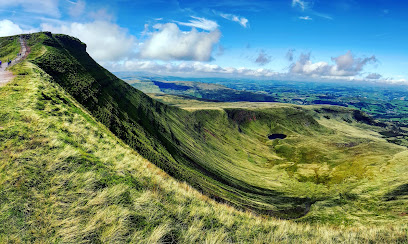
National Trust - Brecon Beacons
6.3 km
Explore Pen y Fan and the Brecon Beacons from Pont ar Daf, where nature, adventure, and modern facilities meet in Wales’ iconic mountain park.
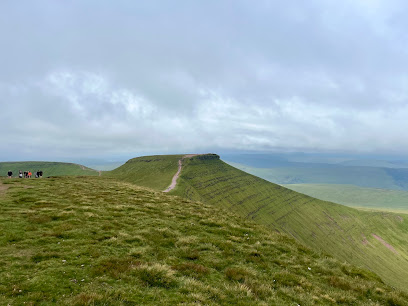
National Trust - Pont ar Daf
6.4 km
South Wales's premier mountain gateway—where 200,000 annual walkers begin their ascent to Pen y Fan's windswept summit.

Ogof Ffynnon Du National Nature Reserve
6.6 km
Explore the UK’s deepest cave beneath wild moorlands and historic ruins in the breathtaking Ogof Ffynnon Ddu National Nature Reserve.
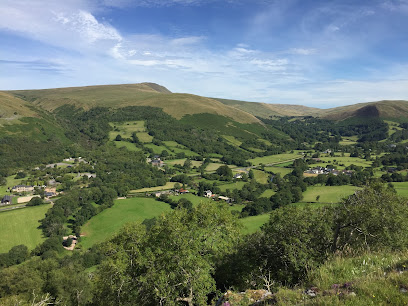
Porth yr Ogof
6.7 km
Explore Wales’ largest cave entrance, a thrilling limestone labyrinth carved by the Afon Mellte in the heart of Brecon Beacons National Park.
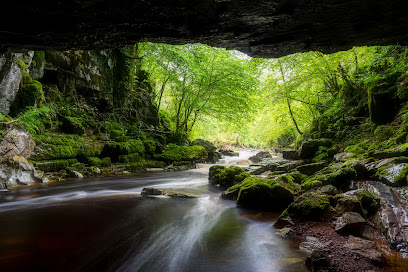
Four Waterfalls Walk
8.0 km
Discover the enchanting Four Waterfalls Walk, a scenic 9 km trail through ancient woodland and cascading falls in Wales’ Brecon Beacons National Park.
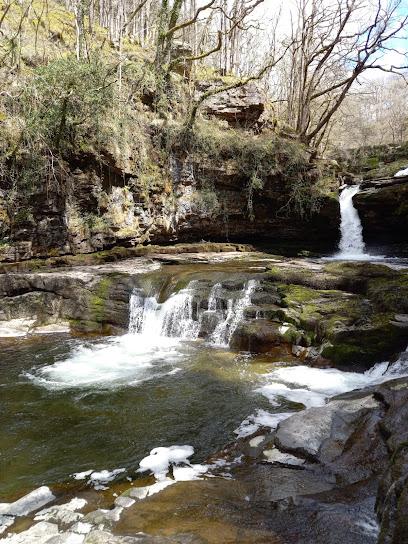
Sgwd Clun-Gwyn Waterfall
8.2 km
Discover the cascading beauty of Sgwd Clun-Gwyn, a serene multi-step waterfall nestled in the lush woodlands of South Wales’ Brecon Beacons.
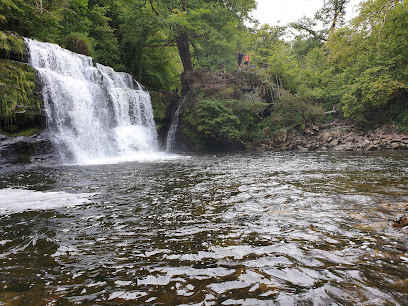
Cefn Llechid
8.6 km
Discover the tranquil summit of Cefn Llechid, a peaceful retreat with panoramic views in the heart of Brecon Beacons National Park.
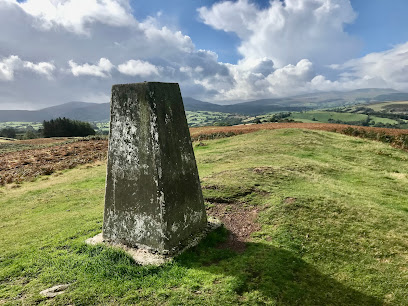
Brecon Beacons
8.6 km
Explore the breathtaking peaks, rich heritage, and star-studded skies of Wales’ iconic Brecon Beacons National Park.
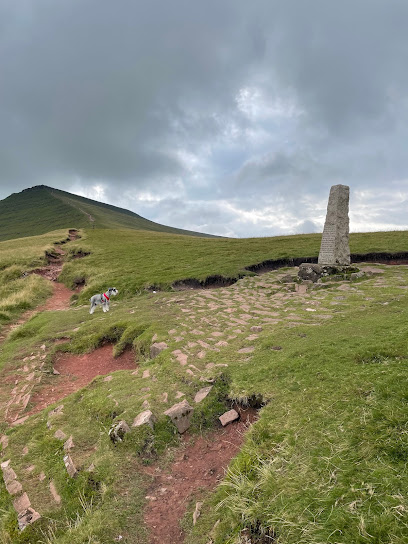
Sgwd Isaf Clun-Gwyn
8.6 km
Discover the serene multi-tiered cascades of Sgwd Isaf Clun-Gwyn, a tranquil jewel on the Four Waterfalls Walk in Wales’ Brecon Beacons.
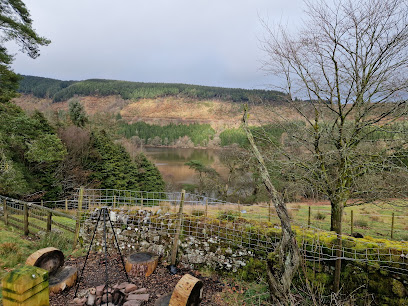
Cadair Fawr
8.7 km
Accessible mountain views across South Wales' rolling landscape, perfect for all abilities.
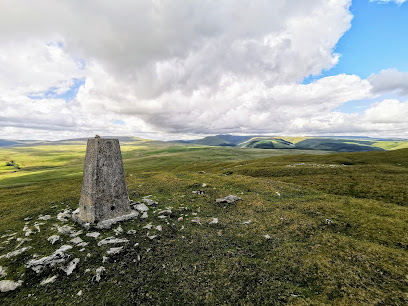
Essential places to dine

The Tanners Arms
8.5 km
Rustic Welsh pub and cozy B&B nestled in scenic Defynnog, offering hearty food, local ales, and warm hospitality near the Brecon Beacons.
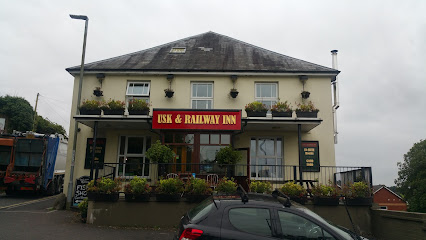
Usk & Railway Inn
9.6 km
Cozy country inn with hearty local cuisine and premium comfort near Brecon Beacons National Park.
Penycae Inn Ltd
9.7 km
Cozy gastropub in the heart of South Wales offering fine Welsh cuisine, scenic mountain views, and a unique family-friendly atmosphere.
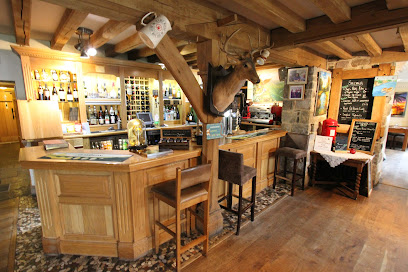
The Tai’r Bull Inn
9.9 km
A cosy Welsh country pub and B&B offering hearty fare, real ales, and warm hospitality in the heart of Brecon Beacons National Park.
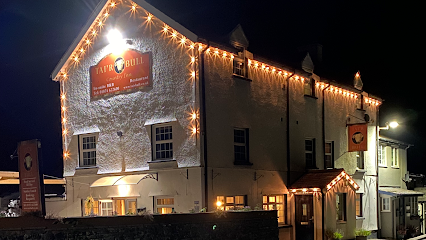
The White House
10.1 km
A charming country inn near Brecon Beacons offering warm hospitality, fresh local cuisine, and cozy rooms for a relaxing Welsh getaway.
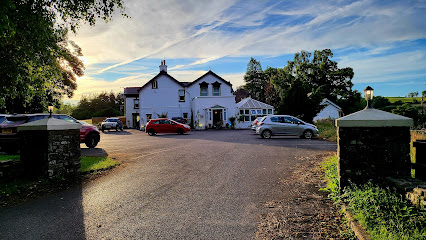
Castle Coaching Inn
10.8 km
Historic Welsh inn in Trecastle offering cozy rooms, traditional cuisine, and warm hospitality near Brecon Beacons National Park.
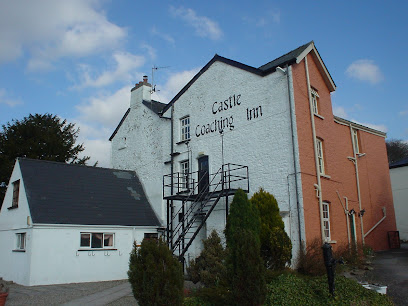
The Red Lion Inn, Penderyn
10.8 km
A cozy Welsh gastropub blending traditional charm, local flavors, and legendary roasts in the scenic village of Penderyn.
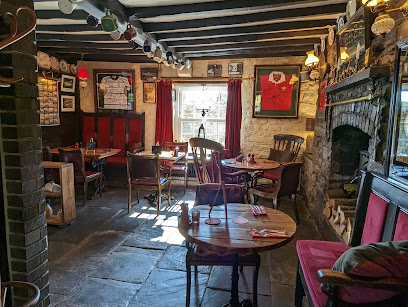
Abercrave Inn
11.7 km
A rustic Welsh country inn offering hearty home-cooked meals, cozy charm, and a peaceful rural retreat in Abercraf.
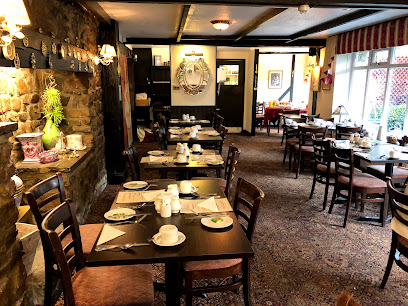
Gorkha & Khukuri
14.3 km
Savor authentic Nepalese cuisine in a serene Brecon setting, where tradition and flavor unite at Gorkha & Khukuri.
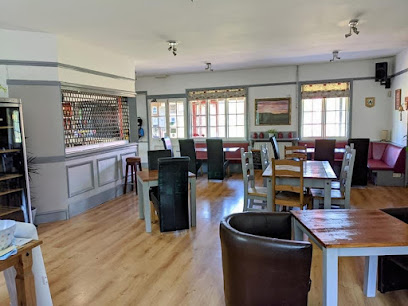
Carnivore By The Mine
15.0 km
A cozy meat-lover’s haven in Neath, blending hearty dishes with heartfelt mining heritage and warm local charm.
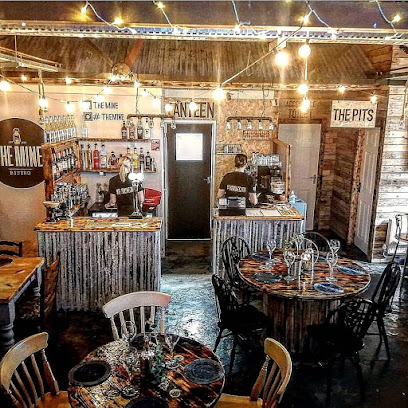
Aberglais Inn
15.2 km
Cozy pub and restaurant in Merthyr Tydfil offering hearty British classics, vegan and gluten-free options, with a warm, friendly atmosphere.
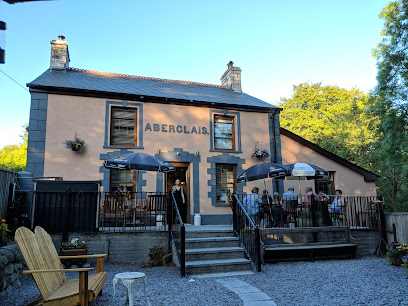
The Gurkha Corner
15.3 km
Experience authentic Nepalese and Himalayan cuisine with warm hospitality in the heart of Brecon at The Gurkha Corner.
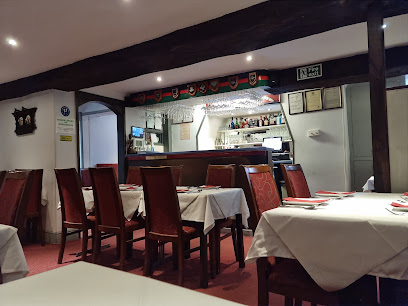
Tad cod
15.3 km
Savor authentic fish and chips at Tad Cod in Brecon – where tradition meets taste in every bite.
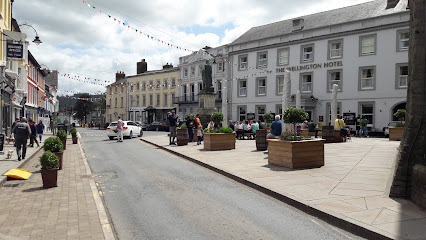
Brecon Tap
15.3 km
Experience authentic Welsh hospitality at Brecon Tap – a charming pub offering delicious food and drinks in the heart of Brecon.
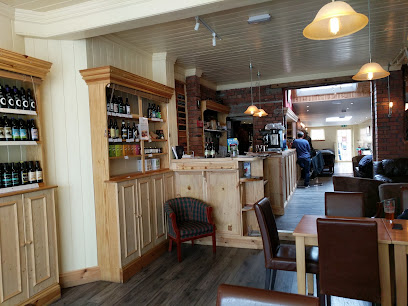
The George Hotel - JD Wetherspoon
15.3 km
A welcoming traditional pub and hotel in Brecon, offering hearty British fare and comfortable rooms near the Brecon Beacons.
Markets, malls and hidden boutiques

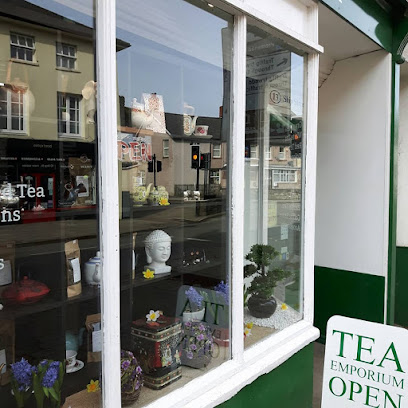
The UK Loose Leaf Tea Company Ltd
13.7 km
Discover ethically sourced, premium loose leaf teas and sustainable brewing essentials at The UK Loose Leaf Tea Company Ltd in Brecon.
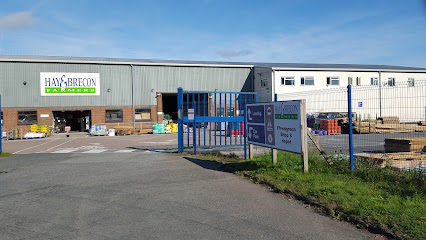
Hay & Brecon Farmers Brecon
13.9 km
Experience the best of local Welsh produce at Hay & Brecon Farmers Brecon, where freshness and quality meet a warm community spirit.
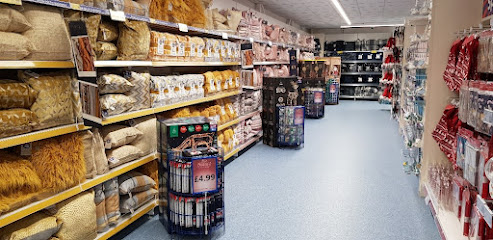
B&M Home Store with Garden Centre
14.0 km
Affordable shopping meets gardening passion at Brecon’s versatile B&M Home Store with Garden Centre.
Mind
14.4 km
Explore unique finds and support mental health initiatives at Mind Charity Shop in Brecon, where every purchase makes a difference.
CERTAS - BRECON
14.7 km
Discover convenience in Brecon with CERTAS, your one-stop shop for essentials, local treats, and friendly service.
Bi Ped Cycles
15.2 km
Biped Cycles: Your expert cycling partner in Brecon, offering quality bikes, certified e-bike servicing, and personalized care near the Brecon Beacons.
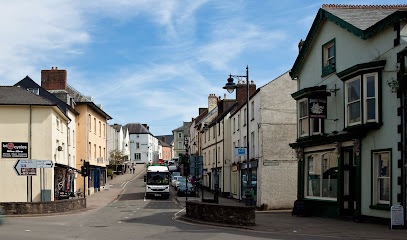
Bentley & Co Home Interiors & Coffee Shop
15.2 km
Discover stylish home interiors and savor homemade coffee and light lunches in the heart of Brecon’s charming Ship Street.
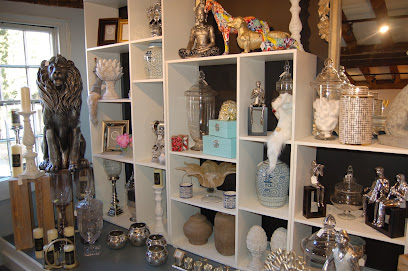
Kitty Keane's Vintage
15.2 km
Discover authentic Welsh vintage and handcrafted treasures at Kitty Keane's Vintage, a charming craft shop in the heart of Brecon.
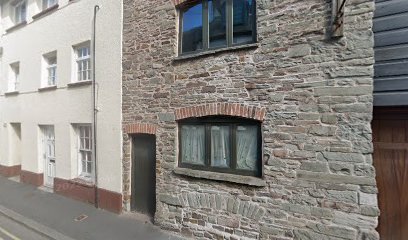
Dressed To Impress!
15.2 km
Family-run bridal and occasion wear boutique in Brecon offering elegant dresses and personalized service for all body types.
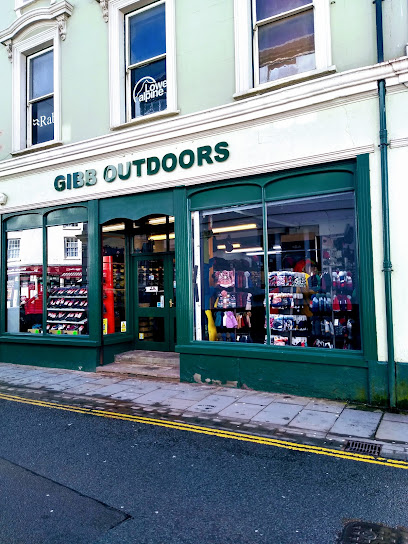
Gibb Outdoors
15.2 km
Trusted outdoor gear and expert advice in the heart of Brecon for all your Welsh adventures.
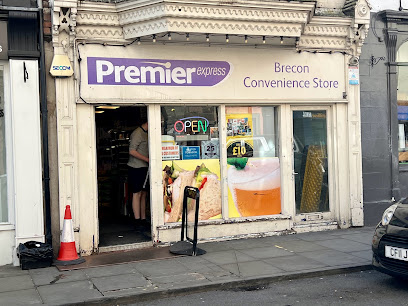
Premier
15.3 km
Your friendly, convenient stop for groceries and essentials in the heart of Brecon, open early to late every day.
Centre Of Attention
15.3 km
Award-winning florist and event decorator in Brecon, crafting bespoke floral designs and elegant venue transformations since 2011.
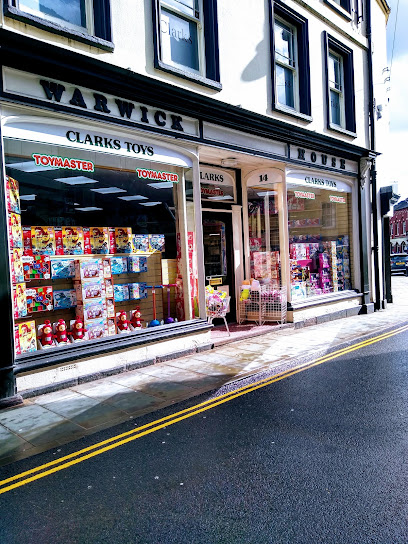
Clarks Toys
15.3 km
Discover timeless toys and local charm at Clarks Toys, Brecon’s welcoming high street treasure for families and collectors.
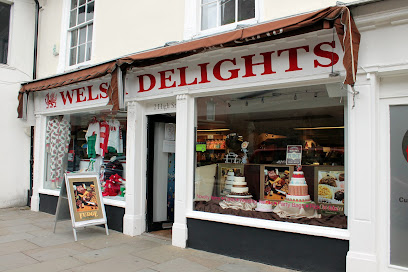
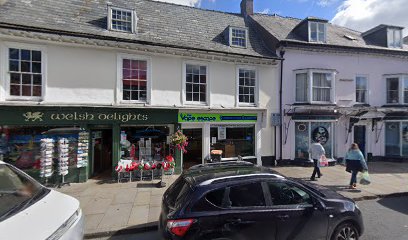
Welsh Delights
15.3 km
Discover authentic Welsh gifts and indulge in traditional clotted cream fudge at Welsh Delights, Brecon’s charming sweet and gift shop.
The Vapour Den
15.3 km
Explore Brecon’s vibrant vaporizing culture at The Vapour Den, your friendly local shop for expert advice and quality vaporizers.
Essential bars & hidden hideouts

Shoemakers Arms
13.9 km
Charming community-run pub in the heart of Brecon Beacons, offering warm hospitality and authentic Welsh cuisine in a rustic setting.
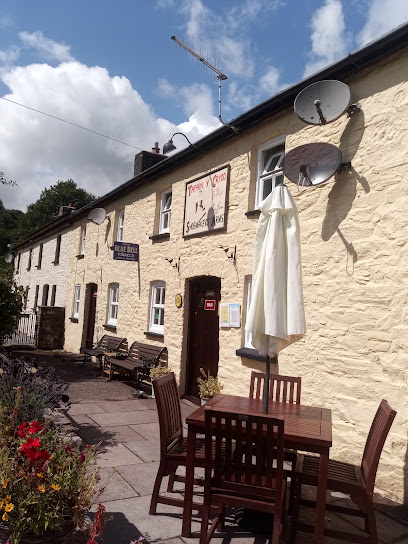
Drovers Arms
14.4 km
A welcoming Welsh village pub blending historic charm with hearty fare and friendly hospitality in the heart of Llanfaes, Brecon.
The Three Horseshoes Inn
14.8 km
A cosy Welsh village pub blending traditional charm with refined British cuisine and a warm, welcoming atmosphere.
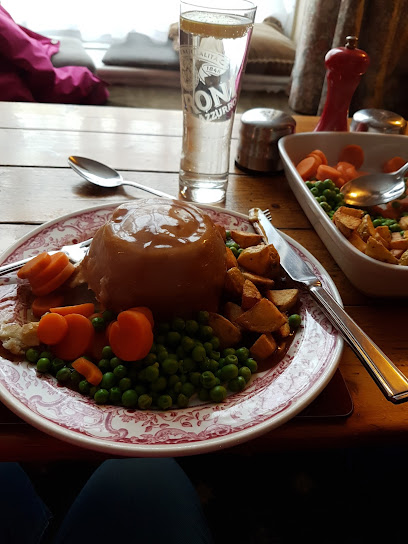
The Rorkes Drift
15.2 km
Historic Welsh pub in Brecon offering local ales, lively music, and a warm atmosphere inspired by the legendary Rorke’s Drift battle.
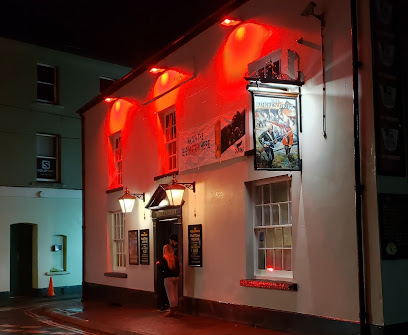
The Sarah Siddons
15.3 km
Experience authentic Welsh hospitality with local ales and lively atmosphere at The Sarah Siddons, Brecon’s beloved town centre pub.
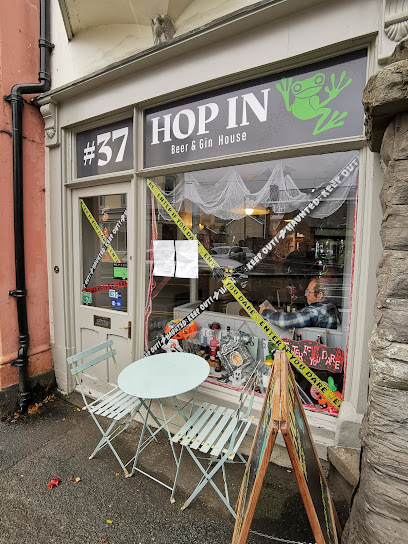
hop in beer and gin
15.3 km
Discover Brecon’s quirky bar with top-quality craft beers, artisanal gins, and delicious tapas in a cozy, historic setting.
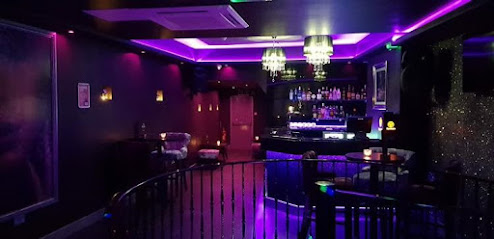
The Lounge Bar & Cafe
15.3 km
Brecon’s pioneering bar with a modern twist, offering signature cocktails, live music, and a welcoming atmosphere in the town centre.
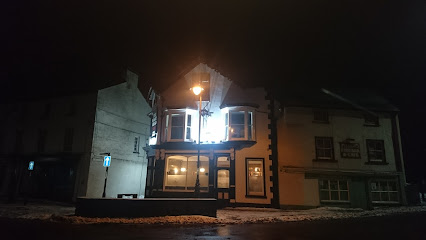
Markets Tavern
15.4 km
Traditional Welsh pub and welcoming hotel in Brecon offering hearty food, cozy rooms, and authentic local charm on Free Street.
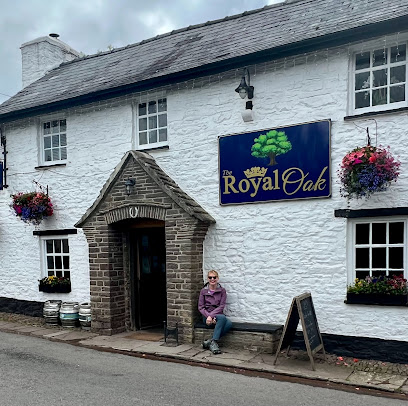
Royal Oak
17.8 km
Cozy Welsh pub in Pencelli offering traditional hospitality and local ales amidst the scenic Brecon Beacons.
The Pwllgloyw Arms
18.0 km
A cozy mountain pub in Powys offering hearty Welsh fare, local ales, and a warm, welcoming atmosphere year-round.
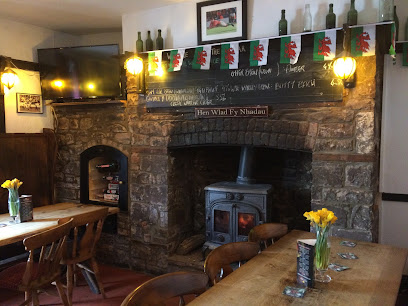
The Star Inn
19.2 km
A cozy and characterful pub with quality food and a sunny beer garden in the heart of Talybont-on-Usk, perfect for walkers and families alike.
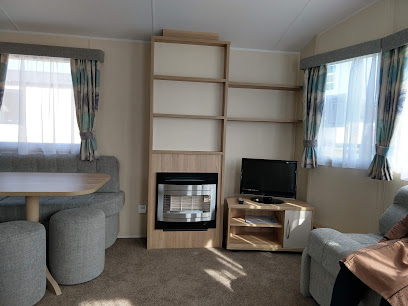
Lakeside Bar
22.0 km
Relax lakeside at this friendly pub within Brecon’s scenic caravan park, perfect for unwinding after exploring the Brecon Beacons.
Coach & Horses
22.1 km
Historic canal-side pub and inn in Llangynidr offering hearty Welsh fare, cozy rooms, and a warm, welcoming atmosphere.
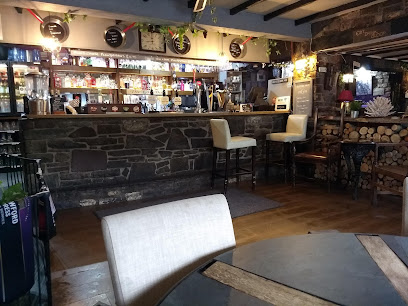
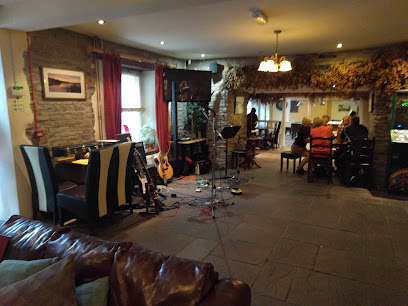
The Red Lion Llangorse
22.6 km
A welcoming Welsh gastropub in Llangorse offering seasonal local dishes, real fires, and a cozy atmosphere near the Brecon Beacons.
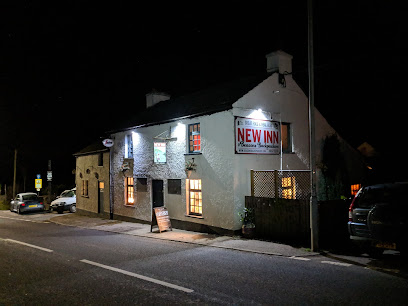
The New Inn
22.6 km
A cozy, affordable pub and backpackers’ haven in Bwlch, offering hearty food, friendly service, and a welcoming base for exploring the Brecon Beacons.
Nightclubs & after hour spots

Northcote Conservative Club
15.2 km
Discover the lively ambiance of Northcote Conservative Club, Brecon's premier destination for nightlife, music, and local culture.
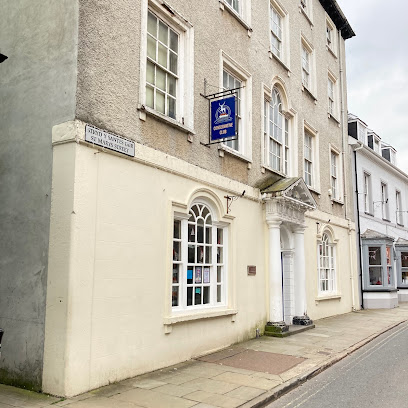
Brecon Jazz Club (Muse Arts Centre)
15.3 km
Discover the heart of jazz in Brecon at the Brecon Jazz Club, where live music and a vibrant atmosphere collide for an unforgettable night.
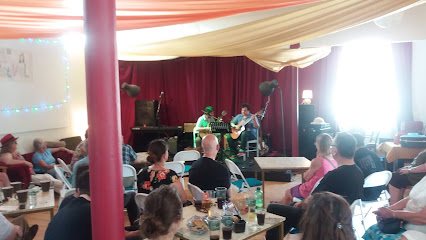
The Kirkhouse Nightclub (Koolers)
17.6 km
Experience the vibrant and friendly nightlife of Merthyr Tydfil at The Kirkhouse Nightclub, known locally as Koolers.
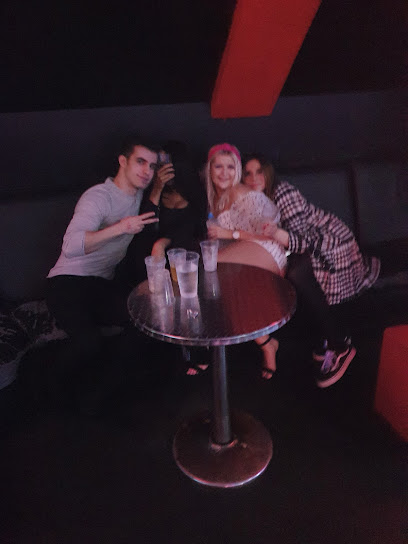
Pure Bar & Nightclub Ltd
18.0 km
A lively nightclub and cocktail bar in Merthyr Tydfil offering vibrant music, crafted drinks, and late-night entertainment in South Wales.
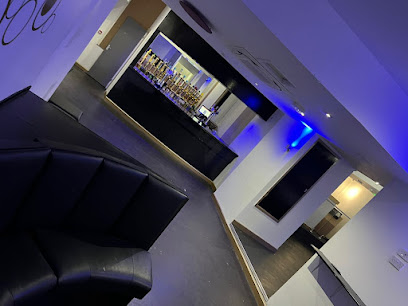
The Top Club
26.1 km
Experience Blaengarw’s vibrant nightlife at The Top Club, where electrifying entertainment meets community spirit in the heart of South Wales.
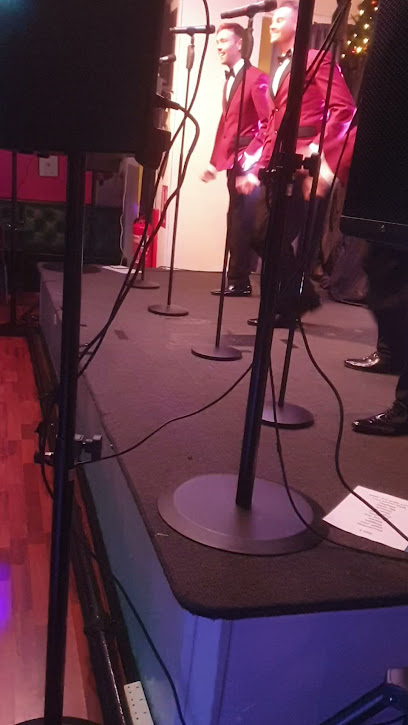
The Arch Bar & Nightclub
27.7 km
A lively Neath hotspot blending nightclub energy, live music, pub charm, and Thai cuisine in one vibrant venue.
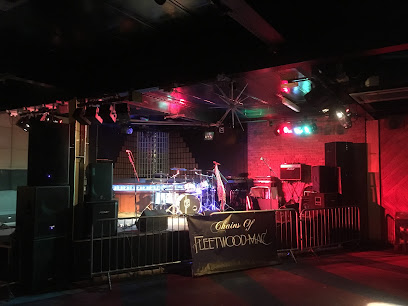
Squares Night club
29.6 km
Experience Porth’s vibrant nightlife at Squares Nightclub, where music, dance, and unforgettable evenings come alive every weekend.
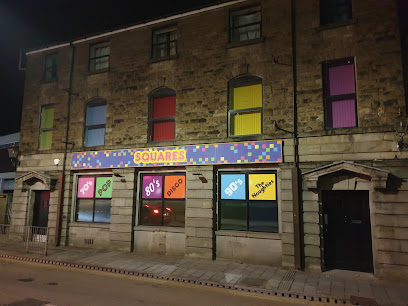
Jimmy's Bar
33.3 km
Experience the vibrant nightlife and live music scene at Jimmy's Bar, Port Talbot’s lively local hotspot with a welcoming atmosphere.
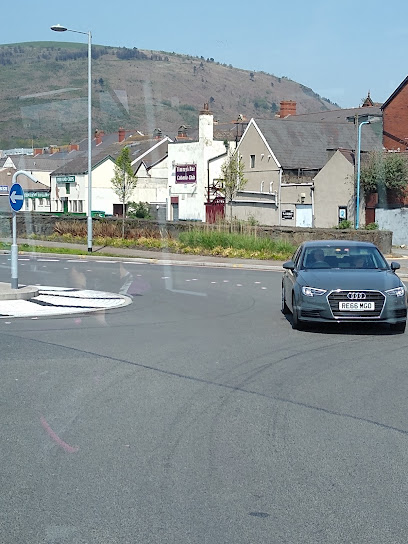
Jac’s Mansion
34.1 km
Experience welcoming, vibrant LGBTQ+ nightlife at Jac’s Mansion, Builth Wells’ iconic gay nightclub with a lively, inclusive atmosphere.
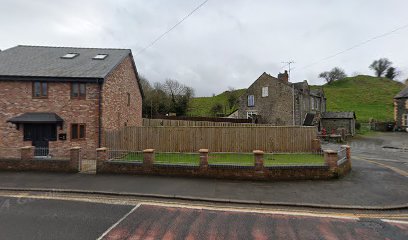
Eclipse Nightclub
34.4 km
Experience Pontypridd’s vibrant midweek nightlife at Eclipse Nightclub, where music, dancing, and community come alive every Wednesday night.
Popworld - Swansea
37.3 km
Experience Swansea’s energetic retro nightclub with affordable cocktails, themed events, and a lively dance floor in the heart of the city.
PlanB
37.6 km
Swansea’s energetic two-floor nightclub with a focus on dance music, lively DJs, and great drink deals for a night to remember.

Cuba Escape
37.6 km
Experience Swansea’s vibrant nightlife at Cuba Escape, where live music, energetic crowds, and a colorful atmosphere come together for unforgettable nights.
Sin City
37.8 km
Energetic Swansea nightclub with live music, affordable drinks, and a lively atmosphere on Dillwyn Street.
The Rainbow Rooms Bar & Club
38.9 km
Experience lively nights and vibrant music at The Rainbow Rooms Bar & Club, Gorseinon’s premier destination for unforgettable nightlife.
For the vibe & atmosphere seeker
- Tranquil
- Scenic
- Unique
- Quirky
For the design and aesthetic lover
- Rustic Designs
For the architecture buff
- Historic
- Landmarks
For the view chaser and sunset hunter
- Iconic Views
- Sunset Spots
For the social media creator & influencer
- Instagrammable
- Photo Spots
- Selfie Spots
For the eco-conscious traveler
- Protected Area
- Public-Transport Accessible
- Leave-No-Trace Critical
For the kind of experience you’re after
- Cultural Heritage
- Myth & Legends
- Nature Escape
- Day Trip
For how adventurous you want the journey to be
- Easy Access
Location Audience
- Family Friendly
- Senior Friendly
- Child Friendly
- Teen Friendly
- Wheelchair Access
- Solo Friendly
- Couple Friendly
- Vegetarian Friendly
- Vegan Friendly


