Llandaff Cathedral, South Glamorgan Travel Guide
Discover centuries of faith, art, and architecture at Llandaff Cathedral, Cardiff’s serene medieval landmark and vibrant spiritual home.
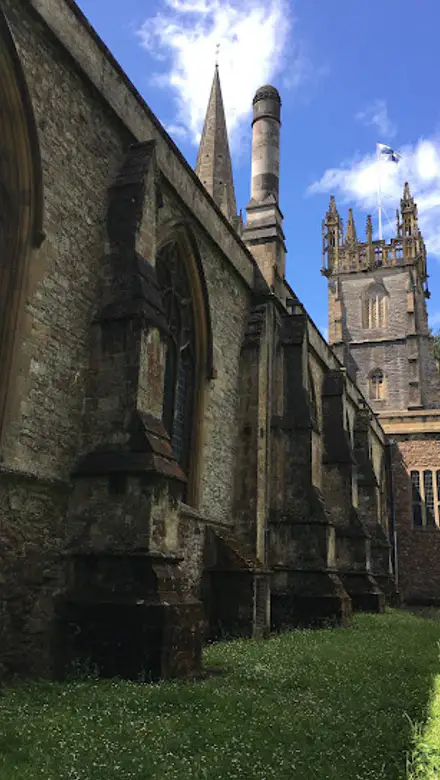
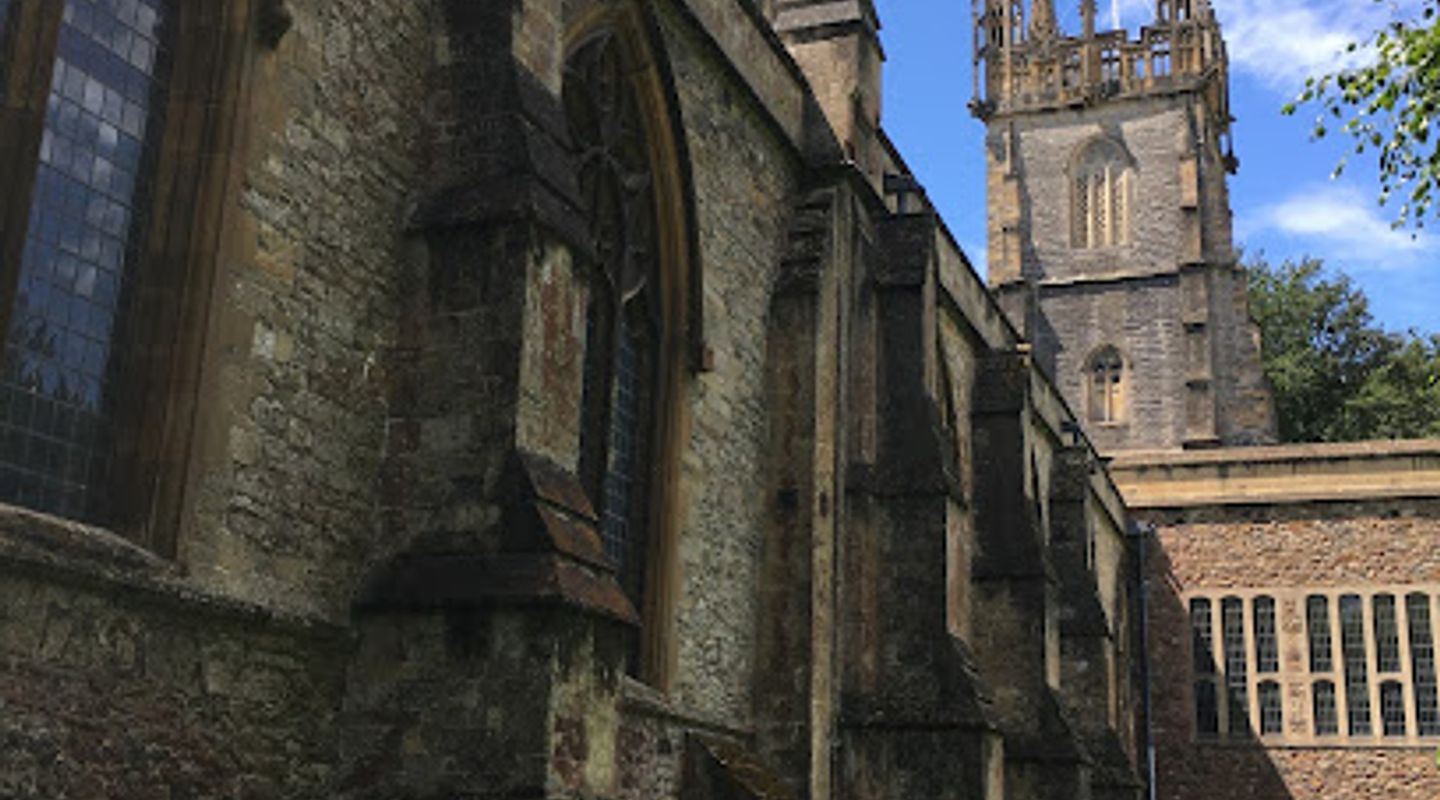
Llandaff Cathedral, nestled in the ancient city of Llandaff within Cardiff, is a remarkable religious and architectural landmark dating back to around 1120. This active cathedral blends medieval, Victorian, and 20th-century design elements, featuring notable artworks like Jacob Epstein’s 'Christ in Majesty' sculpture and George Pace’s innovative Pulpitum. Visitors can explore serene chapels, vibrant stained glass windows, and a tranquil setting amid the bustling city, welcoming all to worship, reflect, or tour its storied halls.
A brief summary to Llandaff Cathedral
- Cathedral Cl, Cardiff, CF5 2LA, GB
- Click to display
- Click to display
- Duration: 1 to 2 hours
- Free
-
 Outdoor
- Mobile reception: 4 out of 5
- Monday 8 am-6 pm
- Tuesday 8 am-6 pm
- Wednesday 8 am-6 pm
- Thursday 8 am-6 pm
- Friday 8 am-6 pm
- Saturday 8 am-6 pm
- Sunday 8 am-6 pm

Know before you go
Hi, I'm Eve. Here are a few practical things to know before exploring Llandaff Cathedral.
- Visit on weekday mornings for a quieter, more reflective experience with fewer crowds.
- Allow 1 to 2 hours to explore the cathedral fully, including its chapels, stained glass, and art.
- Take advantage of free parking nearby, especially off Llandaff High Street where the first two hours are free.
- Join a guided tour for detailed insights into the cathedral’s history, architecture, and artworks.
- Respect the cathedral’s role as an active place of worship by dressing modestly and maintaining quiet reverence.
Do you manage this location?
Take control to get all the benefits, like improved information, better appearance, and stronger visibility across AI-powered discovery. Learn more about listing your business on Evendo
Activate your presenceOther nearby places you may find interesting
The closest places of the same kind, if this one is not quite what you had in mind.
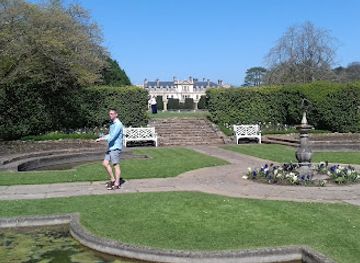
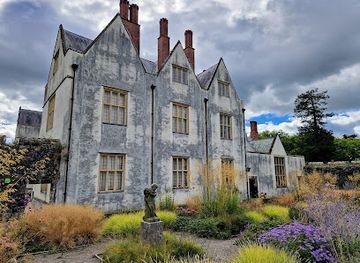
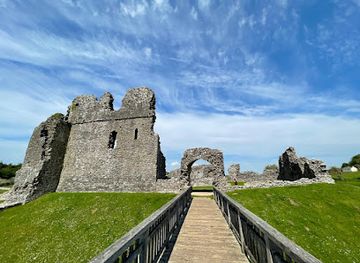
Explore Llandaff Cathedral on the Map
A handpicked selection of must-see spots near Llandaff Cathedral, mapped for you.
Unlock the Best of Llandaff Cathedral
Buy tickets
-
No tickets available
Book tours with entry


Getting There
-
Bus
Take Cardiff Bus routes 25 or 63, or Stagecoach route 122 to the Black Lion stop near Llandaff High Street. The journey from Cardiff city center takes approximately 25 to 30 minutes. Buses run regularly but check schedules for frequency and times.
-
Train and Walk
From Cardiff Central station, take a 10-minute train ride to Fairwater station, then walk 10 to 15 minutes along accessible paths to the cathedral. This option offers a scenic approach through the Llandaff area.
-
Car
Free and unrestricted street parking is available around the cathedral area. Additionally, a car park off Llandaff High Street offers free parking for the first two hours. Note that parking can be limited during special events.
For the on-the-go comforts that matter to you
-
 Restrooms
-
 Seating Areas
-
 Information Boards
-
 Visitor Center
Discover more about Llandaff Cathedral
Roots in Early Welsh Christianity
Llandaff Cathedral stands on one of the oldest Christian sites in Britain, with origins tracing back to the 6th century Celtic period. Dedicated to Saints Peter, Paul, Dyfrig, Teilo, and Euddogwy, it reflects the spiritual heritage of Wales. The site’s early significance grew under Bishop Urban in the 12th century, who initiated the construction of the present cathedral around 1120, marking a Norman architectural influence. The arch behind the High Altar and the west front, built circa 1220, are medieval masterpieces that anchor the cathedral’s historic character.Architectural Evolution and Restoration
Over centuries, Llandaff Cathedral underwent expansions and suffered damage, notably during the English Reformation and the 20th century’s World War II bombings. The post-war restoration led by architect George Pace introduced bold 20th-century interventions, including the striking Pulpitum structure that redefined the nave’s spatial experience. The South West tower and spire, completed in 1869 during Victorian restoration efforts by J.F. Seddon and John Pritchard, add to the cathedral’s layered architectural narrative.Artistic Treasures and Sacred Spaces
Inside, visitors encounter a rich collection of art and symbolism. Jacob Epstein’s 'Christ in Majesty' sculpture commands attention above the nave, embodying a powerful spiritual presence. The Lady Chapel offers a peaceful retreat with exquisite stained glass windows that bathe the space in vibrant colors. The cathedral also houses the Rossetti Triptych, medieval effigies, and a 10th-century Celtic cross, connecting visitors to centuries of religious artistry and devotion.A Living Place of Worship and Community
More than a historic monument, Llandaff Cathedral is an active center for worship and community life. It welcomes all visitors with inclusivity and warmth, offering regular services, special events, and pilgrim opportunities. The cathedral’s role as mother church of the Diocese of Llandaff underscores its ongoing spiritual significance in Wales, fostering a sense of home and belonging.Setting and Atmosphere in Llandaff
Situated within the conservation area of Llandaff, the cathedral enjoys a serene environment contrasting with the modern bustle of Cardiff. The surrounding grounds provide quiet spots for reflection, with benches and a small cemetery enhancing the contemplative atmosphere. Its prominent spire and historic stonework make it a visible landmark from afar, inviting visitors into a space where history, art, and faith converge.Visitor Experience and Accessibility
Llandaff Cathedral offers wheelchair access at both east and west entrances, with dedicated disabled facilities. Entry is free, supported by donations that help preserve this Welsh heritage site. Guided tours lasting 45 minutes to an hour provide in-depth insights into the cathedral’s history and art. The cathedral’s opening hours are generally from 8:00am to 5:30pm Monday to Saturday, and until 4:00pm on Sundays, though services and events may affect access.This blend of deep history, architectural innovation, and welcoming community spirit makes Llandaff Cathedral a must-visit destination for those exploring Cardiff’s cultural and spiritual landscape.












Your all‑in‑one travel companion app
Explore expert travel guides, compare and book tours, experiences, hotels, and more—all from the palm of your hand. Download now for seamless trip planning wherever your wanderlust takes you.


Explore More of South Glamorgan
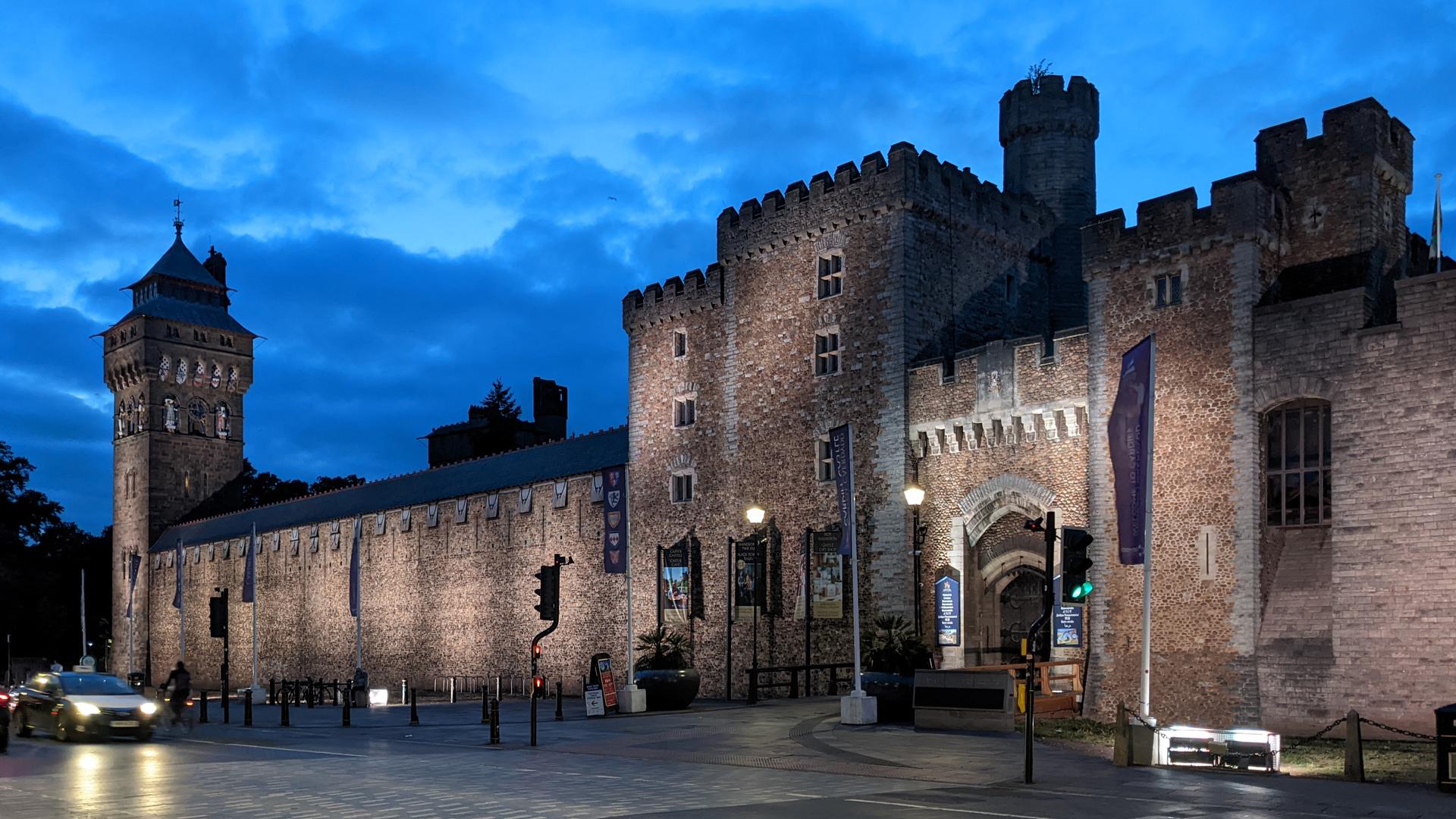
Looking beyond Llandaff Cathedral? Discover South Glamorgan for broader travel guides, local hot-spots, and regional highlights.
Explore South Glamorgan