

Cardiff Town Wall: Medieval Fortifications of Wales’ Capital
Explore the enduring medieval Cardiff Town Wall, a historic fortification blending ancient stonework with stunning views of the modern Welsh capital.
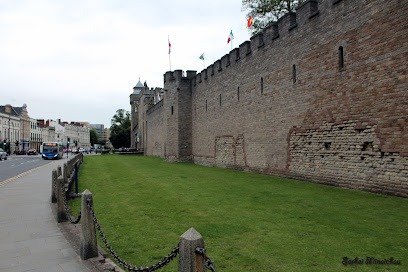
The Cardiff Town Wall is a historic medieval fortification originally built in the late 13th century to protect the growing town of Cardiff. Though much of the wall has vanished, two surviving sections offer a glimpse into the city’s defensive past, with sturdy stonework, battlements, and evocative views blending ancient history with modern Cardiff’s skyline. This landmark invites visitors to explore Cardiff’s rich heritage and the stories of resilience and community life embedded in its stones.
A brief summary to Cardiff Town Wall
- Town Wall, A4161, Cardiff, CF10 2AF, GB
- Duration: 0.5 to 2 hours
- Free
-
 Outdoor
- Mobile reception: 4 out of 5
Local tips
- Wear comfortable shoes as the wall’s surfaces and adjacent paths can be uneven and weathered.
- Visit early morning or late afternoon for softer light ideal for photography and fewer visitors.
- Combine your visit with nearby attractions like Cardiff Castle and the National Museum for a full historical experience.
- Bring a picnic to enjoy in nearby green spaces that offer views of the wall and city.
- Consider joining a guided tour to deepen your understanding of the wall’s history and significance.

For the on-the-go comforts that matter to you
- Information Boards
- Seating Areas
- Trash Bins
Getting There
-
Bus
Take Cardiff Bus routes 1, 2, or 8 from the city centre to stops near Cardiff Castle or The Hayes, then walk approximately 5-10 minutes to the Town Wall. Bus journeys typically last 10-15 minutes and cost around £2.00-£3.00 GBP. Services run frequently during the day but reduce in the evening.
-
Walking
From Cardiff city centre, a flat and accessible walk of about 15-20 minutes will take you to the Town Wall via St Mary Street and Castle Street. The terrain is mostly paved but some uneven surfaces near the wall require sturdy footwear.
-
Train
Arrive at Cardiff Central Station, then take a 20-minute walk through the city centre towards Cardiff Castle and the Town Wall. The walk is straightforward but includes some cobbled streets and slight inclines.
Cardiff Town Wall location weather suitability
-
 Any Weather
-
 Rain / Wet Weather
-
 Clear Skies
-
 Mild Temperatures
Discover more about Cardiff Town Wall
Origins and Historical Significance
The Cardiff Town Wall was constructed under the direction of Robert Fitzhamon, Lord of Glamorgan, with its earliest mention dating back to 1111. Initially, the town’s defenses were wooden palisades with gates on all sides, but by the late 13th century, these were replaced by formidable stone walls designed to protect the burgeoning medieval town. The wall enclosed Cardiff, serving as a critical barrier against invaders and marking the town’s importance in the region.Medieval Fortifications and Conflict
Throughout its history, the wall witnessed significant events, including damage inflicted by Owain Glyndŵr’s forces in 1404 during his Welsh uprising. Subsequent restoration efforts in the 15th century reinforced the walls, towers, gates, and ditches, reflecting the town’s strategic and economic importance. The wall featured five main gates—North, South, East, West, and the notable Senghennydd (North) Gate—each serving as vital access points for trade and travel.Decline and Preservation
By the 18th century, neglect led to the collapse of many wall sections, with stones repurposed for other buildings in Cardiff. The last large segment was demolished in 1901 to accommodate urban development. Today, only two sections of the medieval wall remain, preserved as historical relics that connect the present cityscape with its medieval roots. These remnants stand near Cardiff Castle and along Town Wall street, offering a tangible link to the past.Architectural Features and Visitor Experience
The surviving wall sections showcase typical medieval defensive architecture, including thick stone construction, battlements, and remnants of towers. Walking along these fragments, visitors gain insight into the craftsmanship and strategic design of medieval fortifications. The site provides scenic views where the ancient stonework contrasts with Cardiff’s modern urban environment, creating a unique atmosphere that blends history with contemporary life.Context Within Cardiff’s Historic Landscape
The Town Wall complements nearby historical landmarks such as Cardiff Castle, which itself has Roman origins and medieval expansions. Together, these sites narrate Cardiff’s transformation from a Roman fort to a medieval stronghold and finally to a vibrant modern capital. The wall’s proximity to central Cardiff makes it accessible for history enthusiasts exploring the city’s rich tapestry of heritage.Legacy and Cultural Importance
As one of the few remaining medieval structures in Cardiff, the Town Wall symbolizes the city’s resilience and historical depth. It stands as a monument to Cardiff’s medieval past, its strategic significance, and the community that once thrived within its defenses. The wall invites reflection on the passage of time and the layers of history embedded in the city’s fabric.Iconic landmarks you can’t miss

Cardiff Town Wall
0.0 km
Step back into medieval Cardiff with the ancient Town Wall, a striking relic offering history, architecture, and panoramic city views.
Historical Wales
0.1 km
Explore Historical Wales, a charming gift shop in Cardiff, offering unique souvenirs that embody the rich culture and heritage of Wales.
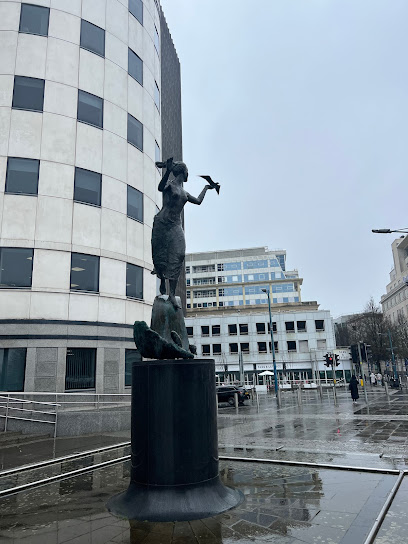
Nereid Statue
0.2 km
A bronze sea nymph offering mythological protection to Cardiff's maritime legacy
South African War Memorial
0.3 km
A poignant bronze and stone tribute in Cardiff honoring Welsh soldiers who served in the Second Boer War, embodying peace, war, and grief.

Fogo's Free Tours
0.3 km
Explore the vibrant history and culture of Cardiff with Fogo's Free Tours – an engaging experience for every traveler.
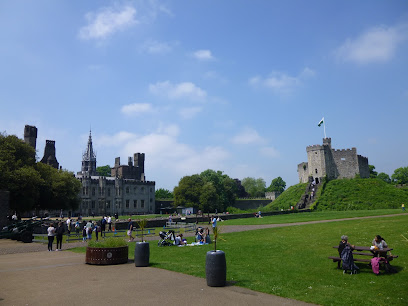
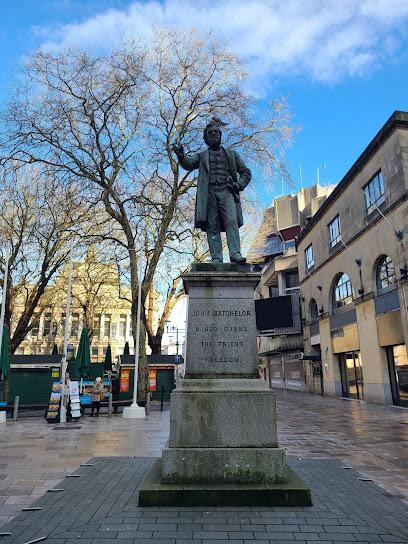
John Batchelor Statue
0.3 km
A Victorian radical immortalised in bronze, standing where Cardiff’s political battles once raged.
City Hall
0.4 km
Majestic Edwardian Baroque landmark and civic heart of Cardiff, crowned by a striking clock tower with a Welsh dragon.

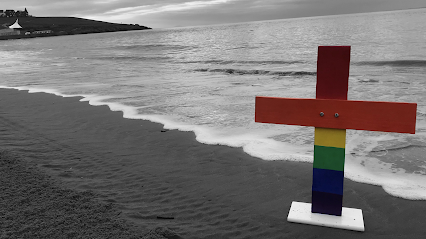
The Gathering - Cardiff
0.5 km
Victorian Neogothic landmark and active faith community in the heart of Cardiff
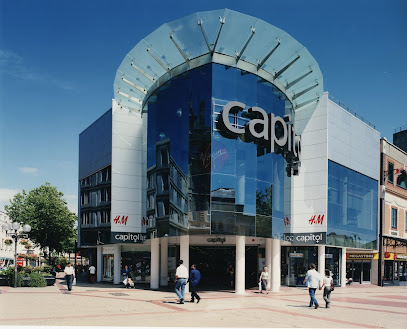
Capitol Cardiff
0.5 km
Discover the heart of Cardiff at Capitol Cardiff, a shopping center offering diverse retail options, dining experiences, and a taste of local culture.
Alexandra Gardens
0.5 km
Discover the beauty and history of Alexandra Gardens in Cardiff, a peaceful retreat filled with stunning landscapes and rich cultural significance.
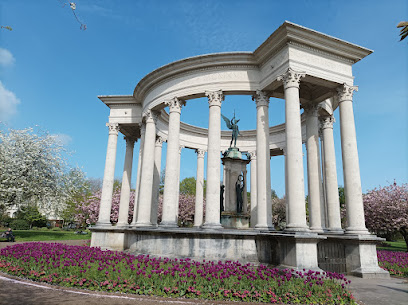
Wales National War Memorial
0.5 km
A solemn Gothic Revival monument in Cardiff honoring Welsh soldiers who sacrificed their lives in both World Wars.

RCCG Kingdom Of God Parish, Cardiff
0.5 km
Experience the warmth of community and spirituality at RCCG Kingdom Of God Parish, a welcoming Church of Christ in the heart of Cardiff.
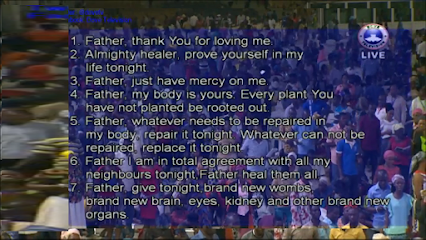
Mountain of Fire & Miracles Ministries Cardiff.
0.6 km
A dynamic Christian church in the Capitol Shopping Centre, offering daily worship, prayer, and community in the heart of Cardiff.
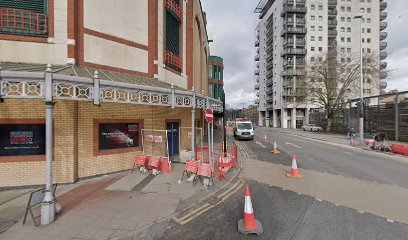
Cardiff International Film Festival
0.6 km
Discover the Cardiff International Film Festival, where cinema comes alive through captivating screenings and inspiring workshops in the heart of Wales.
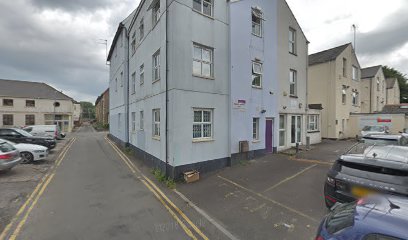
Parc Mackenzie
0.6 km
Discover the tranquil beauty of Parc Mackenzie, a lush park in Cardiff perfect for relaxation, strolls, and enjoying nature's charm.
Unmissable attractions to see

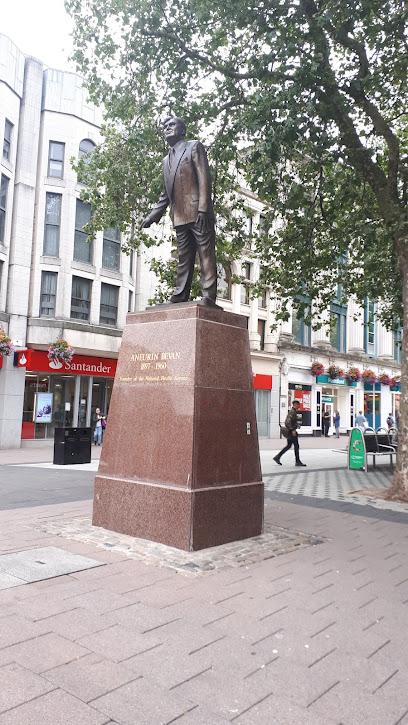
Aneurin Bevan Statue by Robert Thomas (1987)
0.1 km
A powerful bronze tribute in Cardiff to Aneurin Bevan, visionary founder of the NHS, sculpted by Robert Thomas in 1987.
Firing Line Cardiff Castle Museum of the Welsh Soldier
0.1 km
Discover the rich military heritage of Wales beneath Cardiff Castle in this immersive museum dedicated to the Welsh soldier.
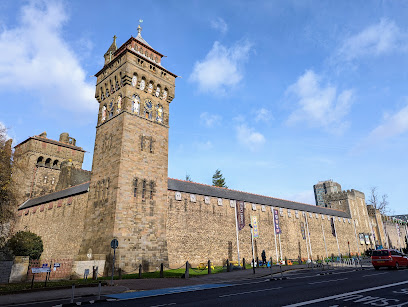
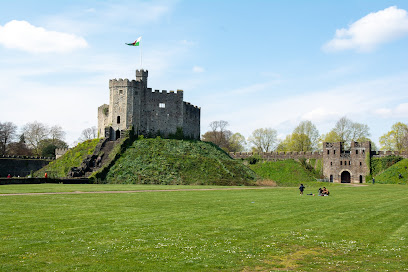
Cardiff Castle, Cardiff Castle
0.1 km
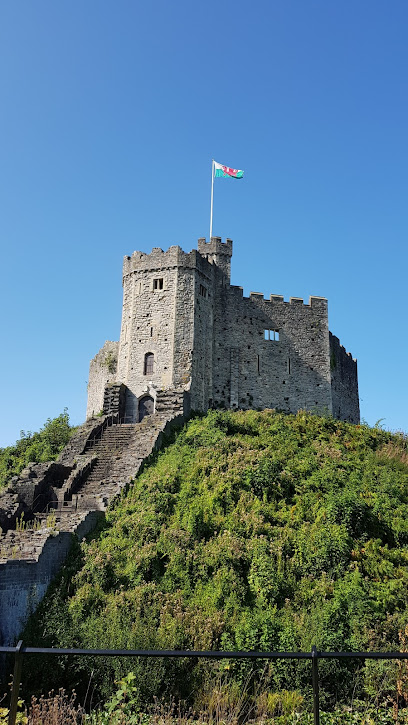
Discover Cardiff Castle, a majestic blend of Roman roots, Norman strength, and Victorian splendor in the heart of Wales’ vibrant capital.
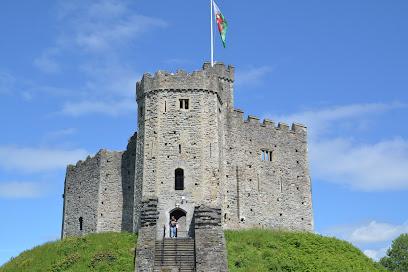
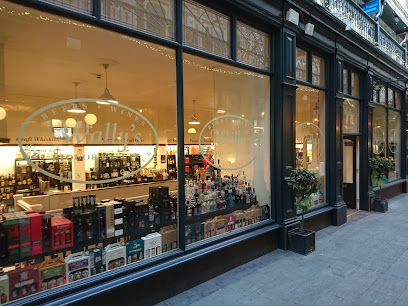
High Street Arcade
0.1 km
A beautifully preserved Victorian shopping arcade in Cardiff’s Castle Quarter, filled with independent boutiques, vintage shops, cafés, and historic charm.
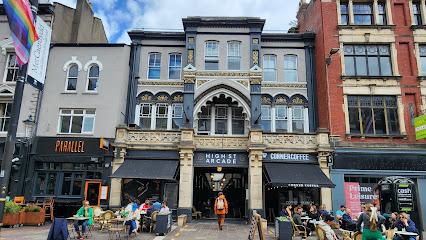
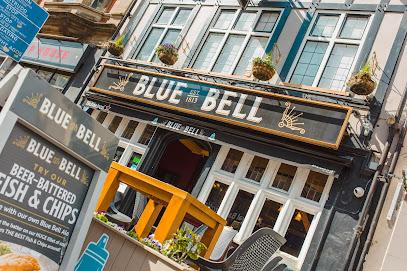
Blue Bell
0.1 km
Discover the charm of The Blue Bell, Cardiff's premier pub for traditional food, local ales, and a warm atmosphere in the heart of the city.
Cardiff Castle
0.1 km
Discover nearly 2,000 years of history and stunning architecture at Cardiff Castle, the heart of Wales’ vibrant capital city.

St John The Baptist City Parish Church
0.1 km
Cardiff’s oldest medieval church, blending historic grandeur with vibrant community spirit in the city centre.

Castle Quarter Arcades
0.2 km
Explore Cardiff’s historic Castle Quarter Arcades—Victorian charm, independent shops, and vibrant dining in the city’s heart.
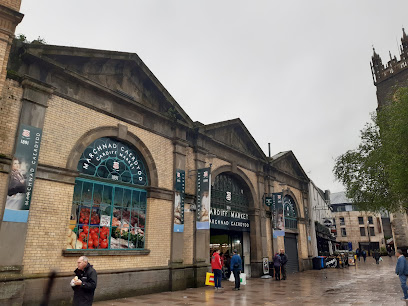
The Cardiff Market
0.2 km
Discover Cardiff Market’s vibrant Victorian charm, where fresh local produce and unique stalls create a lively city-centre shopping experience.
Cardiff Castle Museum
0.2 km
Wales' capital castle where 2,000 years of Roman, Norman, and Victorian history converge in the heart of Cardiff.
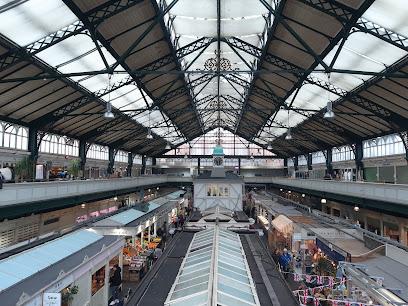
Cardiff Market
0.2 km
A bustling Victorian indoor market in Cardiff city centre, alive with fresh produce, street food, vintage finds and local character under a grand glass roof.
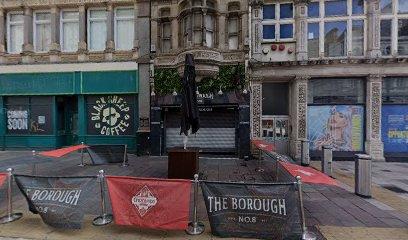
8 St Mary St
0.2 km
Historic Victorian commercial site in Cardiff’s Castle Quarter, blending rich heritage with vibrant city life.
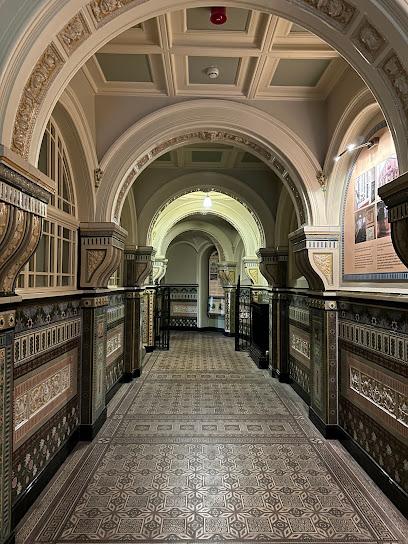
Museum of Cardiff
0.2 km
Explore Welsh art, natural history, and archaeology in Cardiff’s grand historic museum with free admission and rich cultural treasures.
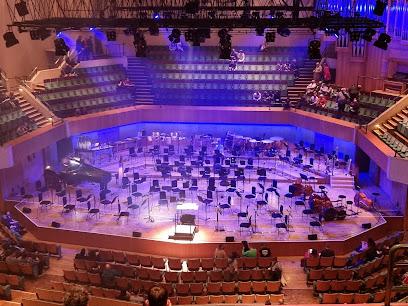
St David's Hall
0.3 km
Experience world-class acoustics and bold brutalist design at Cardiff’s iconic St David’s Hall, a vibrant cultural landmark in the city centre.
Queen St
0.3 km
Cardiff’s bustling Queen Street blends historic arcades with modern shopping and vibrant cafés in a lively pedestrian-friendly city centre hub.
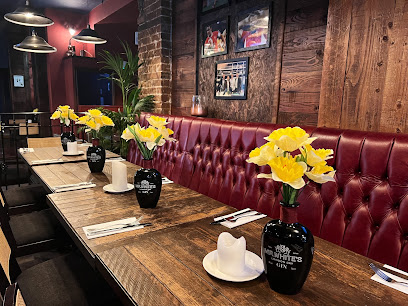
Essential places to dine

The Welsh House Cardiff
0.1 km
Experience authentic Welsh flavors and warm hospitality in the heart of Cardiff’s vibrant city centre.
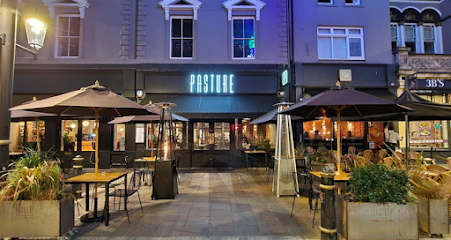
Pasture Restaurant Cardiff
0.1 km
Savor expertly crafted steaks and vibrant atmosphere at Pasture, Cardiff’s celebrated destination for premium meat dining.
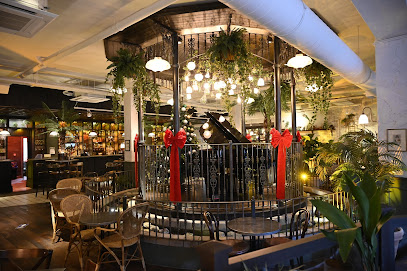
The Botanist Cardiff
0.1 km
A vibrant gastropub in Cardiff city centre where botanical décor, creative cocktails, and live music bloom together.
The Potted Pig
0.1 km
A stylish underground eatery in Cardiff serving seasonal Welsh-inspired modern British cuisine in a unique former bank vault setting.
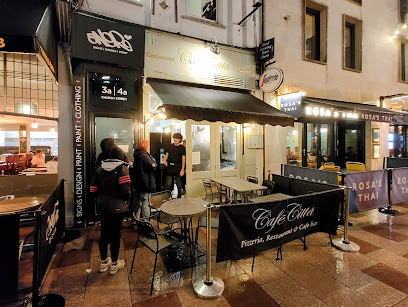
Cafe Citta
0.2 km
Cozy Italian eatery in Cardiff city center serving authentic wood-fired pizzas and pasta in an intimate, stylish setting.
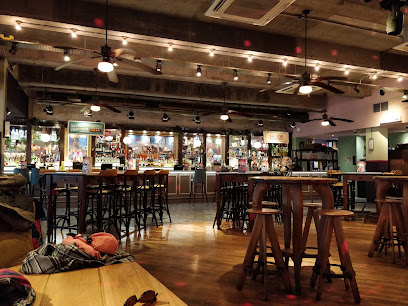
Revolución de Cuba Cardiff
0.2 km
Experience authentic Cuban cuisine and vibrant culture at Revolución de Cuba Cardiff - your gateway to Havana's flavors in the heart of Wales.
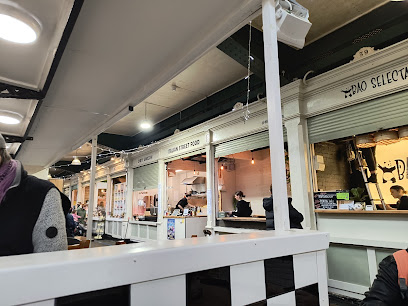
Dirty gnocchi (Cardiff Market)
0.2 km
Savor authentic Italian gnocchi and pasta delights in the vibrant heart of Cardiff Market, where tradition meets street food charm.
Maison de Bœuf
0.2 km
An intimate French steakhouse in Cardiff’s Castle Arcade, blending Parisian charm with live jazz and signature cuisine.
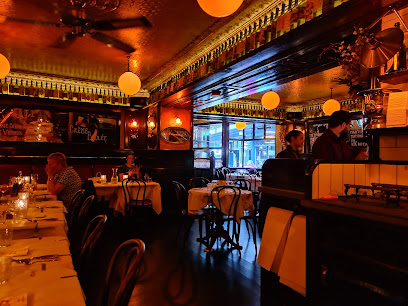
Asador 44 Spanish Grill & Wine House
0.2 km
Authentic Spanish charcoal grilling and fine wines in the heart of Cardiff’s vibrant city centre.
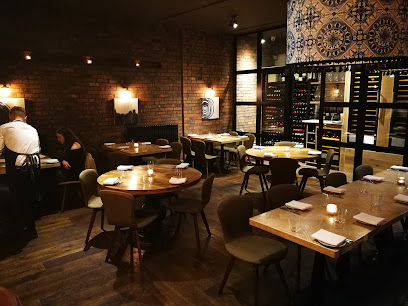
The Alchemist Cardiff
0.2 km
Experience the magic of mixology at The Alchemist Cardiff, where innovative cocktails meet exquisite dining in a vibrant atmosphere.
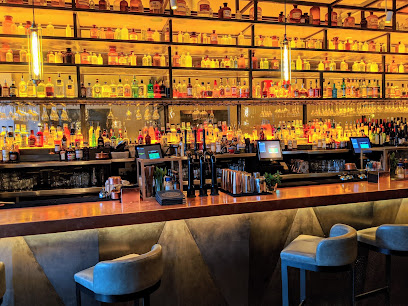
Turtle Bay Cardiff
0.2 km
Caribbean soul meets Welsh hospitality—bold jerk, tropical cocktails, and island warmth in Cardiff city centre.
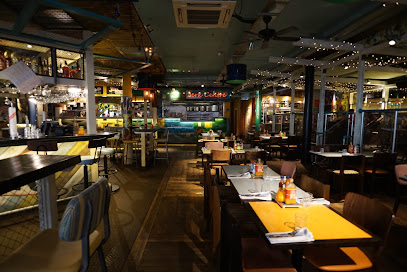
Casanova
0.2 km
A long-standing Cardiff trattoria serving authentic regional Italian food with warm service and an excellent all-Italian wine list.
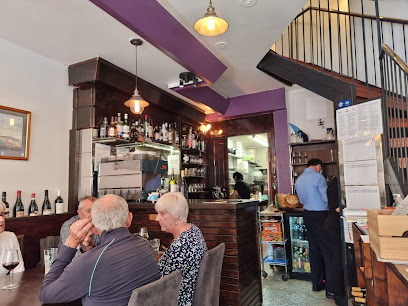
Bar 44 Cardiff
0.3 km
Authentic Spanish tapas and award-winning wines in Cardiff's vibrant Castle Quarter.
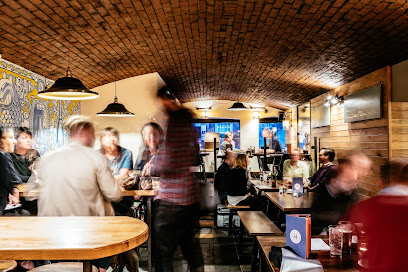
Laguna Kitchen & Bar Cardiff
0.3 km
Elegant modern dining with Welsh flair in the heart of Cardiff’s Park Plaza Hotel, featuring seasonal menus and a stylish cocktail bar.
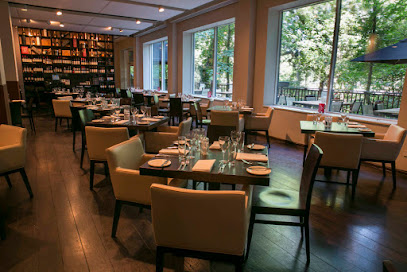
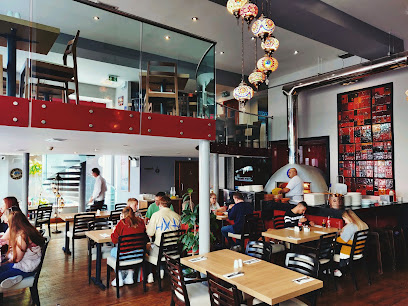
Lezzet Turkish Kitchen
0.3 km
Experience authentic Turkish cuisine with vibrant flavours and warm hospitality in the heart of Cardiff city centre.
Markets, malls and hidden boutiques

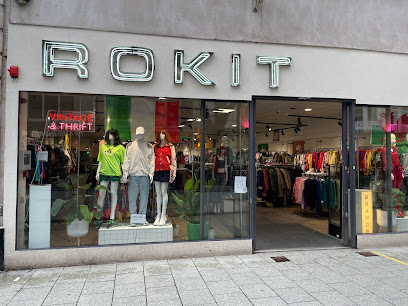
Rokit Cardiff
0.1 km
Discover unique vintage fashion and sustainable style at Rokit Cardiff, where retro charm meets eco-conscious shopping in the heart of the city.
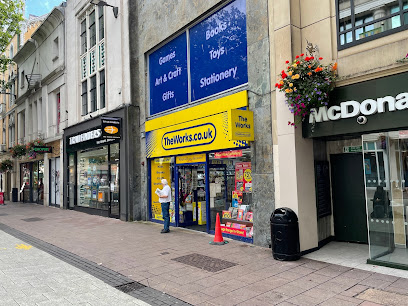
The Works
0.1 km
Affordable books, crafts, toys, and stationery in the heart of Cardiff’s vibrant Queen Street shopping district.
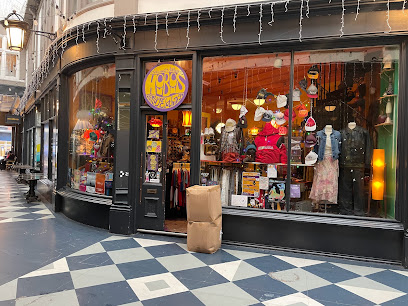
Hobos Vintage
0.1 km
A vibrant Cardiff vintage shop packed with retro fashion, trainers, and accessories from the 1950s to today – perfect for throwback style and bargain finds.
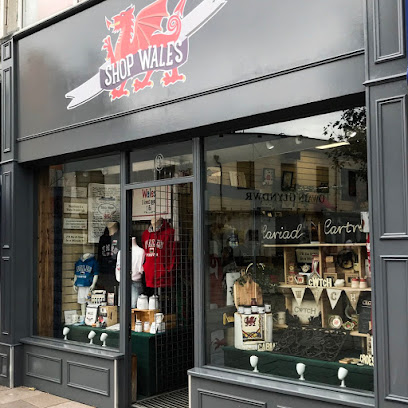
Little Welsh Company
0.1 km
Discover Cardiff's premier independent shop for authentic Welsh gifts, blending tradition with modern charm since 2003 on lively St John Street.
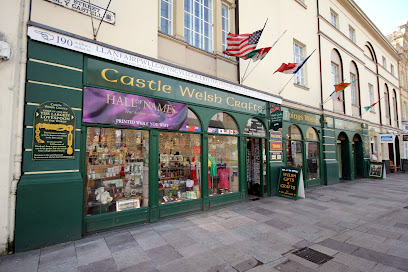
Castle Welsh Crafts Ltd
0.1 km
Discover authentic Welsh craftsmanship and personalized lovespoons opposite Cardiff Castle at Castle Welsh Crafts.
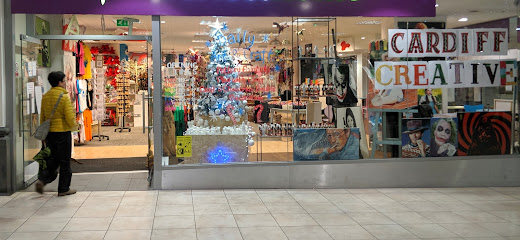
Cardiff Creative Shop
0.1 km
Handcrafted Welsh wonders from 45+ local artisans await in Queens Arcade's creative gem—unique gifts that sparkle with personality and heritage.
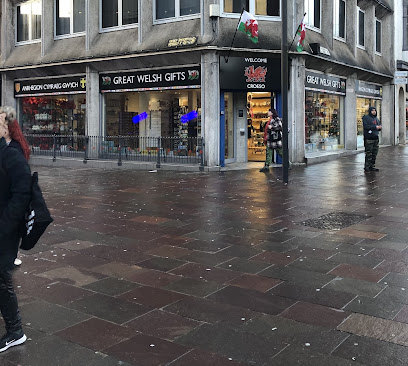
Great Welsh Gifts
0.2 km
Unearth authentic Welsh crafts, treats, and treasures on Cardiff's High Street—a delightful dive into Cymru's cultural heart at Great Welsh Gifts.
Knight Vintage
0.2 km
Discover unique vintage fashion treasures and exclusive KV collections in the heart of Cardiff Market’s vibrant historic setting.

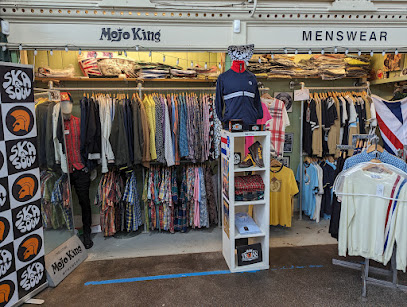
Mojo King
0.2 km
Discover smart, affordable Mod and Northern Soul-inspired men's fashion at Mojo King, a unique gem in Cardiff Indoor Market.
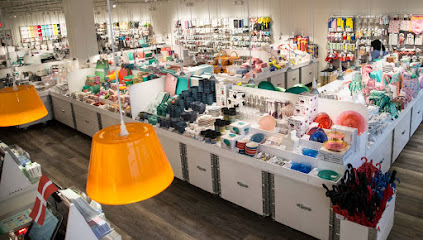
Flying Tiger
0.3 km
Discover quirky Scandinavian gifts and creative everyday essentials at Flying Tiger in Cardiff’s St David's Centre.
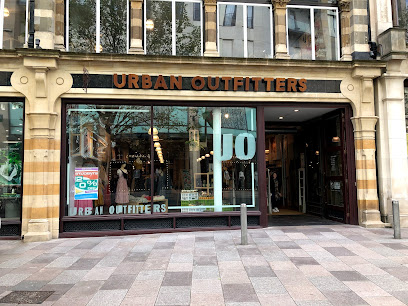
Urban Outfitters
0.4 km
Curated lifestyle retail celebrating creativity, fashion, and cultural expression in Cardiff's city centre.
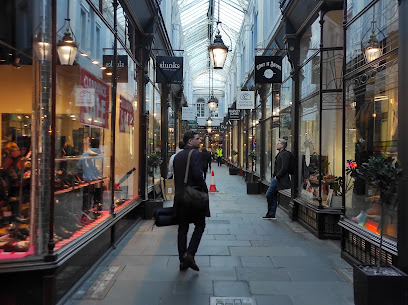
Morgan Quarter
0.4 km
Discover Cardiff’s charming Morgan Quarter, a historic Victorian arcade blending unique shops, cozy cafes, and timeless architecture in the city centre.
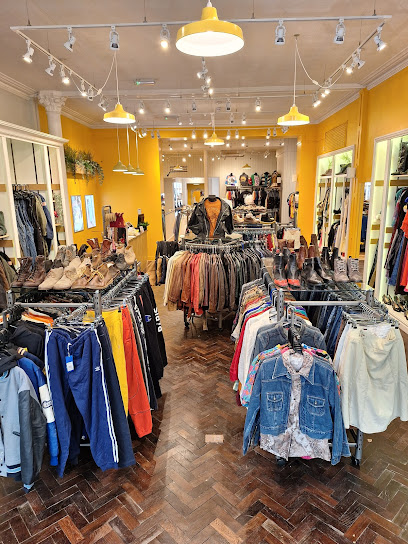
Beyond Retro Cardiff
0.4 km
Discover unique vintage fashion and sustainable style at Beyond Retro Cardiff, nestled in the vibrant St David's Centre.
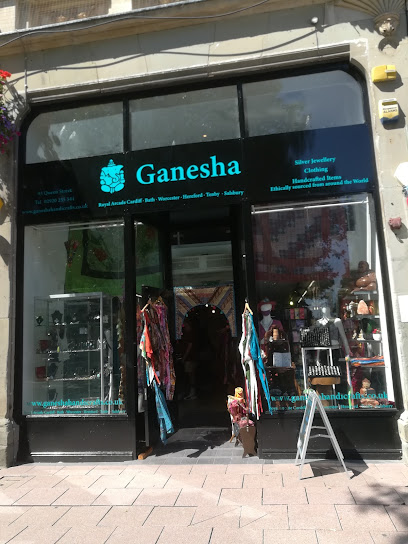
Ganesha
0.4 km
Discover ethically sourced Indian and Nepali handicrafts, jewelry, and vibrant clothing in the heart of Cardiff's Queen Street shopping scene.
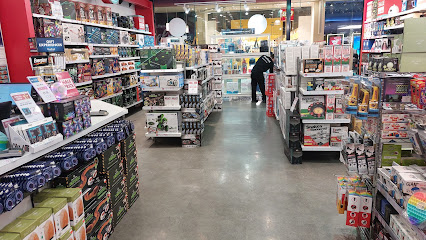
Menkind
0.4 km
Discover quirky gadgets and unique gifts for men at Menkind Cardiff, nestled in the vibrant St David's Shopping Centre.
Essential bars & hidden hideouts

The Live Lounge Cardiff
0.1 km
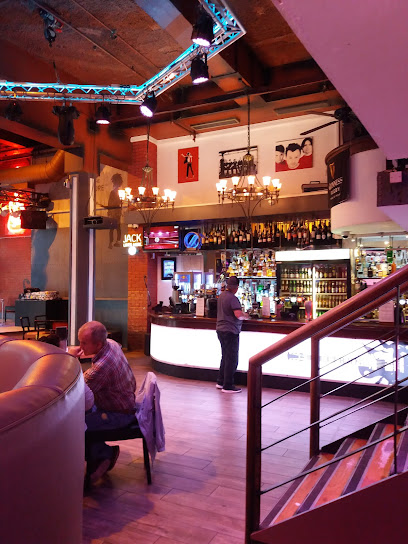
Cardiff’s lively hotspot for live music, affordable eats, and vibrant nightlife until 4am every day.
The Libertine Cocktail Bar
0.1 km
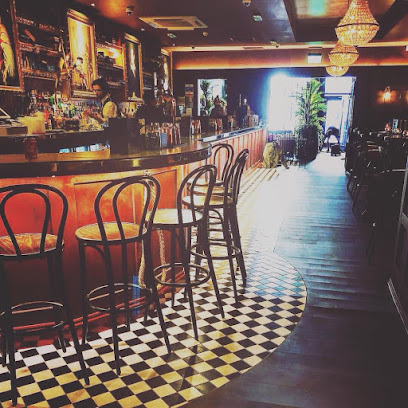
A stylish Cardiff cocktail bar blending gothic charm with expertly crafted drinks and a lively city center vibe.
Rum & Fizz
0.2 km
Discover Cardiff’s rum haven with over 200 rums, crafted cocktails, cozy elegance, and live jazz every Friday in Castle Arcade.
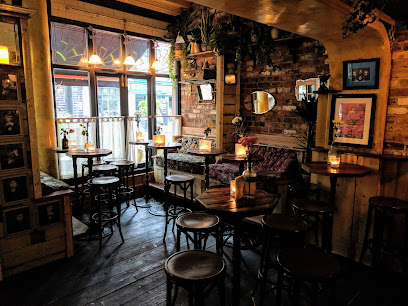
Slug & Lettuce - The Friary Cardiff
0.2 km
A lively, multi-level cocktail bar and casual-restaurant on The Friary — made for groups, brunch and evening drinks in central Cardiff.
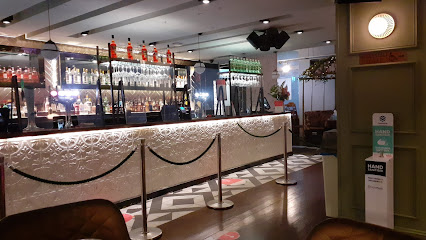
Revolution Cardiff
0.2 km
A multi‑level cocktail bar and late‑night club opposite Cardiff Castle, built for groups, events and colourful cocktail theatre.
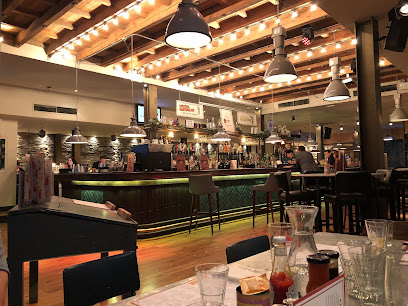
Penny
0.2 km
Discover Cardiff’s intimate cocktail haven with innovative drinks, expert bartenders, and a stylish, welcoming atmosphere at Penny.
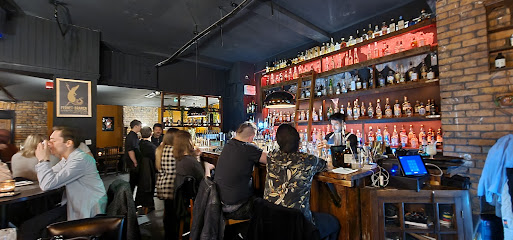
Flight Club Cardiff
0.2 km
Experience the thrill of Social Darts® and vibrant city nightlife at Flight Club Cardiff’s unique multi-level bar and rooftop terrace.
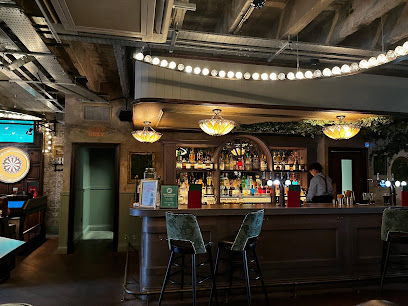
The Bootlegger
0.2 km
A vintage-flavoured Cardiff speakeasy serving expertly crafted cocktails and late-night live music on cobbled Womanby Street.
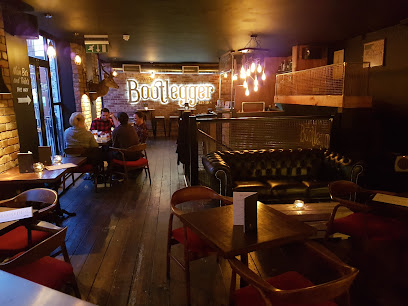
Tiny Rebel Cardiff
0.2 km
Discover Cardiff’s vibrant craft beer scene and lively pub culture at Tiny Rebel, a hub for award-winning brews and eclectic events.
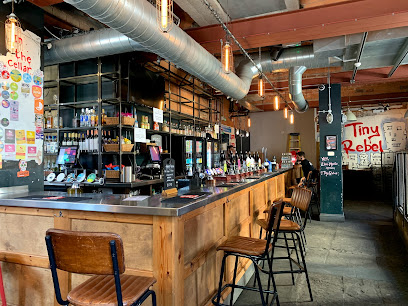
Yates - Cardiff
0.3 km
Lively sports bar and nightclub in Cardiff city centre with unbeatable sports coverage, great drinks, and a unique dancing doorman.
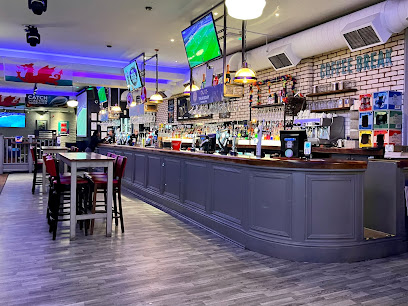
Glassworks
0.3 km
Lively Cardiff pub pouring Greene King ales, serving pub classics, and screening sports in the heart of the city center—perfect for meals, pints, and pre-event vibes.
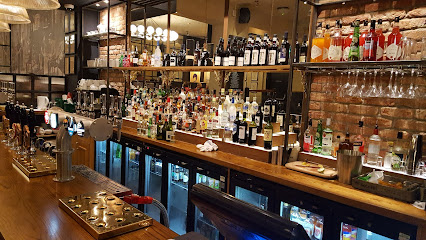
Main Stage
0.3 km
Cardiff's vibrant gay bar and cabaret club with lively drag shows, DJs, and a welcoming atmosphere in the heart of the city centre.

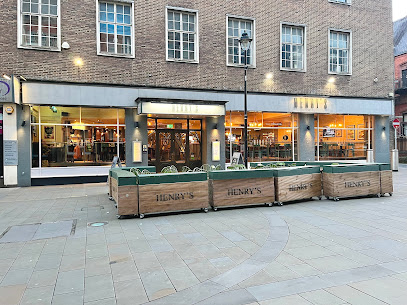
Henry's Cafe Bar Cardiff
0.3 km
A relaxed, long-standing Park Place bar offering cocktails, local beers and approachable British food from brunch through late-night.
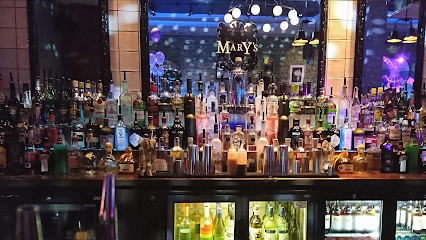
Mary's Cardiff
0.4 km
Experience Cardiff’s vibrant nightlife at Mary’s, a lively bar and nightclub blending modern lounge vibes with energetic party spirit.
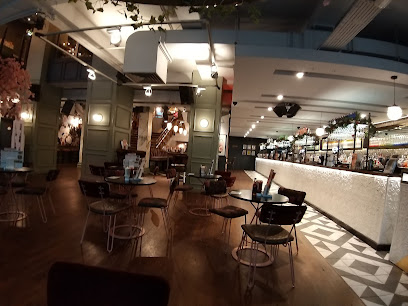
Slug & Lettuce - St Mary St Cardiff
0.4 km
Vibrant Cardiff cocktail bar on St Mary Street, famed for bottomless brunches, creative mixes, and lively nights in the city heart.
Nightclubs & after hour spots

For Your Eyes Only
0.1 km
Elegant and vibrant dance club in Cardiff’s city centre offering stylish interiors, live entertainment, and a lively nightlife atmosphere.
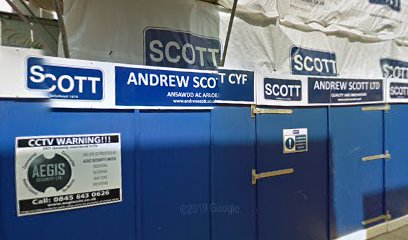
Clwb Ifor Bach
0.2 km
Cardiff's gritty Welsh club heart: live music legends, late-night dances, and cultural rebellion on historic Womanby Street since 1983.

Fuel Rock Club
0.2 km
Cardiff's unyielding rock fortress on Womanby Street: live metal mayhem, cheap drinks, and a beer garden for the faithful.
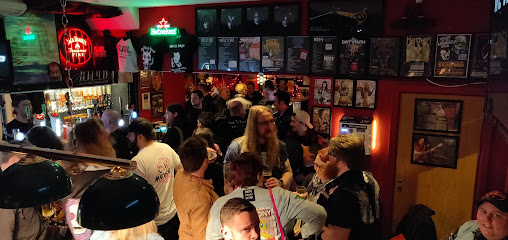
The CUBE
0.2 km
Cardiff’s vibrant nightclub hotspot offering dynamic music, dancing, and an electric atmosphere in the heart of the city.
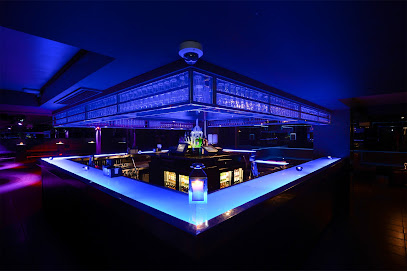
Tiger Tiger Cardiff
0.2 km
A dynamic nightclub with themed rooms and diverse bars offering a vibrant nightlife experience in the heart of Cardiff.
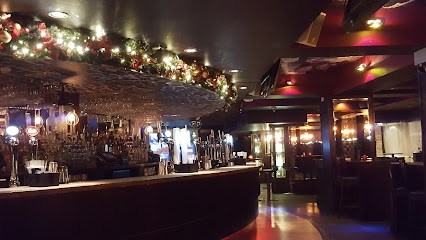
CIRCUIT Cardiff
0.3 km
Cardiff's largest nightclub ignites Greyfriars Road with 1,500-capacity energy, state-of-the-art production across themed rooms, and epic nights from club beats to private spectacles.
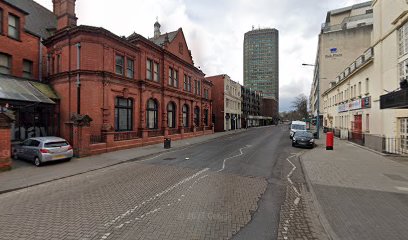
Metros
0.3 km
Cardiff's alternative nightclub haven: cheap drinks, eclectic DJs, and non-stop rock, ska, and indie beats fueling wild weekends till 4am.

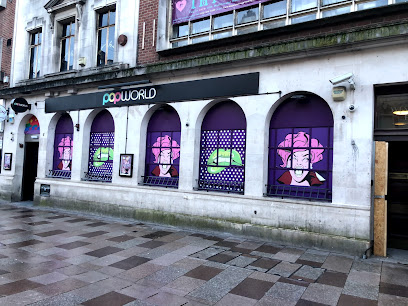
Popworld - Cardiff
0.3 km
Dive into cheesy pop heaven at Popworld Cardiff—karaoke, half-price drinks, and dance floor anthems until 3am on vibrant St Mary Street.
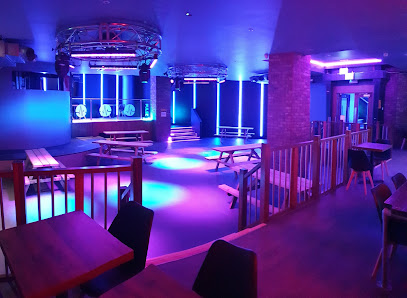
Pulse
0.5 km
A city-centre LGBTQ+-friendly bar that becomes a neon-lit nightclub after dark, blending casual daytime dining with late-night DJs and themed club nights.
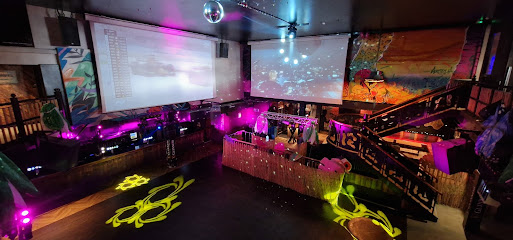
Walkabout - Cardiff
0.6 km
Discover the ultimate sports bar experience in Cardiff, offering vibrant nightlife, delicious food, and live sports in a lively atmosphere.
The Globe
1.7 km
A compact Grade II-listed former cinema turned lively live-music venue and nightclub, famed for intimate gigs and energetic club nights on Albany Road.
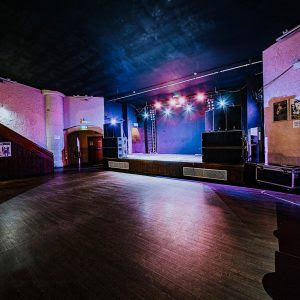
The Vaults
2.0 km
Dive into Cardiff’s iconic underground club housed in a historic former bank, where techno beats and vibrant nightlife come alive beneath the city streets.
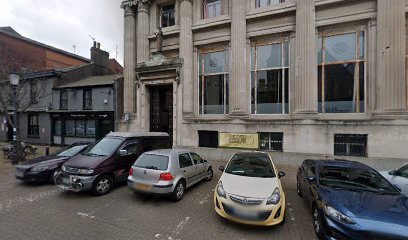
Cabaret at Wales Millennium Centre
2.3 km
Dive into Cardiff Bay's sizzling hub of drag, burlesque, comedy, and live music at Cabaret – where inclusive performances sparkle with pop culture magic and high-energy fun.

Coco Cubanas
11.6 km
Experience the vibrant weekend nightlife and energetic dance scene at Coco Cubanas, Barry’s premier late-night club on Broad Street.
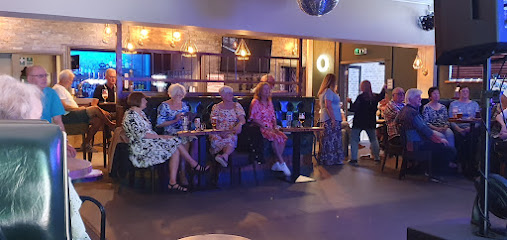
Bar Cocoa
11.6 km
Experience Barry’s vibrant weekend nightlife at Bar Cocoa, a lively nightclub where music and dancing keep the party going until the early morning.
For the vibe & atmosphere seeker
- Historic
- Scenic
- Tranquil
- Unique
For the design and aesthetic lover
- Rustic Designs
For the architecture buff
- Historic
- Landmarks
For the view chaser and sunset hunter
- Iconic Views
- Panoramas
For the social media creator & influencer
- Instagrammable
- Photo Spots
For the eco-conscious traveler
- Public-Transport Accessible
- Leave-No-Trace Critical
For the kind of experience you’re after
- Cultural Heritage
- Photowalk
- Day Trip
For how adventurous you want the journey to be
- Easy Access
Location Audience
- Family Friendly
- Senior Friendly
- Child Friendly
- Teen Friendly
- Wheelchair Access
- Solo Friendly
- Couple Friendly


