Floating Harbour, Bristol Travel Guide
Free Guide: Historic Bristol Floating Harbour: A vibrant waterfront blending maritime heritage, lively culture, and scenic waterside charm.


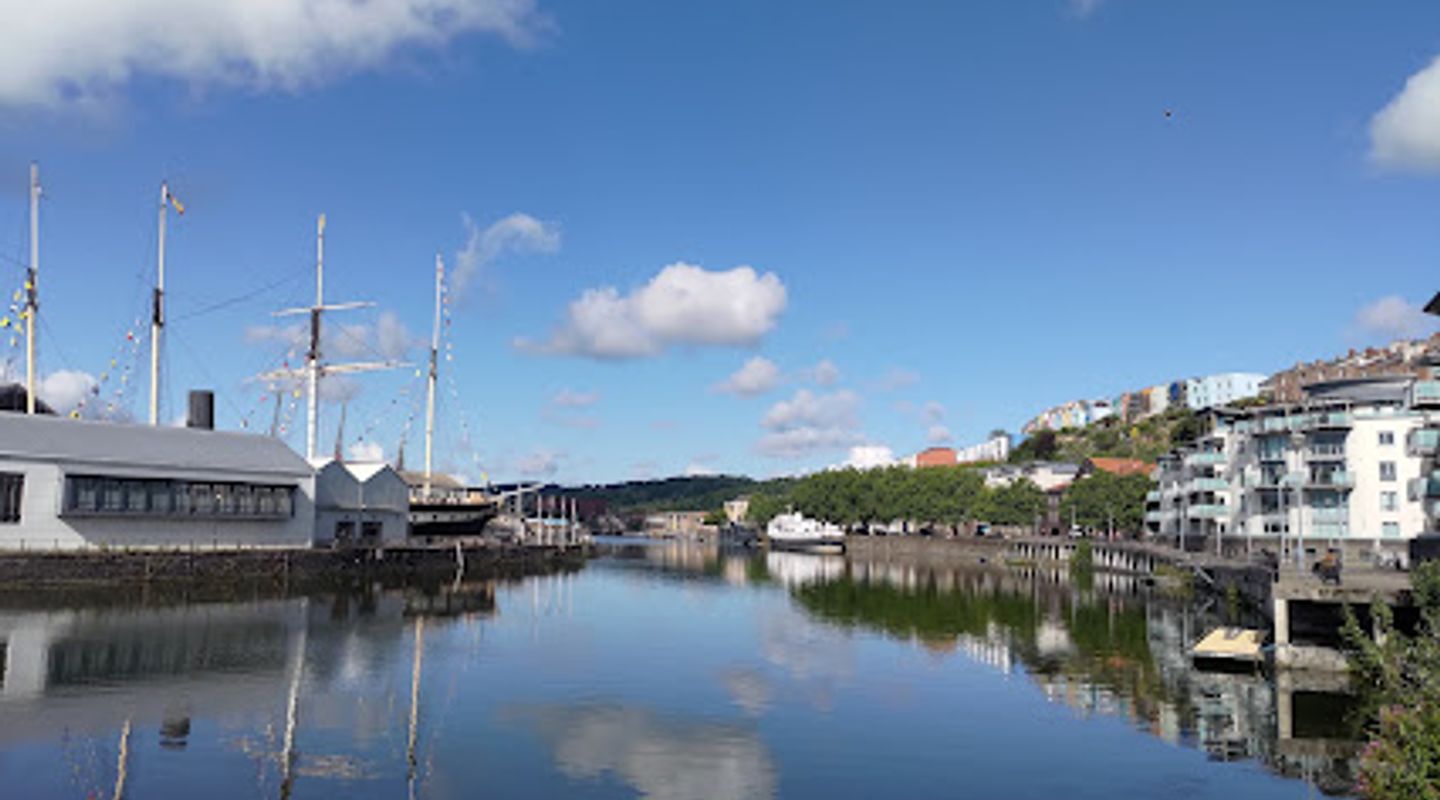
A brief summary of Floating Harbour
Historic Bristol Floating Harbour: A vibrant waterfront blending maritime heritage, lively culture, and scenic waterside charm.
Bristol Floating Harbour is a unique, tidal-independent waterway in the centre of Bristol, England, created in 1809 to maintain a constant water level for shipping. Today, it is a vibrant cultural and leisure hub featuring historic ships, museums, waterside bars, restaurants, and lively events. Visitors can enjoy scenic walks, boat tours, and explore the rich maritime heritage that shaped the city’s development.
On-site amenities
 Restrooms
 Drink options
 Food options
 Seating areas
 Information boards
Opening hours
- Every dayOpen 24 hours
Opening hours as listed on the venue’s Google Business Profile. Hours can change for services and special events, so check with the venue before you go.
- Address
- Welsh Back, Bristol BS1 4SP
- Phone
- Website
Getting there
Bus
Park and Ride
Taxi or Rideshare
Walking
Discover more about Floating Harbour
A Revolutionary Engineering Marvel
Bristol Floating Harbour was engineered in 1809 to solve the problem of the Bristol Channel’s extreme tides, which made traditional docking difficult. By diverting the River Avon and installing locks, the harbour maintains a constant water level, allowing ships to remain afloat at all times. This innovative design transformed Bristol into a major port and trading centre, facilitating the city’s growth during the Industrial Revolution. The harbour’s historic infrastructure, including locks, swing bridges, and quays, remains a testament to early 19th-century engineering ingenuity.
A Living Maritime Museum
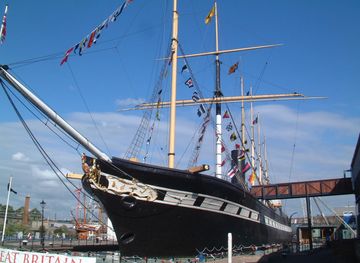
The harbour area is home to several significant maritime attractions, most notably Isambard Kingdom Brunel’s SS Great Britain, one of the world’s first iron steamships and a pioneering vessel in ship design. Nearby, the M Shed museum offers interactive exhibits on Bristol’s social and industrial history, including its maritime past and role in global trade. The Underfall Yard visitor centre provides hands-on displays explaining the harbour’s water management systems, including the original pumping engines that kept the docks operational for over a century.
Vibrant Waterside Culture and Leisure
Today, the Floating Harbour is a lively social and cultural destination. Its quays and waterfronts are lined with a diverse array of cafes, pubs, restaurants, and bars, offering cuisines from casual bites to fine dining. The harbour hosts regular markets, festivals, and events such as the annual Harbour Festival in July, which features water shows, competitions, and public access to usually restricted areas. Visitors can enjoy boat tours, water taxis, and paddleboarding, providing unique perspectives of the harbour and city skyline.
Architectural and Urban Charm
The harbour area blends historic warehouses and docks with modern developments, creating a distinctive urban landscape. The mix of preserved industrial architecture and contemporary design offers picturesque views and photogenic spots along the harbourside walkways. The constant water level allows for peaceful waterside strolls, enhanced by the sight of moored boats and occasional maritime activity, contributing to a relaxing and scenic atmosphere.
Accessibility and Visitor Experience
Bristol Floating Harbour is centrally located and accessible by numerous bus routes, with park and ride options nearby. The harbour is open year-round, with 24-hour access to the public spaces. Many attractions within the harbour have their own opening hours and may require tickets, especially for boat tours and the SS Great Britain. The area offers amenities including restrooms, seating areas, and information boards, making it suitable for families, solo travelers, and groups alike.
Environmental and Cultural Significance
As a protected urban waterway, the Floating Harbour supports local wildlife and contributes to Bristol’s sustainability efforts. It is managed to balance heritage preservation with contemporary urban use. The harbour’s role in Bristol’s cultural identity is celebrated through educational programs, exhibitions, and community events that highlight its historical and ongoing importance to the city’s maritime legacy.
Evendo Review Centre
 Google
Guest reviews
Best time to go
Quietest: Jan, Feb & Dec · at 1am or at 2am or at 3am
Busy times are Evendo estimates for a typical year, to help you plan. Actual crowds vary with events, school holidays and the weather.
Explore Floating Harbour on the map
A handpicked selection of must-see spots near Floating Harbour, mapped for you.
Get your free copy of our complete guide to Floating Harbour, delivered straight to you.
Everything on this page, from opening hours and how to get there to Eve’s tips and the best time to go, in one PDF you can read offline, print or share.
Already have an account? Sign in
Your Floating Harbour guide is ready.
We'll send it to · Not you? Sign out

Getting your guide ready…
We are putting together a fresh copy of the Floating Harbour guide. This can take up to a minute.
This can take a few moments. If your browser asks, choose Allow so the download can start. You'll find the guide in your Downloads folder.
Nothing happened? Download it again
Sorry, the guide is taking longer than usual. Please try again in a minute, or get it by email instead.
Unlock the best of Floating Harbour
Skip-the-line tickets, guided tours with entry, and walking tours of the area, booked in a few clicks.


Other nearby places you may find interesting
The closest places of the same kind, if this one is not quite what you had in mind.
-
Brunel's SS Great Britain Step aboard Brunel’s SS Great Britain in Bristol to experience Victorian maritime innovation and the genius of a pioneering steamship designer.
-
Bristol Aquarium Discover vibrant marine life and interactive conservation experiences in the heart of Bristol’s harbourside at Bristol Aquarium.
-
M Shed Explore Bristol’s vibrant history and industrial heritage in a unique harbourside museum with panoramic views and interactive exhibits.
-
Bristol Museum & Art Gallery Explore Bristol’s rich art, history, and natural wonders in a stunning Edwardian Baroque museum with free entry and diverse exhibits for all ages.
-
The Red Lodge Museum Step into over 400 years of Bristol’s history at The Red Lodge Museum, a beautifully preserved Tudor house with Georgian charm and a secret Elizabethan garden.
Swipe for more places
More to explore near Floating Harbour

 Best experiences near Floating Harbour
 Best hotels near Floating Harbour
 Best landmarks near Floating Harbour
 Best attractions near Floating Harbour
 Best shops near Floating Harbour
 Best restaurants near Floating Harbour
 Best bars near Floating Harbour
Do you manage this location?
Take control to get all the benefits, like improved information, better appearance, and stronger visibility across AI-powered discovery.
Explore more
Explore more of Harbourside
Explore Harbourside in Bristol: A waterfront haven blending history, art, culture, and modern entertainment in a picturesque setting.
Explore Harbourside
Explore more of Bristol
Discover Bristol: A dynamic city where historical grandeur meets modern innovation, offering a rich tapestry of culture, art, and maritime heritage.
Explore Bristol