
8 St Mary Street, Cardiff
Victorian heart of Cardiff where historic architecture, shopping, and culture converge on a celebrated Welsh street.
A historic Victorian building located on Cardiff's principal shopping and cultural thoroughfare. St Mary Street is named after the medieval principal church of Cardiff and showcases an almost complete Victorian townscape with ornate architecture. This address sits at the heart of the city's vibrant commercial district, surrounded by shops, galleries, arcades, and cultural venues including nearby St David's Hall and Cardiff Castle.
A brief summary to 8 St Mary St
- 8 St Mary St, Cardiff, CF10 1AT, GB
- Duration: 1.5 to 4 hours
- Free
-
 Outdoor
- Mobile reception: 5 out of 5
Local tips
- Visit on a weekend to experience the lively atmosphere with street performers and local events that bring the historic street to life.
- Explore the covered arcades—Royal Arcade and Castle Arcade—which offer a unique shopping experience within beautifully preserved Victorian and Edwardian structures.
- Sample authentic Welsh cuisine at local eateries, particularly Welsh cakes, which are a specialty of the area's food culture.
- Take a guided walking tour to learn the fascinating architectural and social history of the buildings and street layout.
- Use St Mary Street as a base to access nearby landmarks including Cardiff Castle, St David's Hall, and the Animal Wall, all within easy walking distance.

For the on-the-go comforts that matter to you
- Restrooms
- Drink Options
- Drinking Water
- Food Options
- Seating Areas
- Sheltered Areas
- Trash Bins
- Information Boards
Getting There
-
Bus
Multiple bus routes serve the city center near St Mary Street. The main bus station is approximately 5–10 minutes' walk away. Journey times from surrounding Cardiff neighborhoods typically range from 10–25 minutes depending on origin. Buses run frequently throughout the day, with reduced service in the evening. Single fares are approximately 1.75–2.50 GBP depending on distance; day passes offer better value for multiple journeys.
-
Train
Cardiff Central Station is approximately 10–12 minutes' walk from St Mary Street, heading south toward Queen Street. Regional trains connect Cardiff to destinations across South Wales and beyond, with typical journey times of 30–90 minutes to major cities. Local services run frequently throughout the day. Standard single fares range from 3–15 GBP depending on destination; advance booking offers discounts.
-
Walking
St Mary Street is highly accessible on foot from most central Cardiff locations. From Cardiff Castle, the walk takes approximately 5–8 minutes heading southeast. From the National Museum Cardiff, allow 10–12 minutes heading south. The street itself is flat, well-paved, and pedestrian-friendly with clear signage. Walking is the most practical way to explore the immediate area and discover the arcades and side streets.
-
Parking
Street parking on St Mary Street itself is limited and subject to restrictions. Several multi-story car parks operate within 2–5 minutes' walk, including facilities near The Hayes shopping center and in the Cathays Park area. Parking charges typically range from 1.50–3.00 GBP per hour, with daily rates around 8–12 GBP. Disabled parking spaces are available near major attractions.
8 St Mary St location weather suitability
-
 Any Weather
-
 Mild Temperatures
Discover more about 8 St Mary St
A Street Named for Medieval Heritage
St Mary Street takes its name from the principal church of medieval Cardiff, establishing its deep roots in the city's spiritual and civic life. The street itself represents an almost complete Victorian townscape, a remarkable survival of 19th-century urban design that defines much of central Cardiff's character today. The ornate architecture along this thoroughfare reflects the confidence and prosperity of the Victorian era, when Cardiff was expanding rapidly as a major port and commercial center.Victorian Splendor and Architectural Character
Walking along St Mary Street reveals layers of architectural history. The buildings showcase the decorative exuberance typical of Victorian design, with elaborate facades, detailed stonework, and distinctive shopfronts that have been carefully preserved. The street maintains its original layout and proportions, allowing visitors to experience how a Victorian commercial street would have functioned and appeared. Many of the buildings retain their original features, including ornamental cornices, arched windows, and period detailing that speaks to the craftsmanship of the era.A Hub of Shopping, Culture, and Discovery
8 St Mary Street sits within one of Cardiff's most dynamic commercial and cultural zones. The immediate vicinity contains vintage shopping galleries, covered arcades dating back to the Victorian and Edwardian periods, and a grand central market. The Royal Arcade, completed in 1858, runs from St Mary Street through to The Hayes and remains the city's oldest covered walkway. The Castle Arcade, constructed in the 1890s, features grand arches and balconies and houses shops and eateries. These arcades represent a distinctive shopping experience that blends heritage architecture with contemporary retail and dining.Gateway to Cardiff's Cultural Landmarks
The location offers immediate proximity to several of Cardiff's most significant cultural institutions. St David's Hall, the city's premier concert hall and performing arts theatre, stands just a short walk away and hosts performances throughout the year. The historic St John The Baptist City Parish Church, a Gothic architectural masterpiece, is equally close. Cardiff Castle, with its Norman keep and opulent Victorian apartments, is accessible within minutes. The Animal Wall, adorned with whimsical sculptures, and the historic Cardiff Town Wall provide additional layers of artistic and medieval heritage within the immediate area.A Living Commercial Street
Beyond its historical significance, St Mary Street remains a vibrant, functioning commercial street. The area bustles with activity, particularly on weekends when street performers and local events enliven the thoroughfare. Numerous eateries line the street, many offering authentic Welsh cuisine and traditional Welsh cakes. The side streets branching from St Mary Street reveal unique shops and hidden gems showcasing local craftsmanship. Pubs such as the Rummer Tavern and The Blue Bell offer traditional food, local ales, and warm atmospheres that reflect Cardiff's social character.Historical Continuity and Urban Evolution
The street's history extends beyond the Victorian period. Historical records document a town hall built in 1849 on St Mary Street, which stood until 1913, representing the evolving needs of a growing city. Nearby, the site of the Custom House Bridge, which once spanned the Glamorganshire Canal, marks another chapter in Cardiff's industrial past—the canal was filled in during the 1950s as the city's economy and urban form transformed. These layers of history, visible in the architecture and street layout, tell the story of Cardiff's development from medieval settlement to Victorian commercial hub to modern capital city.Iconic landmarks you can’t miss

Fogo's Free Tours
0.2 km
Explore the vibrant history and culture of Cardiff with Fogo's Free Tours – an engaging experience for every traveler.
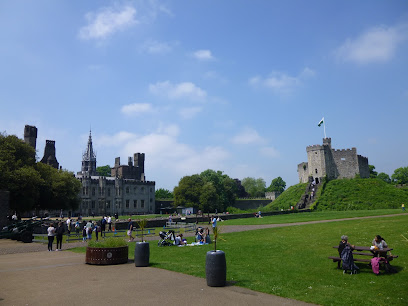
John Batchelor Statue
0.2 km
A Victorian radical immortalised in bronze, standing where Cardiff’s political battles once raged.
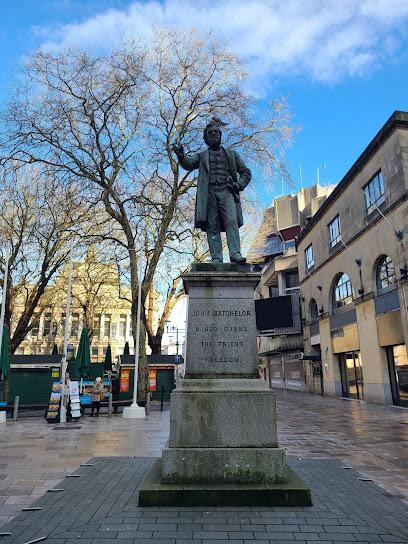
Historical Wales
0.2 km
Explore Historical Wales, a charming gift shop in Cardiff, offering unique souvenirs that embody the rich culture and heritage of Wales.
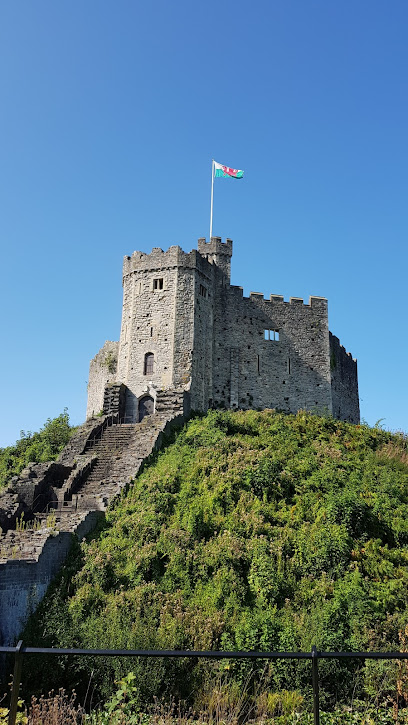
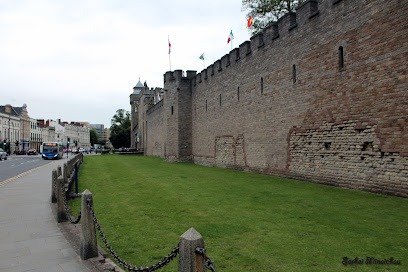
Cardiff Town Wall
0.2 km
Step back into medieval Cardiff with the ancient Town Wall, a striking relic offering history, architecture, and panoramic city views.
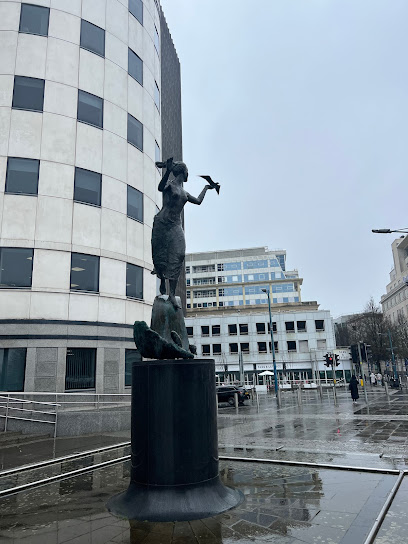
Nereid Statue
0.4 km
A bronze sea nymph offering mythological protection to Cardiff's maritime legacy
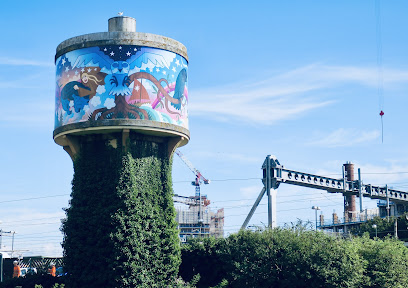
Cardiff Central Train Station Water Tower
0.5 km
A historic Grade II listed water tower overlooking Cardiff Central Station and the River Taff, symbolizing the city’s rich railway heritage.
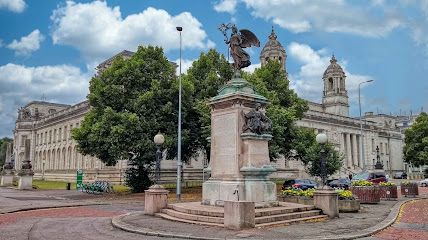
South African War Memorial
0.5 km
A poignant bronze and stone tribute in Cardiff honoring Welsh soldiers who served in the Second Boer War, embodying peace, war, and grief.
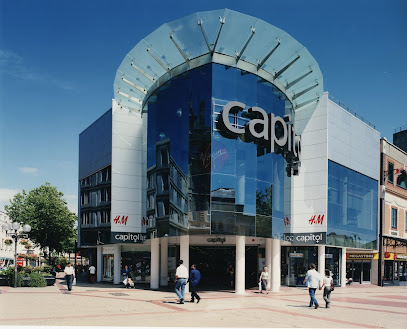
Capitol Cardiff
0.6 km
Discover the heart of Cardiff at Capitol Cardiff, a shopping center offering diverse retail options, dining experiences, and a taste of local culture.
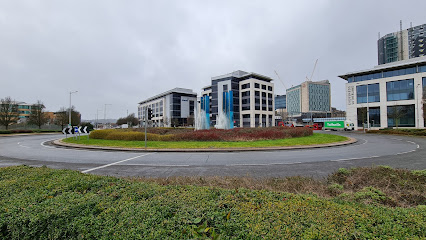
Water Towers by Amber Hiscott & David Pearl
0.6 km
Iconic blue sculptural towers in Cardiff symbolizing water through innovative glass and metal artistry.
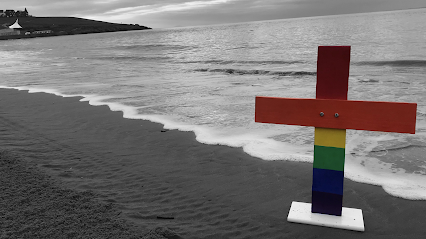
Mountain of Fire & Miracles Ministries Cardiff.
0.6 km
A dynamic Christian church in the Capitol Shopping Centre, offering daily worship, prayer, and community in the heart of Cardiff.
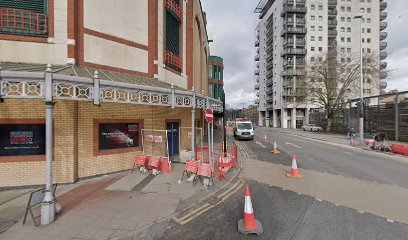
The Gathering - Cardiff
0.6 km
Victorian Neogothic landmark and active faith community in the heart of Cardiff
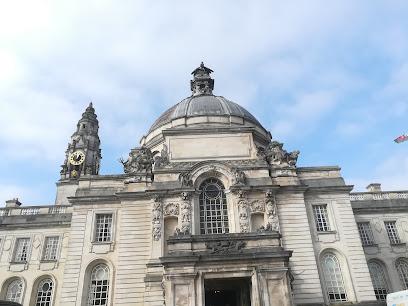
City Hall
0.6 km
Majestic Edwardian Baroque landmark and civic heart of Cardiff, crowned by a striking clock tower with a Welsh dragon.
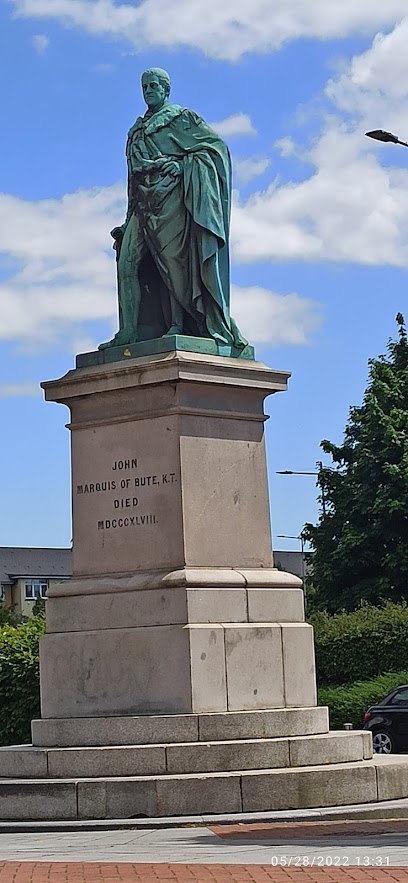
Statue of The Second Marquess of Bute
0.6 km
Historic bronze statue in Cardiff honoring the visionary who transformed the city through the development of its docks and industrial growth.
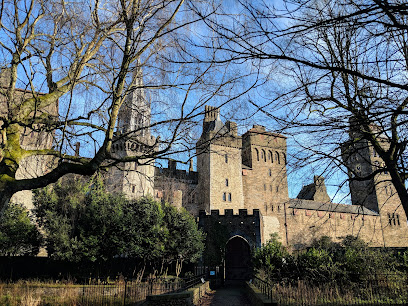
Bute Park
0.7 km
Discover the beauty and tranquility of Bute Park, Cardiff's premier urban park and a hub of culture and nature in the heart of the city.
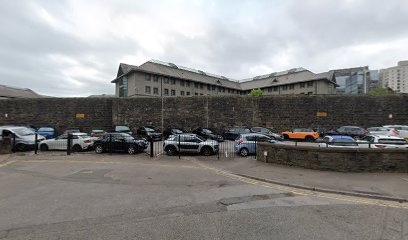
HMP Cardiff
0.8 km
Discover the rich history and architectural significance of HMP Cardiff, a landmark prison reflecting the evolution of the UK's justice system.
Unmissable attractions to see

Cardiff Market
0.0 km
A bustling Victorian indoor market in Cardiff city centre, alive with fresh produce, street food, vintage finds and local character under a grand glass roof.
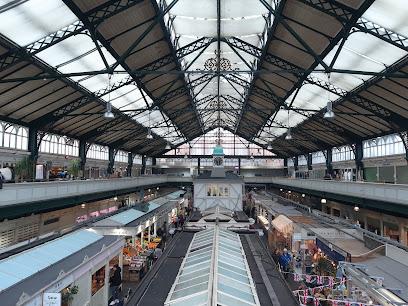
The Cardiff Market
0.0 km
Discover Cardiff Market’s vibrant Victorian charm, where fresh local produce and unique stalls create a lively city-centre shopping experience.
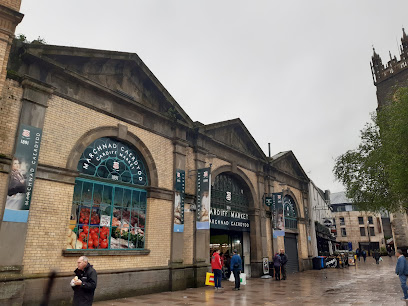
High Street Arcade
0.1 km
A beautifully preserved Victorian shopping arcade in Cardiff’s Castle Quarter, filled with independent boutiques, vintage shops, cafés, and historic charm.
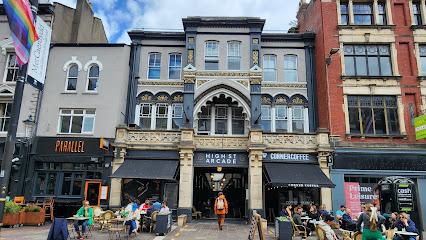
St John The Baptist City Parish Church
0.1 km
Cardiff’s oldest medieval church, blending historic grandeur with vibrant community spirit in the city centre.
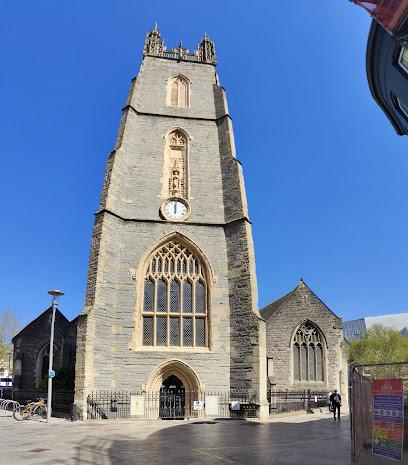
Museum of Cardiff
0.1 km
Explore Welsh art, natural history, and archaeology in Cardiff’s grand historic museum with free admission and rich cultural treasures.
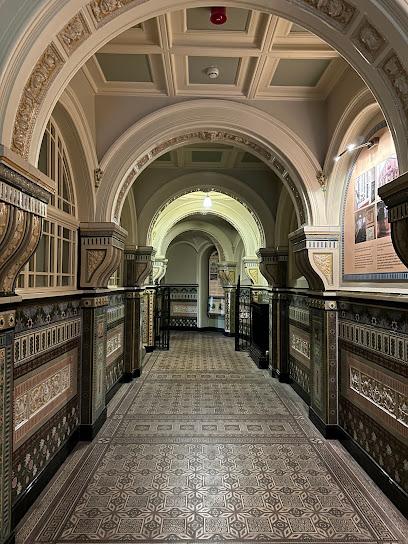
Morgan Arcade
0.2 km
Step into Morgan Arcade, Cardiff’s enchanting Victorian shopping arcade where historic charm meets modern boutiques and cozy cafes.
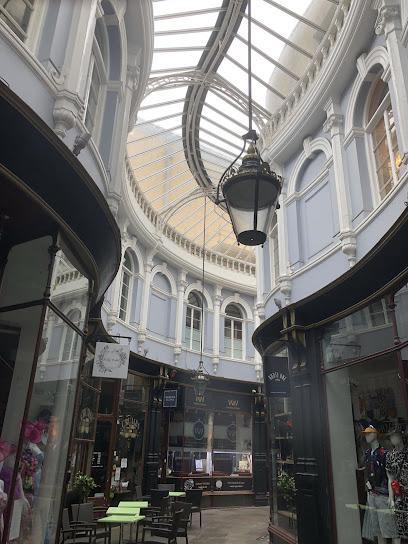
Castle Quarter Arcades
0.2 km
Explore Cardiff’s historic Castle Quarter Arcades—Victorian charm, independent shops, and vibrant dining in the city’s heart.
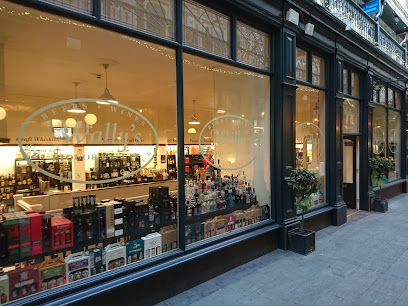
St David's Hall
0.2 km
Experience world-class acoustics and bold brutalist design at Cardiff’s iconic St David’s Hall, a vibrant cultural landmark in the city centre.
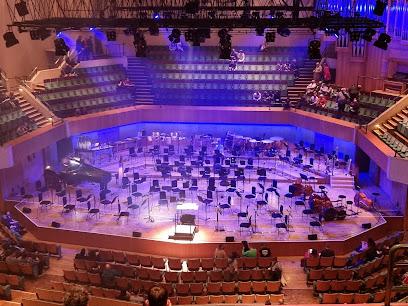
Rummer Tavern
0.2 km
Experience the vibrant atmosphere and rich local culture at Rummer Tavern, a must-visit pub in the heart of Cardiff.
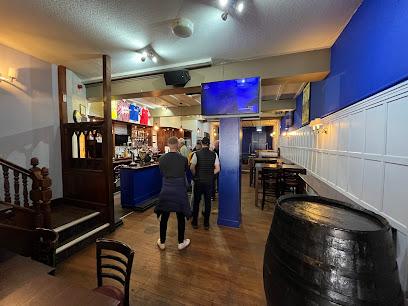
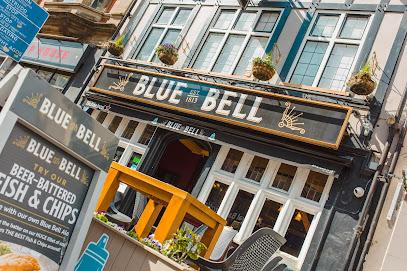
Blue Bell
0.2 km
Discover the charm of The Blue Bell, Cardiff's premier pub for traditional food, local ales, and a warm atmosphere in the heart of the city.
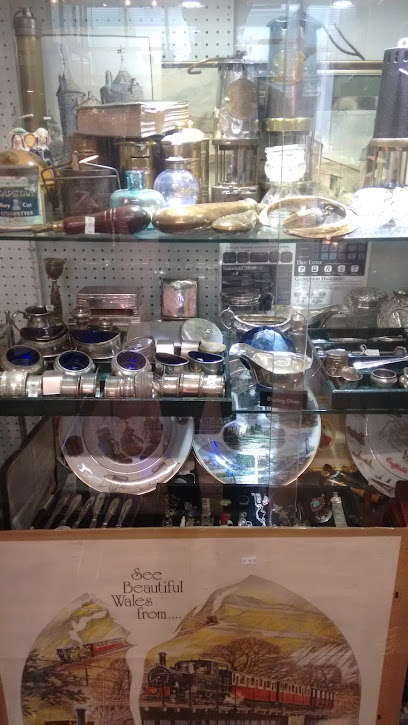
Cardiff Antique Centre
0.2 km
Discover timeless treasures and vintage charm in Cardiff’s historic Royal Arcade at the Cardiff Antique Centre.
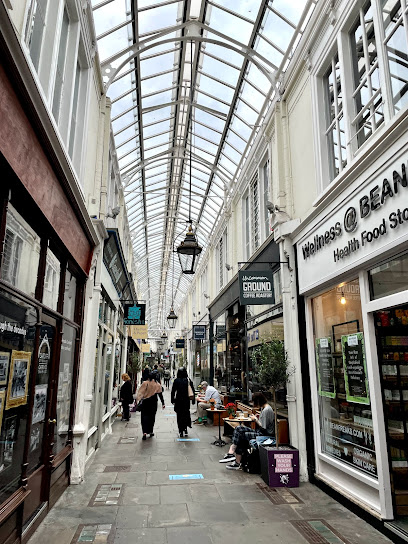
Royal Arcade, Cardiff
0.2 km
Step into Cardiff’s oldest Victorian shopping arcade, where historic charm meets unique independent shops and delightful eateries.
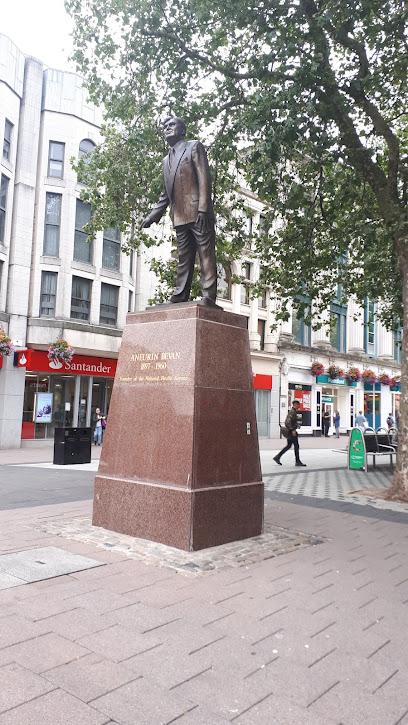
Aneurin Bevan Statue by Robert Thomas (1987)
0.2 km
A powerful bronze tribute in Cardiff to Aneurin Bevan, visionary founder of the NHS, sculpted by Robert Thomas in 1987.
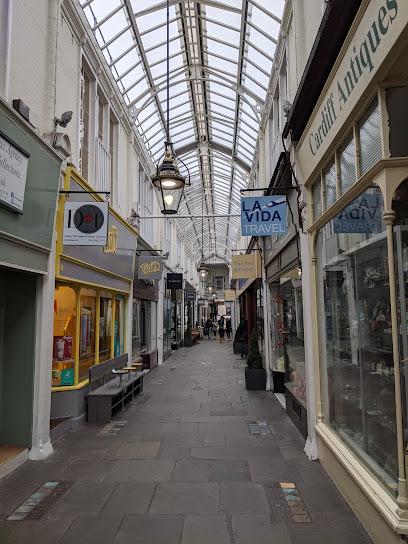
Royal Arcade
0.2 km
Step into Cardiff’s oldest shopping arcade, where Victorian charm meets unique independent shops in a beautifully preserved historic setting.
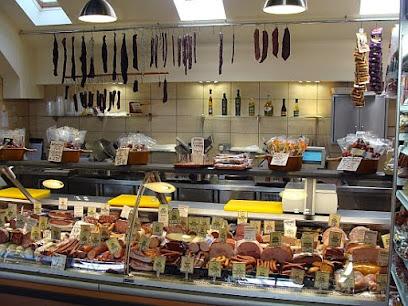
Wally's Delicatessen
0.2 km
Discover Cardiff’s premier gourmet deli and café, where global flavors meet local charm in the historic Royal Arcade.
Essential places to dine

Turtle Bay Cardiff
0.0 km
Caribbean soul meets Welsh hospitality—bold jerk, tropical cocktails, and island warmth in Cardiff city centre.
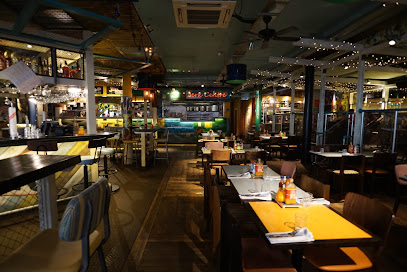
The Alchemist Cardiff
0.0 km
Experience the magic of mixology at The Alchemist Cardiff, where innovative cocktails meet exquisite dining in a vibrant atmosphere.
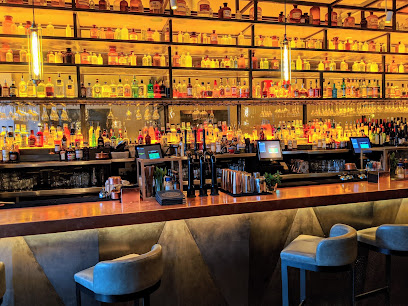
Dirty gnocchi (Cardiff Market)
0.1 km
Savor authentic Italian gnocchi and pasta delights in the vibrant heart of Cardiff Market, where tradition meets street food charm.
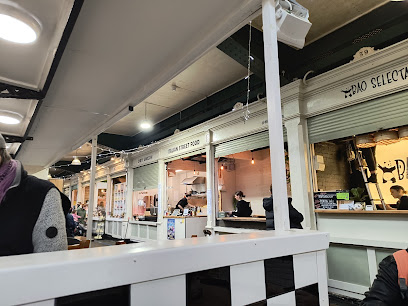
Lezzet Turkish Kitchen
0.1 km
Experience authentic Turkish cuisine with vibrant flavours and warm hospitality in the heart of Cardiff city centre.
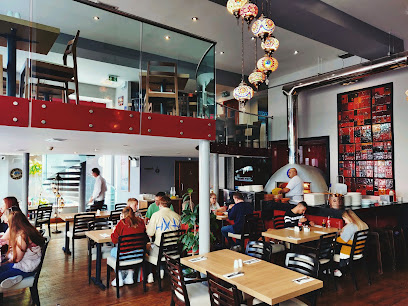
Cafe Citta
0.1 km
Cozy Italian eatery in Cardiff city center serving authentic wood-fired pizzas and pasta in an intimate, stylish setting.
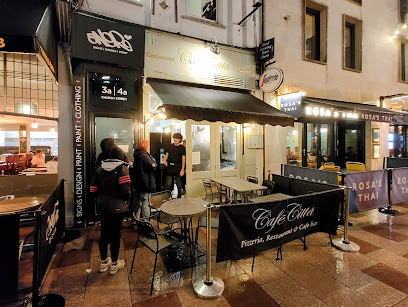
The Botanist Cardiff
0.1 km
A vibrant gastropub in Cardiff city centre where botanical décor, creative cocktails, and live music bloom together.
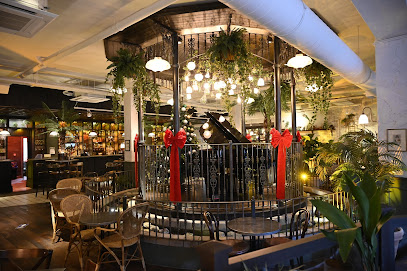
Asador 44 Spanish Grill & Wine House
0.1 km
Authentic Spanish charcoal grilling and fine wines in the heart of Cardiff’s vibrant city centre.
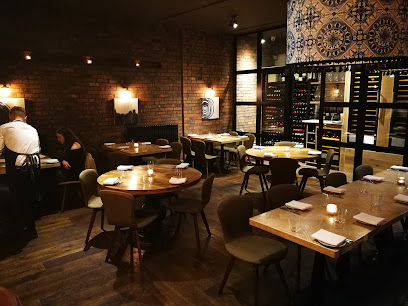
Casanova
0.1 km
A long-standing Cardiff trattoria serving authentic regional Italian food with warm service and an excellent all-Italian wine list.
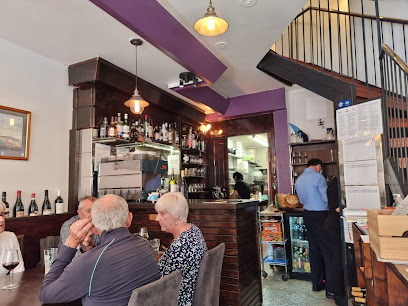
The Sorting Room Restaurant
0.1 km
Elegant modern European dining in Cardiff’s city centre, celebrated for Welsh beef specialties and refined brasserie ambiance.
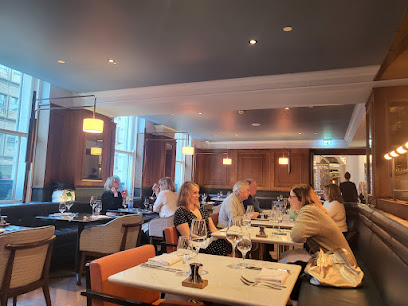
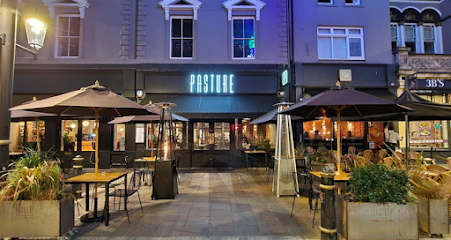
Pasture Restaurant Cardiff
0.1 km
Savor expertly crafted steaks and vibrant atmosphere at Pasture, Cardiff’s celebrated destination for premium meat dining.
The Potted Pig
0.1 km
A stylish underground eatery in Cardiff serving seasonal Welsh-inspired modern British cuisine in a unique former bank vault setting.
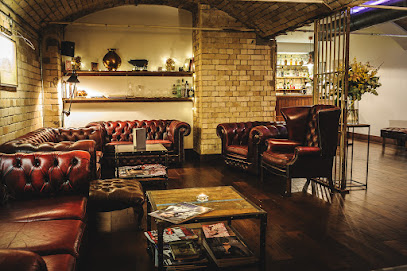
Maison de Bœuf
0.2 km
An intimate French steakhouse in Cardiff’s Castle Arcade, blending Parisian charm with live jazz and signature cuisine.
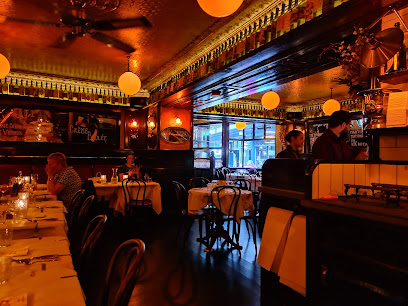
Tŷ Madeira Restaurant
0.2 km
Award-winning Portuguese dining in Cardiff's city centre, blending authentic tradition with modern culinary excellence.
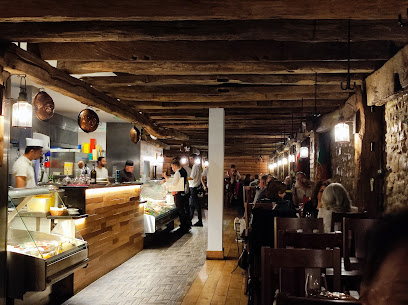
The Welsh House Cardiff
0.2 km
Experience authentic Welsh flavors and warm hospitality in the heart of Cardiff’s vibrant city centre.
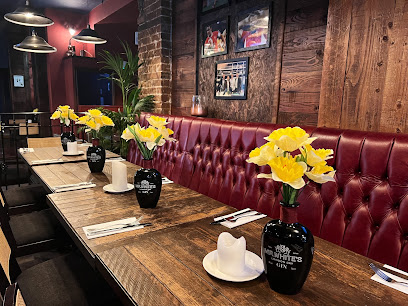
Bar 44 Cardiff
0.2 km
Authentic Spanish tapas and award-winning wines in Cardiff's vibrant Castle Quarter.
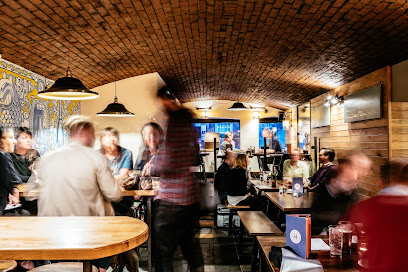
Markets, malls and hidden boutiques

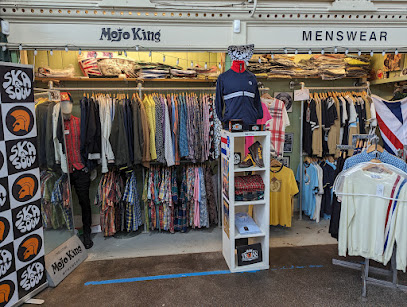
Mojo King
0.0 km
Discover smart, affordable Mod and Northern Soul-inspired men's fashion at Mojo King, a unique gem in Cardiff Indoor Market.
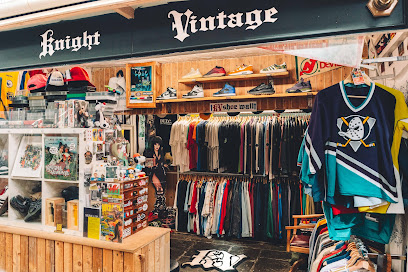
Knight Vintage
0.0 km
Discover unique vintage fashion treasures and exclusive KV collections in the heart of Cardiff Market’s vibrant historic setting.
Great Welsh Gifts
0.1 km
Discover authentic Welsh crafts, artisanal foods, and unique souvenirs in the heart of Cardiff at Great Welsh Gifts.
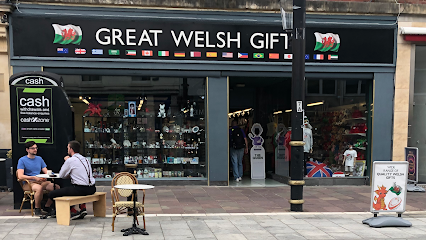
Hobos Vintage
0.1 km
A vibrant Cardiff vintage shop packed with retro fashion, trainers, and accessories from the 1950s to today – perfect for throwback style and bargain finds.
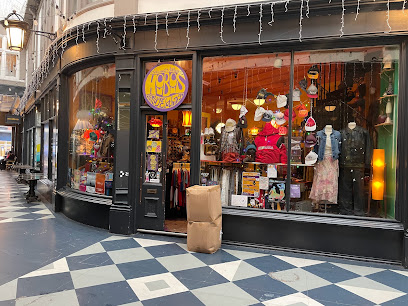
Morgan Quarter
0.1 km
Discover Cardiff’s charming Morgan Quarter, a historic Victorian arcade blending unique shops, cozy cafes, and timeless architecture in the city centre.
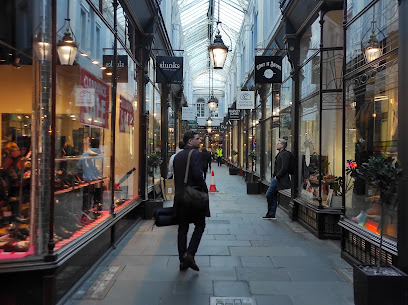
Little Welsh Company
0.2 km
Discover Cardiff's premier independent shop for authentic Welsh gifts, blending tradition with modern charm since 2003 on lively St John Street.
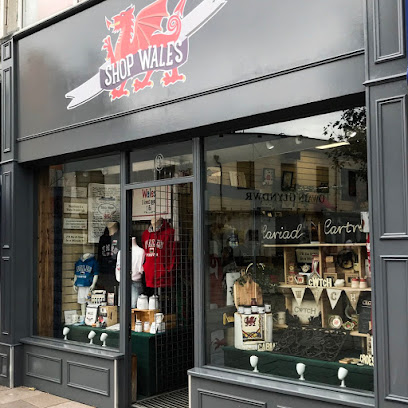
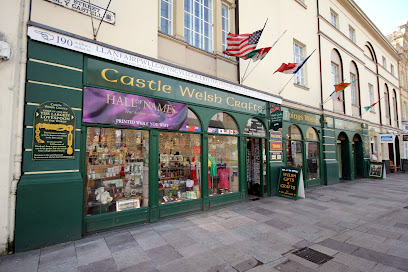
Castle Welsh Crafts Ltd
0.2 km
Discover authentic Welsh craftsmanship and personalized lovespoons opposite Cardiff Castle at Castle Welsh Crafts.
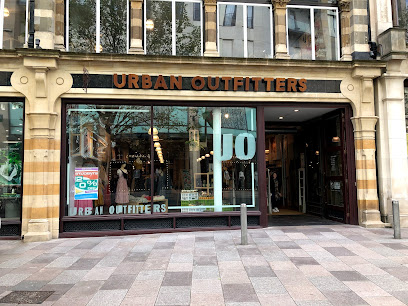
Urban Outfitters
0.2 km
Curated lifestyle retail celebrating creativity, fashion, and cultural expression in Cardiff's city centre.
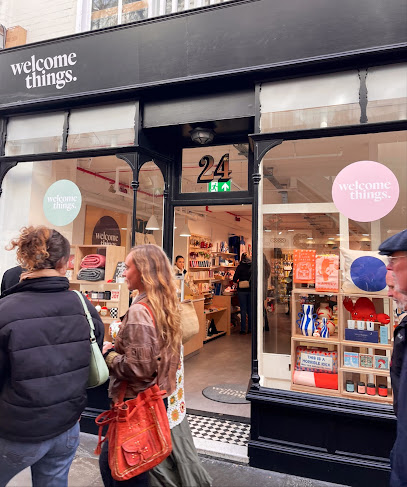
Welcome Things
0.2 km
Discover whimsical treasures in Cardiff's historic Royal Arcade at this eclectic gift shop, where unique Welsh-inspired finds meet global curiosities in Victorian splendor.
elephants and flowres
0.2 km
Artisan gifts and local crafts in Cardiff's charming Victorian arcade.
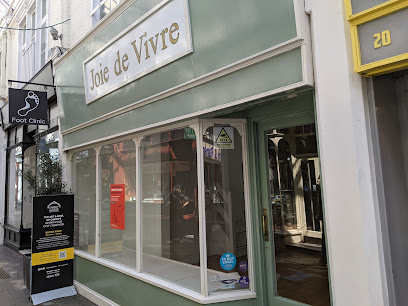
Joie de Vivre Boutique and Vintage Store
0.2 km
Independent boutique treasure trove in historic Royal Arcade, celebrating curated vintage and artisanal finds.
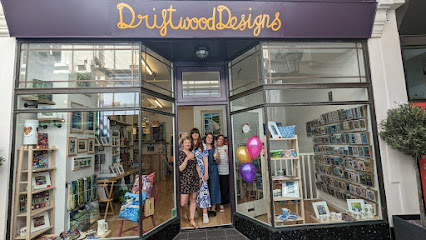
Driftwood Designs Cardiff
0.2 km
Bright, bold Welsh art and homewares in the heart of Cardiff’s Royal Arcade – perfect for souvenirs, gifts, and a splash of contemporary Welsh culture.
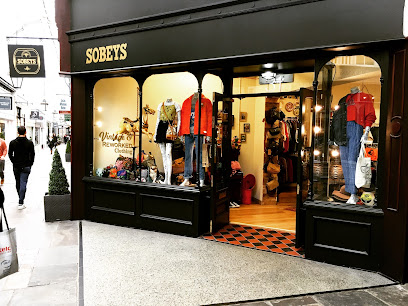
Sobeys Vintage Clothing
0.2 km
Discover unique reworked vintage fashion in Cardiff’s historic Royal Arcade at Sobeys Vintage Clothing, where creativity meets sustainability.
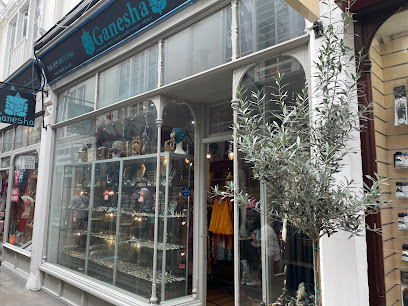
Ganesha Handicrafts
0.2 km
Ethical elegance from India and Nepal: jewelry, textiles, and handicrafts in Cardiff's iconic Royal Arcade.
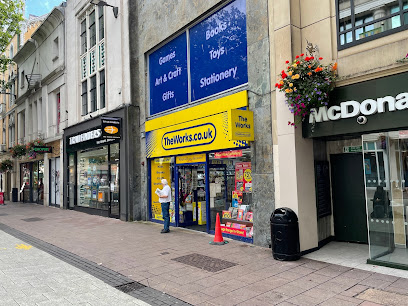
The Works
0.2 km
Affordable books, crafts, toys, and stationery in the heart of Cardiff’s vibrant Queen Street shopping district.
Essential bars & hidden hideouts

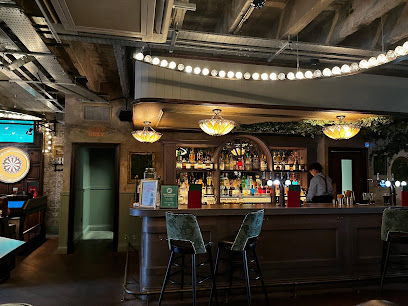
Flight Club Cardiff
0.0 km
Experience the thrill of Social Darts® and vibrant city nightlife at Flight Club Cardiff’s unique multi-level bar and rooftop terrace.
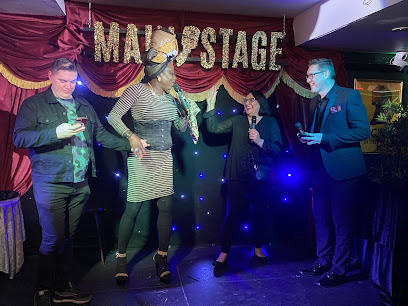
Main Stage
0.1 km
Cardiff's vibrant gay bar and cabaret club with lively drag shows, DJs, and a welcoming atmosphere in the heart of the city centre.
Glassworks
0.1 km
Lively Cardiff pub pouring Greene King ales, serving pub classics, and screening sports in the heart of the city center—perfect for meals, pints, and pre-event vibes.
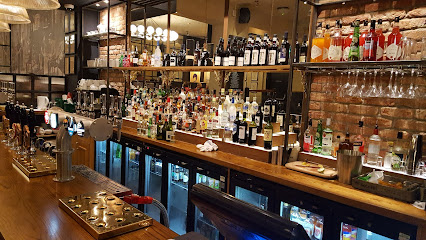
Penny
0.1 km
Discover Cardiff’s intimate cocktail haven with innovative drinks, expert bartenders, and a stylish, welcoming atmosphere at Penny.
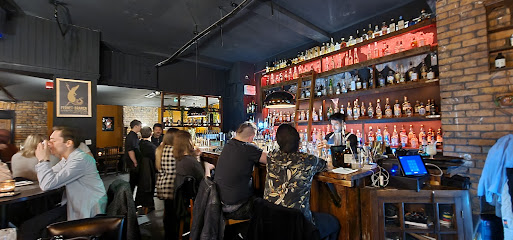
Rum & Fizz
0.1 km
Discover Cardiff’s rum haven with over 200 rums, crafted cocktails, cozy elegance, and live jazz every Friday in Castle Arcade.
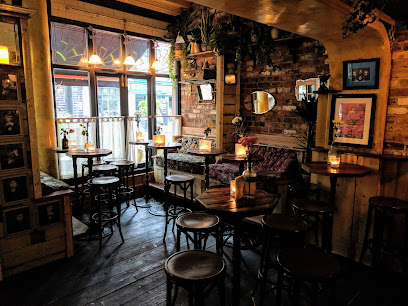
Tiny Rebel Cardiff
0.1 km
Discover Cardiff’s vibrant craft beer scene and lively pub culture at Tiny Rebel, a hub for award-winning brews and eclectic events.
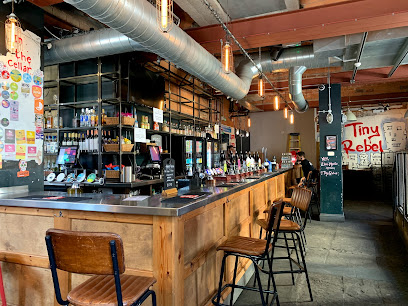
The Libertine Cocktail Bar
0.2 km
A stylish Cardiff cocktail bar blending gothic charm with expertly crafted drinks and a lively city center vibe.
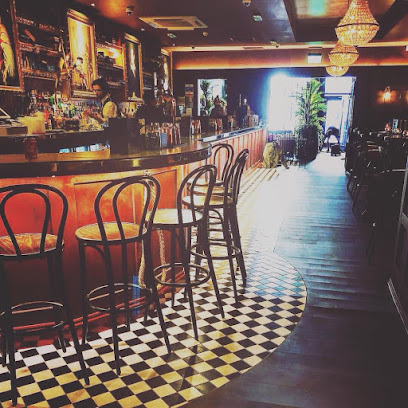
Mary's Cardiff
0.2 km
Experience Cardiff’s vibrant nightlife at Mary’s, a lively bar and nightclub blending modern lounge vibes with energetic party spirit.
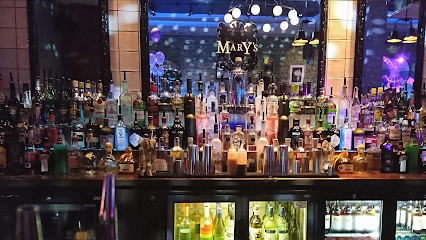
Slug & Lettuce - St Mary St Cardiff
0.2 km
Vibrant Cardiff cocktail bar on St Mary Street, famed for bottomless brunches, creative mixes, and lively nights in the city heart.
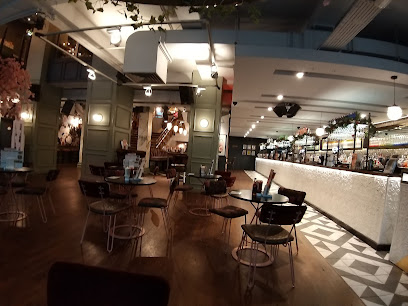
The Bootlegger
0.2 km
A vintage-flavoured Cardiff speakeasy serving expertly crafted cocktails and late-night live music on cobbled Womanby Street.
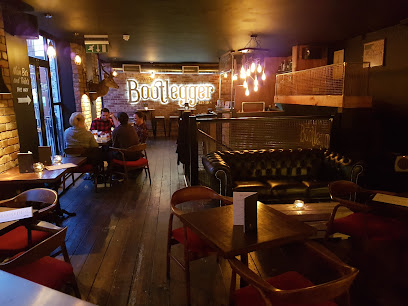
Revolution Cardiff
0.2 km
A multi‑level cocktail bar and late‑night club opposite Cardiff Castle, built for groups, events and colourful cocktail theatre.
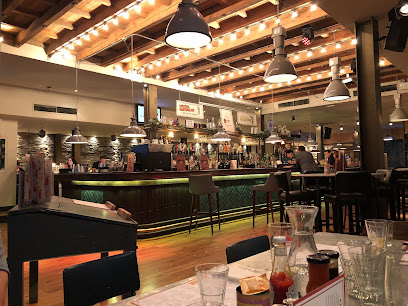
Boom Battle Bar Cardiff
0.2 km
Cardiff’s ultimate bar for games, street food, cocktails, and late-night fun in a lively, interactive setting.
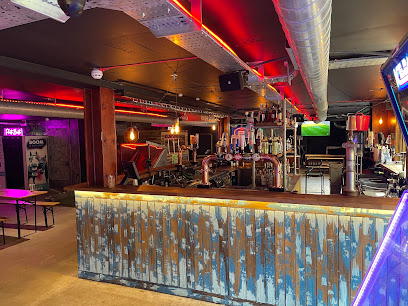
Brewhouse
0.3 km
Experience Cardiff’s vibrant live music scene with great food, drinks, and a lively atmosphere at Brewhouse in the Old Brewery Quarter.
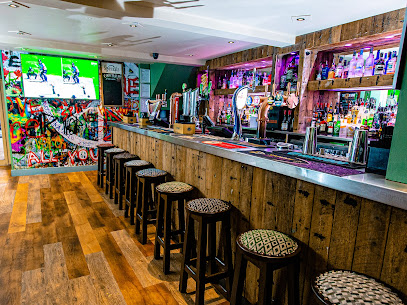
Kapu
0.3 km
Experience Cardiff’s vibrant tiki cocktail bar and nightclub with expertly crafted drinks and a lively tropical atmosphere.
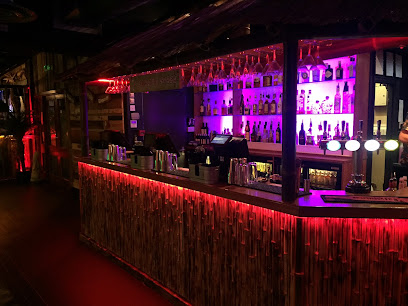
Lab 22
0.3 km
Discover Cardiff’s award-winning Lab 22, where science meets cocktail artistry in a stylish, innovative, and immersive bar experience.
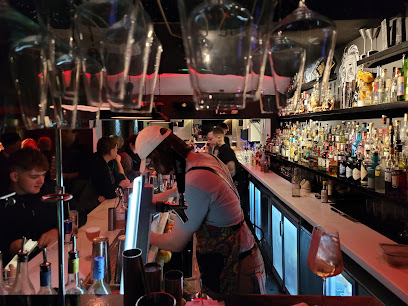
Nightclubs & after hour spots

For Your Eyes Only
0.1 km
Elegant and vibrant dance club in Cardiff’s city centre offering stylish interiors, live entertainment, and a lively nightlife atmosphere.
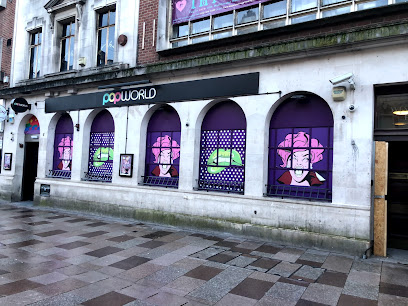
Popworld - Cardiff
0.1 km
Dive into cheesy pop heaven at Popworld Cardiff—karaoke, half-price drinks, and dance floor anthems until 3am on vibrant St Mary Street.
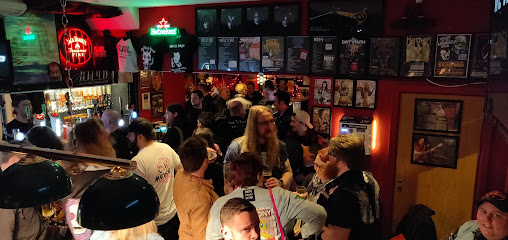
Metros
0.1 km
Cardiff's alternative nightclub haven: cheap drinks, eclectic DJs, and non-stop rock, ska, and indie beats fueling wild weekends till 4am.

Clwb Ifor Bach
0.2 km
Cardiff's gritty Welsh club heart: live music legends, late-night dances, and cultural rebellion on historic Womanby Street since 1983.

Fuel Rock Club
0.2 km
Cardiff's unyielding rock fortress on Womanby Street: live metal mayhem, cheap drinks, and a beer garden for the faithful.
The CUBE
0.4 km
Cardiff’s vibrant nightclub hotspot offering dynamic music, dancing, and an electric atmosphere in the heart of the city.
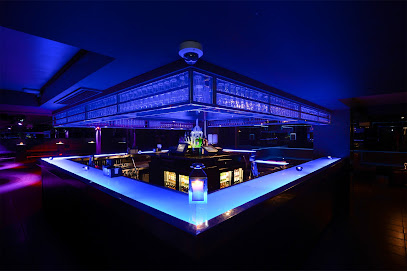
Tiger Tiger Cardiff
0.4 km
A dynamic nightclub with themed rooms and diverse bars offering a vibrant nightlife experience in the heart of Cardiff.
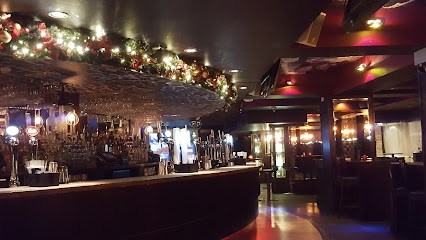
CIRCUIT Cardiff
0.4 km
Cardiff's largest nightclub ignites Greyfriars Road with 1,500-capacity energy, state-of-the-art production across themed rooms, and epic nights from club beats to private spectacles.
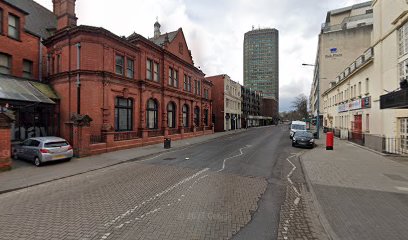
Pulse
0.5 km
A city-centre LGBTQ+-friendly bar that becomes a neon-lit nightclub after dark, blending casual daytime dining with late-night DJs and themed club nights.
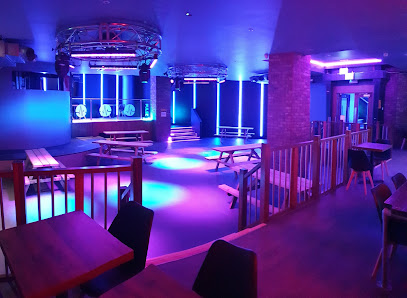
The Vaults
1.8 km
Dive into Cardiff’s iconic underground club housed in a historic former bank, where techno beats and vibrant nightlife come alive beneath the city streets.
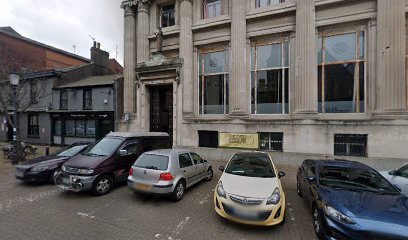
The Globe
1.9 km
A compact Grade II-listed former cinema turned lively live-music venue and nightclub, famed for intimate gigs and energetic club nights on Albany Road.
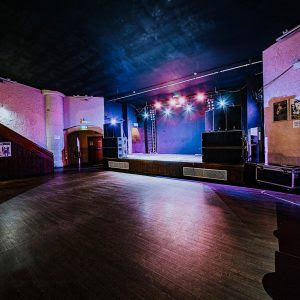
Cabaret at Wales Millennium Centre
2.1 km
Dive into Cardiff Bay's sizzling hub of drag, burlesque, comedy, and live music at Cabaret – where inclusive performances sparkle with pop culture magic and high-energy fun.

Coco Cubanas
11.5 km
Experience the vibrant weekend nightlife and energetic dance scene at Coco Cubanas, Barry’s premier late-night club on Broad Street.
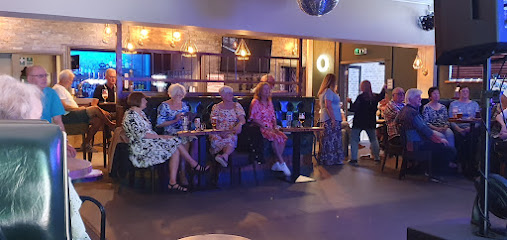
Bar Cocoa
11.5 km
Experience Barry’s vibrant weekend nightlife at Bar Cocoa, a lively nightclub where music and dancing keep the party going until the early morning.
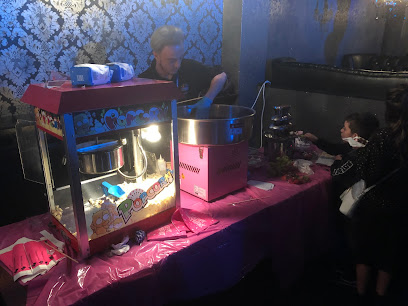
Eclipse Nightclub
15.8 km
Experience Pontypridd’s vibrant midweek nightlife at Eclipse Nightclub, where music, dancing, and community come alive every Wednesday night.
For the vibe & atmosphere seeker
- Scenic
- Lively
- Entertaining
- Unique
- Casual
For the design and aesthetic lover
- Vintage Styles
- Retro Vibes
- Industrial Designs
For the architecture buff
- Historic
- Landmarks
- Art & Design
- Heritage Neighborhoods
For the view chaser and sunset hunter
- Iconic Views
- Architectural Shots
For the social media creator & influencer
- Instagrammable
- Photo Spots
- Architectural Shots
- Aesthetic Corners
For the eco-conscious traveler
- Public-Transport Accessible
- Car-Free Access
For the kind of experience you’re after
- Cultural Heritage
- Photowalk
- Day Trip
For how adventurous you want the journey to be
- Easy Access
Location Audience
- Family Friendly
- Senior Friendly
- Solo Friendly
- Couple Friendly


