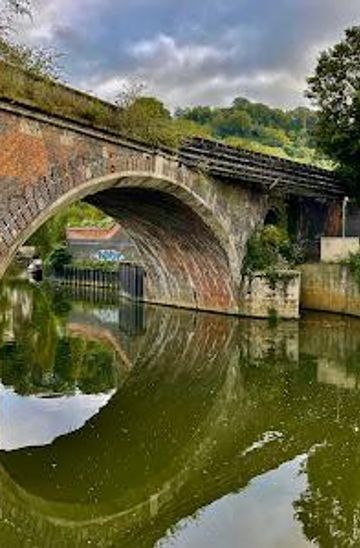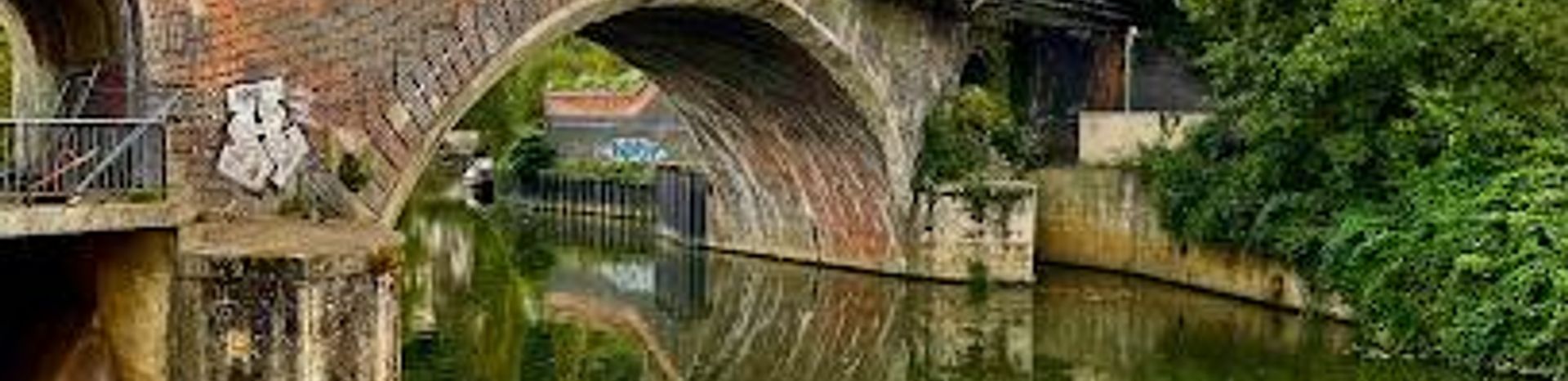
North Parade Bridge, Bath
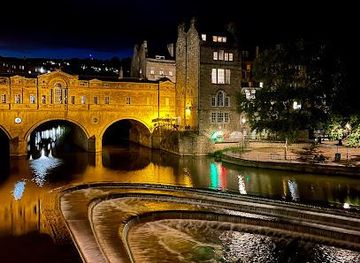
A graceful 19th-century bridge over the River Avon, rebuilt in stone in the 1930s and now a quiet, photogenic crossing in the heart of Bath.
Spanning the River Avon in the heart of Bath, North Parade Bridge is a graceful 19th-century structure that blends Georgian elegance with later 20th-century stonework. Originally built in cast iron by William Tierney Clark in 1836, the bridge was extensively rebuilt in the 1930s, giving it its current stone-clad appearance. Today it connects the historic North Parade with the riverside, offering fine views of the city’s skyline and the surrounding hills. It’s a quiet, photogenic crossing that feels like a hidden gem between Bath’s grander landmarks.
A brief summary to North Parade Bridge
- 14 N Parade, Bath, BA2 4AJ, GB
- Click to display
- Duration: 0.25 to 1 hours
- Free
-
 Outdoor
- Mobile reception: 5 out of 5
- Monday 12 am-12 am
- Tuesday 12 am-12 am
- Wednesday 12 am-12 am
- Thursday 12 am-12 am
- Friday 12 am-12 am
- Saturday 12 am-12 am
- Sunday 12 am-12 am

Know before you go
Hi, I'm Eve. Here are a few practical things to know before exploring North Parade Bridge.
- Visit early in the morning or late afternoon to avoid the busiest pedestrian and vehicle traffic and enjoy the bridge with fewer crowds.
- Walk along the riverside paths on either side of the bridge for the best views of the structure and the surrounding cityscape.
- Look for the plaque on the bridge that records its 1836 construction date and later 20th-century rebuild.
Do you manage this location?
Take control to get all the benefits, like improved information, better appearance, and stronger visibility across AI-powered discovery. Learn more
Activate your presence
Getting There
-
Walking
From Bath Abbey, follow North Parade west for about 10 minutes along the riverside; the bridge is clearly visible where the road crosses the River Avon.
-
Bus
Several local bus routes serve stops near North Parade; from there, it’s a short, flat walk of 2–3 minutes to the bridge along the riverside path.
-
Car
Street parking is limited near the bridge; drivers should use one of the city centre car parks and walk the final 5–10 minutes along the riverside to reach the bridge.
For the on-the-go comforts that matter to you
-
 Seating Areas
-
 Trash Bins
-
 Information Boards
Discover more about North Parade Bridge
A River Crossing with Georgian Roots
North Parade Bridge arcs gently over the River Avon in central Bath, linking the elegant North Parade crescent with the riverside walkways and the city’s western approaches. Designed by the prolific bridge engineer William Tierney Clark and completed in 1836, the original structure was a single-span cast iron bridge resting on stone abutments, a typical solution for urban river crossings of the period. Its clean, classical lines complement Bath’s Georgian architecture, and its modest scale fits harmoniously into the city’s intimate street pattern.From Iron to Stone: A 20th-Century Transformation
Though conceived in iron, the bridge as seen today is largely the product of a major rebuild in the 1930s. Between 1936 and 1937, the old iron superstructure was replaced with a reinforced concrete frame and then faced with ashlar stone, giving the bridge its current solid, stone-arched appearance. This refacing preserved the bridge’s original profile and proportions while modernising its structure for 20th-century traffic. The result is a subtle blend of 19th-century engineering and 20th-century civic renewal, now recognised as a Grade II listed structure for its historical and architectural interest.Views and Atmosphere
Walking across North Parade Bridge, the city opens up in both directions. To the east, the curve of North Parade and the grand terraces of Bath’s crescents rise above the river, while to the west the river winds through parkland and wooded slopes. The bridge offers quiet, elevated views of the Avon, with boats passing beneath and the city’s skyline framed by the surrounding hills. Unlike the busier Pulteney Bridge, this crossing feels more local and less tourist‑crowded, making it a peaceful spot to pause and take in Bath’s riverside charm.Life in the City’s Fabric
Today, North Parade Bridge functions as a working city bridge, carrying pedestrians and vehicles between the city centre and the western suburbs. Its stone parapets and simple, elegant arches fit seamlessly into Bath’s World Heritage streetscape, and its listing status ensures that its character is preserved. The bridge is part of the daily rhythm of the city: a shortcut for locals, a quiet viewpoint for visitors, and a subtle reminder of how Bath’s infrastructure has evolved while retaining its historic character. It’s a modest but meaningful piece of the city’s layered architectural story.Explore the best of what North Parade Bridge has to offer















More about Wiltshire
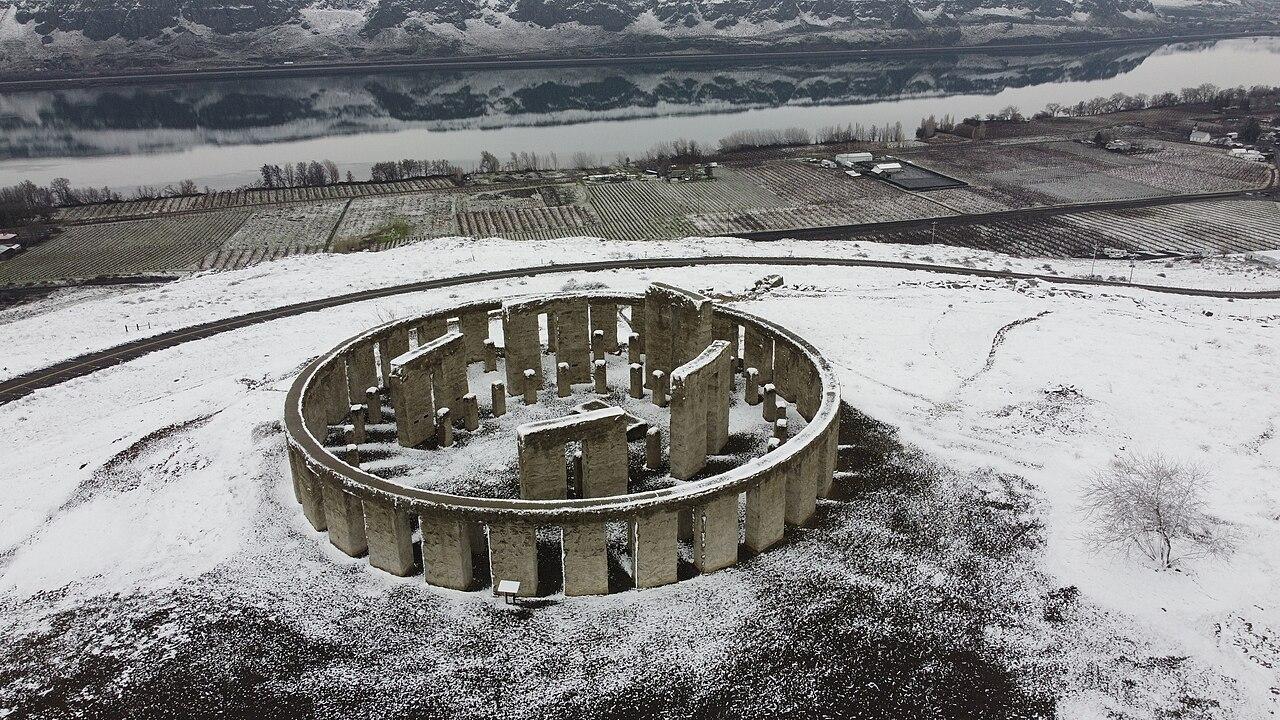
Discover Wiltshire: Home to Stonehenge, stunning landscapes, and charming villages, this county offers a perfect blend of history, nature, and quintessential English charm.
Tell me more about Wiltshire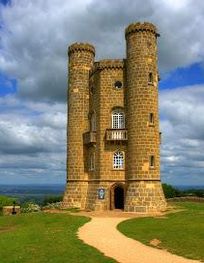
An 18th-century Gothic folly atop the Cotswolds offering rich history, panoramic views, and a cultural retreat for artists and visitors alike.
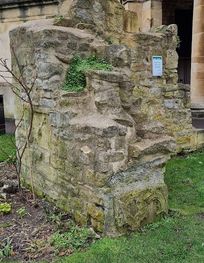
Discover Monks Mill, a rare medieval watermill ruin nestled in Bath’s picturesque Parade Gardens, echoing centuries of monastic industry and wool trade heritage.