Monks Mill, Bath Travel Guide
Free Guide: Discover Monks Mill, a rare medieval watermill ruin nestled in Bath’s picturesque Parade Gardens, echoing centuries of monastic industry and wool trade heritage.


A brief summary of Monks Mill
Discover Monks Mill, a rare medieval watermill ruin nestled in Bath’s picturesque Parade Gardens, echoing centuries of monastic industry and wool trade heritage.
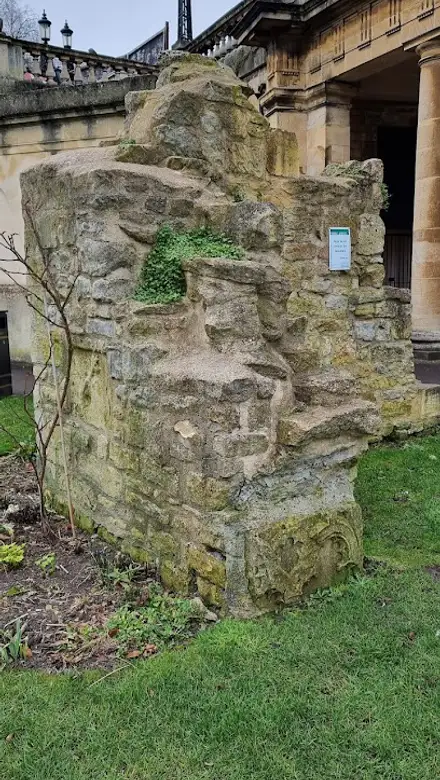
Monks Mill is a rare medieval relic nestled in Bath’s Parade Gardens, representing the historic watermill once owned by Bath Abbey monks. Situated by the River Avon, its ruins offer a tangible link to Bath’s monastic and industrial past, reflecting the city’s medieval wool trade and water-powered milling heritage.
On-site amenities
 Restrooms
 Drink options
 Food options
 Seating areas
 Information boards
Opening hours
- Every day10 am–6 pm
Opening hours as listed on the venue’s Google Business Profile. Hours can change for services and special events, so check with the venue before you go.
- Address
- N Parade, Bath BA1 1LP
Getting there
Bus
Train
Taxi
Discover more about Monks Mill
Echoes of Bath’s Medieval Industry
Monks Mill stands as one of the few surviving medieval structures in Bath, dating back to the 13th century. This watermill, once owned and operated by the monks of Bath Abbey, played a crucial role in the city’s wool and cloth production, which was a cornerstone of Bath’s medieval economy. Situated between the banks of the River Avon and a small island, the mill harnessed the river’s flow to power its mechanisms, supporting the prosperous Abbey and the wider community.
Historical Context and Abbey Connections
The mill was part of the extensive landholdings of Bath Abbey, which dominated the area in medieval times. The Abbey’s influence extended beyond spiritual leadership to economic control, organizing local labor and resources. Monks Mill’s presence in Parade Gardens, adjacent to the Abbey precinct, underscores the intertwined nature of religious and industrial life in medieval Bath. The ruins visible today are a testament to the Abbey’s craftsmanship and the city’s reliance on water-powered milling.
Architectural and Archaeological Significance
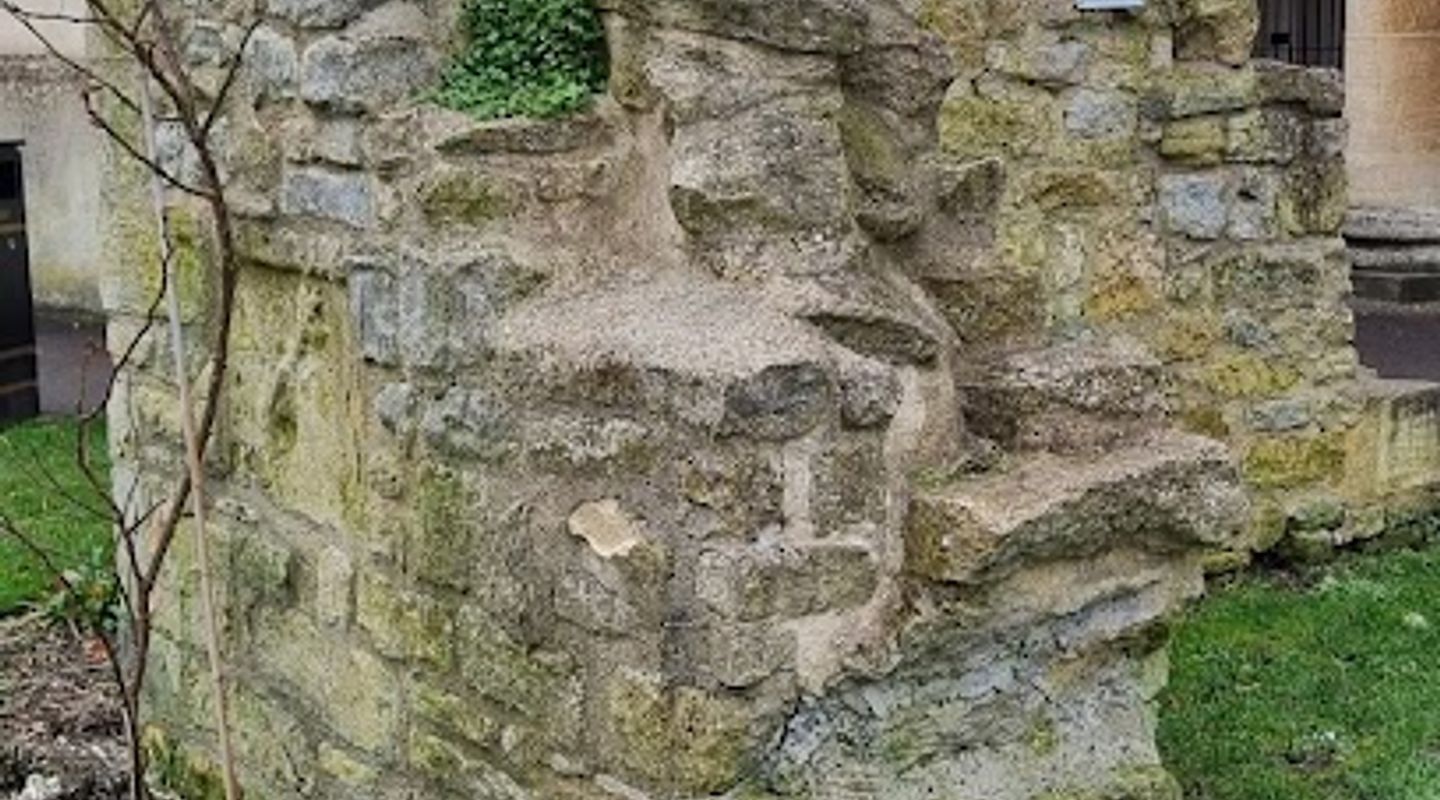
Though now in ruins, Monks Mill retains visible stonework and structural fragments that hint at its original form and function. Some stones bear carved motifs, such as the keys of St Peter, linking the site symbolically to ecclesiastical heritage. Conservation efforts have stabilized the remains, preserving this rare medieval industrial site amidst the manicured lawns and flower beds of Parade Gardens. The mill’s location and remnants provide valuable insights into medieval engineering and monastic enterprise.
Monks Mill in the Modern Landscape
Today, Monks Mill is nestled in the tranquil setting of Parade Gardens, a popular public park in Bath. The ruins are somewhat hidden, located at the garden’s far corner near The Colonnade, inviting curious visitors to discover this piece of medieval history. Informational signage nearby offers historical context, though the site remains understated compared to Bath’s grander landmarks. Its quiet presence enriches the gardens’ cultural tapestry, connecting visitors to Bath’s layered past.
Legacy of Bath’s Wool Trade and Watermills
Bath’s medieval prosperity was closely linked to the wool trade, with the River Avon powering numerous mills like Monks Mill that processed wool into broadcloth. The city’s location near the Cotswold sheep pastures and access to trade routes made it a hub for cloth production. Monks Mill exemplifies this industrial heritage, reflecting the technological and economic ingenuity of the period. Its ruins serve as a reminder of Bath’s evolution from a monastic center to a medieval commercial town.
Preservation and Visitor Experience
While the ruins are fragile and partially restored with lime mortar, they remain accessible within Parade Gardens. Visitors can explore the site’s remains and appreciate the blend of natural beauty and historical resonance. The mill’s serene riverside setting offers a contemplative atmosphere, contrasting with Bath’s bustling city center. As one of the few medieval relics left in Bath, Monks Mill provides a unique window into the city’s distant past and the daily lives of its monastic community.
Evendo Review Centre
 Google
Guest reviews
Best time to go
Quietest: Jan, Feb & Dec · before 7am or at 10pm
Busy times are Evendo estimates for a typical year, to help you plan. Actual crowds vary with events, school holidays and the weather.
Explore Monks Mill on the map
A handpicked selection of must-see spots near Monks Mill, mapped for you.
Get your free copy of our complete guide to Monks Mill, delivered straight to you.
Everything on this page, from opening hours and how to get there to Eve’s tips and the best time to go, in one PDF you can read offline, print or share.
Already have an account? Sign in
Your Monks Mill guide is ready.
We'll send it to · Not you? Sign out

Getting your guide ready…
We are putting together a fresh copy of the Monks Mill guide. This can take up to a minute.
This can take a few moments. If your browser asks, choose Allow so the download can start. You'll find the guide in your Downloads folder.
Nothing happened? Download it again
Sorry, the guide is taking longer than usual. Please try again in a minute, or get it by email instead.
Other nearby places you may find interesting
The closest places of the same kind, if this one is not quite what you had in mind.
-
The Circus Discover The Circus, Bath’s breathtaking Georgian circle of elegant townhouses rich in history, symbolism, and architectural grandeur.
-
Archway Discover Bath’s elegant Victorian Archway, a historic stone bridge carrying spa waters across York Street in the city’s UNESCO heritage heart.
-
Part of the mediaeval wall of the City of Bath Explore a rare surviving fragment of Bath’s medieval city walls, a stone sentinel guarding centuries of history at 13 Trim Street.
-
Green Park Station Historic railway station turned vibrant market hub offering fresh local produce, unique crafts, lively eateries, and cultural events in Bath.
-
Herschel Museum of Astronomy Explore the Georgian home where William Herschel discovered Uranus and celebrate the Herschels’ legacy in astronomy and music.
Swipe for more places
More to explore near Monks Mill

 Best experiences near Monks Mill
 Best hotels near Monks Mill
 Best landmarks near Monks Mill
 Best attractions near Monks Mill
 Best shops near Monks Mill
 Best restaurants near Monks Mill
 Best bars near Monks Mill
Do you manage this location?
Take control to get all the benefits, like improved information, better appearance, and stronger visibility across AI-powered discovery.
Explore more

Explore more of Bath
Discover Bath: A harmonious blend of Roman history, Georgian elegance, and natural beauty in the heart of England's countryside.
Explore Bath
Explore more of United Kingdom
Discover the United Kingdom: A blend of rich history, stunning landscapes, and vibrant cities, offering a unique travel experience for every visitor.
Explore United Kingdom