Castell Cricieth Travel Guide
Free Guide: Explore the dramatic ruins of Castell Cricieth, a medieval fortress perched on a Welsh headland with stunning coastal views and rich history.


A brief summary of Castell Cricieth
Explore the dramatic ruins of Castell Cricieth, a medieval fortress perched on a Welsh headland with stunning coastal views and rich history.
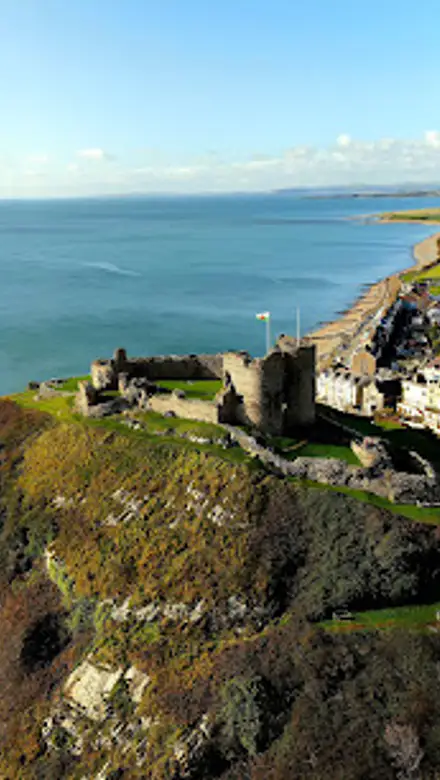
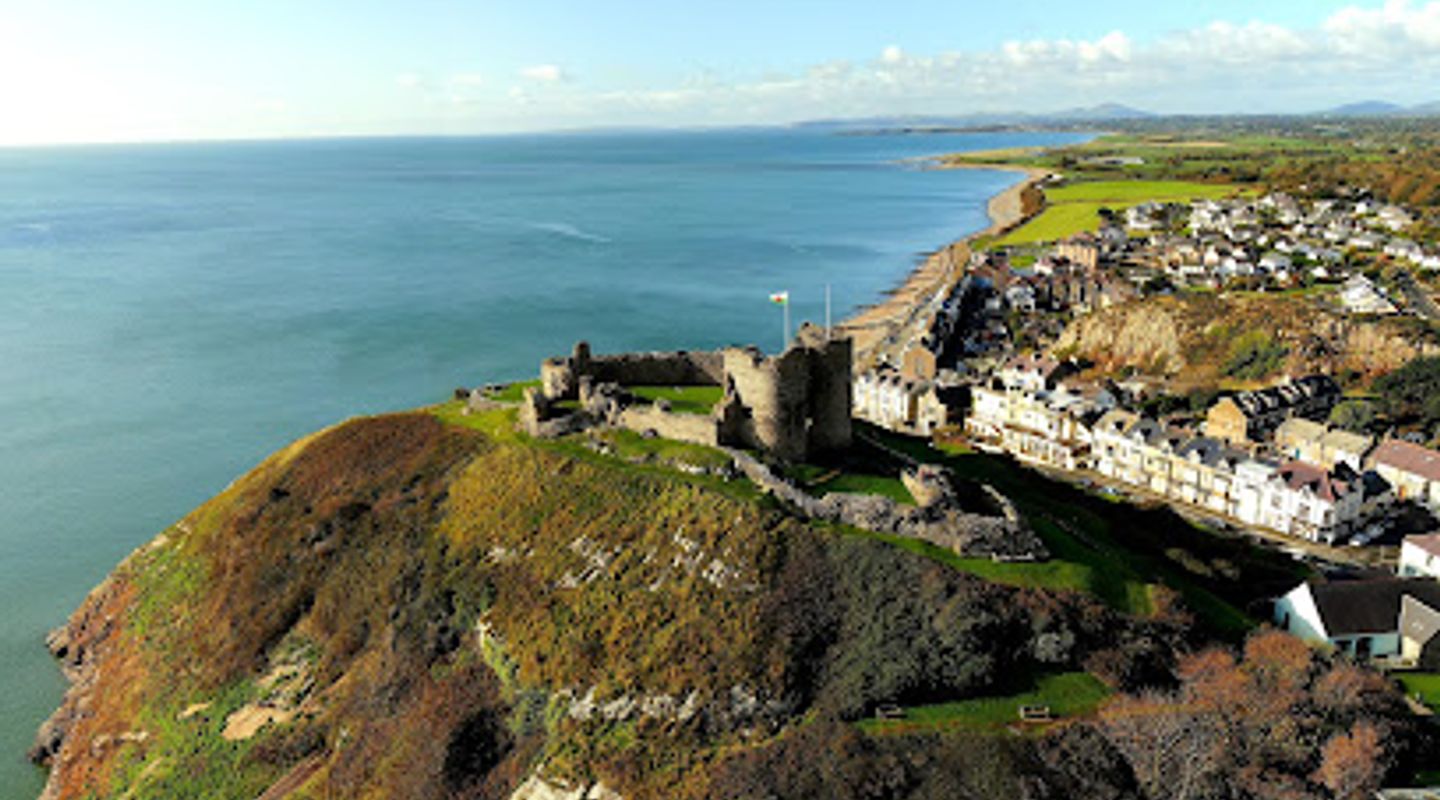
Castell Cricieth is a striking medieval castle perched on a rocky headland between two beaches in Criccieth, Gwynedd, North Wales. Built in the early 13th century by Welsh princes Llywelyn the Great and Llywelyn ap Gruffudd, it offers commanding views over Cardigan Bay and the town below. The castle’s dramatic twin-towered gatehouse, curtain walls, and ruins evoke centuries of Welsh and English history, including battles and sieges. Managed by Cadw, it is open seasonally with visitor facilities and panoramic coastal vistas.
On-site amenities
 Restrooms
 Information boards
 Visitor centre
 Seating areas
 Trash bins
Opening hours
- Mon10 am–5 pm
- TueClosed
- WedClosed
- Thu10 am–5 pm
- Fri10 am–5 pm
- Sat10 am–5 pm
- Sun10 am–5 pm
Opening hours as listed on the venue’s Google Business Profile. Hours can change for services and special events, so check with the venue before you go.
- Address
- Castle St, Criccieth LL52 0DP
- Phone
- Website
Getting there
Train and Walk
Car and Parking
Bus Services
Discover more about Castell Cricieth
Historic Origins and Strategic Importance
Castell Cricieth was initially constructed in the 1230s under Llywelyn the Great, a powerful Welsh prince of Gwynedd. Its imposing twin-towered gatehouse and robust stone curtain walls were designed to defend the region and assert Welsh dominance. Later, Llywelyn ap Gruffudd, known as Llywelyn the Last, expanded the castle with an outer ward and additional towers, enhancing its defensive capabilities. The castle’s position on a rocky peninsula between two beaches gave it a commanding view over Tremadog Bay and the town of Criccieth, making it a vital stronghold during medieval conflicts.
Medieval Conflicts and Architectural Evolution
Throughout the late 13th century, Cricieth Castle experienced significant modifications following its capture by English forces under Edward I during his campaigns in Wales. The castle changed hands multiple times, reflecting the turbulent power struggles between the Welsh princes and the English crown. In 1404, during Owain Glyndŵr’s rebellion, the castle’s towers were set ablaze, marking a dramatic episode in its history. Despite damage and periods of abandonment, the castle’s ruins still reveal features such as living quarters, a great hall, storage areas, and a stone oven used by the garrison.
Setting and Scenic Coastal Views
The castle’s location on a headland offers breathtaking panoramic views across Cardigan Bay and the surrounding beaches. Visitors can explore the ruins and enjoy vistas of the Irish Sea, the town of Criccieth, and the rugged Welsh coastline. The curtain walls and battlements provide atmospheric vantage points that capture the imagination, echoing the castle’s medieval past. The natural beauty surrounding the site enhances its appeal as both a historic monument and a scenic destination.
Visitor Experience and Facilities
Managed by Cadw, Cricieth Castle is accessible seasonally with opening times typically from April to November daily, and reduced hours in winter months. The visitor centre includes exhibits and a small gift shop, with accessible toilets and a platform lift available. While there is no on-site café, nearby establishments offer refreshments. The castle grounds are dog-friendly on leads, though the steep paths and stone steps may limit wheelchair and pram access. Informative boards throughout the site help contextualize the castle’s history and architecture.
Architectural Highlights and Ruins
Among the castle’s most notable features is the twin-towered gatehouse, a formidable entrance that once deterred attackers. The inner and outer wards are separated by a ditch and secondary gate, showcasing layered medieval defenses. Visitors can observe worn staircases, remnants of the great hall, and the stone oven, all contributing to the authentic medieval atmosphere. The ruins’ rugged charm has inspired artists such as J.M.W. Turner, who captured its picturesque silhouette against the coastal backdrop.
Preservation and Cultural Significance
As a protected historic site, Cricieth Castle represents a significant chapter in Welsh heritage and medieval military architecture. Its preservation allows visitors to connect with the narratives of Welsh princes, English conquest, and rebellion. The castle’s dramatic coastal setting and evocative ruins continue to captivate historians, artists, and travelers, embodying the enduring legacy of Wales’s castle landscape.
Evendo Review Centre
 Google
Guest reviews
Best time to go
Quietest: Jan, Feb & Dec · before 8am or from 8pm
Busy times are Evendo estimates for a typical year, to help you plan. Actual crowds vary with events, school holidays and the weather.
Explore Castell Cricieth on the map
A handpicked selection of must-see spots near Castell Cricieth, mapped for you.
Get your free copy of our complete guide to Castell Cricieth, delivered straight to you.
Everything on this page, from opening hours and how to get there to Eve’s tips and the best time to go, in one PDF you can read offline, print or share.
Already have an account? Sign in
Your Castell Cricieth guide is ready.
We'll send it to · Not you? Sign out

Getting your guide ready…
We are putting together a fresh copy of the Castell Cricieth guide. This can take up to a minute.
This can take a few moments. If your browser asks, choose Allow so the download can start. You'll find the guide in your Downloads folder.
Nothing happened? Download it again
Sorry, the guide is taking longer than usual. Please try again in a minute, or get it by email instead.
Unlock the best of Castell Cricieth
Skip-the-line tickets, guided tours with entry, and walking tours of the area, booked in a few clicks.


Other nearby places you may find interesting
The closest places of the same kind, if this one is not quite what you had in mind.
-
Royal Welch Fusiliers Museum Explore centuries of Welsh military history within the majestic towers of Caernarfon Castle, a UNESCO World Heritage Site.
-
Ceunant Mawr Discover the enchanting twin cascades of Ceunant Mawr, a serene waterfall nestled in a mossy gorge near Llanberis in Snowdonia National Park.
-
Caeau Tan y Bwlch North Wales Wildlife Trust nature reserve Discover the vibrant wildflower meadows and traditional haylands of Caeau Tan y Bwlch, a tranquil nature reserve rich in biodiversity and heritage.
-
Aber Foreshore A scenic coastal walk with iconic views of Caernarfon Castle and the Menai Strait, perfect for a peaceful stroll or a quiet moment by the water.
-
Moel Y Don A peaceful coastal retreat on the Menai Strait offering stunning waterside views, watersports, and easy access to Anglesey’s natural wonders.
Swipe for more places
More to explore near Castell Cricieth

 Best experiences near Castell Cricieth
 Best hotels near Castell Cricieth
 Best landmarks near Castell Cricieth
 Best attractions near Castell Cricieth
 Best shops near Castell Cricieth
 Best restaurants near Castell Cricieth
 Best bars near Castell Cricieth
Do you manage this location?
Take control to get all the benefits, like improved information, better appearance, and stronger visibility across AI-powered discovery.
Explore more

Explore more of Caernarfonshire
Discover Caernarfonshire: Where Medieval Castles, Scenic Landscapes, and Vibrant Culture Meet in the Heart of Wales
Explore Caernarfonshire
Explore more of United Kingdom
Discover the United Kingdom: A blend of rich history, stunning landscapes, and vibrant cities, offering a unique travel experience for every visitor.
Explore United Kingdom