

Free Caernarfonshire Travel Guide & Mobile App
Explore Caernarfonshire with free travel guides. Discover regional history, expert tips, proposed trips, and audio guides on web or mobile app.


Explore Caernarfonshire in north-west Wales for Eryri mountains, slate heritage, medieval castles, Welsh culture and the Llŷn Peninsula coast.
Read more about Caernarfonshire
When is the best time to visit Caernarfonshire?
Best: June–August · 19–21°C| Month | High (°C) | Rainfall (mm) |
|---|---|---|
| January | 8 | 90 |
| February | 9 | 80 |
| March | 11 | 90 |
| April | 13 | 70 |
| May | 16 | 80 |
| June (best) | 19 | 70 |
| July (best) | 21 | 80 |
| August (best) | 21 | 90 |
| September | 18 | 90 |
| October | 14 | 100 |
| November | 11 | 100 |
| December | 9 | 100 |
Getting to and around Caernarfonshire
How to get there
Transportation
Destinations in Caernarfonshire
Resorts, valleys and scenic spots worth a trip of their own.

Swipe for more destinations
Best attractions in Caernarfonshire
Caernarfonshire's attractions range from royal and Roman history to mountain recreation and industrial heritage. Caernarfon Castle and the old town provide the strongest concentration of medieval architecture, while Segontium explains the earlier Roman presence on the same broad site. In Llanberis, the National Slate Museum presents quarrying history through machinery, workshops and personal stories, and Llyn Padarn supplies a setting for lakeside walks and water-based activities. Eryri offers routes for experienced hillwalkers as well as gentler valley and woodland walks, although all mountain plans require preparation. Heritage railways around Llanberis, Caernarfon and Porthmadog reveal how slate and tourism shaped transport. Westwards, the Llŷn Peninsula brings coastal paths, sandy beaches, fishing villages and headlands, with Criccieth Castle standing above Tremadog Bay. Museums, galleries, chapels, gardens and cultural events add variety in Bangor, Caernarfon and the peninsula's market communities. The attraction landscape is defined by the close relationship between dramatic scenery and working history rather than by a single resort or theme-park centre.
-
National park
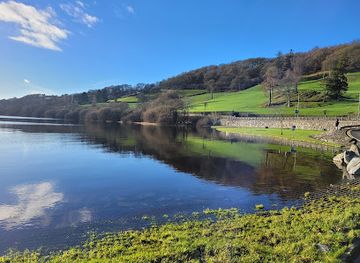
Eryri National Park (Snowdonia)
Discover Wales’ highest peaks, ancient heritage, and wild landscapes in the breathtaking Eryri National Park.
-
Tourist attraction
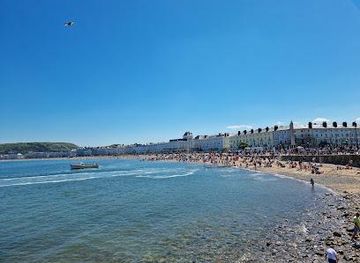
Llandudno Pier
Explore Wales’ longest Victorian pier, offering stunning sea views, lively arcades, traditional treats, and family fun year-round.
-
Castle
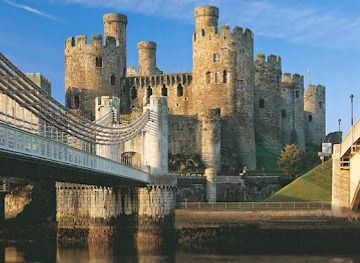
Conwy Castle
Explore Conwy Castle, a magnificent medieval fortress towering over North Wales with breathtaking views and rich history.
-
Castle
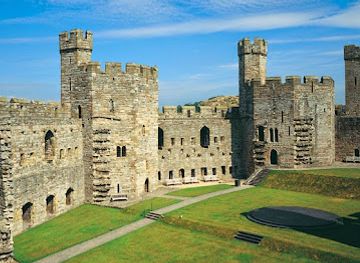
Caernarfon Castle
Explore the iconic medieval fortress of Caernarfon Castle, a UNESCO World Heritage Site with stunning views and rich royal history.
Best landmarks in Caernarfonshire
Caernarfon Castle is the region's most recognisable built landmark, its polygonal towers and broad walls occupying a strategic position beside the Menai Strait and embodying Edward I's conquest of Gwynedd. The remains of Segontium, nearby, mark the Roman military presence that preceded the medieval town. In the mountains, Yr Wyddfa is the defining natural landmark, rising above Llanberis and visible from wide areas of north-west Wales; its summit routes cross demanding, exposed terrain. The slate terraces and quarry workings around Bethesda, Llanberis and the Nantlle Valley are equally important cultural landmarks, showing how industry reshaped steep mountain landscapes. Criccieth Castle occupies a dramatic coastal ridge above Tremadog Bay, while the stone-built settlements and chapels of the Llŷn Peninsula express the region's enduring Welsh rural culture. Bangor Cathedral, with its long religious history, provides a further point of reference on the Menai Strait. Together these places represent political power, ancient settlement, industrial labour, faith and natural geography rather than a single architectural style.
-
Historical landmark
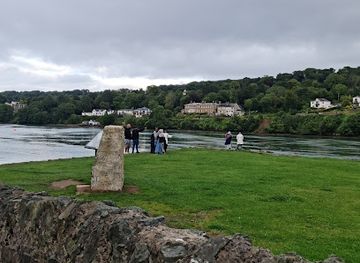
Menai Suspension Bridge.
Walk the world’s first major iron suspension bridge, spanning the Menai Strait with dramatic views of Anglesey and the mainland.
-
Historical landmark
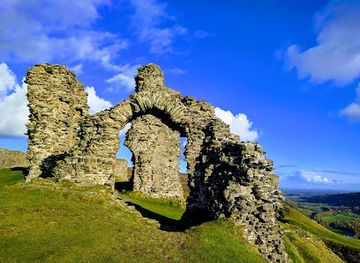
Castell Dinas Brân
Explore the evocative ruins of Castell Dinas Brân, a 13th-century Welsh fortress with panoramic views over Llangollen’s stunning Dee Valley.
-
Historical landmark
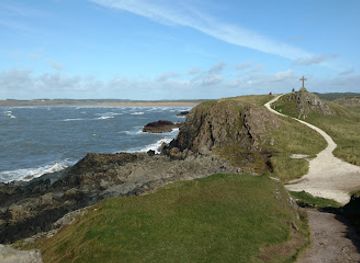
Goleudy Tŵr Mawr
Historic whitewashed lighthouse on a scenic tidal island with panoramic sea views and rich Welsh maritime heritage.
-
Historical landmark
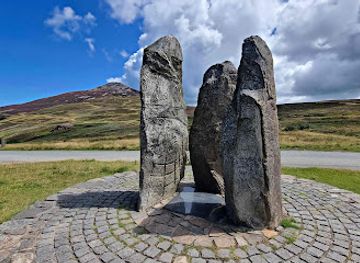
Tre'r Ceiri Hillfort
Britain's highest Iron Age hillfort with intact walls, ancient dwellings, and sweeping peninsula views.
Explore Caernarfonshire on the map
Plan your trip on one map. See where the top cities, national parks and sights are, and book hotels and experiences in a few clicks.
Best hotels in Caernarfonshire
Best restaurants in Caernarfonshire
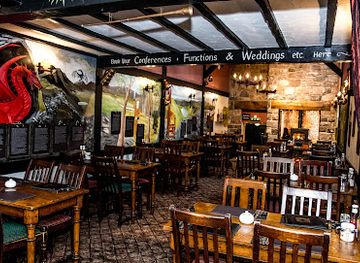
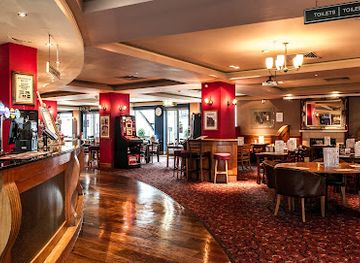
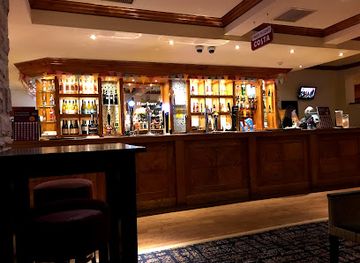
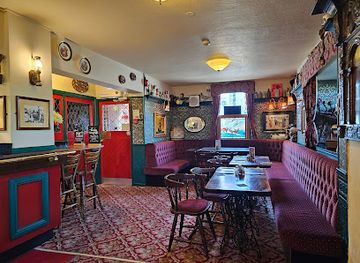
Eating in Caernarfonshire combines familiar Welsh produce with the practical traditions of cafés, pubs, bakeries and rural inns. Welsh lamb and beef, locally caught fish, shellfish, farmhouse cheeses and seasonal vegetables appear on menus across Caernarfon, Bangor, Llanberis, Porthmadog and the Llŷn Peninsula. Welsh cakes and bara brith are widely associated with Wales and make useful accompaniments to tea, while contemporary kitchens often reinterpret regional ingredients without claiming that every dish is exclusive to the area. Coastal communities provide seafood-focused meals, whereas inland villages tend towards hearty pub food and provisions suited to walkers. Farmers' and producers' markets offer cheese, preserves, bread, cakes and drinks, with availability varying by season. Vegetarian and contemporary dining is most varied in the larger towns and university city of Bangor. Welsh beer, cider and gin are commonly available, but the region's food culture is just as strongly represented by cafés, bakeries and community-oriented eateries as by formal dining rooms.
-
Restaurant
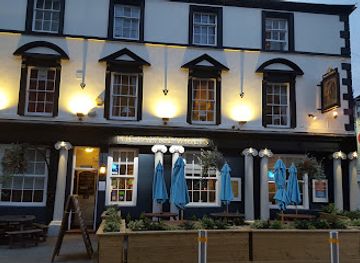
Black Boy Inn Four & Six Restaurant & Bar
Historic Welsh inn with charming rooms, award-winning local cuisine, and a lively pub atmosphere in the heart of Caernarfon’s medieval town.
-
Restaurant
Tafarn Y Porth - JD Wetherspoon
A lively, historic pub in central Caernarfon offering great value meals, local ales, and a welcoming atmosphere near the town’s ancient East Gate.
-
Family friendly
Harbour Table Table
Family-friendly dining with classic British dishes and stunning Menai Strait views in the heart of Caernarfon’s harbour.
-
Restaurant
Y Glyntwrog Inn
A cozy traditional Welsh pub in Llanrug serving hearty fare, real ales, and warm hospitality in the heart of the countryside.
Best bars in Caernarfonshire
Evenings in Caernarfonshire generally centre on pubs, cafés, restaurants and live cultural events rather than a large nightclub circuit. Caernarfon has the region's most concentrated town-centre choice, with traditional pubs, modern bars and venues connected to music and Welsh-language culture. Bangor's university population supports a broader evening scene, including pubs, bars, live music and late venues, although the character changes during academic holidays. In Llanberis, Bethesda, Porthmadog and the Llŷn Peninsula, nightlife is more restrained and often revolves around local pubs, inns, restaurants and occasional performances. Coastal communities can feel busier in summer, while rural areas become quiet earlier. Brewery and distillery visits, where available, provide alternatives to late-night entertainment, and many visitors choose an evening walk, a meal or a cultural event over clubbing. Check current arrangements locally, since smaller venues and seasonal businesses can change their schedules.
-
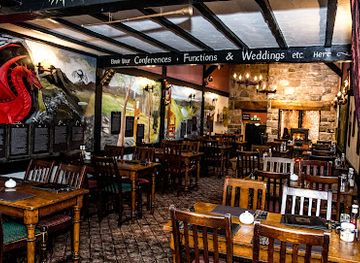
Bar
Black Boy Inn Four & Six Restaurant & Bar
Historic 16th-century Welsh inn in Caernarfon offering hearty local cuisine, cozy rooms, and authentic old-world charm near Snowdonia.
-
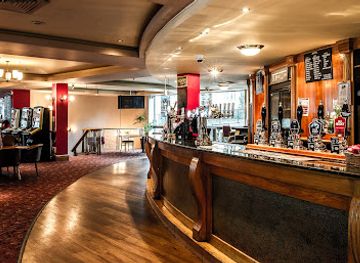
Pub
Tafarn Y Porth - JD Wetherspoon
Historic charm meets vibrant Welsh hospitality at Tafarn Y Porth, Caernarfon’s welcoming Wetherspoon pub with hearty local fare and lively atmosphere.
-
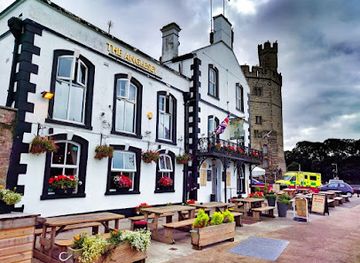
Pub
Anglesey Arms
Historic harbourfront pub and inn in Caernarfon with stunning Menai Strait views, seasonal dining, and welcoming dog-friendly atmosphere.
-
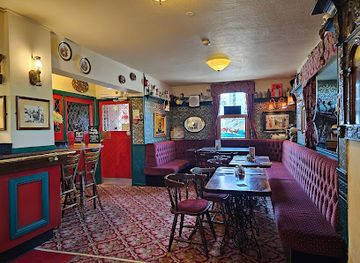
Pub
Y Glyntwrog Inn
A cozy traditional Welsh pub in Llanrug offering hearty home-cooked meals, local ales, and warm village hospitality.
Best nightclubs in Caernarfonshire
Evenings in Caernarfonshire generally centre on pubs, cafés, restaurants and live cultural events rather than a large nightclub circuit. Caernarfon has the region's most concentrated town-centre choice, with traditional pubs, modern bars and venues connected to music and Welsh-language culture. Bangor's university population supports a broader evening scene, including pubs, bars, live music and late venues, although the character changes during academic holidays. In Llanberis, Bethesda, Porthmadog and the Llŷn Peninsula, nightlife is more restrained and often revolves around local pubs, inns, restaurants and occasional performances. Coastal communities can feel busier in summer, while rural areas become quiet earlier. Brewery and distillery visits, where available, provide alternatives to late-night entertainment, and many visitors choose an evening walk, a meal or a cultural event over clubbing. Check current arrangements locally, since smaller venues and seasonal businesses can change their schedules.
-
Pub
Palace Vaults
A lively historic pub opposite Caernarfon Castle offering cozy vibes, live music, hearty meals, and a welcoming atmosphere for locals and visitors alike.
-
Nightclub
Trilogy Nightclub
Experience Bangor’s vibrant nightlife at Trilogy Nightclub, where four unique rooms, great music, and lively crowds create unforgettable weekend parties.
-
Nightclub
Academi
A vibrant student nightclub in Bangor, offering lively music, affordable drinks, and a welcoming atmosphere for unforgettable nights.
-
Nightclub
Club 147
Llandudno’s energetic nightclub and sports bar offering electronic beats, lively atmosphere, and friendly service in a central location.



Best shops in Caernarfonshire
Shopping in Caernarfonshire is concentrated in the high streets and independent businesses of Caernarfon, Bangor, Porthmadog and the peninsula's market towns. Caernarfon combines everyday shops with galleries, bookshops, craft retailers and food businesses around its historic centre, while Bangor has the widest general retail offer and a strong student-oriented character. Porthmadog is useful for outdoor equipment, local provisions and regional gifts. In villages and coastal communities, look for pottery, textiles, artwork, slate products, jewellery and Welsh-language books rather than extensive chain retail. Farmers' markets and producers' stalls provide opportunities to buy cheese, preserves, cakes, honey, beer and other regional foods, although market days and seasonal availability vary. Slate souvenirs have a genuine connection with the region's industrial history, provided they are responsibly sourced. Independent galleries and craft shops on the Llŷn Peninsula often reflect the coastal and rural landscape, while larger supermarkets in the towns are practical for self-catering visitors.
-
Farm shop
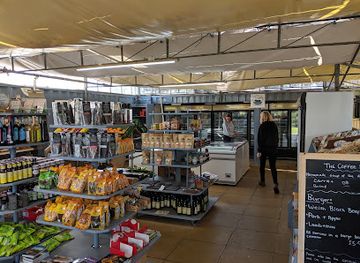
Hootons Homegrown Farm Shop.+ Farmer Hooton's Tatws Poeth Hot Potatoes
Experience fresh, homegrown produce and traditional Welsh hot potatoes at Hootons Homegrown Farm Shop in the heart of Anglesey’s countryside.
-
Outdoor clothing and equipment shop
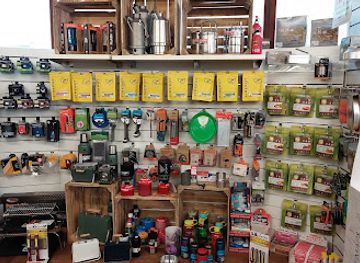
Crib Goch Outdoor Shop Llanberis
Your trusted outdoor gear specialist at the foot of Snowdon, offering expert advice and top-quality equipment for hiking, running, and camping in North Wales.
-
Supermarket
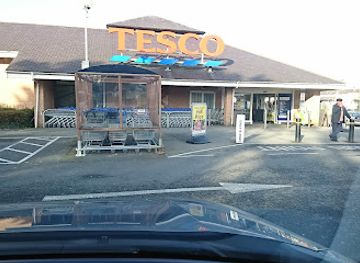
Tesco Superstore
Your convenient and comprehensive supermarket in Caernarfon, offering fresh local produce and everyday essentials with extended hours.
-
Gift shop
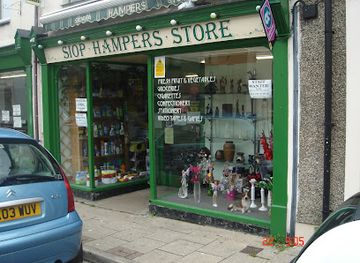
Hampers Store
A versatile gift and general store in Penygroes offering sweets, hardware, stationery, pet food, and DIY supplies under one welcoming roof.
Get your free copy of our complete guide to Caernarfonshire, delivered straight to you.
Everything on this page, from attractions and restaurants to essentials and local phrases, in one PDF you can read offline, print or share.
Already have an account? Sign in
Your Caernarfonshire guide is ready.
We'll send it to · Not you? Sign out

Getting your guide ready…
We are putting together a fresh copy of the Caernarfonshire guide. This can take up to a minute.
This can take a few moments. If your browser asks, choose Allow so the download can start. You'll find the guide in your Downloads folder.
Nothing happened? Download it again
Sorry, the guide is taking longer than usual. Please try again in a minute, or get it by email instead.
Caernarfonshire essentials
Currency and Payment
Safety
Emergency Situations
Do's and Don'ts
Local Tips
From Eve
Local phrases worth knowing
You don't need to get them perfect. A few words go a long way, and locals appreciate the effort.
Basics
| English | Local | Say it |
|---|---|---|
| Hello | Shwmae | [shoo-my] |
| Goodbye | Hwyl fawr | [hoyl vower] |
| Yes | Ie | [yay] |
| No | Na | [nah] |
| Please/You’re welcome | Os gwelwch yn dda | [os gweh-lukh un thah] |
| Thank you | Diolch | [dee-olkh] |
| Excuse me/Sorry | Mae'n ddrwg gennyf | [my un droog gen-iv] |
| How are you? | Sut wyt ti? | [sit woot tee] |
| Fine. And you? | Iawn. A ti? | [yown. ah tee] |
| Do you speak English? | Ydych chi'n siarad Saesneg? | [ith-ikh khin shiar-ad sighs-neg] |
| I don't understand | Dydw i ddim yn deall | [dih-doo ee dheem un deh-al] |
Eating & Drinking
| English | Local | Say it |
|---|---|---|
| I’d like to see the menu, please | Hoffwn i weld y fwydlen, os gwelwch yn dda | [hoh-foon ee weld uh voo-id-len, os gweh-lukh un thah] |
| I don’t eat meat | Dydw i ddim yn bwyta cig | [dih-doo ee dheem un boo-ita keeg] |
| Cheers! | Iechyd da! | [yech-id dah] |
| I would like to pay, please | Hoffwn i dalu, os gwelwch yn dda | [hoh-foon ee dah-lee, os gweh-lukh un thah] |
Emergencies
| English | Local | Say it |
|---|---|---|
| Help! | Help! | [help] |
| Go away! | Dos i ffwrdd! | [dohs ee foord] |
| Call the Police! | Galwch am y heddlu! | [gal-ukh am uh heth-lee] |
| Call a doctor! | Galwch am ddoctor! | [gal-ukh am doctor] |
| I’m lost | Dw i wedi colli | [doo ee weh-dee col-ee] |
| I’m ill | Dw i'n sal | [doo een sal] |
Shopping
| English | Local | Say it |
|---|---|---|
| I’d like to buy... | Hoffwn i brynu... | [hoh-foon ee brin-ee] |
| I’m just looking | Dw i'n edrych yn unig | [doo een ed-rikh un een-ig] |
| How much is it? | Faint mae'n costio? | [vint mine kost-io] |
| That’s too expensive | Mae hynny'n rhy drud | [my hun-nee un ree drid] |
| Can you lower the price? | Allwch chi leihau'r pris? | [ahl-lukh khin lay-hai'r prees] |
Time & Numbers
| English | Local | Say it |
|---|---|---|
| What time is it? | Faint yw e? | [vint yu eh] |
| It’s one o’clock | Mae hi'n un o'r gloch | [my hee-un een or gloch] |
| Half past (10) | Hanner awr (10) | [han-er ow-r (10)] |
| Morning | Bore | [bore] |
| Afternoon | Prydni | [prid-nee] |
| Evening | Noswaith | [nos-wah-eeth] |
| Yesterday | Ddoe | [thoy] |
| Today | Heddiw | [hed-ee] |
| Tomorrow | Fory | [vor-ee] |
| 1 | Un | [een] |
| 2 | Dau | [die] |
| 3 | Tri | [tree] |
| 4 | Pedair | [ped-eye-r] |
| 5 | Pum | [peem] |
| 6 | Chwech | [khwehkh] |
| 7 | Saith | [sighth] |
| 8 | Wyth | [ooith] |
| 9 | Naw | [now] |
| 10 | Deg | [deg] |
Transport & Directions
| English | Local | Say it |
|---|---|---|
| Where's a/the...? | Ble mae...? | [bleh my...] |
| What's the address? | Beth yw'r cyfeiriad? | [beth yur kuh-veyri-ad] |
| Can you show me (on the map)? | Allwch chi fy arddangos (ar y map)? | [ahl-lukh khin vuh ar-thang-os (ar uh map)] |
| When's the next (bus)? | Pryd mae'r (bws) nesaf? | [prid my-ur (bus) ness-af] |
| A ticket (to ....) | Tocyn (i....) | [tock-in (ee....)] |
History of Caernarfonshire
Prehistoric Communities and the Celtic Landscape
Caernarfonshire contains extensive evidence of prehistoric settlement, burial and ritual activity. Neolithic and Bronze Age communities used the valleys, uplands and coastal margins, leaving behind standing stones, cairns, hillforts and traces of farming. The mountains and peninsula were not an empty wilderness but a managed landscape shaped by movement, grazing and seasonal work. Later Iron Age hillforts show how communities responded to changing political conditions and defended prominent locations. Although many sites are modest in appearance, together they reveal a long human relationship with the region's rivers, lakes, coast and upland routes.
Roman Segontium and Early Welsh Kingdoms
The Romans established Segontium near modern Caernarfon in the late first century AD, probably to control the Menai Strait and the north-western approaches to Wales. The fort became an important military and administrative centre, and its remains provide one of the clearest ancient monuments in the region. Roman influence did not erase local society, however. After Roman rule ended, the area became part of the political world of the early Welsh kingdoms, with churches, settlements and territorial divisions developing around older routes and communities.
Gwynedd and the Princes of Wales
For much of the medieval period, Caernarfonshire formed a core part of the kingdom of Gwynedd. Princes including Llywelyn the Great and Llywelyn ap Gruffudd governed from a network of courts, castles and religious foundations, while the mountains provided both resources and defensible terrain. The struggle between the Welsh princes and the English Crown shaped the region's political history. Castles, churches and place names still preserve the legacy of this period, when Gwynedd was a major centre of Welsh political authority rather than a peripheral borderland.
Edwardian Conquest and the Castles of Caernarfonshire
Following the conquest of Gwynedd in 1282–83, Edward I created a new system of royal castles, walled towns and administrative settlements. Caernarfon Castle was the most politically charged of these works, built beside the Roman site and intended to project English royal authority across north Wales. Nearby fortifications and planned boroughs altered patterns of trade and governance. The construction programme was a major economic undertaking involving engineers, labourers and materials from across the realm, and its surviving architecture remains one of the defining features of the region.
The Tudor Union and Changing Administration
The Laws in Wales Acts of the sixteenth century formally incorporated Wales into the legal and administrative structures of the English state. Caernarfonshire became a county with clearer institutions, courts and boundaries, although Welsh language, local custom and religious life remained deeply important. The Tudor period also brought more regular integration into wider trade and government networks. Market towns, landed estates and ecclesiastical institutions adapted to the new order, while the region retained a strong sense of cultural distinction within the developing Kingdom of England.
The Rise of the Slate Industry
From the eighteenth century, and especially during the nineteenth, slate quarrying transformed the economy and communities of Caernarfonshire. Large workings around Bethesda, Llanberis and the Nantlle Valley extracted roofing slate for British cities and overseas markets. Quarrymen developed specialised skills, and villages grew around workshops, tramways, managers' houses, chapels and workers' terraces. The industry brought wealth to some owners but demanding and hazardous conditions to labouring communities. Its decline in the twentieth century left a powerful industrial landscape that remains central to the region's heritage and identity.
Railways, Tourism and the Modern Region
Railways first served quarrying and freight, then helped make the mountains and coast accessible to leisure travellers. Lines associated with Llanberis, Porthmadog and the Welsh Highland route connected industrial settlements with ports and growing tourist destinations. Victorian and later visitors were drawn by romantic mountain scenery, while outdoor recreation expanded after the creation of the Snowdonia National Park in 1951. Today, conservation, Welsh-language community life, heritage tourism, farming and outdoor recreation exist alongside the continuing need to manage traffic, housing pressure and environmental impacts.
Caernarfonshire in Photos
Browse through our photo collection highlighting the charm and character of the destination.
Neighbouring regions of Caernarfonshire
The closest regions to Caernarfonshire, if you have time for more than one.
-

-

-

-

-


Swipe for more regions
Explore more

Explore more of United Kingdom
Discover the United Kingdom: A blend of rich history, stunning landscapes, and vibrant cities, offering a unique travel experience for every visitor.
Explore United Kingdom