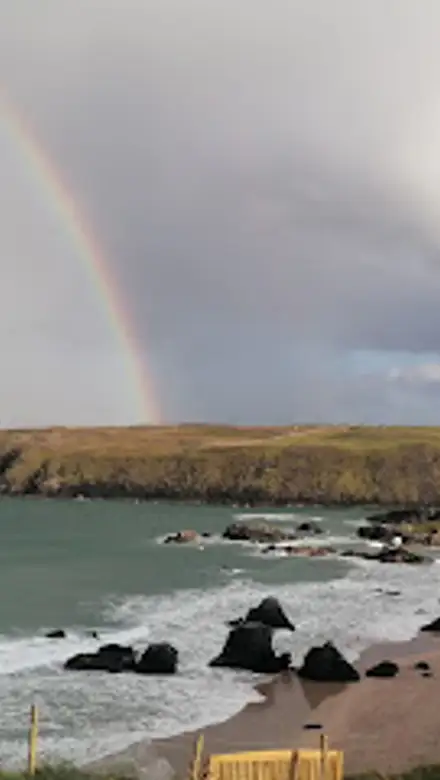
Durness Beach Travel Guide
Free Guide: Experience the wild beauty of Scotland’s northernmost sandy shores, where turquoise waters meet towering limestone cliffs.


A brief summary of Durness Beach
Experience the wild beauty of Scotland’s northernmost sandy shores, where turquoise waters meet towering limestone cliffs.
Durness Beach, located on Scotland’s remote north coast in the village of Durness, offers stunning turquoise waters, expansive golden sands, and dramatic limestone cliffs. Known for its wild natural beauty, this beach is a haven for walkers, surfers, and wildlife enthusiasts, framed by some of the highest cliffs on the British mainland and backed by rugged landscapes.
On-site amenities
 Restrooms
 Drink options
 Food options
 Seating areas
 Trash bins
 Information boards
Opening hours
- Every dayOpen 24 hours
Opening hours as listed on the venue’s Google Business Profile. Hours can change for services and special events, so check with the venue before you go.
- Address
- Durness, Lairg IV27 4PZ
Getting there
Car
Bus
Walking
Discover more about Durness Beach
Untouched Coastal Wilderness in the Scottish Highlands
Durness Beach lies at the edge of the northwestern Highlands, in the village of Durness within the traditional county of Sutherland. This area is renowned for its remoteness and sparse population, offering visitors a truly wild and unspoiled coastal environment. The beach stretches along the Atlantic Ocean with miles of sandy shoreline, backed by striking limestone cliffs and rugged hills. Its remote location means the surroundings remain largely pristine, providing a peaceful escape from urban life.
Geological and Natural Highlights
The limestone geology of the area has shaped the coastline, creating dramatic cliffs and caves, including the famous nearby Smoo Cave. The beach’s turquoise waters contrast vividly with the white sands and dark cliffs, making it a visually stunning spot. The nearby Faraid Head hosts one of Scotland’s largest sand dune systems, with dunes rising up to 60 meters above sea level. Wildlife is abundant, with seals, seabirds, porpoises, and occasionally minke whales visible offshore.
Activities and Visitor Experience
Durness Beach is ideal for long walks along the shore, picnics on the sand, and surfing, thanks to consistent swells on the west coast. The beach’s wild character means it is less crowded than more accessible locations, enhancing its appeal for solitude seekers and nature lovers. Nearby amenities in the village include campsites, hostels, and small hotels, providing comfortable bases for exploring the area. The beach also offers spectacular sunrise and sunset views, and in clear conditions, the Northern Lights can sometimes be seen.
Historical and Cultural Context
The village of Durness has a rich history, from Gaelic roots to strategic roles during World War II with radar stations nearby. The area’s cultural heritage is reflected in its crofting community and local traditions. Visitors can explore historical sites and enjoy the quiet charm of a Highland village that has maintained its character despite modern influences.
Surrounding Attractions and Landscape
Beyond the beach, the surrounding landscape includes Balnakeil Bay, the highest cliffs in the UK mainland at Clo Mor Cliffs, and Cape Wrath, the most northwesterly point of Scotland. These sites offer dramatic vistas and opportunities for hiking and wildlife spotting. The area’s rugged terrain and coastal beauty make it a magnet for photographers and outdoor enthusiasts.
Accessibility and Travel Considerations
Durness is accessible via the A838 road, which is mostly single track with passing places, reflecting the remote nature of the region. The journey from Inverness or Thurso is long but scenic, rewarding travelers with spectacular Highland landscapes. The beach and village provide a tranquil retreat far from the bustle of city life, best visited with proper preparation for variable weather and limited services.
Evendo Review Centre
 Google
Guest reviews
Best time to go
Quietest: Jan, Feb & Dec · before 3am
Busy times are Evendo estimates for a typical year, to help you plan. Actual crowds vary with events, school holidays and the weather.
Explore Durness Beach on the map
A handpicked selection of must-see spots near Durness Beach, mapped for you.
Get your free copy of our complete guide to Durness Beach, delivered straight to you.
Everything on this page, from opening hours and how to get there to Eve’s tips and the best time to go, in one PDF you can read offline, print or share.
Already have an account? Sign in
Your Durness Beach guide is ready.
We'll send it to · Not you? Sign out

Getting your guide ready…
We are putting together a fresh copy of the Durness Beach guide. This can take up to a minute.
This can take a few moments. If your browser asks, choose Allow so the download can start. You'll find the guide in your Downloads folder.
Nothing happened? Download it again
Sorry, the guide is taking longer than usual. Please try again in a minute, or get it by email instead.
Other nearby places you may find interesting
The closest places of the same kind, if this one is not quite what you had in mind.
-
-
-
-
-


Swipe for more places
More to explore near Durness Beach

 Best experiences near Durness Beach
 Best hotels near Durness Beach
 Best landmarks near Durness Beach
 Best attractions near Durness Beach
 Best shops near Durness Beach
 Best restaurants near Durness Beach
 Best bars near Durness Beach
Do you manage this location?
Take control to get all the benefits, like improved information, better appearance, and stronger visibility across AI-powered discovery.
Explore more

Explore more of Caithness
Discover Caithness, Scotland's northern gem, where rugged coastlines, ancient history, and vibrant wildlife come together in a breathtakingly beautiful landscape.
Explore Caithness
Explore more of United Kingdom
Discover the United Kingdom: A blend of rich history, stunning landscapes, and vibrant cities, offering a unique travel experience for every visitor.
Explore United Kingdom