

Free Caithness Travel Guide & Mobile App
Explore Caithness with free travel guides. Discover regional history, expert tips, proposed trips, and audio guides on web or mobile app.




Explore Caithness in northern Scotland for ancient brochs, sea cliffs, coastal villages, powerful landscapes and far-north heritage.
Read more about Caithness
When is the best time to visit Caithness?
Best: June–August · 16–18°C| Month | High (°C) | Rainfall (mm) |
|---|---|---|
| January | 7 | 80 |
| February | 7 | 60 |
| March | 9 | 60 |
| April | 11 | 50 |
| May | 13 | 50 |
| June (best) | 16 | 60 |
| July (best) | 18 | 60 |
| August (best) | 18 | 70 |
| September | 15 | 70 |
| October | 12 | 80 |
| November | 9 | 70 |
| December | 7 | 80 |
Getting to and around Caithness
How to get there
Transportation
Best attractions in Caithness
Caithness offers a concentrated range of attractions across a large, sparsely populated landscape. Prehistoric sites include the chambered cairns at Camster, the Achavanich stone setting and the well-preserved remains at the Hill of Many Stanes, while broch sites and other ancient settlements reveal the county's Iron Age and Pictish past. Coastal scenery is equally important: Dunnet Bay, Dunnet Head, Duncansby Head and the cliffs around Noss Head provide opportunities for walking, photography and seabird watching, subject to weather and safe access. The Castle of Mey combines a historic house, gardens and royal association, whereas Wick's heritage attractions explore fishing, herring and the town's maritime development. Thurso is a base for northern beaches and outdoor activities, including surfing when conditions are suitable. Wildlife watching may include seals, seabirds and occasional cetaceans from coastal viewpoints, though sightings are never guaranteed. The Flow Country landscapes inland offer a different experience of peatlands, open horizons and specialist habitats. Smaller museums, churches, harbours and archaeological remains reward visitors who travel slowly between the principal towns rather than concentrating only on John o' Groats.
-
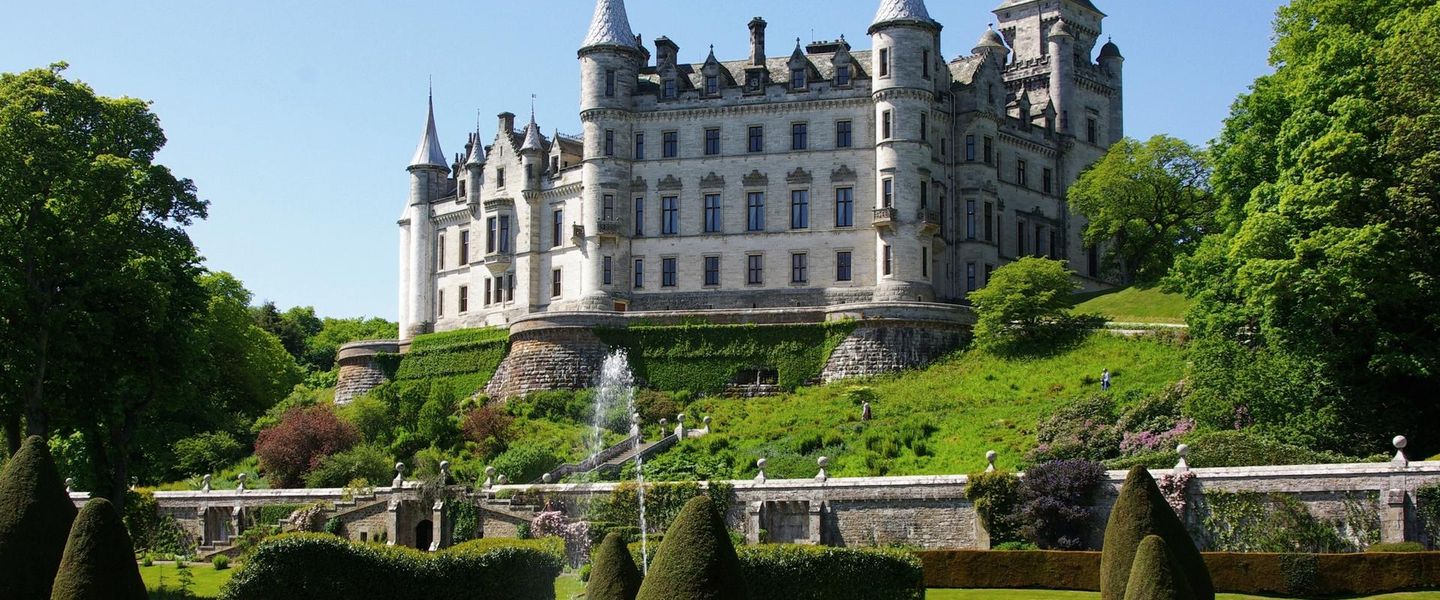
Castle
Dunrobin Castle & Gardens
Explore Scotland’s northernmost grand castle with fairy-tale spires, stunning gardens, rich history, and captivating falconry displays.
-
Scenic point
Chanonry Point
Experience breathtaking close-up dolphin watching on Scotland’s Black Isle, where nature’s marine spectacle unfolds along the Moray Firth.
-
Tourist attraction
Duncansby Head Lighthouse
Scotland’s northeastern sentinel, Duncansby Head Lighthouse offers dramatic cliffs, iconic sea stacks, and rich maritime history at Britain’s edge.
-
Castle
Ardvreck Castle
Explore the haunting ruins of Ardvreck Castle, a dramatic Highland landmark steeped in history, legend, and stunning lochside views.


Best landmarks in Caithness
Dunnet Head is mainland Britain's most northerly point and one of Caithness's defining coastal landmarks, with cliffs, lighthouse buildings and broad views across the Pentland Firth. Nearby Duncansby Head is recognised for its steep cliffs and offshore sea stacks, while Noss Head near Wick combines a prominent lighthouse setting with the ruins of Castle Sinclair Girnigoe. The Castle of Mey is a significant twentieth-century landmark because of its association with Queen Elizabeth The Queen Mother and its carefully maintained estate. Caithness's older identity is visible in the Grey Cairns of Camster, the Achavanich stones and the Hill of Many Stanes, whose prehistoric arrangements remain legible across open ground. The ruined Castle of Old Keiss stands above the east coast, a reminder of the county's noble and maritime past. In Wick, the harbour and surviving fishing-related buildings express the town's role in the herring economy, while Thurso's river, historic townscape and nearby Castlehill area reflect the long relationship between settlement, farmland and the sea.
-
Tourist attraction
John O'Groats Signpost
Britain's most iconic signpost marks the legendary endpoint of the 874-mile Land's End to John o' Groats journey.
-
Hotel
Mackays Hotel
Experience warm Scottish hospitality and locally inspired cuisine in the heart of historic Wick at the family-run Mackays Hotel.
-
Historical landmark
Lybster Harbour
Discover Lybster Harbour’s historic fishing charm and serene coastal beauty nestled in Scotland’s rugged Caithness coastline.
-
Historical landmark
Old Keiss Castle
Perched on Caithness cliffs, Old Keiss Castle’s dramatic ruins tell the tale of Sinclair nobility and Scotland’s turbulent history.


Explore Caithness on the map
Plan your trip on one map. See where the top cities, national parks and sights are, and book hotels and experiences in a few clicks.
Best hotels in Caithness
Best restaurants in Caithness
Dining in Caithness reflects both its coastal position and its rural economy. Wick, Thurso and the larger villages provide cafés, pubs, bakeries and restaurants, while rural inns and small accommodation businesses often form the main eating options outside the towns. Expect Scottish staples alongside locally sourced fish, shellfish, game, lamb, beef and seasonal vegetables, with seafood particularly appropriate around the east and north coasts. Smoked fish, baking and oat-based dishes are part of the wider northern Scottish food tradition, while local producers contribute preserves, cheeses and other farm goods. Menus change with supply and the season, so remote restaurants may require advance planning. Farmers' markets and farm shops, where operating, are useful places to find regional produce, although opening arrangements vary. In the evening, pubs often provide the most informal dining and a chance to sample Scottish beers, whiskies or soft drinks made by regional producers, without assuming that every establishment serves alcohol or remains open late.
-
Restaurant
The Storehouse
A charming Highland eatery and farm shop with stunning Cromarty Firth views, fresh local food, and a welcoming atmosphere in Evanton.
-
Restaurant
The Pier
A charming lakeside café in Lairg offering local produce, panoramic Loch Shin views, and a warm, family-friendly atmosphere.
-
Restaurant
Y Not Bar & Grill
A lively Scottish pub and grill in Thurso serving local favourites, crafted drinks, and cosy stays for Highland explorers.
-
Cafe
Norse Bakehouse
Experience artisan breads, fresh pizzas, and warm Highland hospitality at Norse Bakehouse in scenic Rhitongue.


Best bars in Caithness
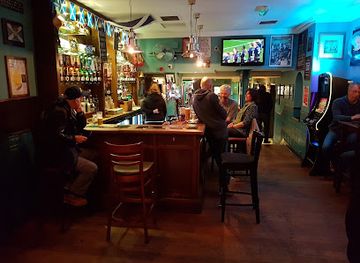
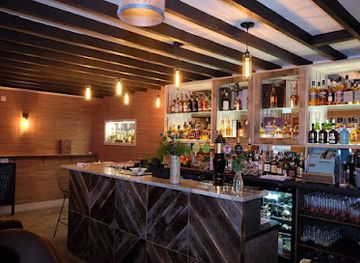
Caithness has a modest, locally oriented evening scene rather than a large nightclub culture. Wick and Thurso have the broadest choice of pubs, hotel bars, restaurants and occasional live-music or community entertainment, while smaller settlements generally centre their evening life on traditional pubs and social clubs. Some venues serve Scottish whisky, local or Scottish beer and simple food, but opening arrangements and entertainment schedules can change, especially outside the summer period. The county's long daylight in June and July often shifts attention towards coastal walks and outdoor activities rather than late-night entertainment. In winter, evenings are quieter and advance planning is sensible if staying in a remote area. Visitors should distinguish between a working local pub, a restaurant with a bar and a dedicated late-night venue; the latter are limited in number, and taxis or public transport may not be readily available after rural closing times.
-
Pub
Gellions Bar
Inverness’s oldest pub, Gellions Bar blends historic charm with vibrant live Scottish music and an extensive selection of local drinks every night.
-
Bar
Y Not Bar & Grill
A vibrant bar and grill in Thurso serving local Scottish dishes, handcrafted drinks, and comfortable stays with a welcoming Highland spirit.
-
Bar
The Malt Room
Discover Inverness’s cozy whisky sanctuary where expert pours, warm ambiance, and live Scottish tunes create unforgettable evenings.
-
Pub
The Clachan
A traditional Highland pub in Dornie offering local ales, excellent whisky, hearty meals, and lively music nights in a warm, welcoming atmosphere.


Best nightclubs in Caithness
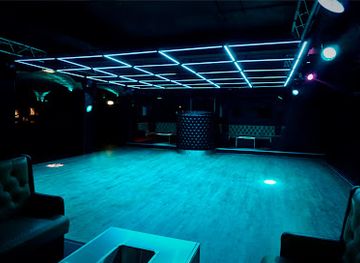
Caithness has a modest, locally oriented evening scene rather than a large nightclub culture. Wick and Thurso have the broadest choice of pubs, hotel bars, restaurants and occasional live-music or community entertainment, while smaller settlements generally centre their evening life on traditional pubs and social clubs. Some venues serve Scottish whisky, local or Scottish beer and simple food, but opening arrangements and entertainment schedules can change, especially outside the summer period. The county's long daylight in June and July often shifts attention towards coastal walks and outdoor activities rather than late-night entertainment. In winter, evenings are quieter and advance planning is sensible if staying in a remote area. Visitors should distinguish between a working local pub, a restaurant with a bar and a dedicated late-night venue; the latter are limited in number, and taxis or public transport may not be readily available after rural closing times.
-
Nightclub
Why Not Nightclub
Edinburgh’s dynamic late-night hotspot with cutting-edge LED rooms, lively dance floors, and a spacious outdoor garden for unforgettable nights.
-
Nightclub
Roobarb
Experience vibrant nightlife and great music at Roobarb, Fort William’s lively nightclub on High Street.
-
Nightclub
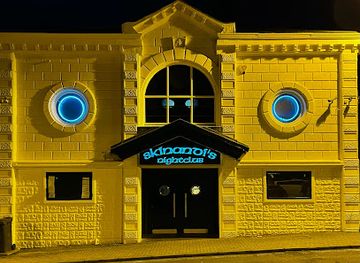
Skinandi's Nightclub
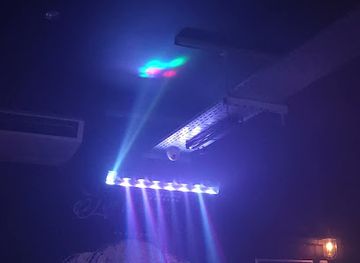
Experience the vibrant nightlife at Skinandi's, the northernmost nightclub on mainland UK, right in the heart of Thurso.
-
Nightclub
The Waterfront
Wick’s lively and singular nightclub offering a vibrant dance floor and diverse music in the heart of this northern Scottish town.

Best shops in Caithness
Shopping in Caithness is concentrated in the high streets and independent businesses of Wick and Thurso, with smaller selections in market villages and coastal settlements. Visitors will find everyday shops, outdoor clothing, books, gifts, galleries, cafés and craft retailers rather than extensive department-store or luxury shopping. Useful regional purchases include local whisky and other Scottish drinks, smoked fish, oat-based baking, preserves, woollen goods, ceramics, jewellery and artwork inspired by the coast or prehistoric heritage. Farm shops and seasonal producers can offer a more direct connection with Caithness agriculture, but locations and opening days should be checked before making a special journey. The Castle of Mey estate and other established heritage sites may provide locally themed gifts, while John o' Groats has tourism-oriented shops serving visitors travelling to the far north. Independent retailers are generally more limited in remote areas, so Wick and Thurso are the practical places to combine food shopping, supplies and souvenirs.
-
Discount shop
B&M Home Store with Garden Centre
Affordable home and garden essentials combined with fuel services in Wick’s vibrant retail hub.
-
Gift shop
Jail Dornoch
Explore a historic former prison turned cozy gift shop with original features, quality Highland products, and warm, friendly service in Dornoch.
-
Shopping Centre
Wick Retail Park
Wick Retail Park offers a diverse and accessible shopping experience with major retailers in a relaxed, open-air setting in northern Scotland.
-
Discount shop
The Original Factory Shop (Thurso)
Discover unbeatable deals on branded fashion, beauty, and footwear at The Original Factory Shop in Thurso’s bustling High Street.


Get your free copy of our complete guide to Caithness, delivered straight to you.
Everything on this page, from attractions and restaurants to essentials and local phrases, in one PDF you can read offline, print or share.
Already have an account? Sign in
Your Caithness guide is ready.
We'll send it to · Not you? Sign out

Getting your guide ready…
We are putting together a fresh copy of the Caithness guide. This can take up to a minute.
This can take a few moments. If your browser asks, choose Allow so the download can start. You'll find the guide in your Downloads folder.
Nothing happened? Download it again
Sorry, the guide is taking longer than usual. Please try again in a minute, or get it by email instead.
Caithness essentials
Currency and Payment
Safety
Emergency Situations
Do's and Don'ts
Local Tips
From Eve
Local phrases worth knowing
You don't need to get them perfect. A few words go a long way, and locals appreciate the effort.
Basics
| English | Local | Say it |
|---|---|---|
| Hello | Hullo | [hʌl.oʊ] |
| Goodbye | Cheerio | [tʃɪə.ri.oʊ] |
| Yes | Aye | [aɪ] |
| No | Nae | [neɪ] |
| Please/You're welcome | Please/Ye're welcome | [pliz/jɪr 'wɛlkəm] |
| Thank you | Thanks | [θæŋks] |
| Excuse me/Sorry | Excuse me/Sorry | [ɪkˈskjus mi/ˈsɔri] |
| How are you? | How's it gaun? | [haʊz ɪt ɡaʊn] |
| Fine. And you? | A'm fine. An ye? | [æm faɪn. ən jɪ] |
| Do you speak English? | Dae ye speak English? | [deɪ jɪ spiːk ˈɪŋɡlɪʃ] |
| I don't understand | A dinnae understand | [æ dɪn.ɪ ˌʌndərˈstænd] |
Eating & Drinking
| English | Local | Say it |
|---|---|---|
| I'd like to see the menu, please | Ah'd like tae see the menu, please | [ɑːd laɪk teɪ siː ðə ˈmɛnjuː pliz] |
| I don't eat meat | A dinnae eat meat | [æ dɪn.ɪ it miːt] |
| Cheers! | Slàinte! | [slæntʃə] |
| I would like to pay, please | Ah'd like tae pay, please | [ɑːd laɪk teɪ peɪ pliz] |
Emergencies
| English | Local | Say it |
|---|---|---|
| Help! | Help! | [hɛlp] |
| Go away! | Ga awa! | [ɡa əˈwɑː] |
| Call the Police! | Phone the polis! | [foʊn ðə ˈpoʊlɪs] |
| Call a doctor! | Phone a doctor! | [foʊn ə ˈdɒktər] |
| I'm lost | A'm lost | [æm lɒst] |
| I'm ill | A'm no weel | [æm noʊ wil] |
Shopping
| English | Local | Say it |
|---|---|---|
| I'd like to buy... | Ah'd like tae buy... | [ɑːd laɪk teɪ baɪ] |
| I'm just looking | A'm just lookin' | [æm dʒʌst ˈlʊk.ɪn] |
| How much is it? | Whit’s the price? | [wɪts ðə praɪs] |
| That's too expensive | That’s ower dear | [ðæts ˈoʊər dɪr] |
| Can you lower the price? | Kin ye lower the price? | [kɪn jɪ ˈloʊər ðə praɪs] |
Time & Numbers
| English | Local | Say it |
|---|---|---|
| What time is it? | Whit time is it? | [wɪt taɪm ɪz ɪt] |
| It's one o'clock | It’s one o'clock | [ɪts wʌn əˈklɒk] |
| Half past (10) | Half past ten | [hɑːf pɑːst tɛn] |
| Morning | Mornin' | [ˈmɔːrnɪn] |
| Afternoon | Efterneen | [ˌæftərˈniːn] |
| Evening | Evenin' | [ˈiːvnɪn] |
| Yesterday | Yestreen | [jɛsˈtriːn] |
| Today | Tday | [tʊˈdeɪ] |
| Tomorrow | Morrow | [ˈmɒroʊ] |
| 1 | Yin | [jɪn] |
| 2 | Twa | [twɑː] |
| 3 | Three | [θriː] |
| 4 | Fower | [ˈfaʊər] |
| 5 | Five | [faɪv] |
| 6 | Six | [sɪks] |
| 7 | Seven | [ˈsɛv.ən] |
| 8 | Eight | [eɪt] |
| 9 | Nine | [naɪn] |
| 10 | Ten | [tɛn] |
Transport & Directions
| English | Local | Say it |
|---|---|---|
| Where's a/the...? | Whar's a/the...? | [wɛrz ə/ðə] |
| What's the address? | Whit’s the address? | [wɪts ðə əˈdrɛs] |
| Can you show me (on the map)? | Kin ye show me (on the map)? | [kɪn jɪ ʃoʊ mi (ɒn ðə mæp)] |
| When's the next (bus)? | When's the next (bus)? | [wɛn ðə nɛkst (bʌs)] |
| A ticket (to ....) | A ticket (ta ....) | [ə ˈtɪkɪt (tə)] |
History of Caithness
Neolithic Cairns and Early Settlement
Caithness has some of Scotland's most important prehistoric monuments, including chambered cairns at Camster, Grey Cairns of Camster and the cairns at Achavanich. Built several thousand years ago, these communal burial structures demonstrate organised communities with enduring connections to particular landscapes. Standing stones, stone rows and later prehistoric settlements add to the archaeological record. The monuments are not isolated curiosities: their placement across fertile ground, moorland and coastal approaches helps explain how early communities used and understood northern Caithness.
Brochs and Pictish Caithness
From the Iron Age into the early medieval period, Caithness was home to substantial stone settlements known as brochs. Sites such as the Broch of Gurness, which lies outside Caithness in Orkney, are often confused with the mainland county; within Caithness, examples include the substantial remains at Dunbeath and Castlehill. These buildings were probably more than defensive towers, functioning as prominent homes and centres within wider communities. Pictish symbol stones and later archaeological evidence show that northern society remained connected to broader cultural networks across Scotland.
Norse Rule and the Earldom of Orkney
Norse influence became powerful in northern Scotland from the Viking Age, and Caithness was closely connected with the Norse earldom centred on Orkney. Scandinavian place names, maritime links and the county's position beside the Pentland Firth preserve evidence of this period. Caithness occupied a frontier between Norse and Scottish spheres of power, and control shifted over time. The county's coastal geography made it a point of contact for trade, political rivalry and movement between mainland Scotland and the Northern Isles.
Medieval Lords and Sinclair Strongholds
As Scottish royal authority expanded northwards, Caithness became associated with powerful local families and the earldom of Caithness. The Sinclairs established major strongholds on the eastern coast, including Castle Sinclair Girnigoe near Wick, while other noble families controlled estates and settlements across the county. The ruined castles visible today reflect both strategic maritime positions and the competitive politics of late medieval and early modern Scotland. Religious foundations, parish churches and estate landscapes added further structure to rural society.
Fishing, Farming and the Coastal Economy
From the eighteenth and nineteenth centuries, Caithness communities were transformed by commercial agriculture, fishing and maritime trade. Wick became one of Britain's major herring ports, attracting seasonal workers and supporting curing, boatbuilding and related industries. Thurso and smaller harbours also served local trade and fishing. At the same time, estate reorganisation and the wider Highland Clearances altered patterns of settlement, with some communities displaced and crofting landscapes reshaped. The county's harbours, fish-curing buildings and dispersed farms retain traces of this economic history.
Lighthouses and Maritime Navigation
Caithness's exposed coastline required improved navigation as shipping and fishing intensified. Lighthouses and associated buildings at places including Noss Head and Dunnet Head formed part of a wider network of aids to navigation around Scotland's dangerous northern waters. The work of lighthouse engineers and keepers was demanding, particularly around the Pentland Firth and storm-exposed headlands. These structures are now prominent coastal landmarks, but they also record the practical infrastructure that supported nineteenth- and twentieth-century maritime commerce.
Dounreay and the Modern Northern Economy
The establishment of the Dounreay nuclear research site on the north coast after the Second World War brought a major scientific and industrial presence to Caithness. Research into fast breeder reactor technology made the site internationally significant and generated employment, housing and infrastructure in a largely rural county. Although the reactor programme ended and the site entered decommissioning, its legacy remains important in Caithness's modern history. It illustrates the contrast between ancient archaeological landscapes and the region's role in twentieth-century technological development.
Caithness in Photos
Browse through our photo collection highlighting the charm and character of the destination.
Neighbouring regions of Caithness
The closest regions to Caithness, if you have time for more than one.
-
-

-

-

-


Swipe for more regions
Explore more

Explore more of United Kingdom
Discover the United Kingdom: A blend of rich history, stunning landscapes, and vibrant cities, offering a unique travel experience for every visitor.
Explore United Kingdom