
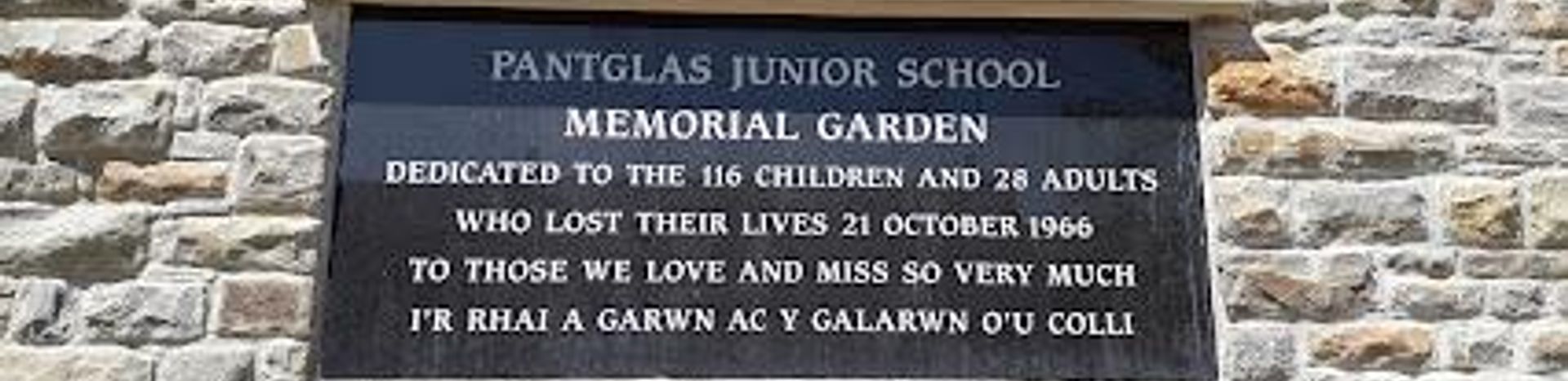
Aberfan Disaster Memorial
A solemn memorial garden honouring 144 lives lost in Wales' greatest tragedy, standing as a testament to community resilience.
The Aberfan Disaster Memorial stands on the site of the former Pantglas Junior School in this Welsh mining village, commemorating the 144 lives lost in the catastrophic landslide of 21 October 1966. This beautifully maintained memorial garden features stone walls marking where classrooms once stood, peaceful pathways, and inscriptions honoring the 116 children and 28 adults who perished. The site serves as a place of profound reflection, community resilience, and historical remembrance, drawing visitors from around the world to pay their respects and learn about one of Wales' greatest tragedies.
A brief summary to Aberfan Disaster Memorial
- Moy Rd, Merthyr Tydfil, Aberfan, GB
- Duration: 0.75 to 2.5 hours
- Free
-
 Outdoor
- Mobile reception: 4 out of 5
Local tips
- Take time to read the inscriptions and stone walls that mark where the school's classrooms stood; they provide deep insights into the community's history and the lives remembered.
- Visit during quieter hours, particularly on weekday mornings, to fully appreciate the serene atmosphere and reflect peacefully without crowds.
- Wear comfortable walking shoes as the memorial garden encourages exploration of its beautifully landscaped pathways and thoughtful installations.
- If possible, engage with local residents who can share personal stories and historical context about the disaster and the community's remarkable recovery.
- Consider visiting on 21 October to participate in annual remembrance events that honour those who perished and celebrate the community's resilience.

For the on-the-go comforts that matter to you
- Restrooms
- Seating Areas
- Information Boards
- Trash Bins
Getting There
-
Car
From Merthyr Tydfil town centre, follow the A4054 towards Aberfan for approximately 2 miles. Turn onto Moy Road where signage directs you to the memorial. Parking is available near the site. Journey time from Merthyr Tydfil is approximately 10–15 minutes depending on traffic. The memorial is accessible via well-maintained roads suitable for all vehicles.
-
Bus
Local buses serve Aberfan from Merthyr Tydfil town centre, with journey times of 20–30 minutes depending on the service and stops. Services operate throughout the day with reduced frequency on Sundays. Check local transport schedules for current timetables and fares, which typically cost between £2–£4 per journey. The memorial is a short walk from the main bus stops in the village.
-
Walking
From Aberfan village centre, the memorial is accessible via a 15–20 minute walk along local roads and pathways. The route is relatively flat with good pavement access. Comfortable walking shoes are recommended. The final approach to the memorial features well-maintained resin-bound pathways suitable for most mobility levels.
-
Taxi
Taxis are available from Merthyr Tydfil and surrounding areas, with typical fares ranging from £8–£15 depending on your starting point. Journey time from Merthyr Tydfil is approximately 10–15 minutes. Local taxi firms can be contacted through accommodation providers or visitor information services.
Aberfan Disaster Memorial location weather suitability
-
 Any Weather
-
 Rain / Wet Weather
-
 Cold Weather
-
 Mild Temperatures
Discover more about Aberfan Disaster Memorial
A Tragedy That Changed Wales Forever
On the morning of 21 October 1966, Aberfan experienced one of the greatest disasters in Welsh history. Heavy rain had saturated the coal waste tip perched on the hillside above the village, causing it to suddenly collapse. An avalanche of approximately 1.4 million cubic feet of liquefied coal slurry—roughly 100,000 tons—roared down the mountainside at 9:13 am, engulfing Pantglas Junior School and a row of houses in its path. The children were preparing for their school holidays with a half-day treat when the disaster struck. In total, 144 people lost their lives: 116 children, mostly between the ages of seven and ten, and 28 adults including five teachers and the school's deputy head. The children died in their classrooms on what should have been a day of celebration.The Memorial Garden's Significance
The Aberfan Disaster Memorial Garden now occupies the exact site where Pantglas Junior School once stood. Opened by Queen Elizabeth II in March 1973, the garden was created through funds raised by the Aberfan Disaster Memorial Fund, which received nearly 88,000 contributions totalling £1.75 million—the second-largest charitable fund ever raised in the United Kingdom at that time. The garden features distinctive stone walls that outline where the school's classrooms were located, serving as a physical map of the tragedy. In February 2022, the cemetery, memorial garden, and the area of the tip and its slide path were listed on the Cadw/ICOMOS Register of Parks and Gardens of Special Historic Interest in Wales as a Grade II* site of great national importance and meaning.Craftsmanship and Ongoing Restoration
The memorial has been meticulously maintained and restored to honour those who perished. In 2019, all stonework was entirely renovated using locally sourced Pennant stone that displays beautiful colours in all weather conditions. September 2024 saw the completion of new resin-bound pathways throughout the garden, providing a visually stunning and seamless appearance. These restoration efforts reflect the commitment of the Aberfan Memorial Charity to maintain the garden to the highest possible standards for bereaved families, survivors, the local community, and the thousands of visitors who arrive from around the world each year to pay their respects.A Place of Reflection and Community Resilience
The memorial garden provides a tranquil space for contemplation and remembrance. Well-maintained paths wind through the landscaped grounds, which feature thoughtful installations and inscriptions that tell the story of that fateful day and its ongoing impact on the community. The serene atmosphere encourages visitors to pause and reflect on the lives lost and the remarkable resilience demonstrated by Aberfan's residents in the aftermath of tragedy. Many local residents remain connected to the site and are willing to share their personal stories and historical context, deepening the understanding of this pivotal moment in Welsh history.Legacy and Lessons
The Aberfan disaster led to a high-level independent inquiry that placed full responsibility on the National Coal Board for its negligence in maintaining the unsafe coal tip. The inquiry revealed that the tip had been located on top of springs shown on Ordnance Survey maps and had previously slid in 1944 and 1963, yet no adequate safety measures were implemented. The disaster prompted significant changes in mining safety practices and remains a powerful reminder of the importance of community solidarity, proper governance, and learning from tragedy. The memorial stands not merely as a place of mourning but as a testament to the enduring spirit of a community that has transformed profound loss into a narrative of hope and recovery.Iconic landmarks you can’t miss

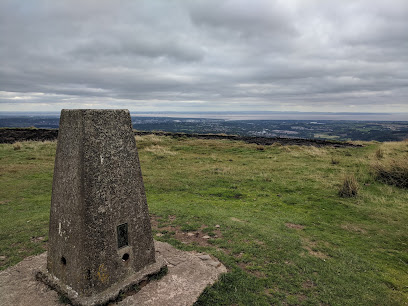
Twmbarlwm
19.0 km
Explore Twmbarlwm’s ancient hillfort with breathtaking views, rich history, and legendary tales atop South Wales’ iconic ridge.
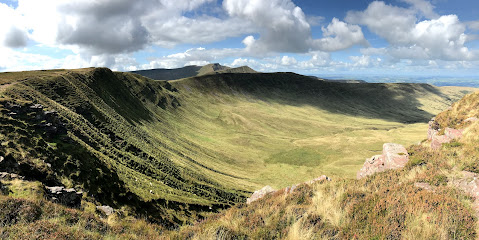
Gwaun Cerrig Llwydion
19.6 km
Discover the breathtaking beauty of Gwaun Cerrig Llwydion, a hiker's paradise in Merthyr Tydfil, where nature and tranquility converge.
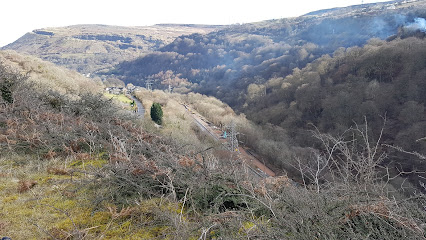
Ogof Craig a Ffynnon
19.8 km
Explore the breathtaking limestone caves of Ogof Craig a Ffynnon, an unforgettable adventure in the heart of Wales' stunning countryside.
Bannau Brycheiniog National Park (Brecon Beacons)
19.8 km
Discover the breathtaking beauty of Bannau Brycheiniog National Park, where stunning landscapes and rich wildlife await every adventurer.
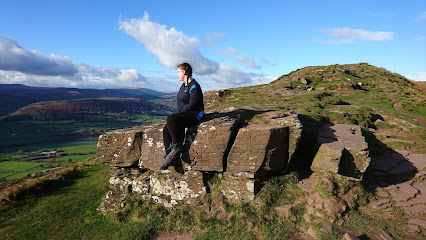
Blaenavon Ironworks
20.1 km
Explore Blaenavon Ironworks, a UNESCO World Heritage Site, where history and heritage of Wales' industrial revolution come alive amidst stunning landscapes.
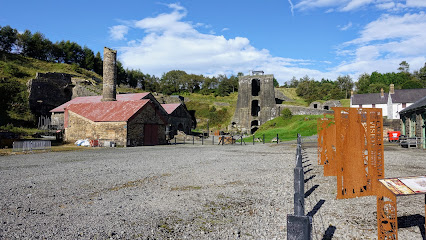
Blaenavon World Heritage Centre
20.2 km
Explore Blaenavon's rich industrial heritage at the World Heritage Centre, where history comes alive through engaging exhibits and stories.
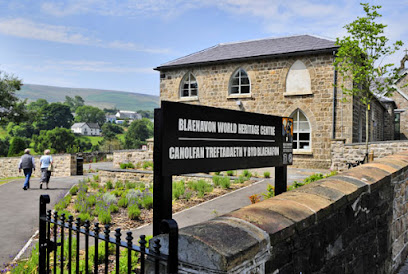
Forest Farm Country Park
20.6 km
Experience nature's tranquility at Forest Farm Country Park, Cardiff's hidden gem for outdoor adventures and family fun.
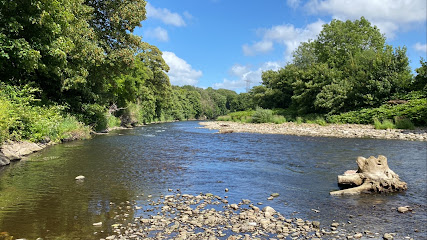
Fan y Bîg
20.8 km
Discover the breathtaking beauty of Fan y Bêg in Brecon Beacons National Park, where stunning hikes await in the heart of nature.
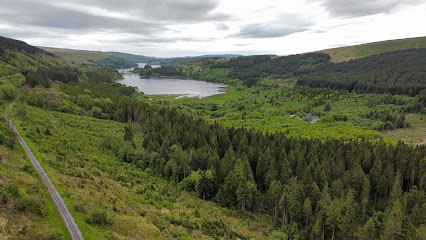
Clydach Gorge
21.1 km
Experience the breathtaking beauty and historical significance of Clydach Gorge, a natural wonder in Abergavenny, perfect for adventure seekers and nature lovers.
Hensol Castle
21.2 km
Experience the grandeur and romance of a historic Welsh castle set in stunning grounds, perfect for unforgettable weddings and celebrations.
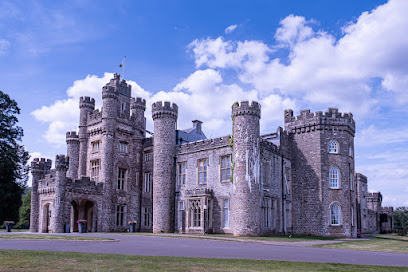
Vale of Glamorgan
21.3 km
Explore the stunning landscapes and rich history of the Vale of Glamorgan, an enchanting ravine near Cardiff ideal for nature lovers and adventure seekers.

National Trust - Brecon Beacons
21.4 km
Explore breathtaking landscapes and rich history at the National Trust - Brecon Beacons, a must-visit destination for nature lovers and adventurers.
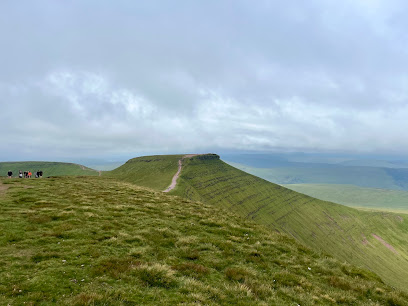
Pen-y-Fan walk carpark
21.5 km
Discover the gateway to adventure at Pen-y-Fan walk carpark, where breathtaking views and unforgettable hikes await in the heart of Brecon Beacons.
Greenmeadow Community Farm
21.6 km
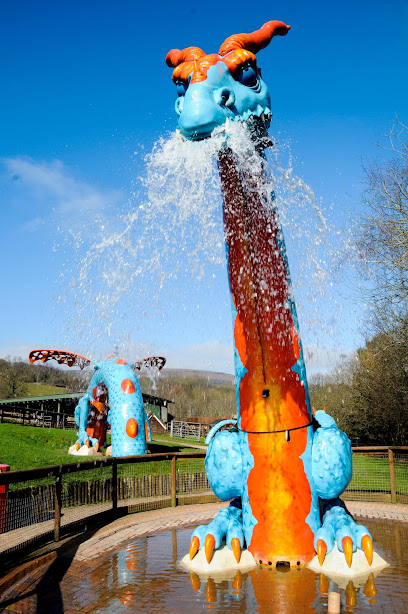
Discover the beauty and charm of Greenmeadow Community Farm, a family-friendly attraction in Cwmbran, showcasing farm animals and sustainable agriculture.
Fan Fawr
21.6 km
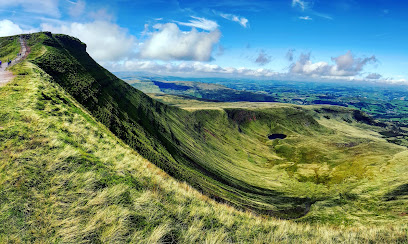
Explore the breathtaking beauty of Fan Fawr, a stunning mountain peak in the Brecon Beacons offering unforgettable hiking and panoramic views.
Unmissable attractions to see

Llancaiach Fawr Manor
5.6 km
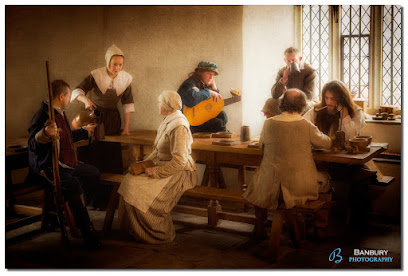
Step back to 1645 at Llancaiach Fawr Manor, a living history Tudor manor where the past comes alive with costumed interpreters and rich Civil War heritage.
St Tydfil Shopping Centre
6.4 km
Merthyr Tydfil’s premier shopping centre offering a modern, accessible retail experience with over 50 shops and ample parking in the town heart.
Cyfarthfa Castle Museum and Art Gallery
7.8 km
Explore the grand industrial heritage and art treasures of Cyfarthfa Castle, a majestic 19th-century ironmaster’s mansion set in expansive parkland.
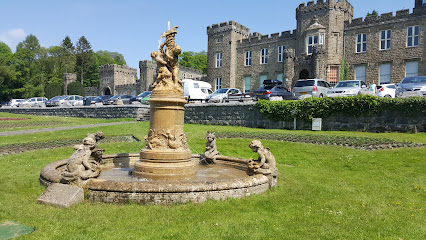
Winding House
8.3 km
Discover New Tredegar’s mining legacy and vibrant culture in the historic Winding House museum and arts centre.
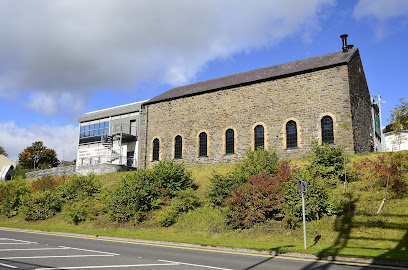
A Welsh Coal Mining Experience
9.4 km
Explore the authentic Welsh coal mining heritage through immersive underground tours and rich historical exhibits at Rhondda Heritage Park.
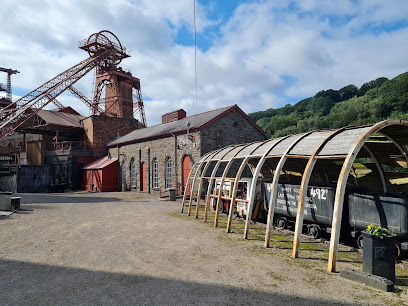
Castell Morlais 'Morlais Castle'
9.7 km
Explore the evocative ruins of 13th-century Castell Morlais, perched above Merthyr Tydfil with panoramic views and rich medieval history.
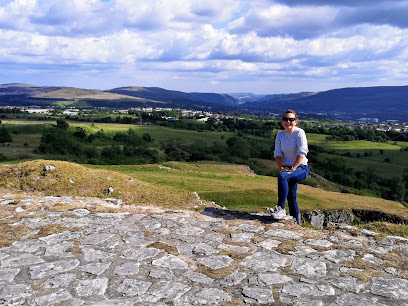
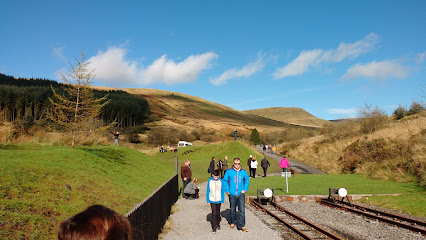
Brecon Mountain Railway
9.7 km
Step aboard vintage steam trains for a scenic journey through Wales’ breathtaking Brecon Beacons National Park, reliving railway history in stunning surroundings.
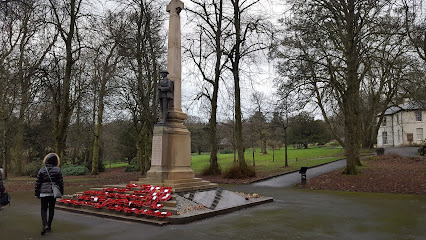
Bedwellty House and Park
11.3 km
Explore Bedwellty House and Park, a beautifully restored Regency villa and Victorian garden steeped in Welsh industrial heritage and community spirit.
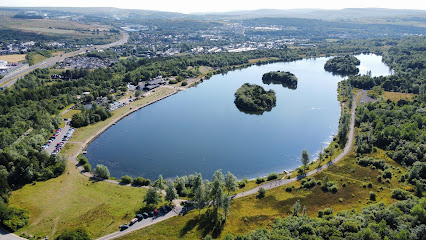
Parc Bryn Bach
11.7 km
Explore 340 acres of woodland, lake, and adventure activities at Parc Bryn Bach, Tredegar’s premier nature reserve and outdoor hub.
Festival Park Owl Sanctuary
12.3 km
Discover rescued birds of prey up close in a peaceful woodland sanctuary run by dedicated volunteers in Ebbw Vale.
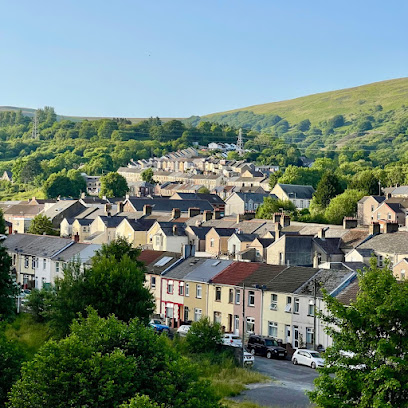
Llwyn-on Reservoir
13.4 km
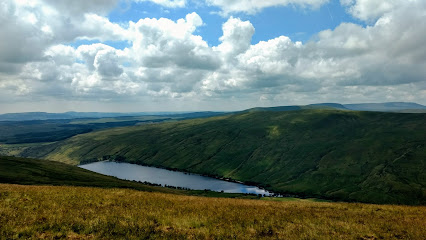
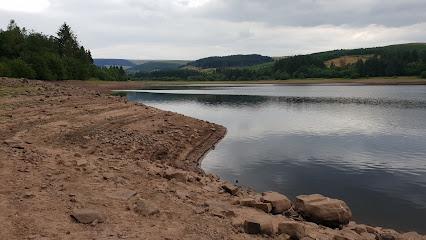
Discover serene waters, scenic walks, and rich wildlife at Llwyn-on Reservoir, the largest reservoir in the Taf Fawr valley nestled in the Brecon Beacons.
Ebbw Vale Works Museum
13.9 km
Britain's only intact steelworks archive, preserving industrial heritage through photographs, documents, and volunteer expertise.

Penderyn Brecon Beacons Distillery - Visitor Centre and Shop
14.3 km
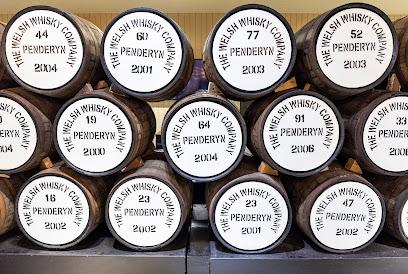
Discover the home of Welsh whisky in the Brecon Beacons – tour the original Penderyn Distillery, see the Faraday still, and taste award-winning single malts.
Zip World Tower
14.8 km
Experience the world’s fastest seated zip line and Europe’s unique coaster track on the historic Tower Colliery site in scenic South Wales.
The Guardian Of The Valleys
15.2 km
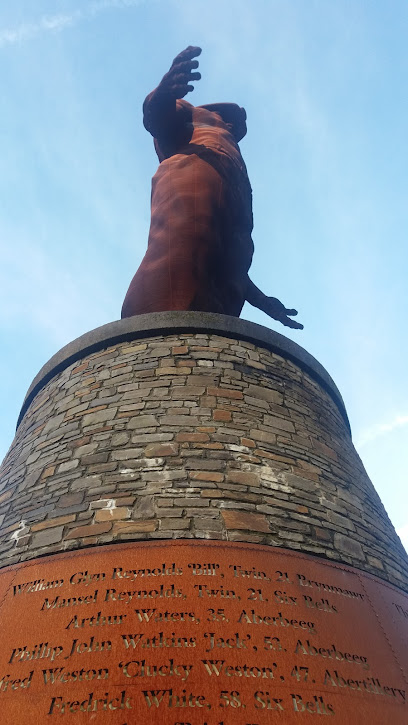
A towering steel miner watches over Six Bells, honoring the lives lost in the 1960 mining disaster amid tranquil valley landscapes.
Essential places to dine

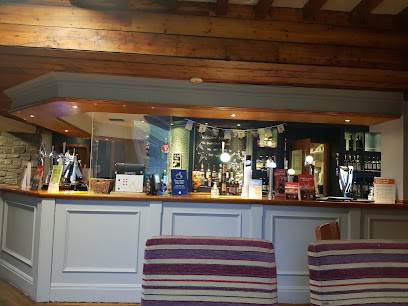
Pentrebach House Table Table
3.8 km
Classic British pub dining with family-friendly charm and hearty meals in the heart of Merthyr Tydfil.
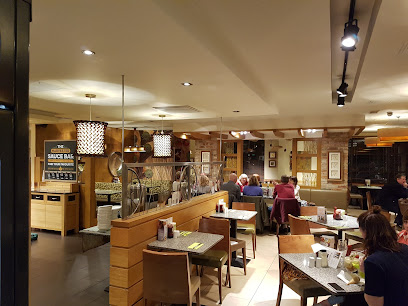
Rhydycar Harvester
5.7 km
Casual family dining with classic British flavors and welcoming amenities in Merthyr Tydfil’s Rhydycar Leisure Park.
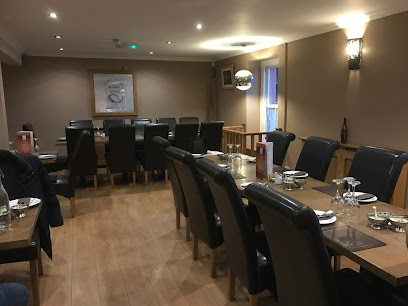
Mango House Restaurant
8.7 km
Experience authentic Indian cuisine with warm hospitality in the heart of Merthyr Tydfil’s Cefn-coed-y-cymmer.
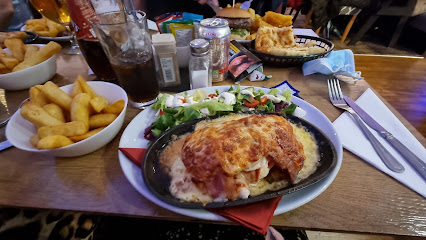
The Pantyscallog Inn
9.0 km
A beloved steakhouse in Pant, Merthyr Tydfil, known for hearty portions, friendly service, and a warm, welcoming atmosphere.
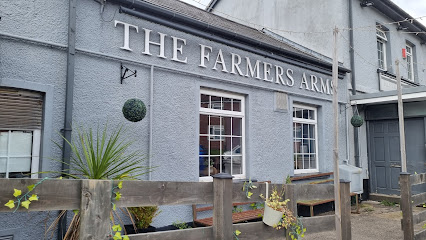
The Farmers Arms
9.1 km
Historic farmhouse pub in Rhymney offering scratch-cooked Welsh cuisine, a full bar, and a warm, welcoming atmosphere for all occasions.
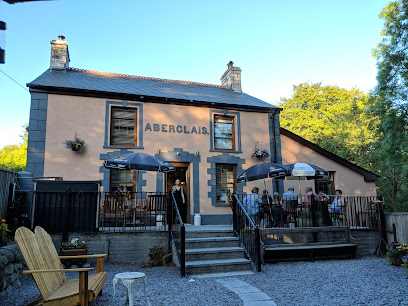
Aberglais Inn
10.0 km
Cozy pub and restaurant in Merthyr Tydfil offering hearty British classics, vegan and gluten-free options, with a warm, friendly atmosphere.
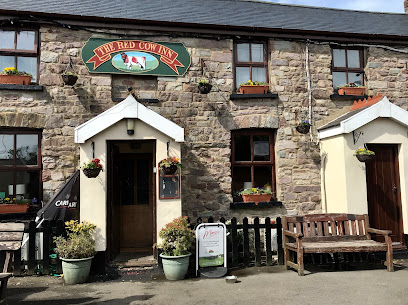
Red Cow Inn
11.4 km
A charming traditional Welsh pub in Pontsticill offering hearty home-cooked meals, award-winning ales, and a warm, welcoming atmosphere.
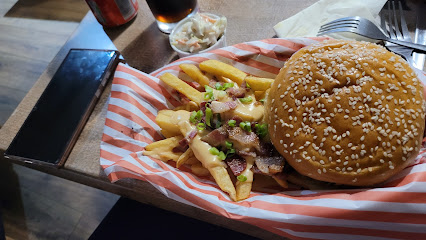
Cafe 8 & Burger Boys Gwent
14.9 km
Savor expertly crafted burgers in a welcoming, casual setting at Cafe 8 & Burger Boys Gwent, Newport’s local favorite for quality and flavor.
The Red Lion Inn, Penderyn
14.9 km
A cozy Welsh gastropub blending traditional charm, local flavors, and legendary roasts in the scenic village of Penderyn.
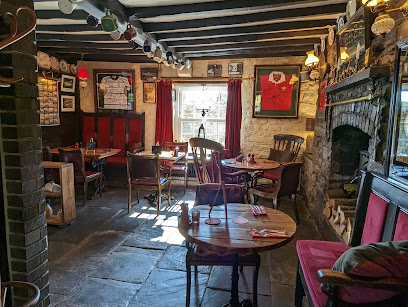
The Longbow Beefeater
16.7 km
Classic British bar and grill in Pontyclun offering hearty steaks, family-friendly dining, and a welcoming atmosphere all day long.
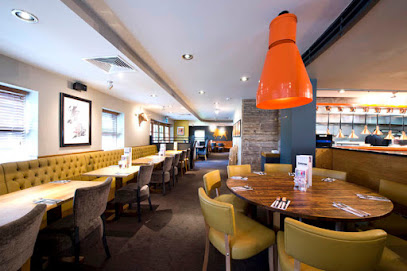
Harvester Llantrisant
17.2 km
Family-friendly bar & grill in Talbot Green Shopping Park serving classic British dishes with a welcoming atmosphere.
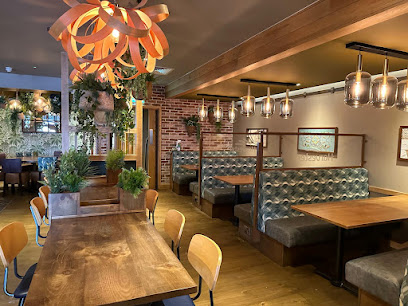
Llangeinor Arms
18.8 km
Authentic Welsh gastropub serving hearty home-cooked meals and local craft beers in a warm, welcoming setting in Bettws, Mid Glamorgan.
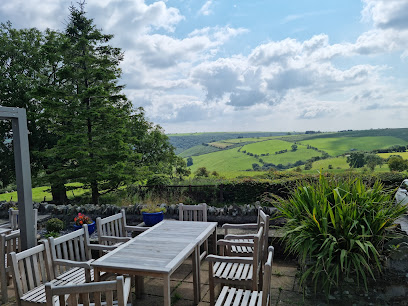
The Castell Mynach
18.9 km
A cozy gastropub in Pontyclun offering hearty British dishes, friendly service, and a warm community atmosphere.
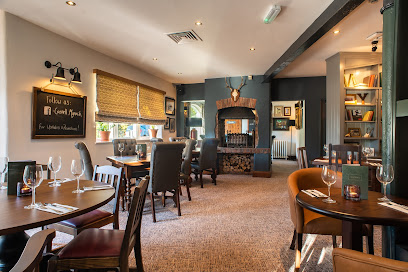
Miskin Arms
19.3 km
A cozy and quality-driven restaurant and bar in Pontyclun, serving fresh local meats and fish with a welcoming atmosphere.
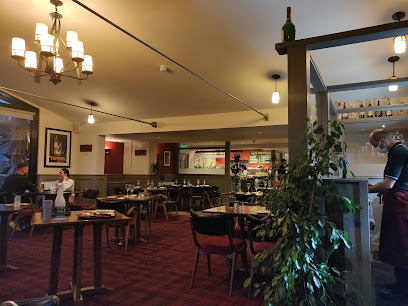
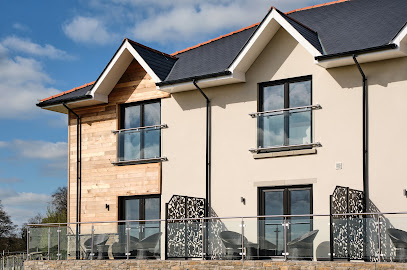
Llanerch Vineyard Hotel
20.5 km
Experience luxury and tranquility in Wales’ only vineyard hotel, where scenic beauty meets exquisite dining and elegant accommodations.
Markets, malls and hidden boutiques

West View Stores
5.4 km
Experience the warmth of Trelewis at West View Stores - your local supermarket for fresh produce and unique Welsh delicacies.

Izzy Roo's
11.7 km
Explore Izzy Roo's in Tredegar for unique gifts and local crafts, capturing the essence of the region's charm and creativity.
Gwent Shopping Centre
11.7 km
A vibrant retail hub in Tredegar offering diverse shops, convenient hours, and a welcoming community atmosphere.
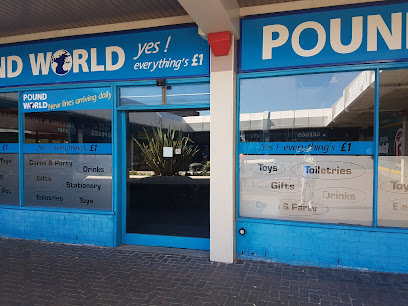
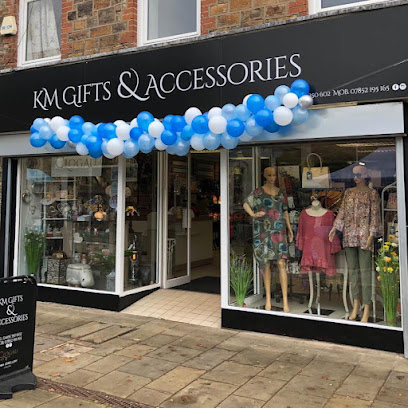
KM Gifts & Accessories
13.8 km
Discover quality gifts, stylish accessories, and friendly service at KM Gifts & Accessories in the heart of Ebbw Vale.
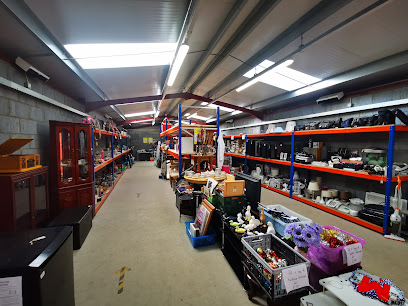
Newbridge Trading Co "Jimmys"
14.4 km
Experience local charm at Newbridge Trading Co 'Jimmys', where every item tells a story and community spirit thrives.

The Den
14.8 km
Discover unique second-hand treasures at The Den, Abertillery’s charity shop championing sustainability and community support.
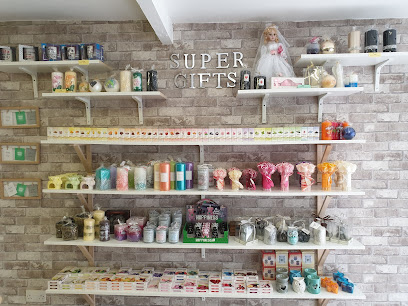
Super Gifts
15.4 km
Discover unique treasures at Super Gifts in Abertillery, where delightful souvenirs and local craftsmanship await every visitor.
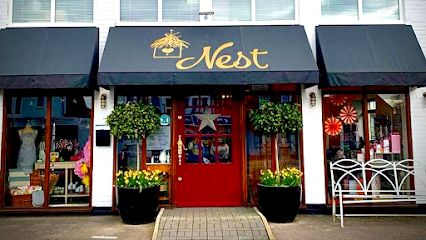
Nest Cardiff
21.1 km
Discover unique gifts and charming children’s clothes in a welcoming boutique nestled in Cardiff’s leafy Rhiwbina suburb.
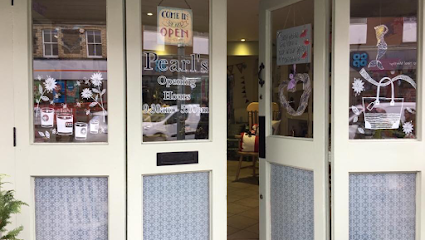
Pearls Gift Shop
21.9 km
Handpicked Welsh treasures and locally crafted souvenirs in the heart of Cardiff.
Cwmbran Centre
23.0 km
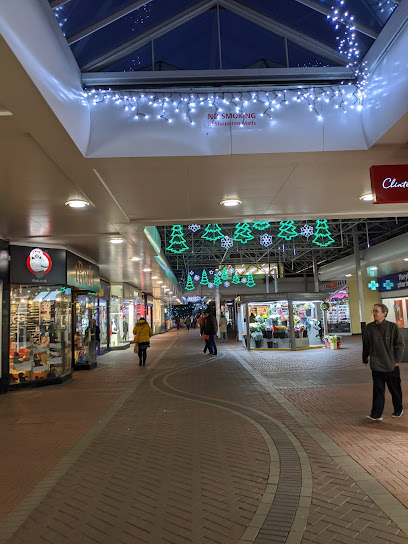
Cwmbran Centre: Your vibrant shopping and community hub in South Wales with diverse stores and festive events year-round.
What! Stores
23.5 km
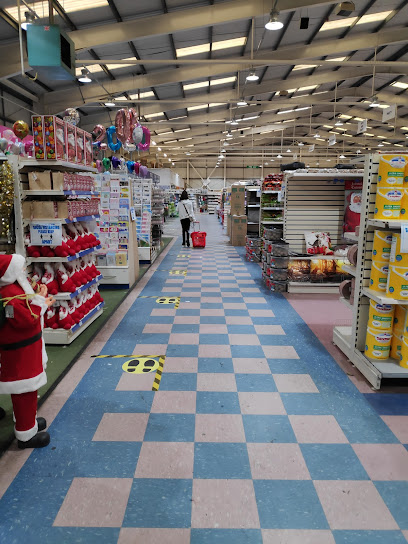
Budget-friendly discount retailer with extensive home, garden, and hardware selections in Newport
The Gift Company
23.6 km
Discover unique gifts and home furnishings with a family touch at The Gift Company in Bridgend’s Designer Outlet.

Designer Outlet Bridgend
23.7 km
Explore Designer Outlet Bridgend for unbeatable deals on top brands, delicious dining options, and an exciting shopping experience in Wales.
Welsh Venison Centre
23.8 km
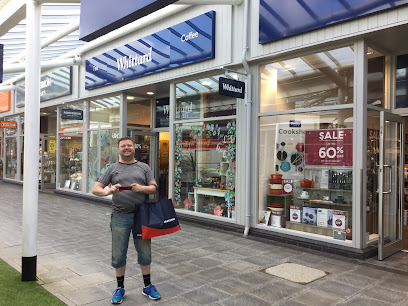
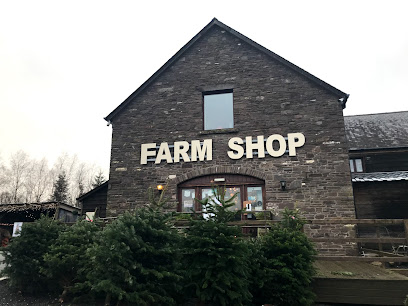
Experience the rich flavors of Welsh cuisine at the Welsh Venison Centre, a farm shop and restaurant nestled in the scenic Brecon countryside.
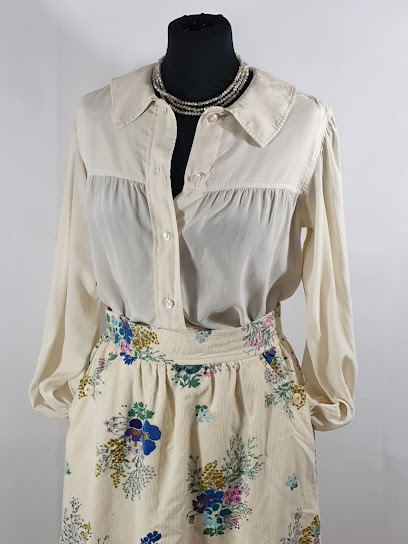
Ethical Boutique Charity Shop
23.8 km
Vintage vibes meet ethical impact: shop sustainably, swap smartly, and support global good at Cardiff's coolest charity boutique.
Essential bars & hidden hideouts

Bumble Bee
11.4 km
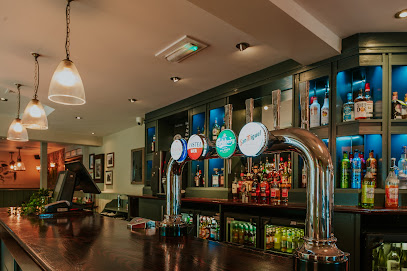
A welcoming modern pub in Gwent with classic pub fare, outdoor seating, and a secret beer garden for families and friends.
Pipeworks Bar
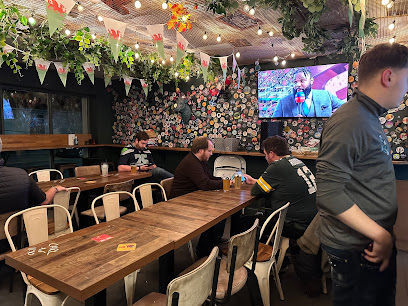
19.1 km
A cozy micro bar in Pontyclun offering craft keg beers, ciders, and gins in a friendly, unique atmosphere with occasional live music.
Jolly Colliers
19.7 km
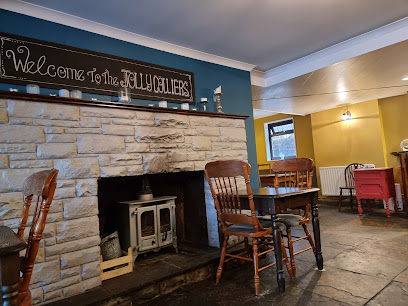
A cozy, friendly pub in Llanelly Hill offering hearty British fare and rustic tapas in a charming countryside setting.
Coach & Horses
21.3 km
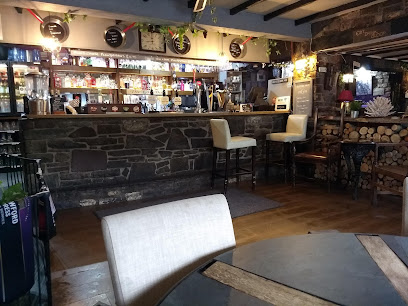
Historic canal-side pub and inn in Llangynidr offering hearty Welsh fare, cozy rooms, and a warm, welcoming atmosphere.
Blink in Owl
22.0 km
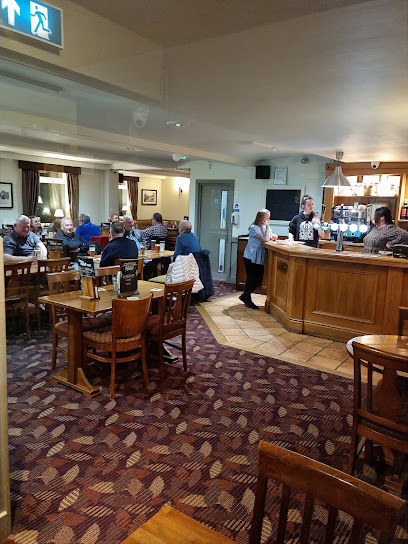
Cosy family-friendly pub in Cwmbran serving hearty roasts, real ales, and lively sports atmosphere with warm community spirit.
The Star Inn
23.0 km
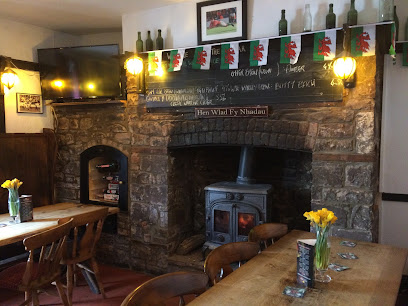
A cozy and characterful pub with quality food and a sunny beer garden in the heart of Talybont-on-Usk, perfect for walkers and families alike.
The Beaufort
23.0 km
A cozy village pub in Gilwern offering hearty food, friendly locals, and comfortable rooms near the Brecon Beacons.
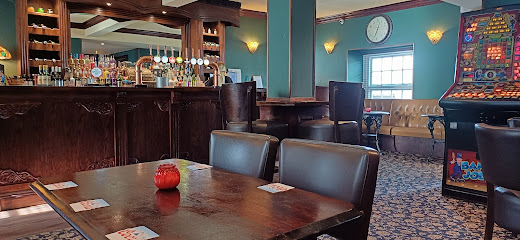
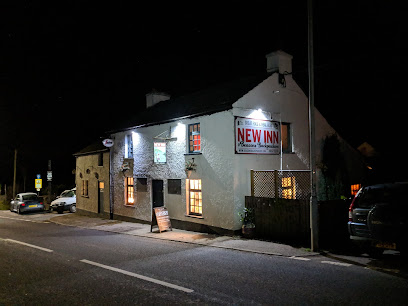
The New Inn
23.4 km
A cozy, affordable pub and backpackers’ haven in Bwlch, offering hearty food, friendly service, and a welcoming base for exploring the Brecon Beacons.
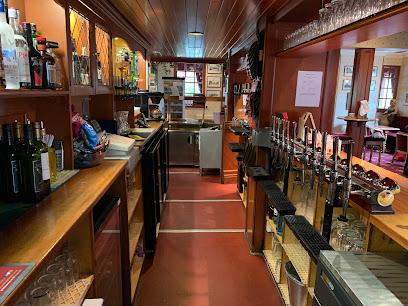
Rising Sun
23.8 km
A beloved local pub in Rogerstone offering traditional ales, hearty food, and a welcoming atmosphere with a popular beer garden.
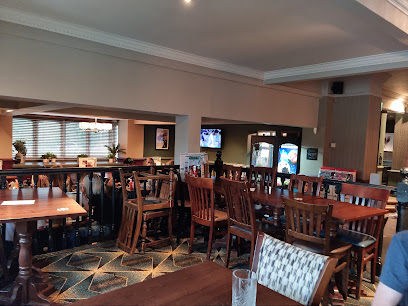
The Crow's Nest
24.2 km
A classic Cwmbran pub blending traditional charm with modern comfort, great food, and lively entertainment.
Cathays Beer House
24.7 km
Cozy Crwys Road craft beer haven with high ceilings, expert pours, live events, and outdoor vibes in Cardiff's vibrant Cathays.
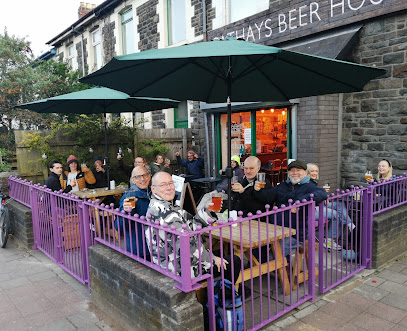
Cathays Sports & Social Club
24.7 km
Cardiff's unpretentious social hub: cheap pints, games galore, live tunes, and community vibes in student-favorite Cathays.
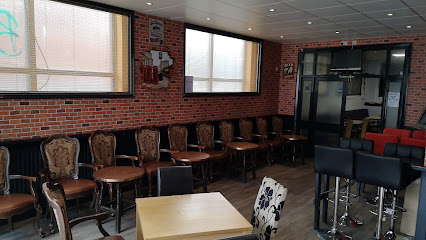
Bar 105
24.8 km
Intimate Cardiff cocktail haven with killer drinks, DJ nights, and pop-up feasts in student-fueled Cathays.
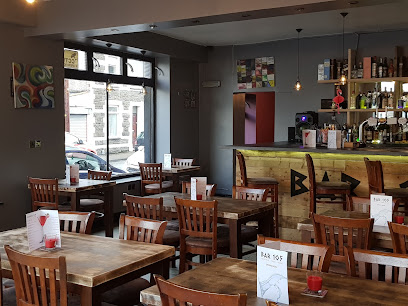
The Flora
24.8 km
Cozy Cathays pub pouring pints, roasts, and community spirit in a quirky, welcoming haven—Cardiff's go-to for hearty Sundays and everyday cheer.
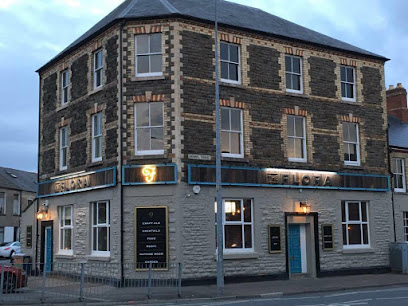
Crwys Hotel
24.9 km
Cathays' cozy corner for pub grub, pints, sports screens, sunny garden escapes, and quiz nights in Cardiff's student heartland.
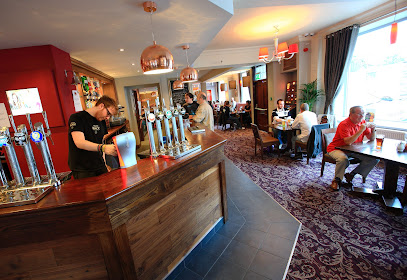
Nightclubs & after hour spots

Pure Bar & Nightclub Ltd
6.5 km
A lively nightclub and cocktail bar in Merthyr Tydfil offering vibrant music, crafted drinks, and late-night entertainment in South Wales.
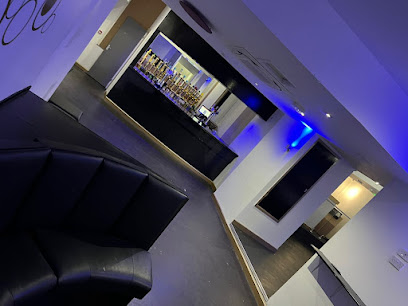
The Kirkhouse Nightclub (Koolers)
6.7 km
Experience the vibrant and friendly nightlife of Merthyr Tydfil at The Kirkhouse Nightclub, known locally as Koolers.

Squares Night club
9.8 km
Experience Porth’s vibrant nightlife at Squares Nightclub, where music, dance, and unforgettable evenings come alive every weekend.
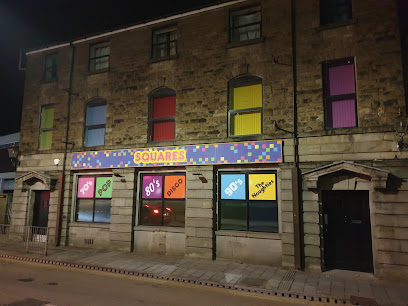
Eclipse Nightclub
11.6 km
Experience Pontypridd’s vibrant midweek nightlife at Eclipse Nightclub, where music, dancing, and community come alive every Wednesday night.

The Top Club
18.2 km
Experience Blaengarw’s vibrant nightlife at The Top Club, where electrifying entertainment meets community spirit in the heart of South Wales.

The Globe
25.4 km
A compact Grade II-listed former cinema turned lively live-music venue and nightclub, famed for intimate gigs and energetic club nights on Albany Road.

Tiger Tiger Cardiff
26.1 km
A dynamic nightclub with themed rooms and diverse bars offering a vibrant nightlife experience in the heart of Cardiff.

CIRCUIT Cardiff
26.1 km
Cardiff's largest nightclub ignites Greyfriars Road with 1,500-capacity energy, state-of-the-art production across themed rooms, and epic nights from club beats to private spectacles.

The CUBE
26.1 km
Cardiff’s vibrant nightclub hotspot offering dynamic music, dancing, and an electric atmosphere in the heart of the city.
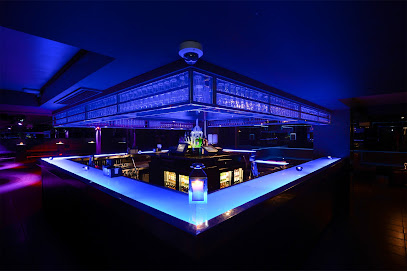
Fuel Rock Club
26.2 km
Cardiff's unyielding rock fortress on Womanby Street: live metal mayhem, cheap drinks, and a beer garden for the faithful.

Clwb Ifor Bach
26.2 km
Cardiff's gritty Welsh club heart: live music legends, late-night dances, and cultural rebellion on historic Womanby Street since 1983.

For Your Eyes Only
26.2 km
Elegant and vibrant dance club in Cardiff’s city centre offering stylish interiors, live entertainment, and a lively nightlife atmosphere.
Pulse
26.3 km
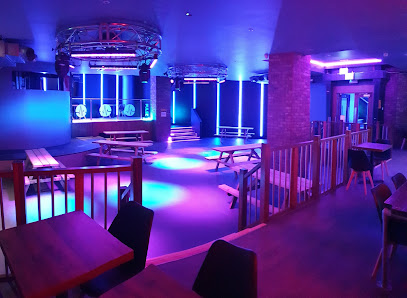
A city-centre LGBTQ+-friendly bar that becomes a neon-lit nightclub after dark, blending casual daytime dining with late-night DJs and themed club nights.
Metros
26.4 km
Cardiff's alternative nightclub haven: cheap drinks, eclectic DJs, and non-stop rock, ska, and indie beats fueling wild weekends till 4am.

Popworld - Cardiff
26.4 km
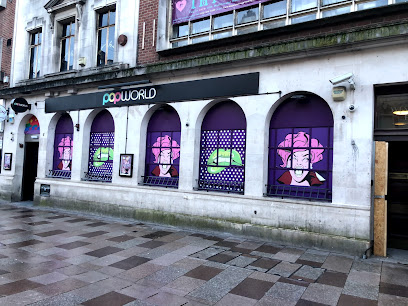
Dive into cheesy pop heaven at Popworld Cardiff—karaoke, half-price drinks, and dance floor anthems until 3am on vibrant St Mary Street.
For the vibe & atmosphere seeker
- Tranquil
- Romantic
- Spiritual / Energy Spot
- Contemplative
- Solemn
- Peaceful
For the design and aesthetic lover
- Minimalist Designs
- Rustic Designs
For the architecture buff
- Historic
- Sacred Sites
- Parks & Gardens
- Heritage Neighborhoods
For the view chaser and sunset hunter
- Panoramas
- Scenic
For the social media creator & influencer
- Photo Spots
- Architectural Shots
For the eco-conscious traveler
- Protected Area
- Locally Managed
- Low Impact
For the kind of experience you’re after
- Mindfulness
- Meditation Spot
- Spiritual / Energy Spot
- Myth & Legends
- Cultural Heritage
- Photowalk
For how adventurous you want the journey to be
- Easy Access
Location Audience
- Family Friendly
- Senior Friendly
- Wheelchair Access
- Solo Friendly
- Couple Friendly
- Solo Female Friendly


