King Charles Tower Travel Guide
Free Guide: Explore King Charles Tower, a medieval watchtower on Chester’s city walls, blending Civil War history, guild heritage, and panoramic city views.


A brief summary of King Charles Tower
Explore King Charles Tower, a medieval watchtower on Chester’s city walls, blending Civil War history, guild heritage, and panoramic city views.
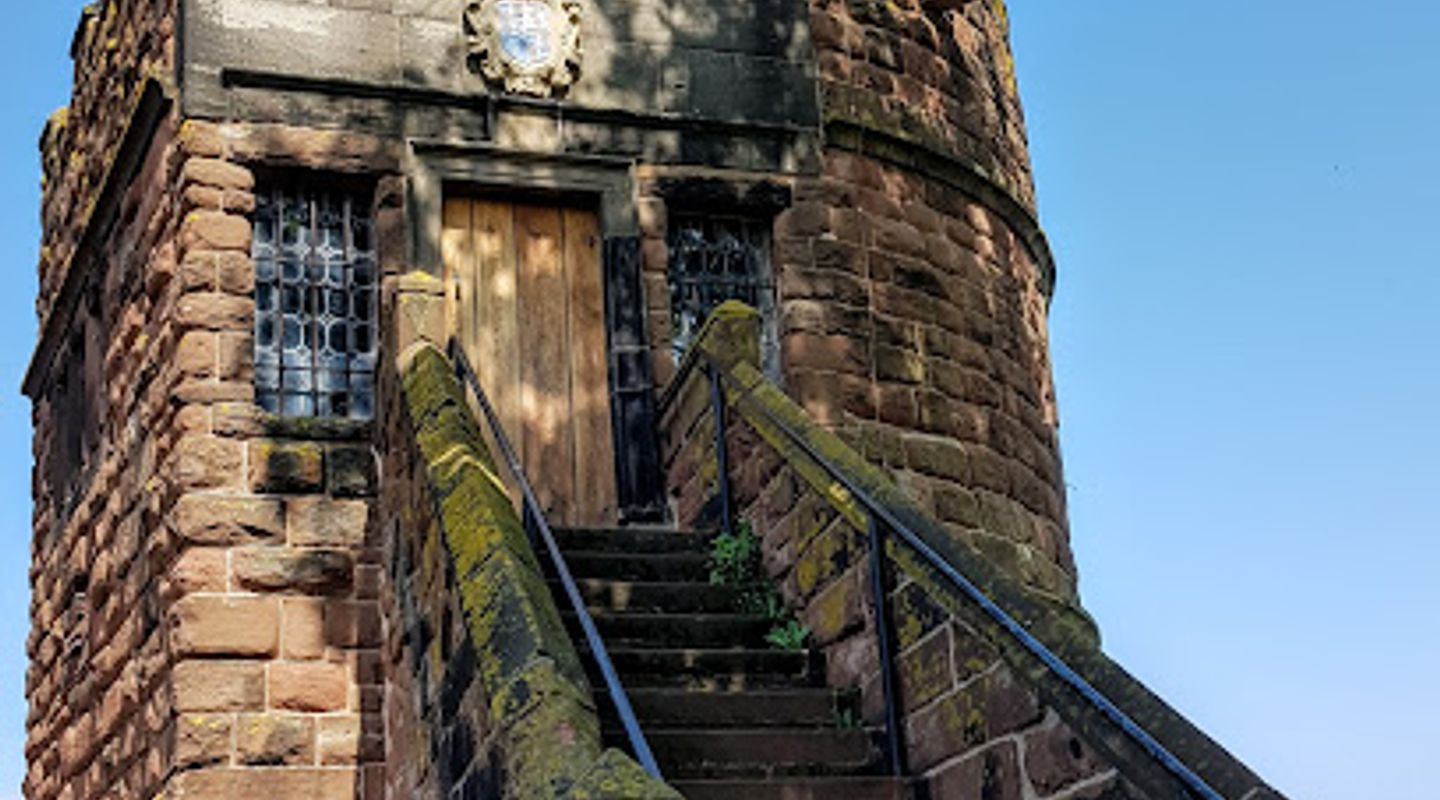
King Charles Tower, also known as Phoenix Tower, is a 13th-century medieval watchtower perched on the northeast corner of Chester’s iconic city walls. Steeped in Civil War history and guild heritage, it offers panoramic views over Chester and a glimpse into the city’s defensive past. Though entry inside is limited, the tower’s exterior, historic plaques, and surrounding walls provide a captivating experience for history enthusiasts and wall walkers alike.
On-site amenities
 Information boards
 Seating areas
 Trash bins
Opening hours
- MonClosed
- TueClosed
- WedClosed
- ThuClosed
- FriClosed
- Sat11:59 am–5 pm
- Sun11:59 am–5 pm
Opening hours as listed on the venue’s Google Business Profile. Hours can change for services and special events, so check with the venue before you go.
- Address
- City Walls, Chester CH1 2JH
Getting there
Bus
Train
Car
Walking
Discover more about King Charles Tower
Medieval Origins and Guild Stewardship
King Charles Tower, originally constructed in the 13th century, stands as a semicircular sandstone watchtower forming part of Chester’s extensive city walls. Its strategic position at the northeast corner allowed it to serve as a defensive stronghold. By the late 16th century, the tower was leased to several of Chester’s guilds, notably the Painters and Stationers and the Barbers and Chandlers. These guilds undertook restoration efforts in 1613, commemorated by a carved phoenix emblem above the lower chamber door, symbolizing renewal and the Painters’ association.
Role in the English Civil War
During the 1645 Siege of Chester, King Charles Tower was armed with artillery on multiple floors, playing a defensive role amid the conflict. Tradition holds that King Charles I stood atop the tower on September 24, 1645, observing his forces’ defeat at the Battle of Rowton Moor nearby. While some historians debate the exact location of the king during this event, the tower’s association with this pivotal moment in English history remains a powerful part of its identity. The tower sustained damage during the siege but was subsequently repaired by the guilds.
Architectural Features and Preservation
Constructed from red coursed sandstone with a distinctive pyramidal slate roof, the tower rises approximately 21 meters (70 feet) high across four stages. The upper levels contain chambers accessible by steep internal steps, though public entry inside the tower is restricted. Externally, the tower features a battlemented parapet, lead hip roofs, and an ornate weather vane. A string course visually separates the upper stages, while leaded casement windows provide light to the chambers. The tower’s preservation reflects Chester’s commitment to maintaining its medieval heritage.
Visitor Experience and Surroundings
Visitors to King Charles Tower can admire its exterior and read informative plaques that detail its history and guild associations. The tower is integrated into the Chester city walls walk, which offers elevated panoramic views of the cityscape, including landmarks such as Chester Cathedral. The city walls themselves are remarkably preserved, providing a unique historical promenade. While the tower’s interior is not generally open to the public, the steps leading up to the walls nearby offer vantage points for photography and sightseeing.
Legacy and Cultural Significance
King Charles Tower embodies the layered history of Chester, blending medieval architecture, Civil War lore, and the civic pride of its guilds. Its phoenix emblem symbolizes resilience and rebirth, echoing the city’s enduring spirit. Over centuries, the tower has served multiple roles—from military defense to guild meeting place, private museum, and now a cherished historical landmark. It continues to attract visitors who seek to connect with Chester’s rich past and enjoy the scenic vistas from its elevated position.
Integration with Chester’s Historic Fabric
Situated on the City Walls, King Charles Tower is part of a larger network of fortifications that trace Chester’s development from Roman times through the medieval period and beyond. The walls and towers collectively narrate the city’s military, social, and architectural evolution. The tower’s location near other significant sites makes it a key point of interest for those exploring Chester’s heritage on foot, enriching the cultural tapestry of the city.
Evendo Review Centre
 Google
Guest reviews
Best time to go
Quietest: Jan, Feb & Dec · before 6am or at 9pm
Busy times are Evendo estimates for a typical year, to help you plan. Actual crowds vary with events, school holidays and the weather.
Explore King Charles Tower on the map
A handpicked selection of must-see spots near King Charles Tower, mapped for you.
Get your free copy of our complete guide to King Charles Tower, delivered straight to you.
Everything on this page, from opening hours and how to get there to Eve’s tips and the best time to go, in one PDF you can read offline, print or share.
Already have an account? Sign in
Your King Charles Tower guide is ready.
We'll send it to · Not you? Sign out

Getting your guide ready…
We are putting together a fresh copy of the King Charles Tower guide. This can take up to a minute.
This can take a few moments. If your browser asks, choose Allow so the download can start. You'll find the guide in your Downloads folder.
Nothing happened? Download it again
Sorry, the guide is taking longer than usual. Please try again in a minute, or get it by email instead.
Unlock the best of King Charles Tower
Skip-the-line tickets, guided tours with entry, and walking tours of the area, booked in a few clicks.


Other nearby places you may find interesting
The closest places of the same kind, if this one is not quite what you had in mind.
-
-
-
-
-


Swipe for more places
More to explore near King Charles Tower

 Best experiences near King Charles Tower
 Best hotels near King Charles Tower
 Best landmarks near King Charles Tower
 Best attractions near King Charles Tower
 Best shops near King Charles Tower
 Best restaurants near King Charles Tower
 Best bars near King Charles Tower
Do you manage this location?
Take control to get all the benefits, like improved information, better appearance, and stronger visibility across AI-powered discovery.
Explore more

Explore more of Cheshire
Discover Cheshire, where history meets natural beauty. Explore charming villages, historic Chester, and scenic countryside for a quintessential English experience.
Explore Cheshire
Explore more of United Kingdom
Discover the United Kingdom: A blend of rich history, stunning landscapes, and vibrant cities, offering a unique travel experience for every visitor.
Explore United Kingdom