

Free Cheshire Travel Guide & Mobile App
Explore Cheshire with free travel guides. Discover regional history, expert tips, proposed trips, and audio guides on web or mobile app.


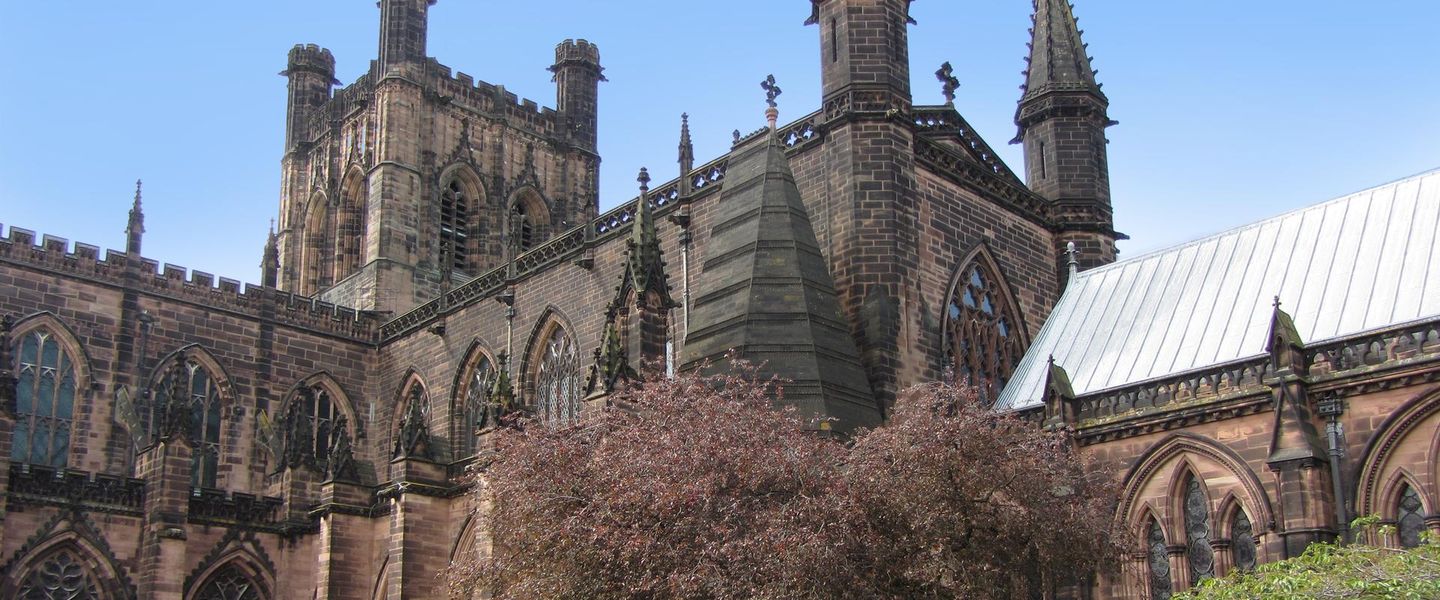


Explore Cheshire for Roman Chester, grand estates, canal walks, sandstone hills, Jodrell Bank and the food traditions of rural north-west England.
Read more about Cheshire
When is the best time to visit Cheshire?
Best: June–August · 20–22°C| Month | High (°C) | Rainfall (mm) |
|---|---|---|
| January | 7 | 70 |
| February | 7 | 60 |
| March | 10 | 65 |
| April | 13 | 50 |
| May | 17 | 55 |
| June (best) | 20 | 60 |
| July (best) | 22 | 65 |
| August (best) | 22 | 65 |
| September | 18 | 60 |
| October | 15 | 70 |
| November | 11 | 75 |
| December | 7 | 80 |
Getting to and around Cheshire
How to get there
Transportation
Top city travel guides in Cheshire
The cities of Cheshire, and the easiest places to base yourself.
-
-

-


Swipe for more cities
Destinations in Cheshire
Resorts, valleys and scenic spots worth a trip of their own.

Swipe for more destinations
Best attractions in Cheshire
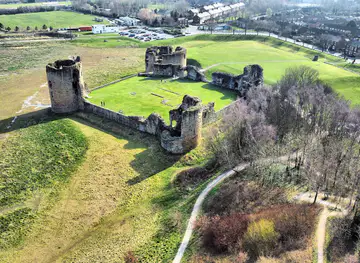
Cheshire’s attractions range from the Roman and medieval layers of Chester to expansive estates, scientific institutions and working landscapes. Chester’s city walls, amphitheatre, cathedral and medieval Rows form the county’s most concentrated historic experience, while Chester Zoo provides a major family and conservation attraction south of the city. Tatton Park combines a mansion, formal gardens, a historic farm and extensive deer park; Lyme offers a grand house and elevated parkland near the Peak District; and Little Moreton Hall preserves one of the region’s most memorable Tudor buildings. Jodrell Bank brings radio astronomy into the countryside through its telescopes, exhibitions and landscaped visitor setting. Delamere Forest is suited to walking, cycling and woodland recreation, while the Cheshire Sandstone Ridge provides longer trails, viewpoints and access to places such as Beeston Castle. Canals, market towns, salt heritage around Northwich and the agricultural plain add variety beyond formal visitor attractions.
-
Shopping outlet
Designer Outlet Cheshire Oaks
UK’s largest designer outlet with over 140 stores, festive events, and dining in a vibrant open-air setting on Wirral’s Kinsey Road.
-
Arena
AO Arena
Manchester’s iconic AO Arena delivers world-class concerts, sports, and entertainment in a vibrant, state-of-the-art venue.
-
Tourist attraction
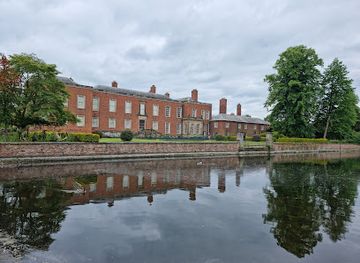
National Trust - Dunham Massey
Explore Dunham Massey’s elegant Georgian mansion, vast deer park, and seasonal gardens, where history and nature blend in tranquil harmony.
-
Country park
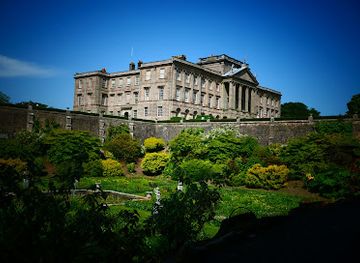
National Trust - Lyme
Explore Lyme Park’s grand mansion, stunning gardens, and vast deer park nestled in the scenic Peak District of Cheshire.


Best landmarks in Cheshire
Chester’s Roman city walls are Cheshire’s defining historic landmark, enclosing a circuit that reveals the city’s military origins and later medieval growth. The Eastgate Clock, set above the walls, has become an emblem of Chester, while the Rows provide an unusual two-level shopping and walking environment created through medieval rebuilding. Chester Cathedral dominates the historic centre with architecture spanning several centuries. Away from the city, Beeston Castle occupies a dramatic sandstone crag above the Cheshire Plain, combining medieval fortification with wide rural views. Little Moreton Hall is distinguished by its timber-framed Tudor architecture, irregular silhouette and moat. Tatton Park’s mansion, gardens and parkland express the influence of the Egerton estate, while Lyme’s house and deer park mark the eastern edge of the county’s upland scenery. Jodrell Bank’s large radio telescopes make science visible in the landscape, and the canals, locks and bridges near towns such as Northwich and Middlewich remain physical reminders of Cheshire’s industrial transport history.
-
Historical landmark
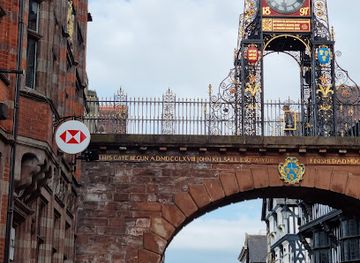
Eastgate Clock
An ornate Victorian clock perched above Chester’s ancient Roman gateway, blending history and craftsmanship in one iconic landmark.
-
Bridge
Queens Park Bridge
A graceful 1923 suspension footbridge spanning the River Dee, linking Chester’s historic Groves with the charming Queens Park suburb.
-
Bridge
Bridge Gate and Old Dee Bridge
Historic medieval gateway and ancient stone bridge spanning the scenic tidal River Dee in Chester’s charming riverside setting.
-
Historical landmark
Lymm Cross
A 17th-century sandstone market cross at the heart of Lymm village, this Grade I listed landmark blends history, moral inscriptions and community spirit in a charming Cheshire setting.


Explore Cheshire on the map
Plan your trip on one map. See where the top cities, national parks and sights are, and book hotels and experiences in a few clicks.
Best hotels in Cheshire
Best restaurants in Cheshire
Cheshire’s dining is grounded in the produce of the plain, the county’s market towns and a long tradition of inns and farm-based food. Cheshire cheese is the best-known local speciality, available in different styles and often sold alongside chutneys, breads and regional preserves. Farm shops and farmers’ markets offer dairy products, meat, seasonal vegetables, baked goods and locally made treats, while Nantwich has a particularly strong association with cheese and food events. Chester and Knutsford provide the widest choice of contemporary restaurants, cafés and international cooking, whereas villages and rural areas are more likely to centre on pubs, inns and restaurants using local produce. Around the canals and historic towns, visitors will find relaxed cafés and traditional British meals; in the countryside, estate or village dining tends to be slower and more dependent on advance planning. Cheshire’s food identity is regional rather than narrowly prescriptive, combining farming heritage with modern restaurants and the broader culinary traditions of north-west England.
-
Restaurant
The Fishpool Inn
A warm, family-friendly gastropub in Northwich blending rustic charm with modern British cuisine and a scenic beer garden.
-
Steak
Miller & Carter Cheshire
Savor expertly aged British steaks and vibrant bar dining in the heart of Cheshire Oaks, Ellesmere Port’s premier steakhouse destination.
-
Indian
Mowgli Street Food Cheshire Oaks
Authentic Indian street food bursting with vibrant flavours, served in a welcoming and lively setting at Cheshire Oaks Outlet Village.
-
Gastropub
Bear & Billet
Historic Tudor gastropub in Chester serving hearty British classics with a warm, dog-friendly atmosphere across three charming floors.


Best bars in Cheshire
Evening life in Cheshire is concentrated in Chester, where historic streets support traditional pubs, cocktail bars, restaurants, live music and a modest late-night scene. Macclesfield and Crewe have their own pubs, music venues and bars, with a generally local rather than metropolitan character. In Knutsford, Nantwich and other market towns, nightlife tends to focus on restaurants, wine bars, independent pubs and historic inns rather than large clubs. Rural Cheshire offers a quieter evening culture built around village pubs, dining and occasional live entertainment, and many venues are separated by distances that make taxis or a designated driver important. Brewery and food-led venues contribute to the county’s contemporary social scene, but opening arrangements and event programmes change, particularly outside the larger towns. Visitors should expect earlier closing and fewer late-night options in villages and plan transport before drinking or attending an evening event.
-
Pub
The Cheshire Cat
Historic country pub in Christleton offering hearty seasonal fare, cask ales, and warm hospitality in a charming rural setting near Chester.
-
Pub
The Architect
Historic Georgian pub in Chester offering classic British cuisine, cask ales, and a lively atmosphere overlooking the Roodee racecourse.
-
Pub
The Old Harkers Arms
A cozy canalside pub in Chester blending historic charm, quality ales, and classic British fare in a vibrant, welcoming atmosphere.
-
Live Music
The Botanist Chester
Discover Chester’s botanical bar and restaurant with crafted cocktails, fresh British fare, live music, and a lush, nature-inspired setting.


Best nightclubs in Cheshire
Evening life in Cheshire is concentrated in Chester, where historic streets support traditional pubs, cocktail bars, restaurants, live music and a modest late-night scene. Macclesfield and Crewe have their own pubs, music venues and bars, with a generally local rather than metropolitan character. In Knutsford, Nantwich and other market towns, nightlife tends to focus on restaurants, wine bars, independent pubs and historic inns rather than large clubs. Rural Cheshire offers a quieter evening culture built around village pubs, dining and occasional live entertainment, and many venues are separated by distances that make taxis or a designated driver important. Brewery and food-led venues contribute to the county’s contemporary social scene, but opening arrangements and event programmes change, particularly outside the larger towns. Visitors should expect earlier closing and fewer late-night options in villages and plan transport before drinking or attending an evening event.
-
Night Club
Hidden at Downtex Mill
Experience Manchester’s underground nightlife in a raw, historic mill with cutting-edge music, vibrant spaces, and authentic industrial charm.
-
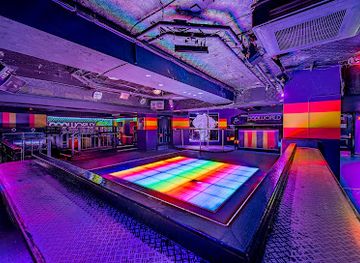
Nightclub
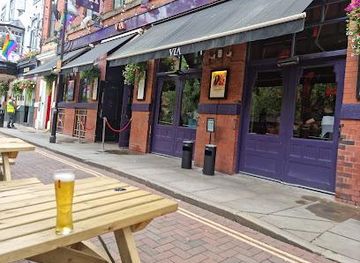
Via Manchester
Lively LGBTQ+ hotspot on Canal Street with stylish interiors, drag shows, cocktails, and canal-side seating for vibrant Manchester nights.
-
Nightclub
Rosies - Chester
Energetic multi-floor nightclub in Chester with rooftop terrace, VIP lounges, and diverse music scenes for a vibrant night out.
-
Nightclub
Reflex & Babylon
Experience Warrington’s vibrant nightlife at Reflex & Babylon, a lively nightclub and bar blending energetic music with a welcoming atmosphere.


Best shops in Cheshire
Cheshire’s shopping varies from Chester’s historic central streets and covered Rows to the independent shops and markets of its market towns. Chester offers the broadest range, including national retailers, small boutiques, jewellers, galleries, booksellers and food shops within an unusually historic setting. Knutsford is associated with independent fashion, interiors, gifts and cafés, while Nantwich and Macclesfield combine high-street shopping with antiques, specialist food retailers and smaller local businesses. Farmers’ markets and farm shops are useful places to buy Cheshire cheese, preserves, baked goods, meat and seasonal produce, although locations and schedules vary. Around rural estates and villages, craft shops, galleries and garden-related outlets provide more occasional shopping than a continuous retail district. The strongest regional souvenirs are practical food products and locally made crafts rather than mass-produced symbols, and visitors should look for clear information about provenance when buying items described as local.
-
Shopping Centre
The Port Arcades Shopping Centre
A central shopping hub in Ellesmere Port offering diverse stores and a traditional market in a covered, accessible setting.
-
Shopping Centre
The Market Shopping Centre
Conveniently located in Crewe town centre, The Market Shopping Centre offers a practical and accessible retail experience for everyday shopping needs.
-
Gift shop
Gift Company CHESTER
Discover unique gifts and stylish homewares in Chester’s charming Grosvenor Precinct at Gift Company Chester.
-
Gift shop
Lee Louise Chester Ltd
Discover Chester’s oldest timber-framed shop, a vibrant treasure trove of crystals, holistic gifts, and unique fashion in a historic 1571 building.


Get your free copy of our complete guide to Cheshire, delivered straight to you.
Everything on this page, from attractions and restaurants to essentials and local phrases, in one PDF you can read offline, print or share.
Already have an account? Sign in
Your Cheshire guide is ready.
We'll send it to · Not you? Sign out

Getting your guide ready…
We are putting together a fresh copy of the Cheshire guide. This can take up to a minute.
This can take a few moments. If your browser asks, choose Allow so the download can start. You'll find the guide in your Downloads folder.
Nothing happened? Download it again
Sorry, the guide is taking longer than usual. Please try again in a minute, or get it by email instead.
Cheshire essentials
Currency and Payment
Safety
Emergency Situations
Do's and Don'ts
Local Tips
From Eve
Local phrases worth knowing
You don't need to get them perfect. A few words go a long way, and locals appreciate the effort.
Basics
| English | Local | Say it |
|---|---|---|
| Hello | Alright | [uh-RAYT] |
| Goodbye | Ta-ra | [tah-RAH] |
| Yes | Aye | [eye] |
| No | Nah | [nah] |
| Please/You're welcome | Please | [pleez] |
| Thank you | Cheers | [cheerz] |
| Excuse me/Sorry | Sorry | [SOR-ee] |
| How are you? | How's it going? | [howz it GO-ing] |
| Fine. And you? | Grand, and you? | [grand, and you?] |
| Do you speak English? | Do you talk English? | [doo yoo TAWK ing-glish] |
| I don't understand | I don't get it | [I don't GET it] |
Eating & Drinking
| English | Local | Say it |
|---|---|---|
| I'd like to see the menu, please | Can I see the menu, please? | [kan I SEE the MEN-yoo, pleez?] |
| I don't eat meat | I'm a veggie | [I'm a VEJ-ee] |
| Cheers! | Cheers! | [cheerz] |
| I would like to pay, please | Can I pay, please? | [kan I PAY, pleez?] |
Emergencies
| English | Local | Say it |
|---|---|---|
| Help! | Help! | [help] |
| Go away! | Clear off! | [CLEER off] |
| Call the Police! | Ring the coppers! | [ring the COP-pers] |
| Call a doctor! | Get a doc! | [get a DOC] |
| I'm lost | I'm a bit lost | [I'm a bit LOST] |
| I'm ill | I'm not well | [I'm not WELL] |
Shopping
| English | Local | Say it |
|---|---|---|
| I'd like to buy... | I want to buy... | [I WANT to BUY...] |
| I'm just looking | I'm just browsing | [I'm just BROW-sing] |
| How much is it? | What's the price? | [wot's the PRICE?] |
| That's too expensive | That's well pricey | [that's well PRICE-ee] |
| Can you lower the price? | Can you knock a bit off? | [can you KNOCK a bit OFF?] |
Time & Numbers
| English | Local | Say it |
|---|---|---|
| What time is it? | What time's it? | [wot TIME's it?] |
| It's one o'clock | It's one | [it's ONE] |
| Half past (10) | Half ten | [half TEN] |
| Morning | Mornin' | [MORN-in] |
| Afternoon | Arvo | [AR-vo] |
| Evening | Evenin' | [EVE-nin] |
| Yesterday | Yesterdee | [YEST-er-dee] |
| Today | Todays | [to-DAYZ] |
| Tomorrow | T'morrow | [tuh-MOR-roh] |
| 1 | One | [one] |
| 2 | Two | [two] |
| 3 | Three | [three] |
| 4 | Four | [four] |
| 5 | Five | [five] |
| 6 | Six | [six] |
| 7 | Seven | [seven] |
| 8 | Eight | [eight] |
| 9 | Nine | [nine] |
| 10 | Ten | [ten] |
Transport & Directions
| English | Local | Say it |
|---|---|---|
| Where's a/the...? | Where's the...? | [where's the...?] |
| What's the address? | What's the addy? | [wot's the ADD-ee?] |
| Can you show me (on the map)? | Can you show me on the map? | [can you SHOW me on the MAP?] |
| When's the next (bus)? | When's the next bus? | [when's the NEXT bus?] |
| A ticket (to ....) | A ticket to ... | [a TICK-it to ...] |
History of Cheshire
Prehistoric Landscapes and Iron Age Settlements
Cheshire’s earliest history is visible in earthworks, burial sites and hillforts rather than monumental urban remains. The Cheshire Sandstone Ridge and the eastern uplands provided defensible locations for Iron Age communities, while the fertile plain supported farming. Beeston Castle’s hilltop later acquired medieval fortifications, but the strategic value of the sandstone ridge long predates them. Archaeological evidence across the county points to changing patterns of settlement, agriculture and trade before the arrival of Rome, when local communities were connected to wider networks extending across Britain.
Roman Deva and the Chester Frontier
The Romans established the fortress of Deva Victrix at Chester, probably in the late first century AD, beside the River Dee. It became one of the most important military bases in Roman Britain and a centre from which campaigns and administration were directed towards Wales and the north. The surviving city walls, amphitheatre, barracks and street plan preserve the scale of the settlement. Roman roads also helped connect Chester with the wider region, laying foundations for the city’s enduring strategic and commercial importance.
Medieval Earls and the County Palatine
After the Norman Conquest, Chester became the seat of powerful earls whose authority extended across the borderlands. The earldom’s strategic role reflected Cheshire’s position beside Wales and the River Dee. Chester Castle and the city’s defensive works developed during this period, while monasteries, parish churches and market settlements expanded. In the thirteenth century the earldom was absorbed into the Crown, but Cheshire retained distinctive legal and administrative traditions as a county palatine. Medieval trade also helped shape the Rows and the street pattern of Chester’s centre.
Tudor Houses and the Growth of Estate Culture
The prosperity of Tudor and early modern landowners is still visible in houses such as Little Moreton Hall, whose timber-framed structure reflects the ambitions and wealth of the Moreton family. Across Cheshire, improvements to estates, churches and market towns accompanied the expansion of farming and textile production. Timber framing gradually gave way to brick and stone, while country houses became centres of land management and social influence. These buildings are valuable not simply for their appearance but for the evidence they provide of changing agricultural wealth and family power.
Salt, Canals and Industrial Cheshire
Salt extraction transformed central Cheshire, particularly around Northwich, Middlewich and Winsford. Brine pumping and salt-making supported related chemical industries and created distinctive industrial landscapes, although subsidence and environmental pressures became enduring problems. From the late eighteenth century, canals including the Trent and Mersey and the Shropshire Union improved the movement of salt, coal, pottery and agricultural goods. The waterways connected Cheshire to the industrial economies of the Midlands, Staffordshire, Lancashire and the Mersey basin.
Silk, Engineering and Manufacturing in the East
Macclesfield became a major centre of silk manufacture, with mills, warehouses and workers’ housing marking the town’s industrial past. Waterpower, imported raw silk and skilled labour supported the trade, particularly during the eighteenth and nineteenth centuries. In and around Crewe, the arrival of the railway and the development of railway engineering created another major industrial concentration. These industries changed population patterns, architecture and social life, linking previously rural districts to national and international markets.
Modern Science, Conservation and Regional Change
Twentieth-century Cheshire combined industrial expansion with the preservation of historic estates, forests and countryside. Jodrell Bank, established as a site for radio astronomy after the Second World War, placed the county at the forefront of scientific research and public interest in space. At the same time, Chester, Tatton Park, Delamere Forest and numerous historic houses became important heritage and recreation destinations. The region now contains both major industrial and logistics areas around the Mersey and a carefully managed rural landscape shaped by farming, conservation and tourism.
Cheshire in Photos
Browse through our photo collection highlighting the charm and character of the destination.
Neighbouring regions of Cheshire
The closest regions to Cheshire, if you have time for more than one.
-
-

-

-
-


Swipe for more regions
Explore more

Explore more of United Kingdom
Discover the United Kingdom: A blend of rich history, stunning landscapes, and vibrant cities, offering a unique travel experience for every visitor.
Explore United Kingdom