Caernarfon Castle Travel Guide
Free Guide: Explore Caernarfon Castle, a majestic medieval fortress with royal history, stunning views, and rich Welsh heritage on the banks of the River Seiont.


A brief summary of Caernarfon Castle
Explore Caernarfon Castle, a majestic medieval fortress with royal history, stunning views, and rich Welsh heritage on the banks of the River Seiont.
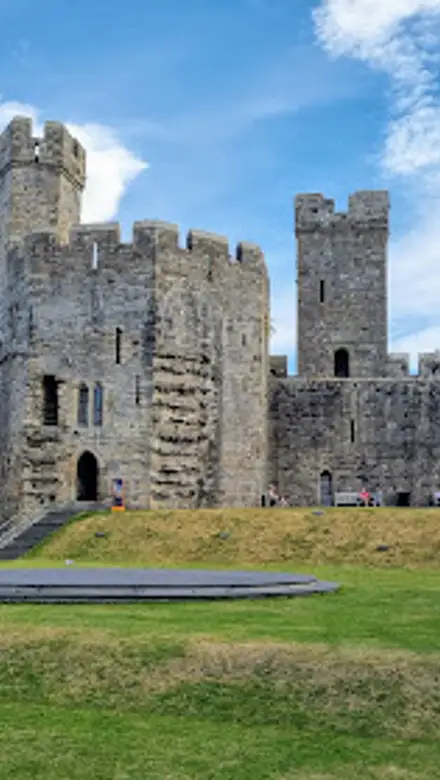
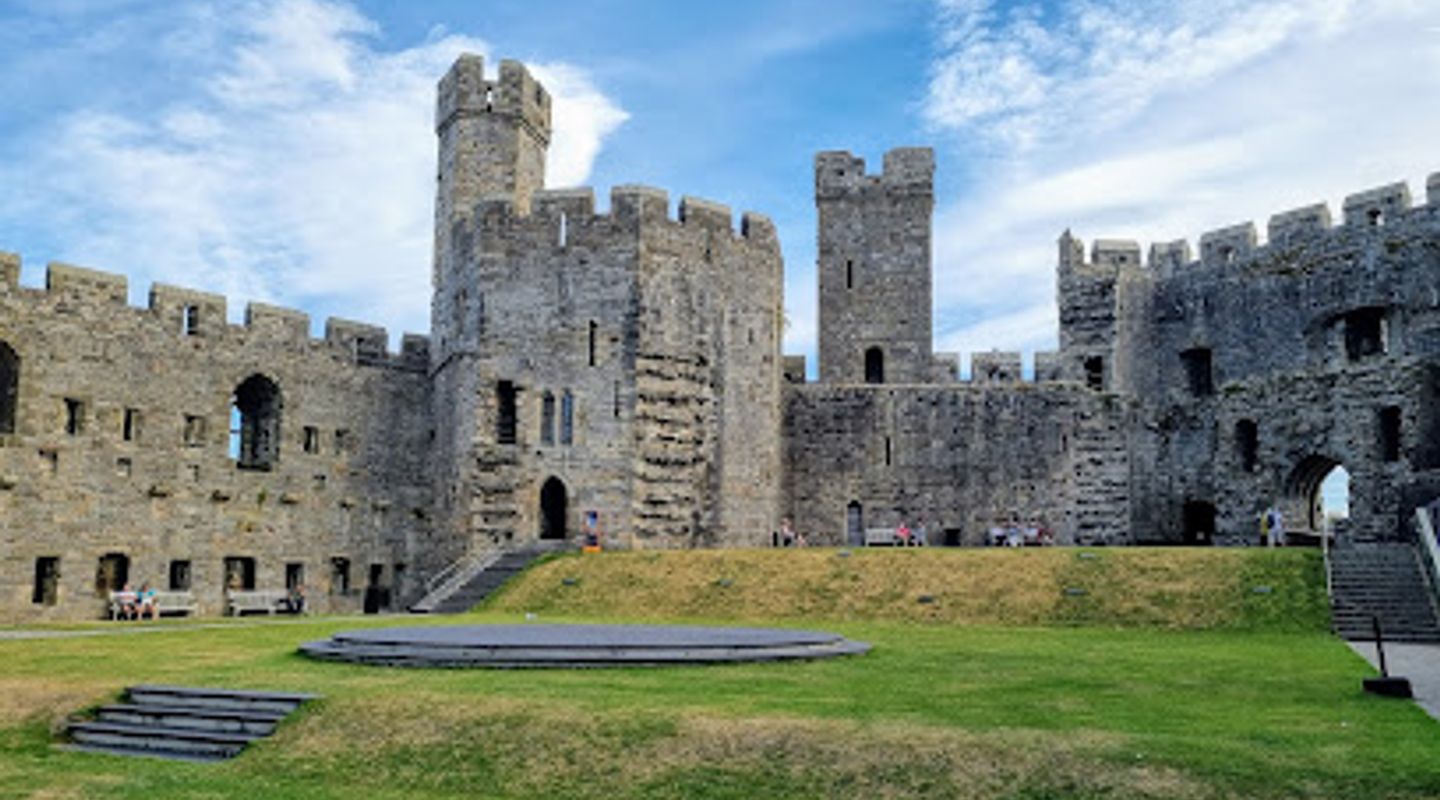
Caernarfon Castle, a UNESCO World Heritage Site in North Wales, is a monumental medieval fortress renowned for its massive polygonal towers, imposing curtain walls, and rich history. Built by Edward I as a symbol of English power, it features the Royal Welch Fusiliers Museum and offers panoramic views of Caernarfon town and Snowdonia. Visitors explore its labyrinthine interiors, towers, and ramparts, experiencing a blend of military might and royal ceremony.
On-site amenities
 Restrooms
 Drink options
 Food options
 Seating areas
 Trash bins
 Information boards
 Visitor centre
Opening hours
- Every day9:30 am–6 pm
Opening hours as listed on the venue’s Google Business Profile. Hours can change for services and special events, so check with the venue before you go.
- Address
- Castle Ditch, Caernarfon LL55 2AY
- Phone
- Website
Getting there
Bus
Train and Walk
Car
Walking
Discover more about Caernarfon Castle
Architectural Grandeur Rooted in Power and Symbolism
Caernarfon Castle stands as one of the most impressive medieval fortresses in Britain, constructed in the late 13th century under King Edward I. Unlike typical circular towers, its polygonal design and massive curtain walls reflect a deliberate architectural choice to evoke the grandeur of the Roman city of Constantinople, symbolizing English dominance over Wales. The castle’s construction, which included town walls and a quay, spanned 47 years and cost an enormous sum, underscoring its strategic and symbolic importance.
Historical Significance and Royal Legacy
The castle is famously linked to the investiture of Prince Charles as Prince of Wales in 1969, renewing its ceremonial role. It was originally built to assert English authority during bitter conflicts with Welsh princes. Over centuries, it has witnessed sieges, royal events, and has housed military regiments. The Royal Welch Fusiliers Museum, located within two of its towers, offers multimedia exhibits on Wales’s oldest infantry regiment, deepening the site’s military heritage.
Visitor Experience: Exploring Towers, Ramparts, and Exhibitions
Visitors can wander through the maze of chambers, spiral staircases, and battlements, climbing ramparts for spectacular views of Caernarfon, the Menai Strait, and Snowdonia’s rugged peaks. The castle’s interior includes the Great Hall, where medieval banquets and royal ceremonies once took place. Exhibitions and an informative video provide context to the castle’s history and architectural features, while the museum enriches understanding of its military past.
Setting and Surroundings: A Fortress by the River Seiont
Perched on the banks of the River Seiont at the southern shore of the Menai Strait, Caernarfon Castle’s location is steeped in legend and natural beauty. The surrounding town, with its historic streets and waterfront, complements the castle’s imposing presence. The site offers stunning panoramas of the Welsh coastline and the mountainous landscape of Snowdonia, enhancing the visitor’s sensory experience.
Accessibility and Facilities for Modern Visitors
While many of the castle’s towers involve steep, narrow staircases, accessibility has improved with a lift in King’s Gate and designated viewing areas. The site includes a visitor centre, gift shop, and café kiosk serving refreshments seasonally. Restrooms and baby-changing facilities are available, and the castle provides a 'Changing Places' toilet for visitors with special needs. Audio guides and guided tours enhance the educational experience.
Preservation and Cultural Importance Today
Managed by Cadw, the Welsh Government’s historic environment service, Caernarfon Castle remains a protected heritage site. It is recognized globally for its outstanding medieval architecture and cultural significance. The castle continues to inspire imagination and pride, embodying centuries of Welsh history, military strategy, and royal tradition, making it a must-visit destination for history enthusiasts and travelers alike.
Evendo Review Centre
 Google
Guest reviews
Best time to go
Quietest: Jan, Feb & Dec · before 7am or at 8pm
Busy times are Evendo estimates for a typical year, to help you plan. Actual crowds vary with events, school holidays and the weather.
Explore Caernarfon Castle on the map
A handpicked selection of must-see spots near Caernarfon Castle, mapped for you.
Get your free copy of our complete guide to Caernarfon Castle, delivered straight to you.
Everything on this page, from opening hours and how to get there to Eve’s tips and the best time to go, in one PDF you can read offline, print or share.
Already have an account? Sign in
Your Caernarfon Castle guide is ready.
We'll send it to · Not you? Sign out

Getting your guide ready…
We are putting together a fresh copy of the Caernarfon Castle guide. This can take up to a minute.
This can take a few moments. If your browser asks, choose Allow so the download can start. You'll find the guide in your Downloads folder.
Nothing happened? Download it again
Sorry, the guide is taking longer than usual. Please try again in a minute, or get it by email instead.
Unlock the best of Caernarfon Castle
Skip-the-line tickets, guided tours with entry, and walking tours of the area, booked in a few clicks.


 Tour
TourCaernarfon And Its Castle: A Self Guided Walking Tour
from $9.49 Tour
TourLlanberis, Conwy and Caernarfon Castle: A Self-Guided Driving Tour of Snowdonia
from $14.24 Tour
TourSnowdonia Tour App, Hidden Gems Game and Big Britain Quiz (7 Day Pass) UK
from $31.75 Tour
Tour2 Hours Historical Tour of Caernarfon
from $32.92
Other nearby places you may find interesting
The closest places of the same kind, if this one is not quite what you had in mind.
-
-
-
-
-


Swipe for more places
More to explore near Caernarfon Castle

 Best experiences near Caernarfon Castle
 Best hotels near Caernarfon Castle
 Best landmarks near Caernarfon Castle
 Best attractions near Caernarfon Castle
 Best shops near Caernarfon Castle
 Best restaurants near Caernarfon Castle
 Best bars near Caernarfon Castle
Do you manage this location?
Take control to get all the benefits, like improved information, better appearance, and stronger visibility across AI-powered discovery.
Explore more

Explore more of Clwyd
Discover Clwyd: A picturesque region in North Wales, known for its rolling hills, historic castles, and vibrant cultural events.
Explore Clwyd
Explore more of United Kingdom
Discover the United Kingdom: A blend of rich history, stunning landscapes, and vibrant cities, offering a unique travel experience for every visitor.
Explore United Kingdom