

Free Clwyd Travel Guide & Mobile App
Explore Clwyd with free travel guides. Discover regional history, expert tips, proposed trips, and audio guides on web or mobile app.


Explore Clwyd in north-east Wales for medieval castles, canal engineering, hill walking, market towns and coastlines shaped by Welsh history.
Read more about Clwyd
When is the best time to visit Clwyd?
Best: June–August · 18–20°C| Month | High (°C) | Rainfall (mm) |
|---|---|---|
| January | 8 | 70 |
| February | 8 | 60 |
| March | 10 | 65 |
| April | 13 | 60 |
| May | 16 | 65 |
| June (best) | 18 | 70 |
| July (best) | 20 | 75 |
| August (best) | 19 | 75 |
| September | 17 | 70 |
| October | 14 | 75 |
| November | 9 | 70 |
| December | 7 | 75 |
Getting to and around Clwyd
How to get there
Transportation
Best attractions in Clwyd
Clwyd's attractions range from medieval fortresses and monastic ruins to canal engineering, industrial heritage and open countryside. The Pontcysyllte Aqueduct and Canal, a UNESCO World Heritage Site, is the region's defining engineering attraction, offering towpath walks, canal boats and high views over the Dee valley. Llangollen adds river scenery, the ruins of Dinas Bran and access to Valle Crucis Abbey. Denbigh, Rhuddlan and Caergwrle provide different perspectives on medieval military history, while Chirk Castle and Erddig offer contrasting historic-house experiences in the Wrexham area. The Greenfield Valley near Holywell preserves early industrial landscapes and woodland paths. Outdoor visitors can walk the ridges of the Clwydian Range, including Moel Famau, cycle beside canals and explore the coast around Prestatyn, Rhyl and the Dee estuary. Family attractions, museums and cultural venues are concentrated in Wrexham and the larger market towns, while the Vale of Clwyd offers gentler cycling, gardens and rural heritage.
-
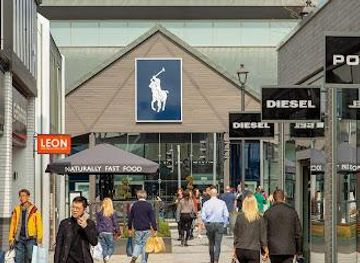
Shopping outlet
Designer Outlet Cheshire Oaks
The UK’s largest designer outlet with over 140 stores, festive events, and dining in a lively, family-friendly setting.
-
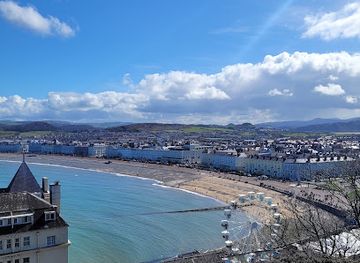
Tourist attraction
Llandudno Pier
Explore Wales’ longest Victorian pier with stunning sea views, lively arcades, and classic seaside charm, open year-round for unforgettable coastal fun.
-
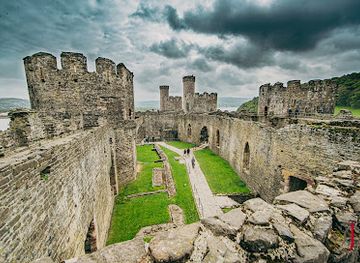
Castle
Conwy Castle
Explore Conwy Castle, a majestic 13th-century fortress towering over North Wales with stunning views and rich medieval history.
-
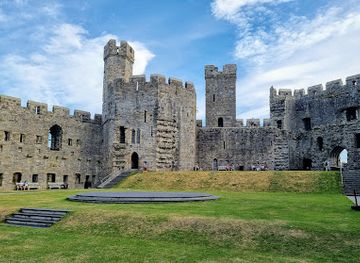
Castle
Caernarfon Castle
Explore Caernarfon Castle, a majestic medieval fortress with royal history, stunning views, and rich Welsh heritage on the banks of the River Seiont.
Best landmarks in Clwyd
The Pontcysyllte Aqueduct is Clwyd's most recognisable landmark: its slender iron trough carries the Llangollen Canal high above the Dee, demonstrating the daring scale of early nineteenth-century engineering. Above Llangollen, Castell Dinas Bran occupies a dramatic hilltop position, its ruined walls linked to the medieval Welsh lordship of the valley. Valle Crucis Abbey and the nearby Pillar of Eliseg form a powerful historic pairing, combining Cistercian architecture with evidence of early Welsh royal traditions. Denbigh Castle and its town walls express the military ambition of the post-conquest period, while Rhuddlan Castle represents the strategic importance of the coastal gateway. In Wrexham, the tower of St Giles' Church is a major urban landmark, rising above a town shaped by industrial growth. The summit and ridgeline of Moel Famau provide a natural landmark on a broad scale, with views across the Vale of Clwyd and the borderlands.
-
Historical landmark
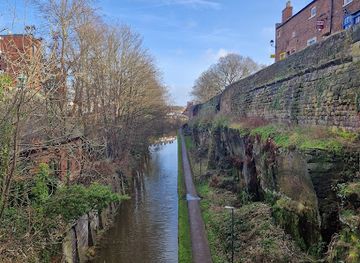
Chester City Walls
Walk the ancient Chester City Walls for panoramic views, rich history, and iconic landmarks in one unforgettable 2-mile circuit.
-
 Hotel
HotelRuthin Castle Hotel and Spa
Historic Welsh castle hotel with a unique woodland spa, gourmet dining, and tranquil luxury in the heart of Ruthin.
-
Landmark
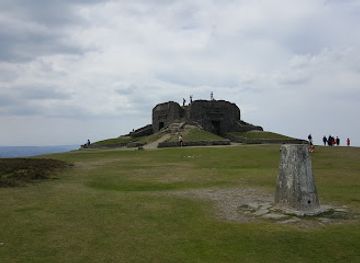
Jubilee Tower
Historic Georgian monument atop Moel Famau offering sweeping Welsh countryside views and evocative ruins.
-
Bridge
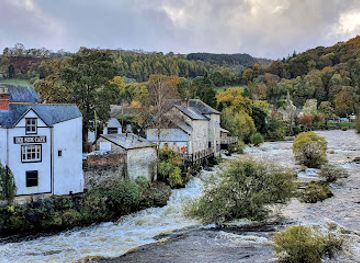
Llangollen Bridge
A medieval stone bridge spanning the River Dee, blending centuries of history with stunning river valley views in the heart of Llangollen.
Explore Clwyd on the map
Plan your trip on one map. See where the top cities, national parks and sights are, and book hotels and experiences in a few clicks.
Best hotels in Clwyd
Best restaurants in Clwyd
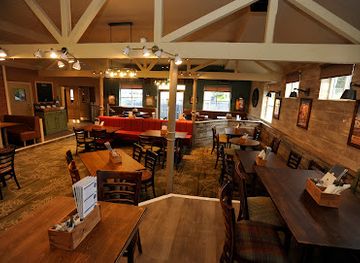
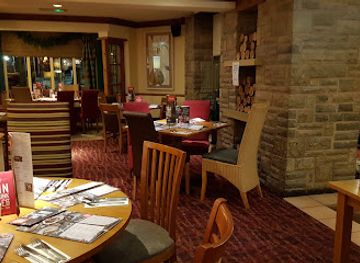
Dining in Clwyd reflects the meeting of Welsh farming country, the north coast and former industrial towns. Menus commonly draw on Welsh lamb and beef, local cheeses, seasonal vegetables, bread and cakes, with seafood appearing more often near the coast and the Dee estuary. Traditional pubs and rural inns remain important for substantial lunches and locally brewed beer, while Wrexham, Mold, Ruthin, Denbigh, Llangollen and the seaside towns offer cafés, bakeries, international restaurants and contemporary Welsh cooking. Farmers' markets and farm shops are useful places to find regional produce, preserves and baking, particularly in the Vale of Clwyd and around the market towns. Visitors should distinguish local specialities from dishes shared across Wales and Britain: cawl, Welsh cakes and bara brith are part of the wider Welsh culinary tradition, but their preparation and presentation vary between households and businesses.
-
Pub
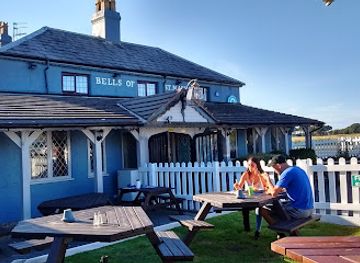
The Bells of St Mary's
Cozy British pub in Gronant offering hearty carvery, fresh pizzas, and warm local hospitality near Prestatyn’s scenic coast.
-
Restaurant
CookHouse Prestatyn
Traditional British carvery and family-friendly dining with warm service in the heart of Prestatyn’s High Street.
-
Family friendly
Morfa Table Table
Family-friendly British pub and restaurant in Rhuddlan offering hearty meals, outdoor dining, and a warm, welcoming atmosphere.
-
Gastropub
Bear & Billet
Historic 17th-century Tudor pub in Chester serving hearty British fare, real ales, and offering a warm, dog-friendly atmosphere across three lively floors.
Best bars in Clwyd
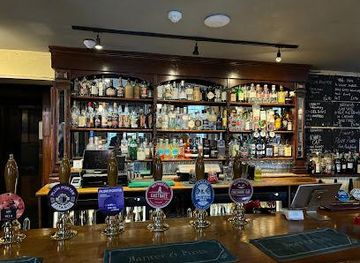
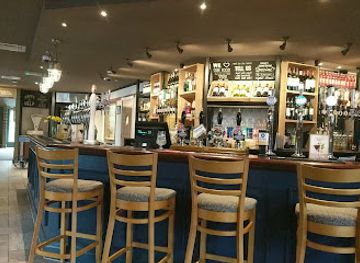
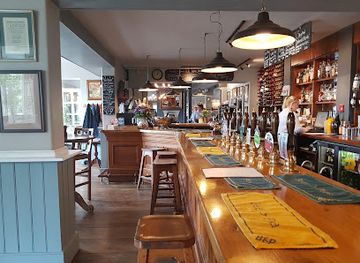
Evening life in Clwyd is centred on traditional pubs, bars, restaurants and live music rather than a large, region-wide nightclub scene. Wrexham has the broadest choice, with town-centre pubs, late-night bars and venues serving a substantial local student and professional population. Llangollen and the market towns offer sociable pubs and occasional music or cultural programming, while coastal resorts such as Rhyl and Prestatyn have a more seasonal evening economy. Rural areas are quieter, with evenings often focused on food, local ales and conversation in village inns. Theatre, concerts and the musical traditions associated with Llangollen provide alternatives to drinking-led nightlife. Opening arrangements and venue status change, so check locally rather than assuming that a small town will have late transport or entertainment every night.
-
Pub
Pen Y Bont Farm
Historic farmhouse pub in Mold blending 17th-century charm with modern dining and a scenic riverside setting.
-
Pub
Glasfryn
A warm, welcoming pub in Mold with seasonal menus, local ales, and a charming garden terrace perfect for all occasions.
-
Pub
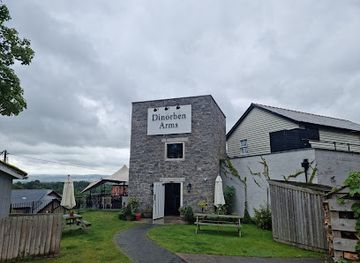
The Dinorben Arms
A charming village pub in Bodfari offering hearty local dishes, warm hospitality, and stunning views of the Clwydian Range.
-
Bar
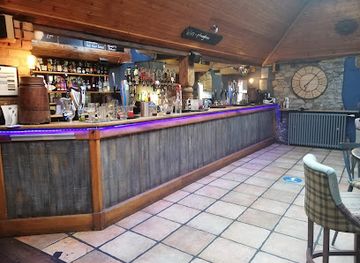
The Plough Inn
A lively British bar and restaurant in St Asaph offering homemade food, live music, and a welcoming atmosphere for all ages.
Best nightclubs in Clwyd
Evening life in Clwyd is centred on traditional pubs, bars, restaurants and live music rather than a large, region-wide nightclub scene. Wrexham has the broadest choice, with town-centre pubs, late-night bars and venues serving a substantial local student and professional population. Llangollen and the market towns offer sociable pubs and occasional music or cultural programming, while coastal resorts such as Rhyl and Prestatyn have a more seasonal evening economy. Rural areas are quieter, with evenings often focused on food, local ales and conversation in village inns. Theatre, concerts and the musical traditions associated with Llangollen provide alternatives to drinking-led nightlife. Opening arrangements and venue status change, so check locally rather than assuming that a small town will have late transport or entertainment every night.
-
Social club
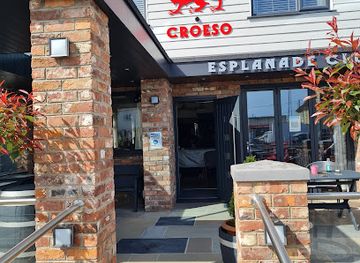
Esplanade Social Club
A vibrant, welcoming social club on Rhyl’s coast, blending lively entertainment with a strong community spirit and seaside charm.
-
Social club
Victory Club
A welcoming traditional social club in Rhyl offering quality pints, friendly service, and a relaxed atmosphere for locals and visitors alike.
-
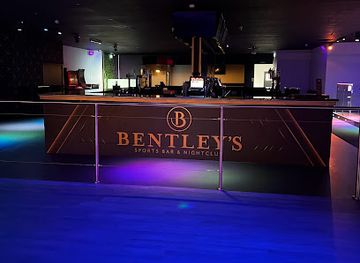
Night Club
Bentley’s Sports Bar & NightClub
Experience Towyn’s vibrant nightlife at Bentley’s Sports Bar & NightClub, where music, dancing, and stylish ambiance come alive every weekend.
-
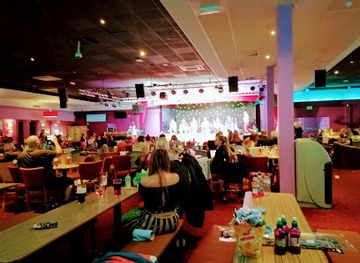
Night Club
Live Lounge
Experience lively evenings with live music and entertainment at Presthaven’s vibrant Live Lounge, set within a family-friendly coastal resort.

Best shops in Clwyd
Shopping in Clwyd is strongest in its market towns and larger urban centres rather than in one dominant retail district. Wrexham offers the widest range of high-street shops, cafés and services, while Mold, Ruthin, Denbigh and St Asaph combine independent retailers with practical town-centre shopping. Prestatyn and Rhyl serve coastal visitors and local communities, with a more seasonal retail character in some areas. Farmers' markets, farm shops and delicatessens are good places to buy Welsh cheeses, preserves, cakes, meat and regional drinks. Ruthin is particularly associated with craft and gallery shopping, while towns and villages along the Dee valley offer pottery, textiles, gifts and artwork linked to the surrounding landscape. Traditional Welsh souvenirs, bilingual books and locally made food are generally more distinctive purchases than generic seaside merchandise.
-
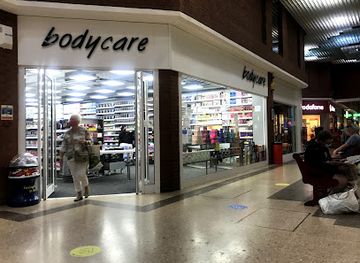
Shopping Centre
White Rose Shopping Centre
Rhyl's central shopping hub with diverse retail, dining, and secure parking in a seaside town setting.
-
Gift shop
The Knight Shop
Step into history at The Knight Shop, Conwy’s premier destination for medieval armor, swords, and authentic historical collectibles.
-
Craft shop
Lavinia Stamps
Step into The Dreamatorium: a magical craft store in Ruthin, where hand-drawn polymer stamps and creative supplies inspire card makers and artists from around the world.
-
Fashion accessories shop
The Lodge
A stylish fashion boutique and cozy coffee shop in the heart of Llanrhaeadr, perfect for browsing, relaxing, and enjoying a great cup of coffee.
Get your free copy of our complete guide to Clwyd, delivered straight to you.
Everything on this page, from attractions and restaurants to essentials and local phrases, in one PDF you can read offline, print or share.
Already have an account? Sign in
Your Clwyd guide is ready.
We'll send it to · Not you? Sign out

Getting your guide ready…
We are putting together a fresh copy of the Clwyd guide. This can take up to a minute.
This can take a few moments. If your browser asks, choose Allow so the download can start. You'll find the guide in your Downloads folder.
Nothing happened? Download it again
Sorry, the guide is taking longer than usual. Please try again in a minute, or get it by email instead.
Clwyd essentials
Currency and Payment
Safety
Emergency Situations
Do's and Don'ts
Local Tips
From Eve
Local phrases worth knowing
You don't need to get them perfect. A few words go a long way, and locals appreciate the effort.
Basics
| English | Local | Say it |
|---|---|---|
| Hello | Shwmae | [shuh-my] |
| Goodbye | Hwyl fawr | [hwee-l fowr] |
| Yes | Ydw | [uhd-oo] |
| No | Nac ydw | [nak uh-due] |
| Please/You're welcome | Os gwelwch yn dda | [os gweh-lukh un thah] |
| Thank you | Diolch | [dee-olch] |
| Excuse me/Sorry | Mae'n ddrwg gennyf | [mine droog gen-iv] |
| How are you? | Sut wyt ti? | [sit weet tee] |
| Fine. And you? | Iawn. A ti? | [ee-awn. Ah tee] |
| Do you speak English? | Ydych chi'n siarad Saesneg? | [uh-dich kheen sha-rad sighs-neg] |
| I don't understand | Dydw i ddim yn deall | [dih-dwee ee dheem un deh-ahl] |
Eating & Drinking
| English | Local | Say it |
|---|---|---|
| I'd like to see the menu, please | Hoffwn i weld y fwydlen, os gwelwch yn dda | [hoff-oon ee weld uh voo-id-len, os gweh-lukh un thah] |
| I don't eat meat | Dydw i ddim yn bwyta cig | [dih-dwee ee dheem un boo-ee-tah keeg] |
| Cheers! | Iechyd da! | [yeh-khid dah] |
| I would like to pay, please | Hoffwn i dalu, os gwelwch yn dda | [hoff-oon ee tah-lee, os gweh-lukh un thah] |
Emergencies
| English | Local | Say it |
|---|---|---|
| Help! | Cymorth! | [kum-orth] |
| Go away! | Dewch i ffwrdd! | [day-ukh ee foorth] |
| Call the Police! | Galwch y heddlu! | [gal-ukh uh hed-lee] |
| Call a doctor! | Galwch feddyg! | [gal-ukh veh-dig] |
| I'm lost | Dw i wedi coll | [doo ee weh-dee coal] |
| I'm ill | Dw i'n sal | [doo een sahl] |
Shopping
| English | Local | Say it |
|---|---|---|
| I'd like to buy... | Hoffwn i brynu... | [hoff-oon ee brin-ee] |
| I'm just looking | Dw i'n edrych | [doo een ed-rikh] |
| How much is it? | Faint mae'n costio? | [vaynt mine kost-ee-oh] |
| That's too expensive | Mae hynny'n rhy drud | [my hun-nee un ree dreed] |
| Can you lower the price? | Allwch chi leihau'r pris? | [ahl-ukh khee lay-highr prees] |
Time & Numbers
| English | Local | Say it |
|---|---|---|
| What time is it? | Faint yw'r awr? | [vaynt ee-oor ah-oor] |
| It's one o'clock | Mae hi'n un o'r gloch | [my heen een or gloch] |
| Half past (10) | Hanner wedi (10) | [han-ner weh-dee (10)] |
| Morning | Bore | [bor-eh] |
| Afternoon | Prynhawn | [prin-hown] |
| Evening | Noswaith | [noss-white] |
| Yesterday | Ddoe | [thoy] |
| Today | Heddiw | [hed-ee] |
| Tomorrow | Fory | [vor-ee] |
| 1 | Un | [een] |
| 2 | Dau | [die] |
| 3 | Tri | [tree] |
| 4 | Pedwar | [ped-war] |
| 5 | Pum | [peem] |
| 6 | Chwech | [khwehkh] |
| 7 | Saith | [sigh-th] |
| 8 | Wyth | [weethe] |
| 9 | Naw | [now] |
| 10 | Deg | [deg] |
Transport & Directions
| English | Local | Say it |
|---|---|---|
| Where's a/the...? | Ble mae'r...? | [bleh my-ehr] |
| What's the address? | Beth yw'r cyfeiriad? | [beth ee-oor keeveer-yad] |
| Can you show me (on the map)? | Allwch chi fy nghyfnerthu (ar y map)? | [ahl-ukh khee vuh ghee-ver-thee (ar uh map)] |
| When's the next (bus)? | Pryd mae'r (bws) nesaf? | [prid my-ehr (boos) ness-av] |
| A ticket (to ....) | Tocyn (i ....) | [toh-kin (ee ....)] |
History of Clwyd
Prehistoric and Roman Clwyd
Clwyd contains evidence of settlement long before the medieval Welsh kingdoms, including hillforts and prehistoric monuments on the uplands and around the Dee valley. The Romans established a significant military presence at Deva Victrix, modern Chester, just outside the region, and controlled routes leading into north-east Wales. Within Clwyd, Roman roads, forts and industrial activity formed part of a wider frontier landscape. The relationship between the Roman border and the native communities of the hills helped shape later patterns of settlement, communication and political division.
Welsh Princes and Medieval Kingdoms
Much of Clwyd lay within or near the territories contested by the princes of Gwynedd and Powys. Valle Crucis Abbey, founded in the early thirteenth century by the Cistercians, reflects the religious and political importance of the Dee valley, while the Pillar of Eliseg records an earlier tradition of Welsh royal ancestry. Castles and princely sites around Denbighshire and the Vale of Clwyd reveal a landscape in which Welsh rulers, church institutions and local landholders competed for authority.
The Edwardian Conquest and Castle Building
Following Edward I's conquest of Wales in the late thirteenth century, a chain of fortifications was constructed or expanded across north-east Wales. Rhuddlan Castle guarded access from the coast and became closely associated with the Statute of Rhuddlan, which reorganised governance in 1284. Denbigh Castle and the walls of Denbigh represent the ambitions of Anglo-Norman and English lords, while smaller strongholds such as Dinas Bran and Caergwrle preserve evidence of the region's contested frontier.
Tudor Union and the Growth of Market Towns
The Acts of Union in the sixteenth century brought Wales more fully into the governmental and legal structures of the Kingdom of England. Towns such as Ruthin, Denbigh, Mold and Wrexham developed as administrative, commercial and agricultural centres, linking rural communities with markets beyond the region. St Asaph's cathedral and the parish churches of the Vale of Clwyd illustrate the continuing religious importance of the area, while landed estates increasingly influenced local economies and architecture.
Canals, Coal and the Industrial Revolution
From the eighteenth century, coal, iron, lead, limestone and water power transformed parts of Clwyd. The Dee valley became a centre of canal and engineering innovation, culminating in Thomas Telford's Pontcysyllte Aqueduct, completed in 1805 as part of the Llangollen Canal. Wrexham and nearby communities expanded through coal mining, ironworking, leather production and engineering. The Greenfield Valley preserves a particularly valuable record of early industrial activity, while railways connected inland towns with Chester, the North Wales coast and national markets.
The Modern County of Clwyd
In 1974, local government created the county of Clwyd from areas that had previously belonged to Denbighshire, Flintshire and other historic divisions. It brought together industrial Wrexham, the north-east Wales borderlands, the Vale of Clwyd and much of the region's upland country under one administrative authority. Although the county was abolished in 1996, Clwyd remains a familiar cultural and travel term. Its former territory is now divided mainly among Denbighshire, Flintshire and Wrexham County Borough, with some neighbouring areas administered separately.
The Eisteddfod and Contemporary Welsh Culture
Modern Clwyd has remained an important setting for Welsh-language culture, music and performance. Llangollen's International Musical Eisteddfod, established in 1947, developed into a major gathering for choirs, dancers and musicians from around the world while reflecting Wales's own competitive musical traditions. The region's contemporary identity is likewise expressed through bilingual public life, local arts organisations, community festivals and the continuing use of Welsh place names alongside English ones.
Clwyd in Photos
Browse through our photo collection highlighting the charm and character of the destination.
Neighbouring regions of Clwyd
The closest regions to Clwyd, if you have time for more than one.
-

-

-
-

-


Swipe for more regions
Explore more

Explore more of United Kingdom
Discover the United Kingdom: A blend of rich history, stunning landscapes, and vibrant cities, offering a unique travel experience for every visitor.
Explore United Kingdom