Denbigh Castle, Clwyd Travel Guide
Explore the majestic ruins of Denbigh Castle, a commanding medieval fortress with breathtaking views and rich Welsh history.
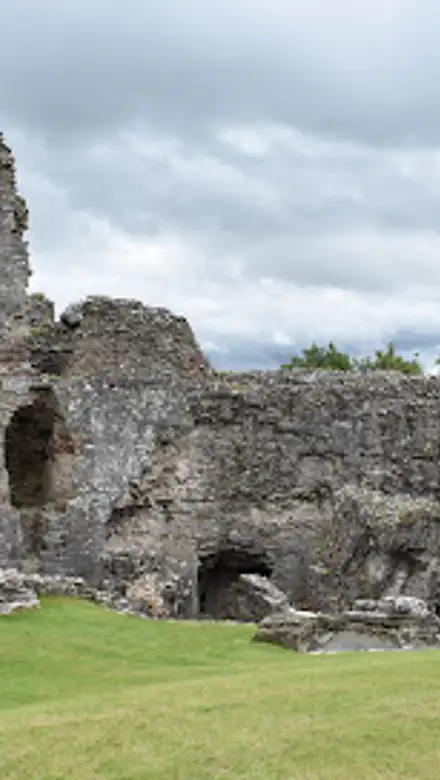
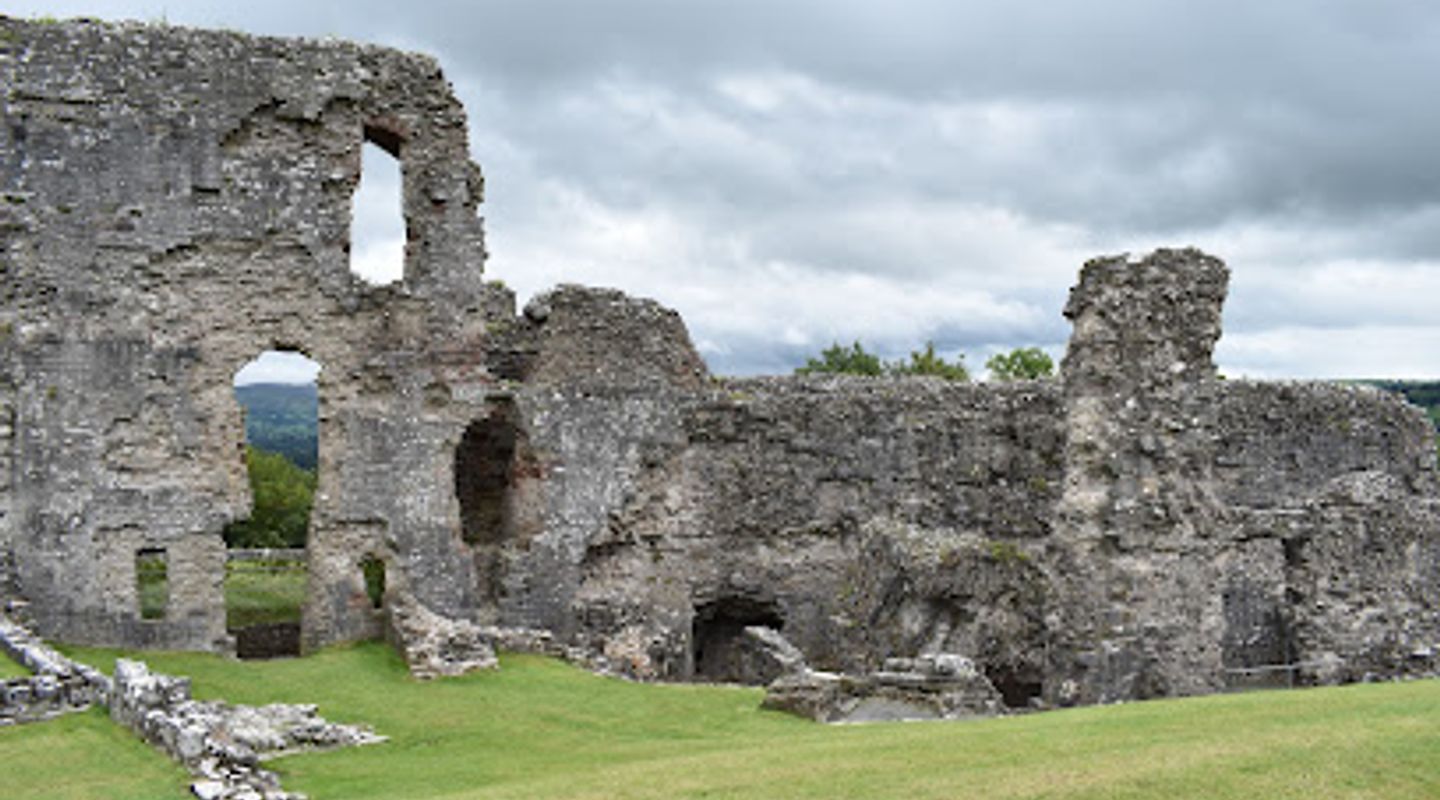
Denbigh Castle stands proudly on a rocky outcrop overlooking the Vale of Clwyd in Denbigh, North Wales. Built between 1282 and 1311 under King Edward I’s reign, it is a remarkable example of medieval military architecture with a triple-towered gatehouse and extensive town walls. Now managed by Cadw, the castle offers visitors a vivid glimpse into Welsh history through its imposing ruins, scenic views, and engaging historical displays.
A brief summary to Denbigh Castle
- Castle Hill, Denbigh, LL16 3NB, GB
- Click to display
- Click to display
- Duration: 1.5 to 3 hours
- Mid ranged
-
 Outdoor
- Mobile reception: 4 out of 5
- Monday 10 am-5 pm
- Thursday 10 am-5 pm
- Friday 10 am-5 pm
- Saturday 10 am-5 pm
- Sunday 10 am-5 pm

Know before you go
Hi, I'm Eve. Here are a few practical things to know before exploring Denbigh Castle.
- Book tickets online up to 24 hours in advance to save 5% on admission and guarantee entry.
- Wear sturdy footwear as gravel paths and stairs can be slippery, especially in wet weather.
- Take time to explore the town walls of Denbigh by borrowing a key from the castle for a fuller historical experience.
- Visit between April and October for extended opening hours and access to guided tours and events.
Do you manage this location?
Take control to get all the benefits, like improved information, better appearance, and stronger visibility across AI-powered discovery. Learn more about listing your business on Evendo
Activate your presenceOther nearby places you may find interesting
The closest places of the same kind, if this one is not quite what you had in mind.

Explore Denbigh Castle on the Map
A handpicked selection of must-see spots near Denbigh Castle, mapped for you.
Getting There
-
Bus
Take local bus services from Rhyl or Wrexham to Denbigh town center, with a journey time of approximately 30 to 45 minutes. Buses run several times daily but check schedules in advance as frequency varies. From the town center, the castle is a 15-minute walk uphill.
-
Car
Driving to Denbigh Castle from nearby towns such as Mold or Ruthin takes about 20 to 30 minutes. Parking is available near the castle, but spaces are limited during peak season. Note the slight incline on the path from the car park to the castle entrance.
-
Train and Walk
The nearest train station is in Rhyl, about 15 km from Denbigh. From Rhyl station, take a local bus or taxi to Denbigh town center, then walk 15 minutes uphill to the castle. This option takes approximately 1 to 1.5 hours in total.
For the on-the-go comforts that matter to you
-
 Restrooms
-
 Drink Options
-
 Food Options
-
 Seating Areas
-
 Information Boards
-
 Visitor Center
Discover more about Denbigh Castle
Origins and Strategic Importance
Denbigh Castle was constructed between 1282 and 1311 following King Edward I’s conquest of Wales. Commissioned by Henry de Lacy, Earl of Lincoln, the fortress was designed by the renowned master architect James of St. George. Its location atop a rocky hill provided commanding views over the Vale of Clwyd, making it a critical stronghold in the English crown’s efforts to control the region. The castle’s robust defenses, including a triple-towered gatehouse and formidable curtain walls, reflect the military innovations of the late 13th century.Architectural Highlights and Features
The castle’s most striking feature is its triple-towered gatehouse, which once housed a statue of King Edward I. Visitors can cross the restored drawbridge and imagine the clang of the portcullis and the bustle of medieval soldiers. The extensive town walls surrounding Denbigh complement the castle’s defenses, providing an integrated fortification system. Within the ruins, gravel paths and stairways lead to upper wall walks, offering panoramic views of the surrounding countryside and the historic market town below.Historical Role and Legacy
Denbigh Castle played a pivotal role in the turbulent history of Wales, witnessing numerous conflicts and power struggles. It was once the royal residence of Dafydd ap Gruffudd, the last native Prince of Wales. Over centuries, the castle endured sieges and changes of control, embodying the complex relationship between Wales and England. Today, its ruins stand as a testament to this rich heritage and the resilience of Welsh identity.Visitor Experience and Facilities
Managed by Cadw, Denbigh Castle is open to the public seasonally, with hours varying between April and November and reduced winter schedules. Visitors can explore the castle grounds, enjoy informative signage, and access a visitor center offering amenities including restrooms and a café. The castle’s setting provides a tranquil yet evocative atmosphere, ideal for history enthusiasts and photographers alike. Special events and guided tours are available seasonally, enhancing the educational experience.Surrounding Denbigh and Cultural Connections
The castle overlooks the medieval market town of Denbigh, known for its lively community and historic charm. The town’s name, meaning "little fortress" in Welsh, reflects its close ties to the castle. Visitors can borrow keys to explore the town walls and participate in local heritage events such as the Denbigh Open Doors weekend. This connection enriches the visit, offering insight into both the castle’s and town’s intertwined histories.Preservation and Accessibility
Denbigh Castle is carefully preserved as a scheduled monument and managed by Cadw to ensure its protection for future generations. The site features gravel paths and stairs with handrails to aid access, though some areas may be challenging during wet weather due to slippery surfaces. The castle’s slightly elevated position requires a moderate incline from the car park, making it accessible to most visitors with reasonable mobility.












Your all‑in‑one travel companion app
Explore expert travel guides, compare and book tours, experiences, hotels, and more—all from the palm of your hand. Download now for seamless trip planning wherever your wanderlust takes you.


Explore More of Clwyd
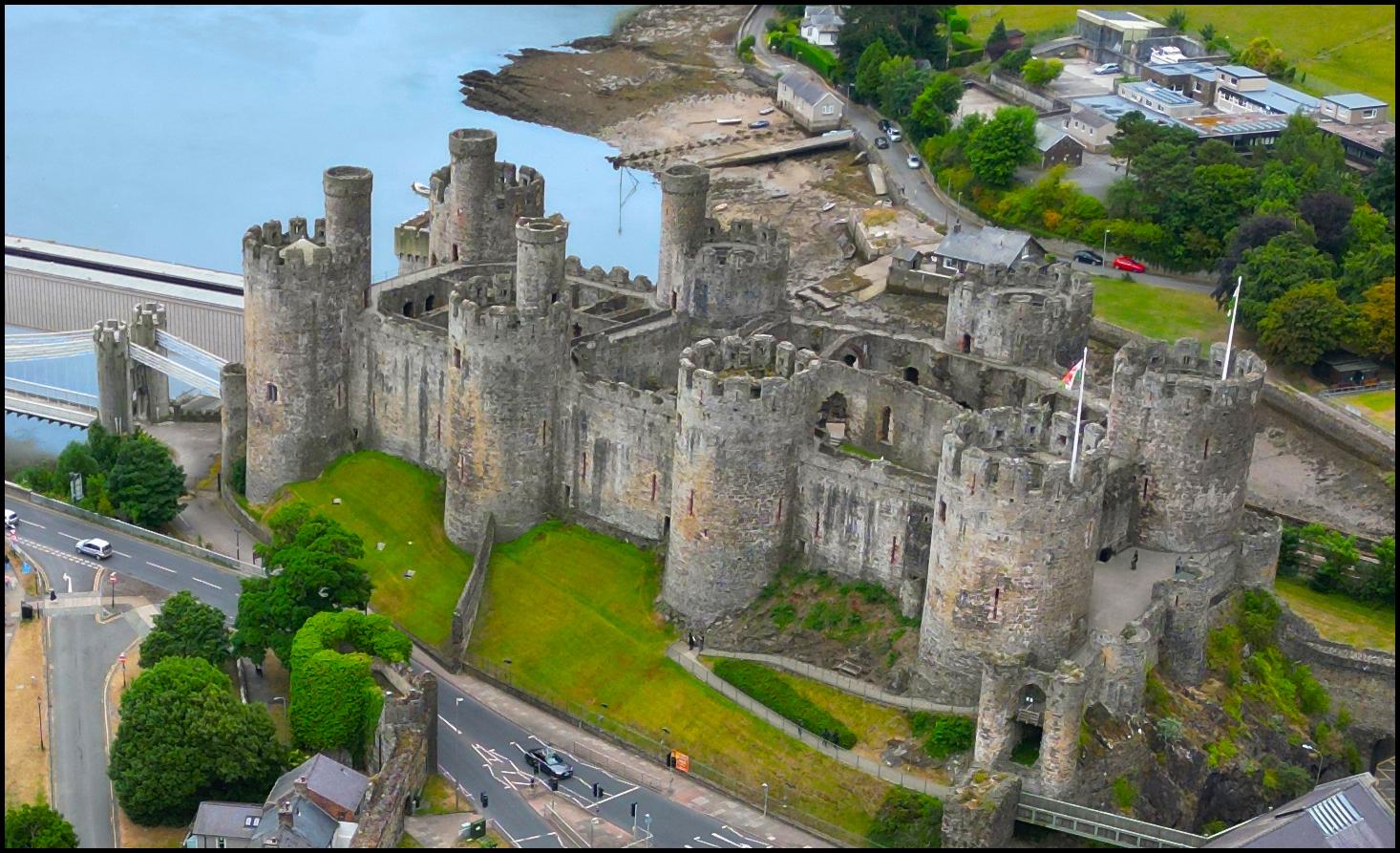
Looking beyond Denbigh Castle? Discover Clwyd for broader travel guides, local hot-spots, and regional highlights.
Explore Clwyd