Grand Parade, Cork Travel Guide
Grand Parade in Cork is a historic boulevard featuring the iconic National Monument, a vibrant hub of culture, history, and urban life in the city centre.
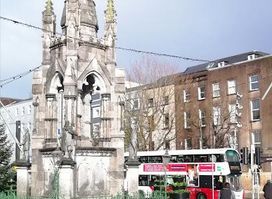
Grand Parade is a prominent and historic street in the centre of Cork city, Ireland, known for its wide layout and rich heritage. It stretches from South Mall to St. Patrick's Street and features the iconic National Monument, a Gothic-style memorial commemorating Irish patriots who fought in the rebellions of 1798, 1803, 1848, and 1867. This vibrant area blends history, culture, and urban life, making it a key landmark and gathering place in Cork.
A brief summary to Grand Parade
- Cork, Centre, IE
- Duration: 0.5 to 2 hours
- Free
-
 Outdoor
- Mobile reception: 5 out of 5

Know before you go
Hi, I'm Eve. Here are a few practical things to know before exploring Grand Parade.
- Visit the National Monument early in the day for quieter reflection and better photo lighting.
- Explore nearby Bishop Lucey Park and the Berwick Fountain to complement your visit to Grand Parade.
- Look out for plaques around the monument to learn about the different Irish rebellions commemorated here.
- Enjoy local cafes and shops along Grand Parade to experience Cork’s vibrant city life.
Do you manage this location?
Take control to get all the benefits, like improved information, better appearance, and stronger visibility across AI-powered discovery. Learn more about listing your business on Evendo
Activate your presenceOther nearby places you may find interesting
The closest places of the same kind, if this one is not quite what you had in mind.
Explore Grand Parade on the Map
A handpicked selection of must-see spots near Grand Parade, mapped for you.
Unlock the Best of Grand Parade
Buy tickets
-
No tickets available
Book tours with entry


Getting There
-
Public Bus
Several city bus routes serve stops within a 5-10 minute walk of Grand Parade, including routes from Cork Bus Station. Buses run frequently with ticket prices around €2-€3 for a single journey.
-
Walking
Grand Parade is centrally located and easily accessible on foot from most Cork city centre accommodations and attractions. Walking times from St. Patrick’s Street or South Mall are approximately 5-10 minutes on mostly flat, paved streets.
-
Car
Driving to Grand Parade is possible but parking is limited nearby. Several public car parks are available within a 5-15 minute walk, with typical parking fees ranging from €1.50 to €3 per hour. Expect some traffic congestion during peak hours.
For the on-the-go comforts that matter to you
-
 Restrooms
-
 Drink Options
-
 Food Options
-
 Seating Areas
-
 Information Boards
Discover more about Grand Parade
A Historic Thoroughfare in Cork’s Heart
Grand Parade is one of Cork city’s main streets, running north-south from South Mall to St. Patrick's Street/Daunt Square. Originally laid out in the late 18th century as a fashionable mall, it replaced marshy ground with a broad, elegant boulevard that became a centerpiece for the city’s commercial and social life. The street’s Irish name, Sráid an Chapaill Bhuí, or “Yellow Horse Street,” recalls the statue of King George II on horseback that once stood here, symbolizing Cork’s complex colonial history.The National Monument: A Tribute to Irish Patriots
At the southern end of Grand Parade stands the National Monument, unveiled on St. Patrick’s Day 1906. Designed by architect Dominick Coakley with sculptures by John Francis Davis, this imposing Gothic-style monument honors those who fought in the Irish rebellions of 1798, 1803, 1848, and 1867. Figures such as Wolfe Tone, Michael Dwyer, Thomas Davis, and Peter O’Neill Crowley are immortalized here, alongside the central figure of Mother Erin. The monument also includes plaques commemorating the 1916 Rising and the War of Independence, making it a powerful symbol of Cork’s and Ireland’s struggle for sovereignty.A Living Space for Commemoration and Community
Beyond its architectural grandeur, the National Monument serves as a focal point for political and social gatherings, including Easter commemorations and events honoring Irish independence. The space around it often hosts local musicians and artists, contributing to a vibrant atmosphere that blends solemn remembrance with community life. Nearby, the Berwick Fountain and Bishop Lucey Park add to the cultural richness of the area.Architectural and Urban Character
Grand Parade is lined with a mix of commercial properties, from retail shops at the northern end to offices closer to South Mall. Its wide layout contrasts with Cork’s narrower medieval streets, reflecting the city’s expansion and modernization during the 18th and 19th centuries. The street’s design and the monument’s presence create a striking urban environment that balances historical significance with everyday city bustle.Historical Layers and Cultural Significance
The removal of the King George II statue in 1862 marked a shift in public sentiment, replaced by a monument celebrating Irish nationalism. The National Monument’s dedication to armed rebellion highlights one strand of Ireland’s complex history, though it has been noted for its limited representation of women and other nationalist traditions. Nonetheless, it remains a vital landmark for understanding Cork’s identity and Ireland’s broader narrative of independence.Grand Parade Today: A Hub of Cork Life
Today, Grand Parade is a vibrant artery in Cork city centre, frequented by locals and visitors alike. Its central location, historical monuments, and nearby amenities make it a key destination for cultural exploration and urban enjoyment. The street’s blend of history, architecture, and lively atmosphere encapsulates the spirit of Cork as a city proud of its heritage and dynamic present.












Your all‑in‑one travel companion app
Explore expert travel guides, compare and book tours, experiences, hotels, and more—all from the palm of your hand. Download now for seamless trip planning wherever your wanderlust takes you.


Explore More of Cork
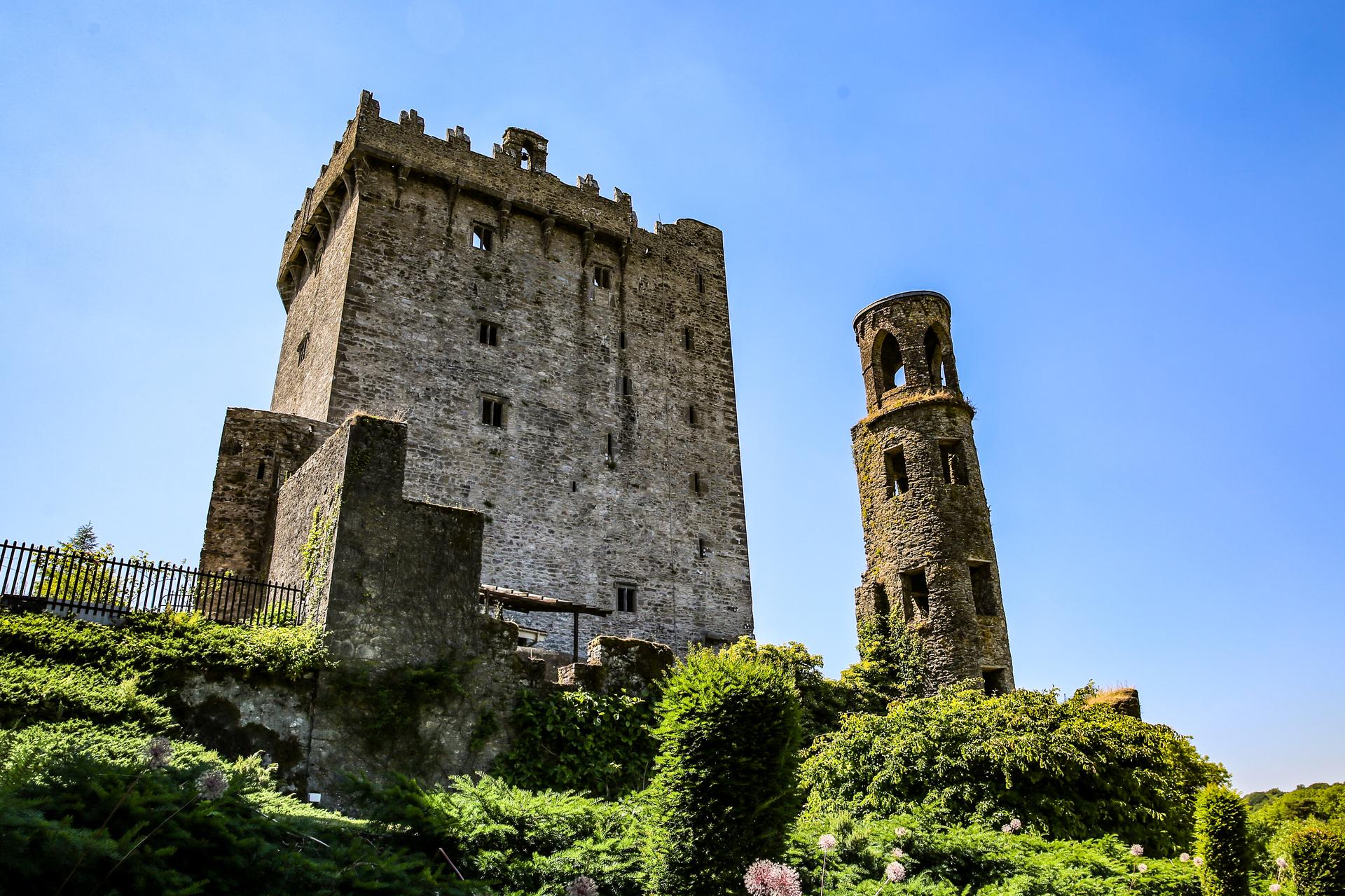
Looking beyond Grand Parade? Discover Cork for broader travel guides, local hot-spots, and regional highlights.
Explore Cork