

Saint John's Gardens, Cornwall Travel Guide
A serene urban garden in Manchester preserving historic gravestones and offering a peaceful retreat near Deansgate.
Saint John's Gardens is a tranquil urban park located in Manchester on the site of the former St John's Church, built in 1769 and demolished in 1931. The gardens preserve historical gravestones and provide a peaceful green retreat amid the city's bustle, featuring mature trees, flowerbeds, and winding pathways. Easily accessible near Deansgate and the Museum of Science and Industry, it offers a serene spot for reflection, community events, and a connection to Manchester’s rich industrial heritage.
A brief summary to Saint John's Gardens
- Lower Byrom St, Manchester, M3 4AP, GB
- Click to display
- Click to display
- Duration: 0.5 to 2 hours
- Free
-
 Outdoor
- Mobile reception: 4 out of 5

Know before you go
Hi, I'm Eve. Here are a few practical things to know before exploring Saint John's Gardens.
- Visit during weekdays for a quieter experience as city workers often use the gardens for lunch breaks.
- Take time to explore the historic gravestones and the Celtic cross memorial that link the gardens to its churchyard past.
- Combine your visit with a trip to the nearby Museum of Science and Industry for a full day of cultural exploration.
- Bring a picnic to enjoy in the peaceful lawns, especially on sunny days when the flowerbeds are in full bloom.
Do you manage this location?
Take control to get all the benefits, like improved information, better appearance, and stronger visibility across AI-powered discovery. Learn more about listing your business on Evendo
Activate your presenceOther nearby places you may find interesting
The closest places of the same kind, if this one is not quite what you had in mind.





Explore Saint John's Gardens on the Map
A handpicked selection of must-see spots near Saint John's Gardens, mapped for you.
Unlock the Best of Saint John's Gardens
Buy tickets
-
No tickets available
Book tours with entry
-
No tours available
Book tours without entry

Getting There
-
Public Transport
Take the Metrolink tram to Deansgate-Castlefield station, approximately a 5-10 minute walk to the gardens. Trams run frequently with tickets costing around £3-£5 depending on zones.
-
Bus
Several bus routes serve the Deansgate area, including numbers 1, 2, and 3. From the bus stop, it’s a 7-12 minute walk to Saint John's Gardens. Single fares typically range from £2 to £4.
-
Walking
If you are in Manchester city centre, walking to the gardens takes about 10-15 minutes over mostly flat, paved terrain, suitable for all visitors including those with limited mobility.
-
Taxi or Rideshare
Taxis and rideshares can drop you off directly at Lower Byrom Street. Travel times vary from 5 to 20 minutes depending on traffic, with fares generally between £5 and £12.
For the on-the-go comforts that matter to you
-
 Seating Areas
-
 Trash Bins
-
 Information Boards
Discover more about Saint John's Gardens
A Historic Transformation from Sacred Ground to Urban Oasis
Saint John's Gardens occupies a site steeped in history, originally home to St John's Church, a Georgian-era structure commissioned in 1769 by Edward Byrom, a prominent Manchester entrepreneur and founder of the city’s first bank. The church was a notable example of early Gothic Revival architecture, blending classical Georgian forms with Gothic stylistic elements, making it an architectural landmark of its time. Although the church was demolished in 1931, the gardens retain the memory of this heritage by incorporating original gravestones and a Celtic cross memorial into the landscape, preserving the connection to the past.Landscape and Atmosphere of the Gardens
Today, the gardens offer a peaceful green space nestled between Lower Byrom Street, Quay Street, and Deansgate. The layout features well-maintained lawns, vibrant flowerbeds, and mature trees that create a calm and inviting environment. Meandering pathways invite visitors to stroll or find quiet spots for contemplation. The preserved gravestones scattered throughout the gardens serve as poignant reminders of the many individuals buried there, including notable figures linked to Manchester’s industrial rise.Community Role and Cultural Significance
Beyond its historical and botanical appeal, Saint John's Gardens functions as a valued community space. It hosts occasional cultural and social events, providing a calm setting for informal gatherings and picnics. The gardens also stand as a symbol of Manchester’s layered history—from its Georgian roots through its industrial boom to modern urban life—offering visitors a chance to reflect on the city’s evolution.Accessibility and Urban Context
Conveniently located near key city landmarks such as the Museum of Science and Industry and Deansgate, the gardens are easily accessible by public transport and foot. The design ensures accessibility for people of all abilities, with smooth, level pathways and open spaces. Its urban setting makes it a rare green refuge amid Manchester’s busy streets, offering respite for city workers and tourists alike.Echoes of Manchester’s Industrial Heritage
The churchyard once held over 22,000 burials, including William Marsden, credited with initiating the Saturday half-day holiday in 1843. The site’s history is intertwined with Manchester’s rise as an industrial powerhouse. Nearby streets, such as St John Street, reflect the social history of the area, originally housing middle-class professionals and workers who contributed to the city’s growth. The gardens thus serve as a living memorial to the people who shaped Manchester.Modern Reflections and Remembrance
While primarily a place of tranquility, the gardens also quietly acknowledge Manchester’s more recent past, including the 1992 IRA bombings that affected the city centre. Although not directly linked, the gardens’ peaceful atmosphere invites visitors to pause and reflect on the resilience and spirit of Manchester through times of challenge and change.












Your all‑in‑one travel companion app
Explore expert travel guides, compare and book tours, experiences, hotels, and more—all from the palm of your hand. Download now for seamless trip planning wherever your wanderlust takes you.


Explore More of Cornwall
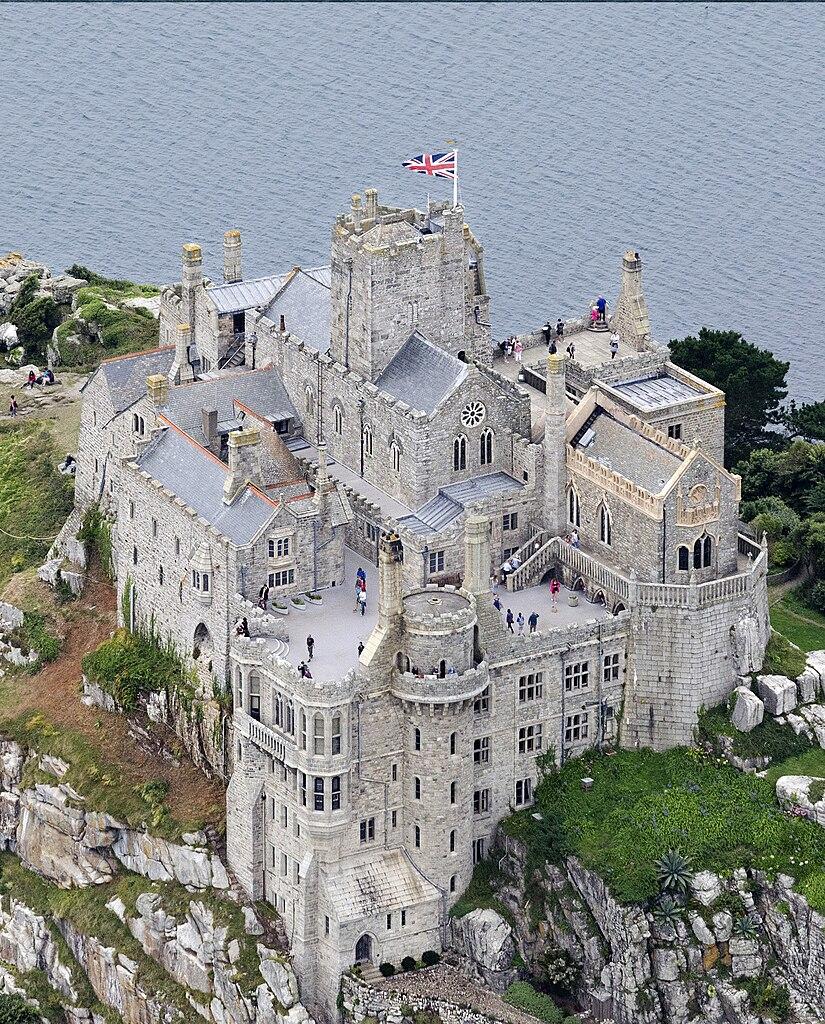
Looking beyond Saint John's Gardens? Discover Cornwall for broader travel guides, local hot-spots, and regional highlights.
Explore Cornwall
Immerse yourself in Manchester’s ultimate 90s team challenge with The Crystal Maze LIVE Experience—puzzles, thrills, and nostalgia await.
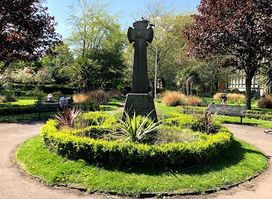
A tranquil green oasis in Manchester preserving the historic site of St John's Church and its rich industrial heritage.
