

Cornwall, United Kingdom Travel Guide
Discover Cornwall: A blend of rugged coastlines, charming villages, and rich maritime history in the heart of the UK's southwestern tip.
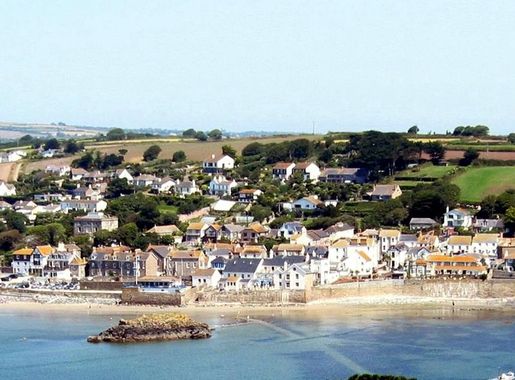
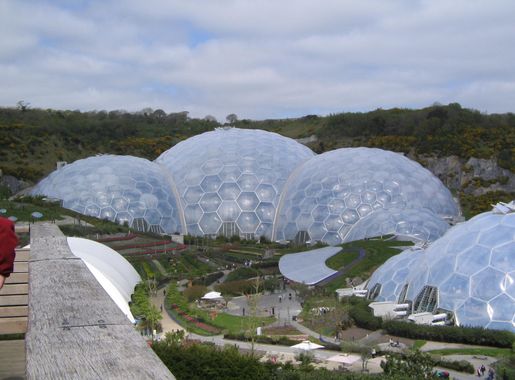
Cornwall, located in the southwestern tip of the United Kingdom, is a magical place where rugged coastlines meet charming seaside villages. Known for its stunning natural beauty, Cornwall boasts golden sandy beaches, dramatic cliffs, and picturesque harbors. Visitors can explore the region's rich maritime history, enjoy water sports, or simply relax and take in the serene coastal views. One of the must-visit spots in Cornwall is St. Michael's Mount, a tidal island with a medieval castle and church. At low tide, you can walk across the causeway from Marazion, while at high tide, a boat ride will take you to this enchanting landmark. The Eden Project, another highlight, offers a unique experience with its giant biomes housing diverse plant species from around the globe. Cornwall is also famous for its culinary delights. Indulge in a traditional Cornish pasty, savor fresh seafood, or treat yourself to a cream tea with locally made clotted cream and jam. Don't forget to visit the charming town of St. Ives, known for its vibrant art scene and beautiful beaches. Whether you're an adventure seeker or looking for a peaceful retreat, Cornwall offers something for everyone.

Know before you go
Hi, I'm Eve. Here are a few practical things to know before exploring Cornwall.
- Visit during the shoulder seasons (spring or fall) to avoid crowds and enjoy milder weather.
- Public transport is limited, so consider renting a car to explore the region fully.
- Check tide times before visiting St. Michael's Mount to plan your trip across the causeway.
- Bring layers of clothing as the weather can be unpredictable, even in summer.
- Try the local seafood, especially the freshly caught fish and chips from coastal towns.
Top City Travel Guides in Cornwall
The cities of Cornwall, and the easiest places to base yourself.


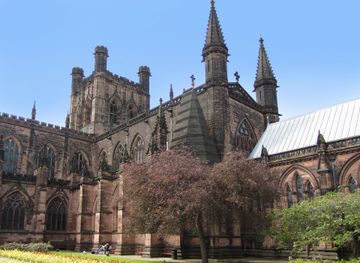
Destinations in Cornwall
Resorts, valleys and scenic spots worth a trip of their own.


Explore Cornwall: Things to Do, Places to Eat, Hotels & More
Handpicked recommendations for top attractions, local dining, accommodations, and more

Top Attractions & Sightseeing in Cornwall
Top-rated picks
Best Attractions

AO Arena
Manchester’s iconic indoor arena offering world-class concerts, sports, and events in a vibrant and accessible city-center setting.

Beatles Magical Mystery Tour
Explore Liverpool’s Beatles landmarks and end your journey at the iconic Cavern Club with the award-winning Magical Mystery Tour.

Forest of Bowland
Explore the tranquil moorlands, ancient woodlands, and historic villages of the Forest of Bowland, a stunning Area of Outstanding Natural Beauty.

Winter Gardens Blackpool
Step into Blackpool’s iconic Winter Gardens, a historic entertainment palace where grandeur meets world-class shows and timeless cultural heritage.

Best landmarks in Cornwall
Top-rated picks
Best Landmarks

Manchester Cenotaph
A solemn and architecturally significant war memorial in Manchester’s St Peter’s Square honoring the city’s fallen heroes.
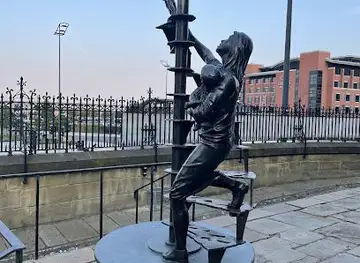
Blitz Memorial
A solemn tribute in Liverpool honoring the resilience and sacrifice of civilians during the devastating World War II air raids.

Eleanor Rigby Gravesite
Visit the poignant gravesite of Eleanor Rigby, the real-life inspiration behind The Beatles’ haunting song, nestled in Liverpool’s historic Woolton village.
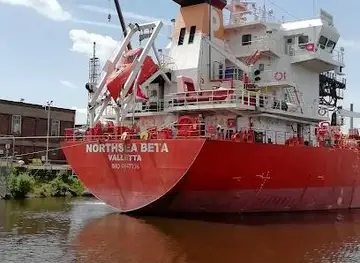
Manchester Ship Canal
A monumental Victorian waterway that turned Manchester into a thriving inland port and symbol of industrial ambition.

Best restaurants in Cornwall
Top-rated picks
Best Restaurants

Beertown Public House Oakville
A vibrant Oakville hotspot offering craft beers, diverse vegan and gluten-friendly menus, and a lively atmosphere for all tastes.

Pier Eight Restaurant
Modern British dining with stunning waterside views inside The Lowry, perfect for pre-theatre meals and relaxed social gatherings.

RSVP
Experience an exclusive, chef-driven French dining journey in the intimate, rustic charm of West Cornwall’s RSVP.

Captain George's Fish & Chips Cornwall
Savor classic Maritime fish and chips and fresh seafood platters in a casual, friendly setting in Cornwall, Ontario.

Best bars in Cornwall
Top-rated picks
Best Bars

Alcotraz Manchester: Cell Block Three-Four
Step into Alcotraz Manchester for an immersive prison-themed cocktail adventure with bespoke drinks and captivating live actors.
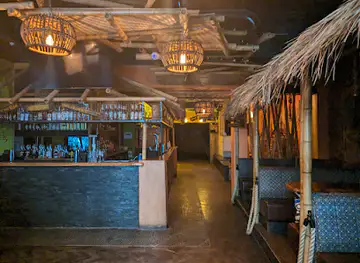
Bambu Beach Bar
Swansea’s vibrant Latin tiki bar offering tropical cocktails, live music, karaoke pods, and an unbeatable party atmosphere year-round.
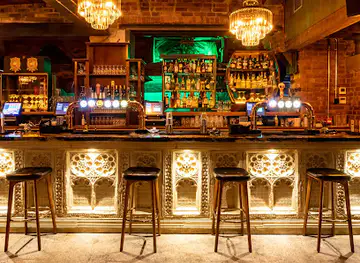
ChachaBuchi
ChachaBuchi blends rustic charm with vibrant nightlife, offering cocktails, eclectic food, and live music in Newcastle’s stylish city center venue.

Cornwall's
Experience authentic British pub fare, lively atmosphere, and a great beer selection in Boston’s vibrant Fenway–Kenmore neighborhood.


Explore Cornwall on the Map
A handpicked selection of must-see spots in Cornwall, mapped for you.
Cornwall Essentials
-
Cornwall is located in the southwestern tip of the United Kingdom. The nearest major airport is Newquay Cornwall Airport, which offers flights from several UK cities and some European destinations. Alternatively, Exeter International Airport is another option, located about a 1.5-hour drive from Cornwall. Train services are also available, with Great Western Railway operating routes from London Paddington to Penzance, passing through major Cornish towns such as Truro, St Austell, and Newquay. For those driving, the A30 and A38 are the main roads leading into Cornwall.
-
Cornwall offers a variety of transportation options. The local bus service, operated by First Kernow, covers most parts of Cornwall, connecting towns and villages. Train services are also available, with scenic routes such as the St Ives Bay Line and the Looe Valley Line. Taxis are readily available, and car rentals can be found at major hubs like Newquay Cornwall Airport and Truro. For a more leisurely way to explore the coast, consider cycling; many towns and villages have bike rental services.
-
The official currency in Cornwall, as in the rest of the United Kingdom, is the British Pound (GBP). Credit and debit cards are widely accepted in hotels, restaurants, and shops. ATMs are available in most towns, but it is advisable to carry some cash, especially if you plan to visit smaller villages or remote areas where card payments may not be accepted. Contactless payments via mobile devices are also commonly used.
-
Cornwall is generally a safe destination for tourists. However, it is wise to take standard precautions, such as not leaving valuables unattended and being cautious in crowded areas. While Cornwall does not have high-crime areas specifically targeting tourists, it is advisable to stay vigilant. Avoid walking alone at night in secluded areas, and always keep an eye on your belongings.
-
In case of an emergency, dial 999 to reach police, fire, or medical services. Cornwall has several hospitals with accident and emergency departments, including Royal Cornwall Hospital in Truro and West Cornwall Hospital in Penzance. Pharmacies are widely available in towns for minor health issues. It is recommended to have travel insurance that covers medical emergencies.
-
Fashion: Do wear comfortable clothing and layers, as the weather can be unpredictable. Don't wear beachwear away from the beach areas. Religion: Do respect local customs when visiting churches and religious sites; some may require modest dress. Public Transport: Do have exact change for bus fares or consider purchasing a travel card. Don't eat or drink on public transport. Greetings: Do greet people with a friendly 'Hello' or 'Hi'. A handshake is also acceptable. Eating & Drinking: Do try local specialties such as Cornish pasties and cream teas. Don't forget to put the clotted cream on your scone before the jam, as is the Cornish way.
-
To experience Cornwall like a local, visit the local markets and farmers' markets where you can buy fresh produce and artisanal goods. Engage with locals, as they are generally friendly and happy to share tips and stories. Don't miss exploring the coastal paths for breathtaking views and hidden coves. For a unique experience, attend local festivals and events such as the Padstow May Day or the Falmouth Oyster Festival.
When is the best time to visit Cornwall?
Useful Local Phrases for Cornwall
You don't need to speak the language perfectly. Even learning a few simple words can make conversations warmer—and locals usually appreciate the effort.
— Eve

Here are the phrases I use most often in Cornwall. Try a few—you'll be surprised how far they go! 😊
❤️
-
- HelloHello
[heh-loh] - GoodbyeTaa-ra
[tah-rah] - YesAye
[ai] - NoNaa
[nah] - Please/You’re welcomePlease
[pleez] - Thank youThank you
[thangk yew] - Excuse me/SorryS’cuse me
[skyoos mee] - How are you?How be ye?
[how bee yee] - Fine. And you?Right. An’ you?
[rait. an' yoo] - Do you speak English?D'ye speak English?
[d'ye speek ing-glish] - I don't understandI don’t get it
[ai dont get it]
- HelloHello
-
- I’d like to see the menu, pleaseCan I see the menu, please?
[kan ai see thuh men-yoo, pleez?] - I don't eat meatI don’t eat meat
[ai dont eet meet] - Cheers!Cheers!
[cheerz] - I would like to pay, pleaseI’d like to pay, please
[ai'd laik to pay, pleez]
- I’d like to see the menu, pleaseCan I see the menu, please?
-
- Help!Help!
[help] - Go away!Go away!
[go ah-way] - Call the Police!Call the coppers!
[kawl thuh cop-pers] - Call a doctor!Call a doc!
[kawl a dok] - I’m lostI’m lost
[ai'm lost] - I’m illI’m poorly
[ai'm poor-lee]
- Help!Help!
-
- I’d like to buy...I’d like to buy...
[ai'd laik to buy...] - I’m just lookingI’m just looking
[ai'm just looking] - How much is it?How much be it?
[how much bee it?] - That’s too expensiveThat’s too dear
[thats too deer] - Can you lower the price?Can ye lower the price?
[kan yee loh-er thuh prys?]
- I’d like to buy...I’d like to buy...
-
- What time is it?What time be it?
[what time bee it?] - It’s one o'clockIt be one o'clock
[it bee wun o'clock] - Half past (10)Half past (10)
[half past (ten)] - MorningMornin'
[mor-ning] - AfternoonAfternoon
[af-ter-noon] - EveningEvenin'
[eev-ning] - YesterdayYesterday
[yes-ter-day] - TodayToday
[to-day] - TomorrowTo-morrow
[to-mor-row] - 1One
[wun] - 2Two
[too] - 3Three
[three] - 4Four
[for] - 5Five
[fiv] - 6Six
[siks] - 7Seven
[sev-en] - 8Eight
[ait] - 9Nine
[nin] - 10Ten
[ten]
- What time is it?What time be it?
-
- Where's a/the...?Where be a/the...?
[whehr bee a/thuh...?] - What’s the address?What be the address?
[what bee thuh ad-dress?] - Can you show me (on the map)?Can ye show me (on the map)?
[kan yee shoh mee (on thuh map)?] - When's the next (bus)?When be the next (bus)?
[when bee thuh next (bus)?] - A ticket (to ....)A ticket (to ....)
[a tik-it (to....)]
- Where's a/the...?Where be a/the...?
History of Cornwall
-
Cornwall has a distinct cultural identity, heavily influenced by its unique language, Cornish. The language, closely related to Breton and Welsh, experienced a decline but has seen a revival in recent years. The culture is rich with traditional music, dance, and festivals such as 'Obby 'Oss in Padstow and the Montol Festival in Penzance, which celebrate Cornwall's Celtic heritage.
-
Cornwall is deeply entwined with the legend of King Arthur. Tintagel Castle, perched dramatically on the rugged north coast, is reputed to be the birthplace of the legendary king. The castle ruins and the nearby Merlin's Cave draw thousands of visitors, eager to connect with the Arthurian legends.
-
Cornwall's landscape is scarred by its industrial past, particularly its rich mining heritage. The county was renowned for its tin and copper mines during the 18th and 19th centuries. The Cornish Mining World Heritage Site, which includes places like Geevor Tin Mine and Levant Mine, offers a glimpse into this pivotal period of industrial history.
-
The coastal location of Cornwall has made it a significant player in maritime history. From the age of sail, when Cornish ports like Falmouth were bustling hubs of trade and exploration, to the infamous smuggling era, Cornwall's relationship with the sea has shaped its history and culture. Smugglers' tales are particularly prevalent in villages like Polperro and Mevagissey.
-
Cornwall has a history of rebellion and resistance. Significant uprisings include the Cornish Rebellion of 1497, sparked by taxation issues, and the Prayer Book Rebellion of 1549, driven by opposition to the imposition of the English Book of Common Prayer. These events underscore Cornwall's fiercely independent spirit.
-
This tidal island, crowned by a medieval church and castle, has a storied past. St. Michael's Mount has been a site of pilgrimage, a fortress, and a private residence. It is connected to the legendary Archangel Michael, who is said to have appeared to local fishermen in the 5th century.
-
Bodmin Moor is a granite moorland that has been inhabited since the Neolithic period. It is home to ancient stone circles, burial chambers, and the famous Jamaica Inn, immortalized by Daphne du Maurier. The moor's rugged beauty and historical significance make it a captivating destination for history enthusiasts.
-
Cornwall played a significant role during the English Civil War (1642–1651). The county mostly supported the Royalist cause, and notable battles, such as the Battle of Stratton in 1643, took place on Cornish soil. This period left a lasting legacy on Cornwall's architecture and local traditions.
Neighbouring Regions of Cornwall
The closest regions to Cornwall, if you have time for more than one.


Your all‑in‑one travel companion app
Explore expert travel guides, compare and book tours, experiences, hotels, and more—all from the palm of your hand. Download now for seamless trip planning wherever your wanderlust takes you.


Explore More of United Kingdom

Looking beyond Cornwall? Discover United Kingdom for broader travel guides, local hot-spots, and regional highlights.
Explore United KingdomCornwall in Photos
Browse through our photo collection highlighting the charm and character of the destination.




Enchanting Cornwall: The Jewel of the British Coast
Cornwall, located in the southwestern tip of the United Kingdom, is a magical place where rugged coastlines meet charming seaside villages. Known for its stunning natural beauty, Cornwall boasts golden sandy beaches, dramatic cliffs, and picturesque harbors. Visitors can explore the region's rich maritime history, enjoy water sports, or simply relax and take in the serene coastal views. One of the must-visit spots in Cornwall is St. Michael's Mount, a tidal island with a medieval castle and church. At low tide, you can walk across the causeway from Marazion, while at high tide, a boat ride will take you to this enchanting landmark. The Eden Project, another highlight, offers a unique experience with its giant biomes housing diverse plant species from around the globe. Cornwall is also famous for its culinary delights. Indulge in a traditional Cornish pasty, savor fresh seafood, or treat yourself to a cream tea with locally made clotted cream and jam. Don't forget to visit the charming town of St. Ives, known for its vibrant art scene and beautiful beaches. Whether you're an adventure seeker or looking for a peaceful retreat, Cornwall offers something for everyone.