

Manchester Cenotaph, Cornwall Travel Guide
A solemn and architecturally significant war memorial in Manchester’s St Peter’s Square honoring the city’s fallen heroes.
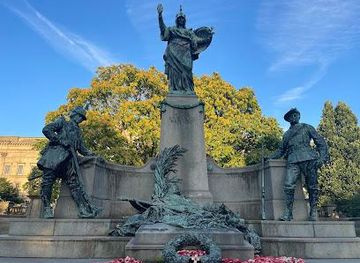
The Manchester Cenotaph, designed by Sir Edwin Lutyens and unveiled in 1924, is a poignant war memorial in St Peter’s Square, Manchester. It honors the fallen soldiers from Manchester who died in World War I, later including those from World War II and the Korean War. Featuring a central cenotaph topped by a sculpture of an unknown soldier and flanked by symbolic stone sculptures, it stands as a solemn reminder of sacrifice and resilience in the heart of the city.
A brief summary to Manchester Cenotaph
- Manchester, Manchester, GB
- Click to display
- Duration: 0.5 to 1.5 hours
- Free
-
 Outdoor
- Mobile reception: 5 out of 5

Know before you go
Hi, I'm Eve. Here are a few practical things to know before exploring Manchester Cenotaph.
- Visit during Remembrance Sunday for the poignant annual ceremonies held at the cenotaph.
- Take time to observe the detailed stone sculptures representing Sacrifice, Courage, and Devotion.
- Explore nearby memorials and the historic surroundings of St Peter’s Square to deepen your understanding.
- Combine your visit with a walk around Manchester Town Hall and the Central Library for architectural appreciation.
Do you manage this location?
Take control to get all the benefits, like improved information, better appearance, and stronger visibility across AI-powered discovery. Learn more about listing your business on Evendo
Activate your presenceOther nearby places you may find interesting
The closest places of the same kind, if this one is not quite what you had in mind.

Explore Manchester Cenotaph on the Map
A handpicked selection of must-see spots near Manchester Cenotaph, mapped for you.
Unlock the Best of Manchester Cenotaph
Buy tickets
-
No tickets available
Book tours with entry

Book tours without entry
-
No tours available
Getting There
-
Tram
Take the Manchester Metrolink tram to St Peter’s Square stop, which is served by multiple lines. The tram journey from Manchester Piccadilly station takes about 10–15 minutes, with frequent services throughout the day. The tram stop is a short walk to the cenotaph. Tickets cost approximately £2.50–£4.00 depending on travel zones.
-
Bus
Several bus routes serve St Peter’s Square from across Greater Manchester. From Manchester Victoria or Piccadilly bus stations, buses take 15–25 minutes depending on traffic. Bus stops are within a 5-minute walk of the cenotaph. Standard single fares range from £2.00 to £3.50.
-
Walking
If you are staying in central Manchester, the cenotaph is accessible on foot within 10–20 minutes from major landmarks such as Manchester Town Hall or the Central Library. The terrain is flat and paved, suitable for wheelchair users and those with limited mobility.
For the on-the-go comforts that matter to you
-
 Restrooms
-
 Drink Options
-
 Food Options
-
 Seating Areas
-
 Information Boards
Discover more about Manchester Cenotaph
A Monument Rooted in History and Memory
The Manchester Cenotaph was unveiled on July 12, 1924, as a memorial to the men of Manchester who lost their lives during World War I. The city was relatively late in commissioning a war memorial compared to other British cities, with the war memorial committee only forming in 1922. Despite initial challenges in site selection, the monument was ultimately placed in St Peter’s Square, a location rich with historical significance, formerly the site of St Peter’s Church and the infamous Peterloo Massacre of 1819. The cenotaph was designed by Sir Edwin Lutyens, one of Britain’s most renowned architects of war memorials, whose work includes the iconic Whitehall Cenotaph in London.Architectural Symbolism and Design Features
Lutyens’ design for the Manchester Cenotaph is a variation on his Whitehall model. It features a central cenotaph—a symbolic empty tomb—topped by a stone sculpture of an unknown soldier draped in his greatcoat, representing every soldier who died anonymously in battle. The monument is flanked by twin obelisks and includes a Stone of Remembrance, an altar-like feature common to Lutyens’ war memorials. The structure is adorned with relief carvings of the imperial crown, the coat of arms of Manchester, and inscriptions commemorating the dead. Surrounding the cenotaph are three stone sculpture groups symbolizing Sacrifice, Courage, and Devotion, virtues exemplified by Manchester’s fallen soldiers.Relocation and Preservation Efforts
In 2014–2015, the Manchester Cenotaph was carefully dismantled and relocated within St Peter’s Square to accommodate the expansion of the Metrolink tram network. It was moved to a prominent position adjacent to Manchester Town Hall, ensuring its visibility and continued prominence in the cityscape. The relocation was conducted with great care to preserve the monument’s integrity. The cenotaph is a Grade II* listed structure and is recognized as part of the national collection of Lutyens’ war memorials, underscoring its architectural and historical importance.A Place of Reflection and Remembrance
The cenotaph serves as a solemn focal point for remembrance ceremonies, including those on Remembrance Sunday. It is a place where the public can reflect on the cost of war and honor the sacrifice of those who served. The monument’s austere and dignified design evokes a profound sense of loss and resilience. Its presence in the heart of Manchester connects the city’s past with its present, reminding visitors and locals alike of the human stories behind the historical events.Surrounding Memorials and Context
Near the Manchester Cenotaph are additional memorials commemorating other conflicts and groups, including the Korean War and Italian comrades from World War I. The site’s careful alignment with nearby landmarks, such as the Central Library, enhances its prominence and contemplative atmosphere. The cenotaph’s location and design create a powerful urban space dedicated to memory, peace, and the enduring impact of war on the community.Legacy of Sir Edwin Lutyens in Manchester
Sir Edwin Lutyens’ work in Manchester is part of a broader legacy of war memorials that shaped Britain’s commemorative landscape after World War I. His designs balance architectural elegance with deep symbolism, offering a universal tribute to the fallen soldiers. The Manchester Cenotaph stands as a testament to his vision and to the city’s commitment to honoring its history and those who sacrificed their lives for peace.












Your all‑in‑one travel companion app
Explore expert travel guides, compare and book tours, experiences, hotels, and more—all from the palm of your hand. Download now for seamless trip planning wherever your wanderlust takes you.


Explore More of Cornwall
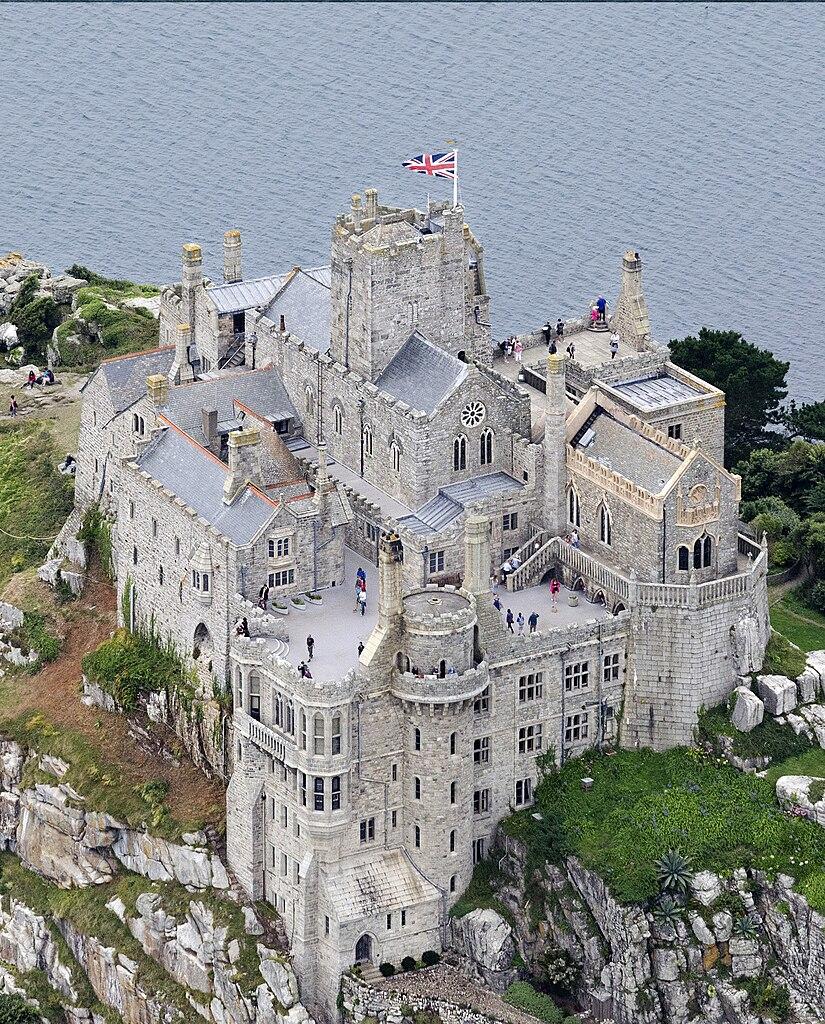
Looking beyond Manchester Cenotaph? Discover Cornwall for broader travel guides, local hot-spots, and regional highlights.
Explore Cornwall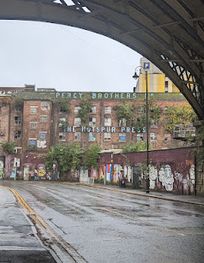
Historic Hotspur House blends Manchester’s industrial past with bold modern redevelopment, preserving heritage amid vibrant urban renewal.
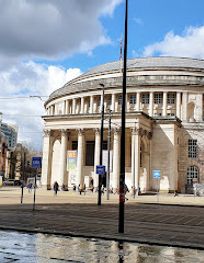
Manchester’s historic St Peter's Square blends rich heritage, iconic architecture, and vibrant urban life at the heart of the city centre.
