Furness Abbey Travel Guide
Free Guide: Explore the evocative ruins of Furness Abbey, a majestic 12th-century Cistercian monastery steeped in history and set in tranquil Cumbria grounds.


A brief summary of Furness Abbey
Explore the evocative ruins of Furness Abbey, a majestic 12th-century Cistercian monastery steeped in history and set in tranquil Cumbria grounds.
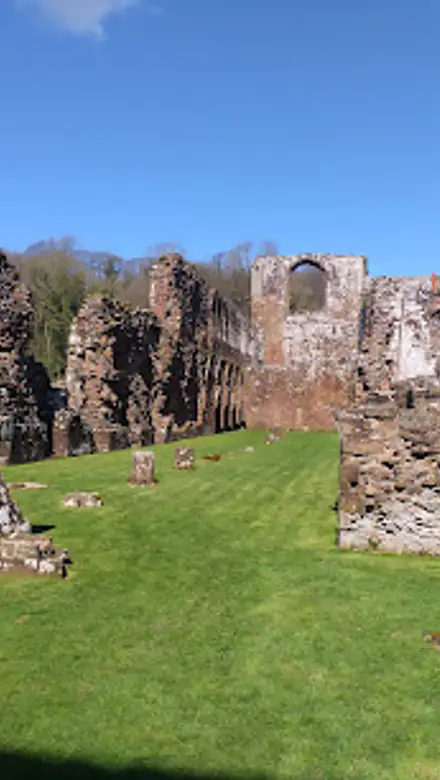
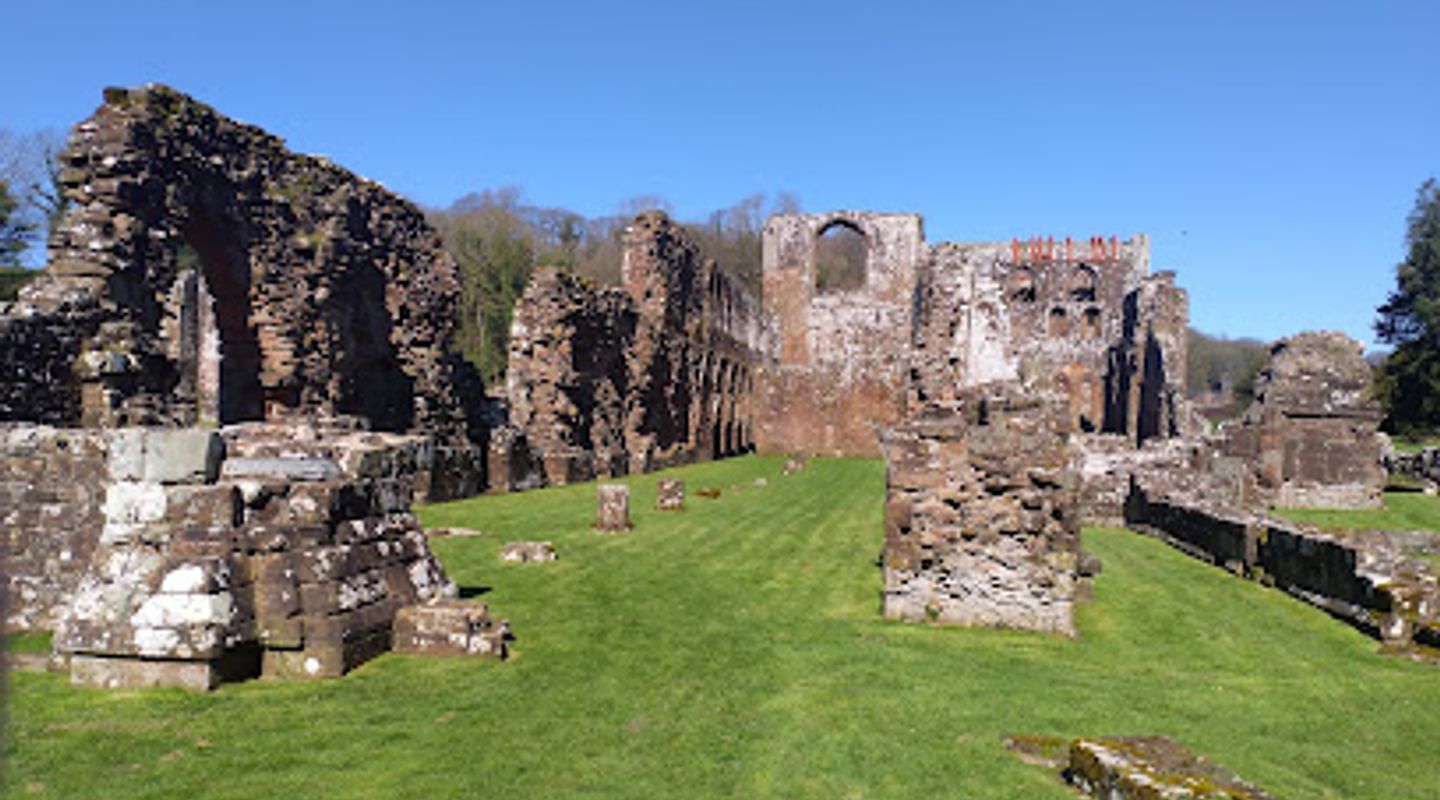
Furness Abbey, located in Barrow-in-Furness, Cumbria, is the atmospheric ruin of a once-powerful 12th-century Cistercian monastery. Founded in 1123 by Stephen, Count of Boulogne, it became England’s second richest Cistercian abbey. Visitors can explore extensive sandstone ruins including the abbey church, cloisters, infirmary chapel, and a unique amphitheatre, all set within tranquil grounds that evoke centuries of history and monastic life.
On-site amenities
 Restrooms
 Drink options
 Food options
 Seating areas
 Trash bins
 Information boards
 Visitor centre
Opening hours
- Every day10 am–5 pm
Opening hours as listed on the venue’s Google Business Profile. Hours can change for services and special events, so check with the venue before you go.
- Address
- Manor Rd, Barrow-in-Furness LA13 0PJ
- Phone
- Website
Getting there
Car
Bus
Train and Walk
Discover more about Furness Abbey
Origins and Historical Significance
Founded in 1123 by Stephen, later King of England, Furness Abbey began as a monastery for the Order of Savigny before passing to the Cistercian order in 1147. Over the centuries, it grew into one of England’s most powerful and wealthy abbeys, second only to Fountains Abbey in Yorkshire. The monks wielded significant influence over the Furness Peninsula and the Isle of Man, owning lands, mines, and even building Piel Castle to control local trade. The abbey’s history is intertwined with medieval politics, including hosting Robert the Bruce during his 1322 raid.
Architectural Grandeur and Ruins
The abbey’s ruins, primarily dating from the 12th and 13th centuries, showcase impressive Gothic sandstone architecture. Visitors can wander through the remains of the grand abbey church, the ornately decorated chapter house, cloisters, and the well-preserved infirmary chapel. The site also features a rare medieval amphitheatre, unique among English monastic sites. The ruins reach heights of up to 40 metres, offering striking views and a palpable sense of medieval grandeur.
Visitor Experience and Onsite Features
Set within 45 acres of peaceful grounds, Furness Abbey offers a tranquil atmosphere ideal for reflective strolls. The visitor centre houses a small museum displaying artifacts such as medieval stone carvings, tiles, and a rare crozier discovered on site. Informative panels throughout the grounds provide historical context. The abbey is dog friendly and accessible, with level access to main areas and nearby parking. While facilities are basic, the site’s serene ambiance and evocative ruins provide a memorable experience.
Legends, Literature, and Cultural Impact
Furness Abbey has inspired artists and writers alike. It is mentioned in William Wordsworth’s poem "The Prelude" and was sketched by J.M.W. Turner. Local lore speaks of tunnels beneath the abbey linking it to Piel Castle and Dalton Castle, and the site is reputedly haunted. These stories add layers of mystique to the abbey’s already rich heritage, enhancing its appeal to visitors interested in myths and legends.
Seasonal Access and Practical Information
Open daily from 10am to 5pm during peak season (April to October) and weekends only in winter months, Furness Abbey requires visitors to check opening times before visiting due to occasional seasonal closures. Admission fees apply, with free entry for English Heritage members and local residents. The site is best explored in 30 to 60 minutes, making it a focused historical stop rather than a full-day outing.
Natural Setting and Surroundings
The abbey is nestled in the Vale of Nightshade, surrounded by lush greenery and wildlife, providing a scenic backdrop to the ruins. The expansive grounds invite visitors to combine history with nature, offering opportunities for photowalks and quiet contemplation. Nearby heritage sites like Piel Castle complement the abbey’s story, enriching the cultural landscape of Barrow-in-Furness.
Evendo Review Centre
 Google
Guest reviews
Best time to go
Quietest: Jan, Feb & Dec · before 8am or from 8pm
Busy times are Evendo estimates for a typical year, to help you plan. Actual crowds vary with events, school holidays and the weather.
Explore Furness Abbey on the map
A handpicked selection of must-see spots near Furness Abbey, mapped for you.
Get your free copy of our complete guide to Furness Abbey, delivered straight to you.
Everything on this page, from opening hours and how to get there to Eve’s tips and the best time to go, in one PDF you can read offline, print or share.
Already have an account? Sign in
Your Furness Abbey guide is ready.
We'll send it to · Not you? Sign out

Getting your guide ready…
We are putting together a fresh copy of the Furness Abbey guide. This can take up to a minute.
This can take a few moments. If your browser asks, choose Allow so the download can start. You'll find the guide in your Downloads folder.
Nothing happened? Download it again
Sorry, the guide is taking longer than usual. Please try again in a minute, or get it by email instead.
Other nearby places you may find interesting
The closest places of the same kind, if this one is not quite what you had in mind.
-
-
-
-
-


Swipe for more places
More to explore near Furness Abbey

 Best experiences near Furness Abbey
 Best hotels near Furness Abbey
 Best landmarks near Furness Abbey
 Best attractions near Furness Abbey
 Best shops near Furness Abbey
 Best restaurants near Furness Abbey
 Best bars near Furness Abbey
Do you manage this location?
Take control to get all the benefits, like improved information, better appearance, and stronger visibility across AI-powered discovery.
Explore more

Explore more of Cumbria
Discover the natural beauty and rich heritage of Cumbria, from the stunning Lake District to historic landmarks and vibrant local culture.
Explore Cumbria
Explore more of United Kingdom
Discover the United Kingdom: A blend of rich history, stunning landscapes, and vibrant cities, offering a unique travel experience for every visitor.
Explore United Kingdom