Mirehouse & Gardens, Cumbria Travel Guide
Historic manor where literary heritage meets lakeside gardens and family adventure.
A beautifully preserved 17th-century manor house set on the shores of Bassenthwaite Lake near Keswick, Mirehouse combines historic family living with literary heritage and natural gardens. Built in 1666, the house retains its intimate character while offering visitors access to elegant rooms, unusual collections, and grounds featuring woodland adventure playgrounds, a poetry walk, and lakeside access. The Spedding family, who still own and live here, have maintained strong connections to celebrated poets including Tennyson and Southey.
A brief summary to Mirehouse & Gardens
- A591, Keswick, CA12 4QE, GB
- Click to display
- Click to display
- Duration: 2 to 4 hours
- Mid ranged
-
 Mixed
Mixed
- Mobile reception: 4 out of 5
- Monday 10 am-4:30 pm
- Tuesday 10 am-4:30 pm
- Wednesday 10 am-4:30 pm
- Thursday 10 am-4:30 pm
- Friday 10 am-4:30 pm
- Saturday 10 am-4:30 pm
- Sunday 10 am-4:30 pm

Know before you go
Hi, I'm Eve. Here are a few practical things to know before exploring Mirehouse & Gardens.
- Visit the Poetry Walk in the gardens during late spring or early summer when wildflowers are in bloom for the most immersive experience of the verses positioned throughout the grounds.
- Bring a picnic to enjoy by Bassenthwaite Lake's shingle beach; the grounds permit visitors to bring their own food, and the setting offers uninterrupted views across the water.
- Allow extra time to explore the woodland adventure playgrounds if travelling with children; the forest fort and steeplechase course provide hours of engagement beyond typical heritage property visits.
- Check opening hours before visiting, as the house interior has limited availability (Wednesday and Thursday afternoons, plus Sundays in August), though grounds remain accessible daily.
- Park at Dodd Wood car park opposite the property; the Old Saw Mill Cafe near the entrance provides refreshments and serves as a helpful orientation point if approaching via the public footpath.
Do you manage this location?
Take control to get all the benefits, like improved information, better appearance, and stronger visibility across AI-powered discovery. Learn more about listing your business on Evendo
Activate your presenceOther nearby places you may find interesting
The closest places of the same kind, if this one is not quite what you had in mind.
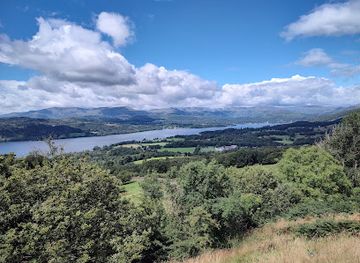
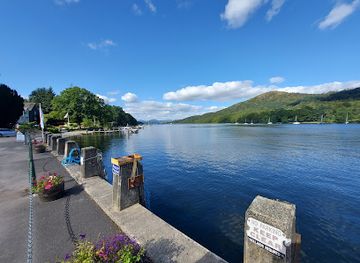
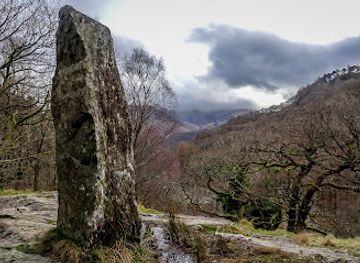
Explore Mirehouse & Gardens on the Map
A handpicked selection of must-see spots near Mirehouse & Gardens, mapped for you.
Getting There
-
By Car from Keswick
From Keswick town centre, take the A591 northbound toward Cockermouth. Mirehouse is located approximately 3 miles north of Keswick on the A591. Follow signs for Dodd Wood car park, which is opposite the property entrance. Parking is available at Dodd Wood car park. Journey time is approximately 8–10 minutes. Parking charges apply; check current rates on arrival.
-
By Bus from Keswick
Local bus services operate from Keswick town centre along the A591 corridor toward Cockermouth and Braithwaite. Services run several times daily with varying frequency depending on season. Journey time from Keswick is approximately 15–20 minutes. Alight at the Mirehouse or Dodd Wood stop. Fares are typically £2–4 for a single journey. Check current timetables with local transport providers before travelling.
-
By Walking from Keswick
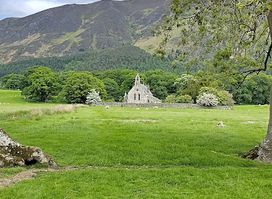
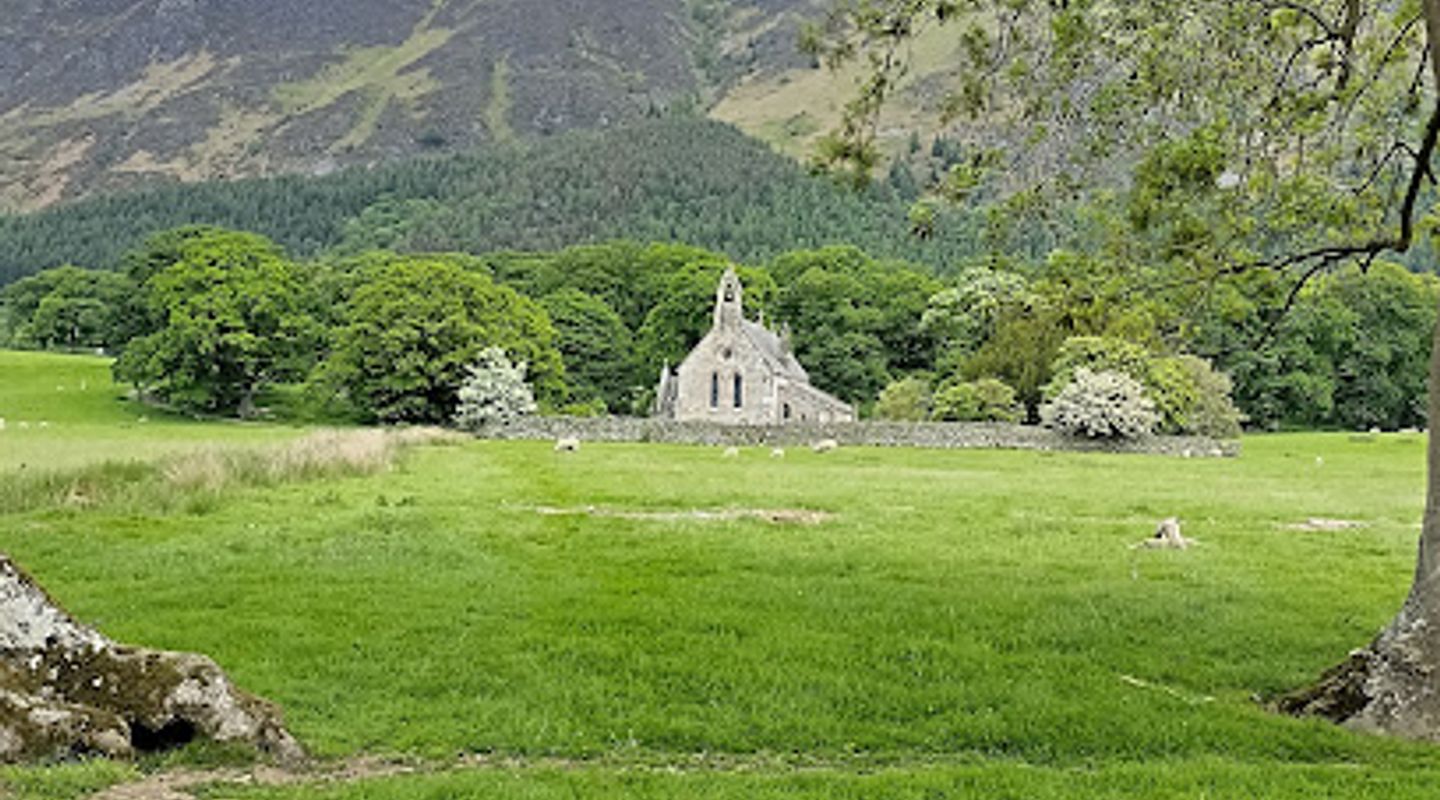
A scenic walking route follows the A591 northbound from Keswick, though this is primarily a road walk with limited dedicated footpaths for much of the distance. The walk covers approximately 3 miles and takes 50–60 minutes. Alternatively, a more pleasant route uses the public footpath near St Bega's Church, which approaches the property from the east. This footpath walk is approximately 2.5 miles and takes 40–50 minutes, offering more natural surroundings. Both routes are suitable for those with reasonable fitness; the footpath route is more scenic but less direct.
-
By Taxi from Keswick
Taxis are readily available from Keswick town centre and surrounding areas. The journey to Mirehouse is approximately 3 miles and typically takes 8–12 minutes depending on traffic. Estimated fare is £8–15 from central Keswick. Pre-booking is recommended during peak season and weekends.
For the on-the-go comforts that matter to you
-
 Restrooms
-
 Drink Options
-
 Food Options
-
 Seating Areas
-
 Picnic Areas
-
 Trash Bins
-
 Information Boards
-
 Visitor Center
Discover more about Mirehouse & Gardens
A House Built on Literary Foundations
Mirehouse stands as one of the Lake District's most distinctive historic properties, built in 1666 by Charles Stanley, 8th Earl of Derby, and sold just 22 years later to Roger Greg, the Earl's agent. The house passed through the Greg family and their descendants, the Storys, before entering the hands of the Spedding family in 1802—a lineage that continues to this day. What sets Mirehouse apart from other period properties is its unbroken occupation as a family home, lending it an authenticity that formal museums cannot replicate. The Spedding family's cultural reach extended far beyond their immediate circle; they cultivated friendships with some of the era's most influential literary figures, including Alfred, Lord Tennyson, Robert Southey, Edward FitzGerald, and Thomas Carlyle. These connections have been woven into the fabric of the property, celebrated annually through a poetry competition that honours the house's artistic legacy.Interiors Rich with Character and Curiosity
Visitors to the ground floor encounter a home that feels lived-in rather than sterile, with rooms arranged to reflect genuine domestic life across centuries. The interiors showcase an eclectic collection of unusual photographs, manuscripts, and personal artifacts that tell stories of the family's intellectual pursuits and social circles. Live piano music often drifts through the rooms, adding to the intimate atmosphere. The house underwent significant renovation in the 1960s and again in the 1980s when the ground floor and grounds were opened to the public, allowing visitors to experience the spaces while maintaining the family's privacy in the upper floors. This careful balance between heritage preservation and contemporary living makes Mirehouse feel distinctly different from properties frozen in time.Gardens Shaped by Centuries of Cultivation
The grounds surrounding Mirehouse reveal layers of horticultural history, most visibly in the towering Scots Pines that line the drive, planted in 1784 and now standing as silent sentinels over the landscape. Beneath these ancient trees flourish vibrant rhododendrons and other plantings that create a tapestry of colour and texture throughout the seasons. The gardens have been thoughtfully designed to offer multiple experiences: the walled Bee Garden provides a sheltered sanctuary for pollinators and contemplative visitors alike, while the Poetry Walk winds through the grounds with verses by David Scott positioned to encourage reflection and connection with nature. The wild flower meadow supports local ecosystems while offering peaceful spaces for wandering, and the lakeside paths provide direct access to the shores of Bassenthwaite Lake, where a small shingle beach invites picnicking and quiet observation.Adventure and Play in the Woodland Setting
The grounds include four sheltered woodland adventure playgrounds designed to engage children of varying ages and abilities. These spaces feature a forest fort, steeplechase course, hazard challenges, and Squirrel Island—creative installations that encourage active exploration within the natural landscape. The playgrounds are integrated thoughtfully into the woodland environment rather than dominating it, allowing families to enjoy outdoor recreation while maintaining the property's tranquil character. This commitment to family engagement earned Mirehouse the award for 'Best Heritage Property for Families in the UK' in 1999, a recognition that reflects the property's philosophy of welcoming visitors of all ages.Setting Within the Northern Lake District
Mirehouse occupies a remarkable geographical position, nestled at the foot of Dodd fell on the A591 road, approximately three miles north of Keswick. The property sits in close proximity to Bassenthwaite Lake, the Lake District's most northerly major water body, and near St Bega's Church, an ancient site that adds to the area's historical resonance. This location places visitors within easy reach of Keswick's amenities while maintaining a sense of rural seclusion. The varied landscape surrounding the house—combining fell side, forest, gardens, and lakeshore—creates a dynamic natural backdrop that changes with the seasons and weather, offering different moods and photographic opportunities throughout the year.A Living Heritage Property
What distinguishes Mirehouse from many heritage attractions is its status as an actively inhabited family home rather than a museum operated by a trust or organization. The Spedding family's continued presence shapes the visitor experience, creating an atmosphere of genuine hospitality rather than formal interpretation. The property welcomes school groups regularly, with experienced guides who have worked with educational visitors since 1981, adapting tours to suit different age groups and learning objectives. This educational commitment, combined with the house's literary heritage and natural setting, positions Mirehouse as a multifaceted destination that appeals to historians, nature enthusiasts, families, and those seeking quiet reflection.












Your all‑in‑one travel companion app
Explore expert travel guides, compare and book tours, experiences, hotels, and more—all from the palm of your hand. Download now for seamless trip planning wherever your wanderlust takes you.


Explore More of Cumbria
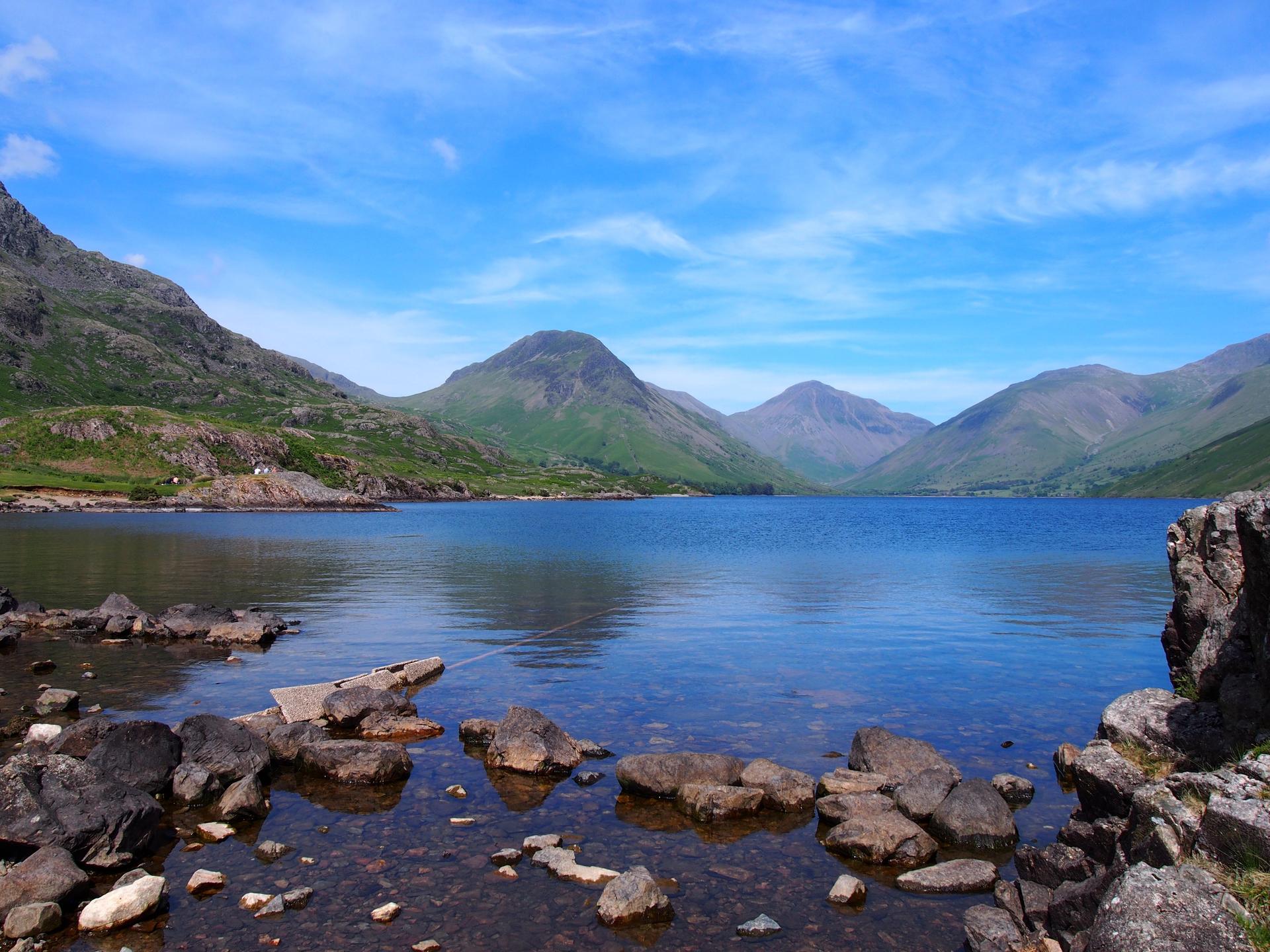
Looking beyond Mirehouse & Gardens? Discover Cumbria for broader travel guides, local hot-spots, and regional highlights.
Explore Cumbria