Bow Street Police Museum, Devon Travel Guide
Explore 266 years of crime and justice in the former Bow Street Magistrates’ Court and Police Station, where Oscar Wilde, the Suffragettes and the Kray Twins once stood.
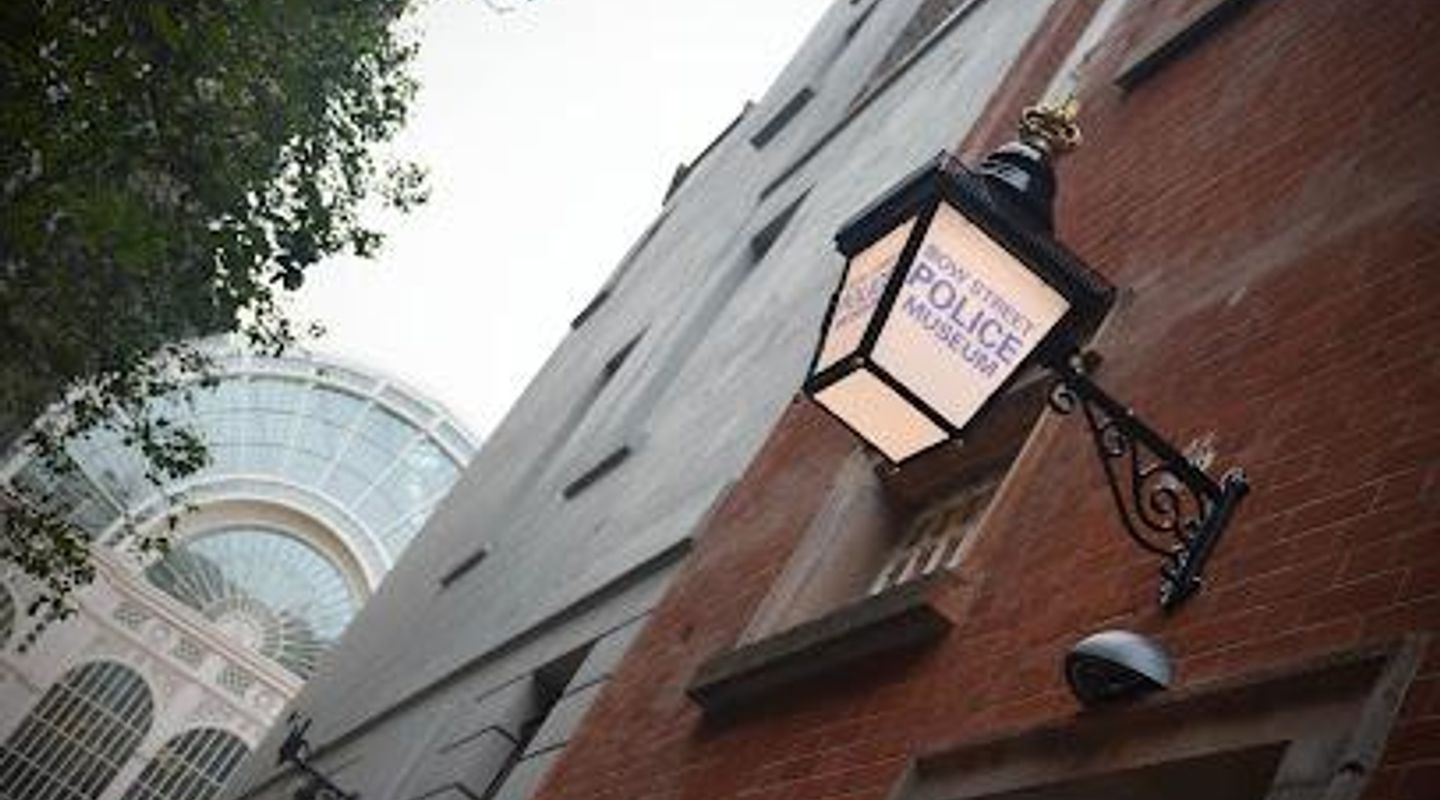
Step into the former Bow Street Magistrates’ Court and Police Station in Covent Garden, now the Bow Street Museum of Crime and Justice. Explore the history of London’s first official police force, the Bow Street Runners, and walk through original cells and courtrooms where Oscar Wilde, the Suffragettes, and the Kray Twins once stood. This compact, atmospheric museum brings to life 266 years of crime, justice, and policing in the heart of London.
A brief summary to Bow Street Police Museum
- 28 Bow St, Martlett Ct, London, WC2E 7AW, GB
- Click to display
- Duration: 0.5 to 1.5 hours
- Mid ranged
-
 Mixed
Mixed
- Mobile reception: 4 out of 5

Know before you go
Hi, I'm Eve. Here are a few practical things to know before exploring Bow Street Police Museum.
- Visit on a Friday, Saturday or Sunday between 11:00 and 16:30; the museum is closed on weekdays.
- Book timed-entry tickets online in advance, especially for weekends or special events, to guarantee entry.
- Allow about an hour to see the main exhibits, including the former cells and courtroom areas, at a comfortable pace.
- Look out for the museum’s evening events, such as talks and workshops on crime, justice and forensic science, which offer a deeper dive into its stories.
- Combine your visit with a walk around Covent Garden – the museum is just minutes from the Royal Opera House and the market’s shops and restaurants.
Do you manage this location?
Take control to get all the benefits, like improved information, better appearance, and stronger visibility across AI-powered discovery. Learn more about listing your business on Evendo
Activate your presenceOther nearby places you may find interesting
The closest places of the same kind, if this one is not quite what you had in mind.


Explore Bow Street Police Museum on the Map
A handpicked selection of must-see spots near Bow Street Police Museum, mapped for you.
Unlock the Best of Bow Street Police Museum
Buy tickets
-
No tickets available
Book tours with entry

Book tours without entry
-
No tours available
Getting There
-
Underground
From Covent Garden Underground station, follow signs for Bow Street and walk about 3 minutes through the market area to reach the museum entrance in Martlett Court.
-
Underground
From Holborn Underground station, head southeast along Kingsway and then turn onto Bow Street; the walk takes about 6 minutes to reach the museum.
-
Bus
Several bus routes serve the Covent Garden area; alight near the market and follow signs for Bow Street, then walk a few minutes to Martlett Court.
-
Walking
From central London landmarks like Trafalgar Square or the Strand, allow 10–15 minutes on foot through the theatre district to reach the museum in Covent Garden.
For the on-the-go comforts that matter to you
-
 Restrooms
-
 Drink Options
-
 Drinking Water
-
 Seating Areas
-
 Trash Bins
-
 Information Boards
Discover more about Bow Street Police Museum
London’s First Police and a Famous Court
On this site in Covent Garden, policing in London took its first organised form. In the 18th century, magistrate Thomas de Veil opened a court at 4 Bow Street, laying the groundwork for what would become London’s first official law enforcement service. His successor, Henry Fielding, created the Bow Street Runners – a small, paid force of officers who patrolled the streets and pursued criminals, earning a reputation as London’s first professional police. Their legacy continued through the Metropolitan Police, whose officers later walked the same streets of Covent Garden.The current building, dating from 1881, combined a police station and magistrates’ court under one roof. For over a century, it was a central hub of justice in the capital, handling everything from minor street offences to high-profile national cases. The museum now occupies part of this historic complex, preserving the stories of those who worked here and those who passed through its doors.Cells, Courts and Famous Names
The museum is housed in the former police station, where original holding cells have been converted into intimate galleries. Visitors can stand in the very cells where drunks, petty criminals and political agitators once spent the night, including the large ‘tank’ cell used for holding multiple people. Nearby, the adjacent magistrates’ court heard cases that captured public attention across the country.Among the famous figures associated with Bow Street are Oscar Wilde, who was detained here in 1895 over charges related to his sexuality; the Pankhurst sisters and other Suffragettes, who stood in the dock for their militant activism; and the Kray twins, whose 1968 murder trial began at this court. The museum also remembers pioneering officers such as PC Norwell Roberts, the Met’s first Black officer, and WPC Lee-Jane Yates, its first female Chinese officer, both of whom served at Bow Street.A Story of Crime and Justice
Rather than focusing solely on policing, the museum now presents a broader narrative of crime and justice on Bow Street over nearly 300 years. Exhibits trace the evolution of law enforcement from 18th-century watchmen with lanterns and rattles to modern detectives and forensic science. Visitors encounter stories of investigations, arrests, trials and the changing nature of justice, including how social attitudes shaped what was considered a crime.Alongside the official history, the museum also reflects on the experiences of ordinary people who came into contact with the law – victims, witnesses, defendants and families. Through personal accounts, photographs, documents and audio interviews with former officers and court staff, it offers a human perspective on the machinery of justice in one of London’s most famous legal venues.More to explore near Bow Street Police Museum













Your all‑in‑one travel companion app
Explore expert travel guides, compare and book tours, experiences, hotels, and more—all from the palm of your hand. Download now for seamless trip planning wherever your wanderlust takes you.


Explore More of Devon

Looking beyond Bow Street Police Museum? Discover Devon for broader travel guides, local hot-spots, and regional highlights.
Explore Devon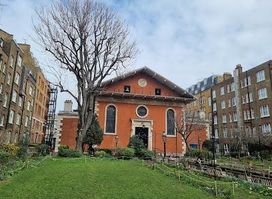
Experience the tranquility of St Paul’s Church in Covent Garden, a historical sanctuary for the arts in the heart of London.
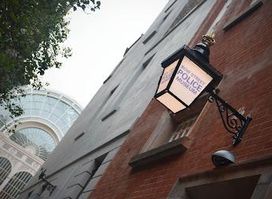
A compact Covent Garden museum inside the former Bow Street court and police station, tracing London policing through cells, cases, and historic rooms.