

Free Devon Travel Guide & Mobile App
Explore Devon with free travel guides. Discover regional history, expert tips, proposed trips, and audio guides on web or mobile app.


Explore Devon for granite moors, cathedral cities, fishing harbours, surf beaches, estuaries, coastal paths and distinctive West Country food.
Read more about Devon
When is the best time to visit Devon?
Best: June–August · 20–23°C| Month | High (°C) | Rainfall (mm) |
|---|---|---|
| January | 10 | 87 |
| February | 10 | 68 |
| March | 12 | 60 |
| April | 15 | 47 |
| May | 18 | 52 |
| June (best) | 20 | 58 |
| July (best) | 23 | 55 |
| August (best) | 23 | 64 |
| September | 20 | 68 |
| October | 16 | 90 |
| November | 12 | 100 |
| December | 9 | 110 |
Getting to and around Devon
How to get there
Transportation
Top city travel guides in Devon
The cities of Devon, and the easiest places to base yourself.

Swipe for more cities
Best attractions in Devon
Devon’s attractions range from major historic cities to open landscapes where the terrain itself is the principal draw. Exeter combines Roman remains, medieval streets, the cathedral and underground passages with museums and riverside walks. Plymouth offers maritime history, the Royal William Yard, the Barbican and waterfront views across Plymouth Sound, while the English Riviera centres on promenades, beaches, caves, gardens and family attractions around Torquay, Paignton and Brixham. Dartmoor National Park provides walking, climbing, riding, archaeological exploration and views among tors, valleys and open moorland. In north Devon, the coast around Woolacombe, Croyde, Ilfracombe and the Taw-Torridge estuary supports surfing, walking and wildlife watching, while the Devon section of Exmoor offers heather-clad uplands and wooded valleys. Historic houses, gardens, abbeys and castles are scattered through the county, including Buckfast Abbey, Castle Drogo and Okehampton Castle. The Jurassic Coast begins at Exmouth, where geological layers and coastal cliffs introduce a World Heritage coastline extending eastwards beyond Devon.
-
Park and Garden
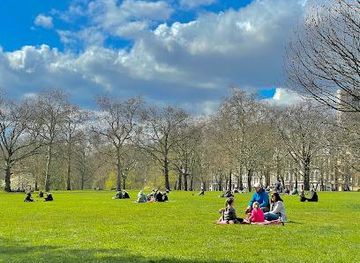
The Green Park
A peaceful 19-hectare Royal Park oasis in central London, rich in history, mature trees, and poignant war memorials.
-
Live Music
ABBA Arena
Experience ABBA like never before in a futuristic, purpose-built arena blending digital avatars and live music in East London.
-
Cricket ground
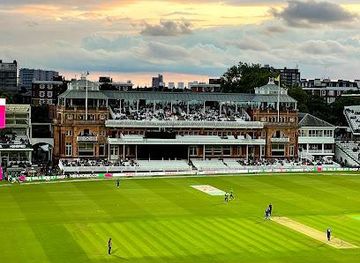
Lord's Cricket Ground
Experience the historic and iconic 'Home of Cricket' where tradition meets modernity in the heart of London’s St John’s Wood.
-
Tennis club
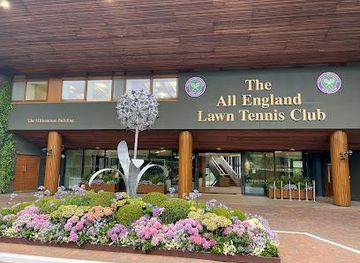
All England Lawn Tennis & Croquet Club
Historic home of Wimbledon, where tennis tradition and innovation meet on iconic grass courts in London’s Wimbledon district.

Best landmarks in Devon
Devon’s most recognisable landmarks express its combination of ecclesiastical history, maritime power, geology and moorland scenery. Exeter Cathedral dominates the city with its long Gothic nave, elaborate tracery and medieval astronomical clock, while the surviving Roman and medieval walls help define Exeter’s historic identity. Plymouth Hoe and Smeaton’s Tower form a celebrated seafront composition above Plymouth Sound, a natural harbour whose defences and naval history shaped the city. Dartmouth Castle guards the entrance to the Dart estuary, and the harbour towns of Brixham, Dartmouth and Appledore retain distinctive waterfront landscapes linked to fishing and shipping. Dartmoor’s granite tors, including Haytor, are geological landmarks as well as long-established navigation points; prehistoric monuments across the moor add another layer of significance. Along the east coast, the cliffs and rock formations around Exmouth, Budleigh Salterton and Beer mark Devon’s opening section of the Jurassic Coast, where visible strata record a much older natural history.
-
Historical landmark
Magna Carta
Discover the birthplace of liberty where the Magna Carta was sealed, shaping democracy and the rule of law for centuries to come.
-
Historical landmark
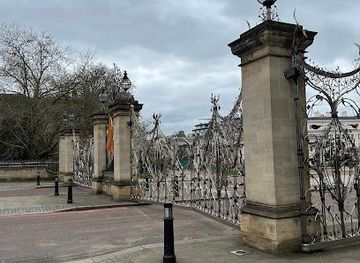
Queen Elizabeth Gate
A regal and artistic gateway honoring the Queen Mother, welcoming visitors to the historic and vibrant Hyde Park.
-
War memorial
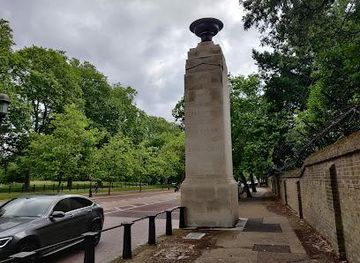
Commonwealth Memorial Gates
A solemn tribute on Constitution Hill honoring five million Commonwealth servicemen and women’s bravery and sacrifice in the World Wars.
-
Anglican church
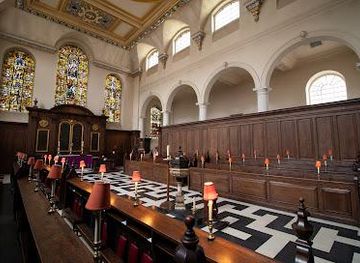
St Vedast alias Foster
Discover the historic resilience and unique heritage of St Vedast alias Foster, a tranquil Wren church nestled in the heart of London’s financial district.

Explore Devon on the map
Plan your trip on one map. See where the top cities, national parks and sights are, and book hotels and experiences in a few clicks.
Best hotels in Devon
Best restaurants in Devon
Devon’s food culture is shaped by dairy farming, orchards, fishing ports and a strong farm-shop tradition. Cream teas are widely served, with Devon custom usually putting clotted cream on the scone before the jam, while local cheeses, farmhouse butter and fresh bread appear in markets, cafés and rural inns. Apples support cider production, and the county’s coasts supply fish and shellfish, particularly around working harbours such as Brixham, Dartmouth and Appledore. Menus in coastal towns often focus on daily catches, crab and other seafood, while inland pubs and restaurants use local lamb, beef, pork, game and seasonal vegetables. Exeter, Plymouth and the larger resort towns offer the broadest choice of contemporary cooking, international restaurants and cafés; villages and market towns tend towards pubs, bakeries, tearooms and small independent kitchens. Farm shops and farmers’ markets provide a practical introduction to Devon produce without relying on formal dining.
-
Seafood
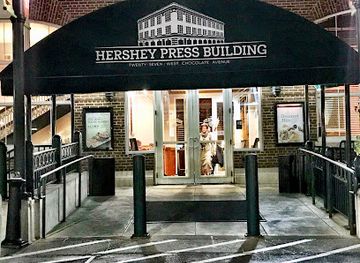
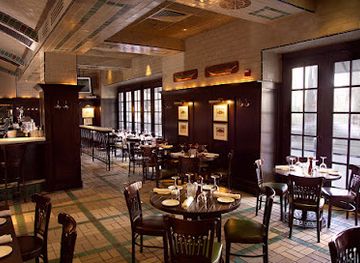
Devon Seafood & Steak
Savor expertly grilled prime steaks and fresh daily seafood in a sophisticated yet welcoming atmosphere on Hershey’s famed Chocolate Avenue.
-
Seafood
Devon Seafood Grill
Elegant seafood and steak dining in Philadelphia’s Rittenhouse Square with fresh flavors and impeccable service.
-
American
Autograph Brasserie
A stylish American brasserie in Wayne, PA, blending cultural homage with exceptional steaks, seafood, and craft cocktails in a vibrant setting.
-
Restaurant
Terrain Cafe
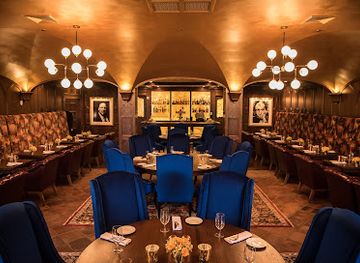
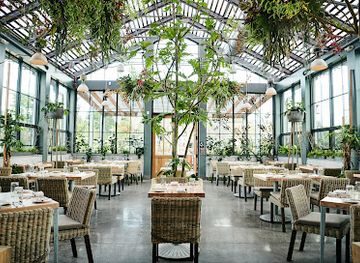
Experience garden-inspired dining with seasonal, locally sourced menus in a stunning greenhouse setting at Terrain Cafe in Devon, PA.
Best bars in Devon
-
Bar
The Live Lounge Cardiff
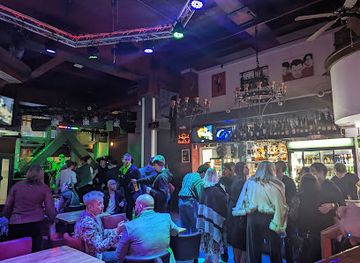
Cardiff’s energetic live music bar and nightclub offering affordable drinks, hearty food, and nonstop entertainment until 4am.
-
Pub
Tiny Rebel Cardiff
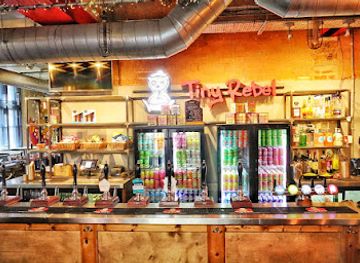
Vibrant craft beer pub near Principality Stadium with lively music, quirky style, and great British food in the heart of Cardiff.
-
Grill
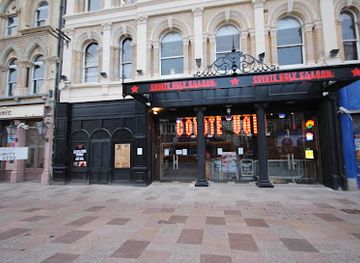
Coyote Ugly Saloon Cardiff
Experience Cardiff’s wildest bar and grill with live barmaid performances, hearty American food, and late-night party vibes on St Mary Street.
-
Live music bar
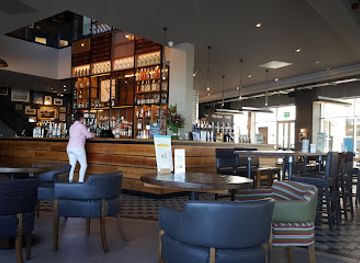
The Dock
A waterside bar and kitchen in Mermaid Quay — bright windows, bay views, live music and big‑screen sport for daytime dining through late-night sessions.
Best nightclubs in Devon
Devon’s evening culture varies sharply between its cities, resorts, harbour towns and rural districts. Exeter has the county’s broadest concentration of pubs, bars, live music, theatre-going and late venues, supported by its university population and compact centre. Plymouth offers waterfront drinking, traditional pubs, music venues and bars around the Barbican and city centre, while Torquay and nearby resort towns have a more seasonal mix of seafront pubs, cocktail bars, entertainment venues and late-night establishments. In Dartmouth, Brixham, Totnes, Tavistock and other market towns, evenings are more likely to centre on independent pubs, restaurants, breweries and occasional live music than on large clubs. Rural Devon is generally quiet after dinner, with historic inns and local pubs providing the principal social spaces. Coastal nightlife becomes busier during summer, but opening arrangements and entertainment programmes change, so check locally rather than assuming year-round late-night services.
-
Nightclub
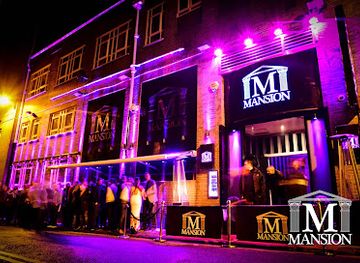
Mansion Nightclub
Liverpool’s vibrant nightclub with the UK’s largest LED ceiling, laser shows, and a dynamic party atmosphere in the city centre.
Best shops in Devon
Shopping in Devon is strongest in its historic cities, market towns, coastal resorts and food-producing communities rather than in a single dominant retail district. Exeter provides the broadest mix of national retailers, independent boutiques, bookshops, galleries and regular market activity, complemented by the historic character of its central streets. Plymouth combines city-centre shopping with independent businesses around the Barbican and waterfront, while Totnes, Dartmouth, Tavistock and Topsham are known for smaller shops, antiques, galleries, crafts and specialist food. Coastal towns focus on practical seaside goods, outdoor equipment, art and locally made gifts, although the range varies by season. Farm shops, village stores and town markets are useful for Devon cider, cheese, preserves, biscuits, bakery products and other regional produce. Pottery, paintings, textiles, jewellery and woodwork are among the more durable souvenirs, but buyers should check provenance when a product is described as locally made.
-
Chocolate shop
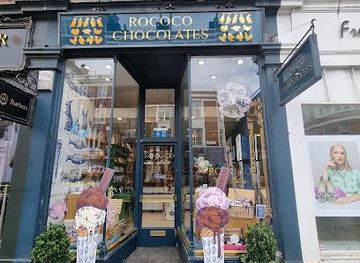
Rococo Chocolates King's Road
Discover British chocolate artistry and ethical indulgence at Rococo Chocolates King's Road, where tradition meets elegant innovation.
-
Clothing Shop
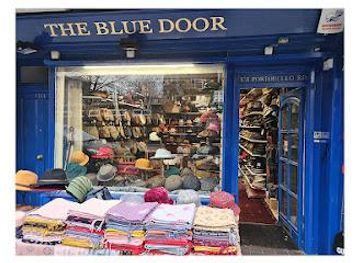
The Blue Door
Charming boutique and hat shop on Portobello Road, blending Notting Hill’s iconic style with friendly service and original fashion finds.
Get your free copy of our complete guide to Devon, delivered straight to you.
Everything on this page, from attractions and restaurants to essentials and local phrases, in one PDF you can read offline, print or share.
Already have an account? Sign in
Your Devon guide is ready.
We'll send it to · Not you? Sign out

Getting your guide ready…
We are putting together a fresh copy of the Devon guide. This can take up to a minute.
This can take a few moments. If your browser asks, choose Allow so the download can start. You'll find the guide in your Downloads folder.
Nothing happened? Download it again
Sorry, the guide is taking longer than usual. Please try again in a minute, or get it by email instead.
Devon essentials
Currency and Payment
Safety
Emergency Situations
Do's and Don'ts
Local Tips
From Eve
Local phrases worth knowing
You don't need to get them perfect. A few words go a long way, and locals appreciate the effort.
Basics
| English | Local | Say it |
|---|---|---|
| Hello | Alright | [uh-ryte] |
| Goodbye | Ta-ra | [tah-rah] |
| Yes | Aye | [eye] |
| No | Nah | [nah] |
| Please/You're welcome | Please | [pleez] |
| Thank you | Cheers | [cheerz] |
| Excuse me/Sorry | Sorry | [saw-ree] |
| How are you? | How's it going? | [how's it goin'?] |
| Fine. And you? | Good. And you? | [gud. an' you?] |
| Do you speak English? | Do ya speak English? | [doo yah speek ing-glish?] |
| I don't understand | I don't get it | [I don't get it] |
Eating & Drinking
| English | Local | Say it |
|---|---|---|
| I'd like to see the menu, please | Can I see the menu, please? | [kan I see tha men-yoo, pleez?] |
| I don't eat meat | I ain't keen on meat | [I ain't keen on meet] |
| Cheers! | Cheers! | [cheerz!] |
| I would like to pay, please | Can I pay, please? | [kan I pay, pleez?] |
Emergencies
| English | Local | Say it |
|---|---|---|
| Help! | Help! | [help!] |
| Go away! | Clear off! | [clear off!] |
| Call the Police! | Ring the police! | [ring the po-leez!] |
| Call a doctor! | Get a doctor! | [get a dok-tuh!] |
| I'm lost | I’m all turned around | [I'm all turned around] |
| I'm ill | I don't feel well | [I don't feel well] |
Shopping
| English | Local | Say it |
|---|---|---|
| I'd like to buy... | I want to buy... | [I want to buy...] |
| I'm just looking | Just looking, thanks | [just lookin', thanks] |
| How much is it? | How much is that? | [how much is that?] |
| That's too expensive | That's a bit pricey | [that's a bit pry-see] |
| Can you lower the price? | Can you knock it down a bit? | [can you knock it down a bit?] |
Time & Numbers
| English | Local | Say it |
|---|---|---|
| What time is it? | What’s the time? | [what's the time?] |
| It's one o'clock | It's one o'clock | [it's one o'clock] |
| Half past (10) | Half past ten | [half past ten] |
| Morning | Mornin' | [mornin'] |
| Afternoon | Afternoon | [afternoon] |
| Evening | Evenin' | [evenin'] |
| Yesterday | Yesterday | [yesterday] |
| Today | Today | [today] |
| Tomorrow | Tomorrow | [tomorrow] |
| 1 | One | [one] |
| 2 | Two | [two] |
| 3 | Three | [three] |
| 4 | Four | [four] |
| 5 | Five | [five] |
| 6 | Six | [six] |
| 7 | Seven | [seven] |
| 8 | Eight | [eight] |
| 9 | Nine | [nine] |
| 10 | Ten | [ten] |
Transport & Directions
| English | Local | Say it |
|---|---|---|
| Where's a/the...? | Where's the...? | [where's the...?] |
| What's the address? | What’s the address? | [what's the address?] |
| Can you show me (on the map)? | Can you show me on the map? | [can you show me on the map?] |
| When's the next (bus)? | When's the next bus? | [when's the next bus?] |
| A ticket (to ....) | A ticket to... | [a ticket to...] |
History of Devon
Prehistoric Landscapes and Early Communities
Devon contains substantial evidence of prehistoric occupation, especially on Dartmoor and Exmoor. Bronze Age communities constructed stone rows, burial monuments and enclosed settlements, many of which remain visible on the open moorland. The granite tors and high plateaux were not isolated wildernesses but working landscapes used for grazing, movement and mineral gathering. Later Iron Age hillforts, including sites overlooking the Tamar and southern coast, indicate organised communities and defensible settlements. These remains help explain why the moors are historically important as well as scenically distinctive.
Roman Devon and Exeter
The Romans established a significant military base at Exeter, known as Isca Dumnoniorum, during the first century AD. It later developed into a civilian settlement and administrative centre for the territory of the Dumnonii, the Iron Age people of the south-west. Parts of the Roman walls survive in and around modern Exeter, while archaeological discoveries have revealed streets, houses and public buildings. Roman roads connected Exeter with other settlements and helped integrate Devon into the wider provincial economy, although much of the county remained rural.
Medieval Christianity, Castles and Boroughs
After the Norman Conquest, castles and ecclesiastical foundations reshaped Devon’s political and religious landscape. Exeter remained the county’s principal city, while castles at places such as Okehampton and Totnes asserted control over important routes and river crossings. Monastic houses, including Buckfast Abbey, accumulated land and influenced farming, woodland management and local worship. Medieval boroughs and market towns prospered through regional trade, and Exeter Cathedral, begun in the twelfth century, became one of the most important expressions of ecclesiastical power in the county.
Maritime Trade and the Tudor Seafaring Age
From the later Middle Ages onwards, Devon’s ports participated in fishing, coastal trade and overseas commerce. Plymouth, Dartmouth, Exeter and smaller harbours developed connections across the Channel and beyond. The county became associated with Tudor seafarers, including Sir Francis Drake, who was born at Tavistock, and with expeditions that reflected England’s growing naval and commercial ambitions. These ventures also formed part of an age of imperial expansion whose consequences were complex and often coercive. Fortifications around Plymouth Sound and other estuaries record the strategic importance of Devon’s coastline.
Civil War and Religious Change
Devon was involved in the political and military upheavals of the seventeenth century. During the English Civil War, Exeter changed hands and Plymouth endured a prolonged Parliamentarian siege, while control of ports and roads mattered to both Royalist and Parliamentarian forces. Religious tensions had already affected the county during the Reformation, when monasteries were dissolved and established patterns of worship and landholding were transformed. The period left visible traces in churches, civic buildings, defensive works and the political histories of towns across Devon.
Mining, Wool and the Industrial Revolution
Devon’s economy combined agriculture with industries that used its mineral and natural resources. Tin, copper and other ores were worked in parts of Dartmoor and west Devon, while the Tamar Valley became closely associated with copper mining and the engineering achievements of the nineteenth century. Woollen production supported towns such as Tiverton, Crediton and Exeter, and mills used rivers to power manufacturing. The arrival of railways linked inland communities with ports and markets, although the county’s difficult terrain meant that industrialisation remained uneven.
The Modern County: Railways, Tourism and Naval Power
Nineteenth-century railways and improved roads made Devon more accessible to visitors, encouraging the growth of seaside resorts such as Torquay, Paignton and Exmouth. Victorian tourism added promenades, villas, gardens and hotels to older harbour towns. Plymouth, meanwhile, expanded as a major naval centre and suffered extensive bombing during the Second World War, followed by a substantial programme of post-war reconstruction. Today Devon balances farming, fishing, defence, education, tourism and environmental stewardship, with historic landscapes continuing to shape its modern economy.
Devon in Photos
Browse through our photo collection highlighting the charm and character of the destination.
Neighbouring regions of Devon
The closest regions to Devon, if you have time for more than one.
-

-

-

-

-


Swipe for more regions
Explore more

Explore more of United Kingdom
Discover the United Kingdom: A blend of rich history, stunning landscapes, and vibrant cities, offering a unique travel experience for every visitor.
Explore United Kingdom