Lombard St Travel Guide
Free Guide: The historic heart of London’s finance, where centuries of banking tradition meet the modern City.


A brief summary of Lombard St
The historic heart of London’s finance, where centuries of banking tradition meet the modern City.
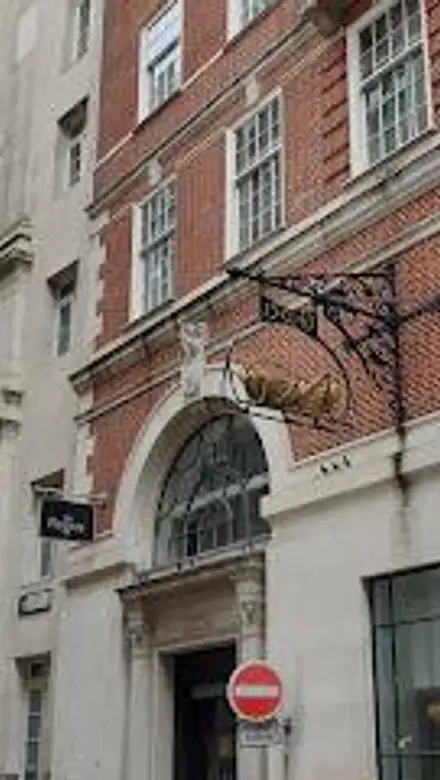
Lombard Street in the City of London is a historic thoroughfare at the heart of British finance, lined with banks, financial institutions, and centuries-old architecture. Once home to Italian merchants and goldsmith-bankers, it has shaped London’s economic story since the Middle Ages. The street’s narrow lanes, Wren churches, and famous Grasshopper sign evoke a world where commerce and tradition meet. Today, it remains a working financial district, blending modern banking with deep historical roots.
On-site amenities
 Restrooms
 Drink options
 Drinking water
 Food options
 Seating areas
 Trash bins
 Information boards
- Address
- London
Getting there
Underground
Bus
Walking
Discover more about Lombard St
Heart of the City’s Financial Legacy
Lombard Street has been central to London’s financial life since the 12th century, when Lombard merchants from northern Italy settled here and introduced continental banking practices to England. These early financiers laid the foundations for London’s emergence as a global money centre, turning the street into a hub for goldsmiths, insurers, and moneylenders. Over time, Lombard Street became synonymous with banking, housing institutions that would evolve into major names in British finance. Its narrow, cobbled character contrasts with the towering modern offices nearby, yet it still pulses with the energy of a working financial district.
Architecture and the City’s Layers
The street’s buildings reflect centuries of change, from medieval and Wren-era churches to Victorian bank façades and contemporary financial offices. At one end, St Edmund, King and Martyr, designed by Christopher Wren after the Great Fire, stands as a quiet counterpoint to the surrounding commerce. Nearby, the site of All Hallows Lombard Street, another Wren church later demolished, speaks to the shifting religious and residential landscape of the City. The famous Grasshopper weathervane, linked to Sir Thomas Gresham and the Royal Exchange, remains a symbolic landmark, connecting today’s finance world with its mercantile origins.
Walking Through Banking History
Strolling along Lombard Street, you pass grand bank entrances, discreet private clubs, and historic plaques that hint at centuries of deals, crises, and innovations. The atmosphere is formal and purposeful, shaped by the rhythms of the financial day rather than tourism. Yet for those interested in economic history, the street is a living museum: the very pavement has echoed with the footsteps of merchants, goldsmiths, and later, modern bankers. Side alleys and courtyards lead to hidden courtyards, coffee houses, and remnants of the old City, offering glimpses into how commerce and community once intertwined.
Modern Role and Atmosphere
Today, Lombard Street remains a working artery of the City, home to banks, investment firms, and professional services. It is not a museum piece but a place where finance is still actively conducted, giving it a distinctive, serious character. The street is busiest during weekday business hours, when suited professionals move between offices, meetings, and nearby institutions like the Bank of England and the Royal Exchange. Despite its modern function, the historic street plan and architecture preserve a sense of continuity, making it a compelling destination for those interested in London’s economic and urban evolution.
Evendo Review Centre
 Google
Guest reviews
Best time to go
Quietest: Jan, Feb & Mar · before 8am or from 9pm
Busy times are Evendo estimates for a typical year, to help you plan. Actual crowds vary with events, school holidays and the weather.
Explore Lombard St on the map
A handpicked selection of must-see spots near Lombard St, mapped for you.
Get your free copy of our complete guide to Lombard St, delivered straight to you.
Everything on this page, from opening hours and how to get there to Eve’s tips and the best time to go, in one PDF you can read offline, print or share.
Already have an account? Sign in
Your Lombard St guide is ready.
We'll send it to · Not you? Sign out

Getting your guide ready…
We are putting together a fresh copy of the Lombard St guide. This can take up to a minute.
This can take a few moments. If your browser asks, choose Allow so the download can start. You'll find the guide in your Downloads folder.
Nothing happened? Download it again
Sorry, the guide is taking longer than usual. Please try again in a minute, or get it by email instead.
Other nearby places you may find interesting
The closest places of the same kind, if this one is not quite what you had in mind.
-
-
-
-
-


Swipe for more places
More to explore near Lombard St

 Best experiences near Lombard St
 Best hotels near Lombard St
 Best landmarks near Lombard St
 Best attractions near Lombard St
 Best shops near Lombard St
 Best restaurants near Lombard St
 Best bars near Lombard St
Do you manage this location?
Take control to get all the benefits, like improved information, better appearance, and stronger visibility across AI-powered discovery.
Explore more

Explore more of Devon
Discover Devon: A blend of stunning coastlines, historic cities, and charming villages perfect for outdoor adventures and culinary delights in the heart of England's West Country.
Explore Devon
Explore more of United Kingdom
Discover the United Kingdom: A blend of rich history, stunning landscapes, and vibrant cities, offering a unique travel experience for every visitor.
Explore United Kingdom