

The Royal Exchange, London Travel Guide
Free Guide: A Grade I-listed City landmark where London’s mercantile past meets luxury shopping, dining, and a glazed courtyard beside Bank.


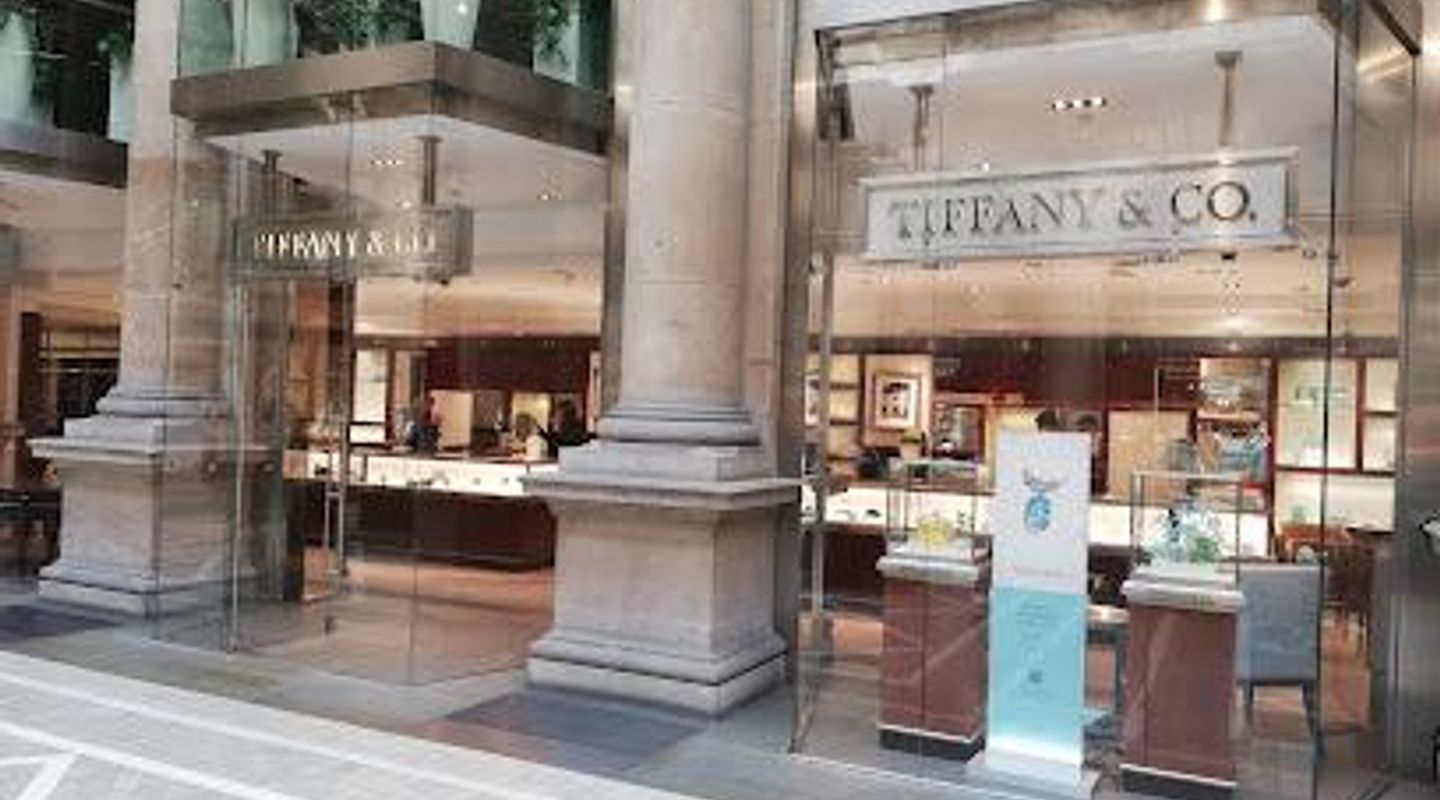
A brief summary of The Royal Exchange
A Grade I-listed City landmark where London’s mercantile past meets luxury shopping, dining, and a glazed courtyard beside Bank.
The Royal Exchange is a Grade I-listed City of London landmark that now mixes luxury shopping, dining, and architecture under a glazed central courtyard. Set by Bank, it feels formal and polished rather than mall-like, with stone façades, hard floors, and a compact layout that suits a short stop between nearby sights. Come for the building first, then linger over coffee, lunch, or a browse through the boutiques.
On-site amenities
 Restrooms
 Drink options
 Food options
 Seating areas
 Sheltered areas
 Trash bins
 Information boards
Opening hours
- Mon7:30 am–10 pm
- Tue7:30 am–10 pm
- Wed7:30 am–10 pm
- Thu7:30 am–10 pm
- Fri7:30 am–10 pm
- SatClosed
- SunClosed
Opening hours as listed on the venue’s Google Business Profile. Hours can change for services and special events, so check with the venue before you go.
- Address
- Royal Exchange London
- Phone
- Website
Getting there
Tube
Bus
Walk
Taxi or ride-hail
Discover more about The Royal Exchange
What it is
The Royal Exchange is one of the City of London’s most recognisable commercial buildings: a historic, Grade I-listed arcade that functions today as an upscale shopping and dining address. It is not a conventional mall. The appeal lies in the combination of heritage architecture, a central covered courtyard, and a retail offer that leans toward luxury rather than everyday shopping. The building’s long association with commerce and finance gives it a distinctly City character.
Atmosphere and setting
The setting is compact and urban, with a glazed roof over the central space and surrounding façades that give the interior a formal, almost civic feel. Movement is easy and level, on hard surfaces, and the experience is mostly indoors, which makes it a practical stop in wet or cold weather. Weekdays can feel businesslike, with office workers passing through for lunch or meetings. At quieter times it becomes more leisurely, with visitors pausing to look up at the architecture, sit for coffee, or photograph the arcade from the centre of the courtyard.
Why people go
Travellers usually visit for three reasons: to see the building, to eat or drink in a central London setting, and to fold it into a wider walk through Bank and the surrounding financial district. It works well as a short heritage stop rather than a full-day attraction. The architecture is the main draw, especially the contrast between the historic shell and the contemporary retail interiors. For photographers, the glazed roof and symmetrical lines provide clean compositions without the clutter of a typical shopping street.
History and context
The Royal Exchange occupies a site long tied to London’s mercantile life. The present structure is the third on the site, replacing earlier exchanges lost to fire. That history still shapes the place: even with modern boutiques and restaurants, it reads as a landmark of trade, finance, and civic ambition. Its location in the Bank area places it among some of the City’s densest historic streets, so it is best visited as part of a broader route rather than in isolation.
Practical expectations
A visit is usually short to moderate. You can step in for a quick look and photographs, or stay longer for a meal and a slower browse. The building is easy to combine with nearby stations and City landmarks, but access through the surrounding streets can be busy, especially at lunch. Facilities are those of a managed commercial venue: food and drink are available, seating is usually easy to find in cafés and restaurants, and the covered space offers shelter. It suits travellers interested in architecture, urban history, shopping, and business-district London more than those looking for a high-energy attraction.
Evendo Review Centre
 Google
Guest reviews
Best time to go
Quietest: Jan, Feb & Aug · before 8am or from 7pm
Busy times are Evendo estimates for a typical year, to help you plan. Actual crowds vary with events, school holidays and the weather.
Explore The Royal Exchange on the map
A handpicked selection of must-see spots near The Royal Exchange, mapped for you.
Get your free copy of our complete guide to The Royal Exchange, delivered straight to you.
Everything on this page, from opening hours and how to get there to Eve’s tips and the best time to go, in one PDF you can read offline, print or share.
Already have an account? Sign in
Your The Royal Exchange guide is ready.
We'll send it to · Not you? Sign out

Getting your guide ready…
We are putting together a fresh copy of the The Royal Exchange guide. This can take up to a minute.
This can take a few moments. If your browser asks, choose Allow so the download can start. You'll find the guide in your Downloads folder.
Nothing happened? Download it again
Sorry, the guide is taking longer than usual. Please try again in a minute, or get it by email instead.
Unlock the best of The Royal Exchange
Skip-the-line tickets, guided tours with entry, and walking tours of the area, booked in a few clicks.
 Tour with entry
London Walking Tour: Self-Guided City Game
from $7.24 Tour with entry
City of London Private Self-Guided Walking Tour
from $11.34 Tour with entry
City of London History Tour: Origin to Empire
from $18.91 Tour with entry
London: Slow Horses Private Walking Tour of The City of London
from $214.36


Other nearby places you may find interesting
The closest places of the same kind, if this one is not quite what you had in mind.
-
-
-
-
-


Swipe for more places
More to explore near The Royal Exchange

 Best experiences near The Royal Exchange
 Best hotels near The Royal Exchange
 Best landmarks near The Royal Exchange
 Best attractions near The Royal Exchange
 Best shops near The Royal Exchange
 Best restaurants near The Royal Exchange
 Best bars near The Royal Exchange
Do you manage this location?
Take control to get all the benefits, like improved information, better appearance, and stronger visibility across AI-powered discovery.
Explore more

Explore more of London
Explore London: A city of iconic landmarks, rich history, vibrant culture, and endless attractions that cater to every taste, making it a must-visit destination.
Explore London
Explore more of United Kingdom
Discover the United Kingdom: A blend of rich history, stunning landscapes, and vibrant cities, offering a unique travel experience for every visitor.
Explore United Kingdom
