

Dumbarton Castle Travel Guide
Free Guide: Explore Dumbarton Castle, a historic fortress atop a volcanic rock with panoramic views and centuries of Scottish heritage.


A brief summary of Dumbarton Castle
Explore Dumbarton Castle, a historic fortress atop a volcanic rock with panoramic views and centuries of Scottish heritage.
Perched atop the dramatic volcanic Dumbarton Rock, Dumbarton Castle offers a compelling journey through Scotland’s ancient history. This fortress, with origins dating back 1,500 years, features medieval and Georgian military architecture, panoramic views over the River Clyde, Loch Lomond, and Argyll, and rich connections from Viking sieges to Mary, Queen of Scots’ childhood refuge. Visitors can explore the White Tower Crag, artillery fortifications, and the Georgian Governor’s House, immersing themselves in centuries of Scottish heritage.
On-site amenities
 Restrooms
 Seating areas
 Information boards
 Visitor centre
Opening hours
- MonClosed
- Tue9:30 am–5 pm
- Wed9:30 am–5 pm
- Thu9:30 am–5 pm
- Fri9:30 am–5 pm
- Sat9:30 am–5 pm
- SunClosed
Opening hours as listed on the venue’s Google Business Profile. Hours can change for services and special events, so check with the venue before you go.
- Address
- Castle Rd, Dumbarton G82 1JJ
- Phone
- Website
Getting there
Car
Train and Bus
Public Bus
Discover more about Dumbarton Castle
A Fortress Rooted in Ancient Geology and History
Dumbarton Castle sits atop Dumbarton Rock, a striking volcanic plug formed approximately 340 million years ago. This natural fortress has been a strategic stronghold for over 1,500 years, originally known as Alt Clut or the Rock of the Clyde. Its commanding position at the confluence of the River Leven and the River Clyde made it a vital defensive site through the Dark Ages, enduring multiple sieges including attacks by Vikings. The castle as it stands today was largely established by Alexander II in the 13th century, serving as a bulwark against Norse threats.
Royal Residence and Military Bastion
Throughout its long history, Dumbarton Castle was not only a military fortress but also a royal residence. It played a significant role during the Scottish Wars of Independence and later military conflicts, including use during the Second World War. One of its most poignant historical moments was sheltering Mary, Queen of Scots, in 1548 before her voyage to France. The castle’s Georgian Governor’s House reflects a later period of occupation, offering visitors a glimpse into 18th-century military life and domestic arrangements.
Architectural Highlights and Panoramic Vistas
Visitors can ascend more than 500 stone steps to reach the summit, where the White Tower Crag provides breathtaking views stretching across the Firth of Clyde, Ben Lomond, and the surrounding countryside. The site features fine examples of early 18th-century artillery fortifications, showcasing military architectural advancements. The Rock of Ages exhibition within the Governor’s House displays fascinating artefacts such as a 1,000-year-old Viking sword pommel, medieval coins, and a replica embroidery panel linked to Mary, Queen of Scots.
Engaging Visitor Experience Amidst Historic Ruins
Exploring Dumbarton Castle is an immersive experience, with interactive family trails and informative boards that bring its layered history to life. The castle’s rugged terrain and numerous steep steps demand sturdy footwear and a reasonable level of fitness, making it unsuitable for visitors with limited mobility. The outdoor nature of the site allows visitors to connect deeply with Scotland’s past while enjoying spectacular natural surroundings.
Seasonal Access and Visitor Amenities
The castle is open daily from 9:30am to 5pm during the warmer months (April to September) and from 10am to 4pm in the off-season (October to March), with closures on Thursdays and Fridays in winter. Admission fees apply, with discounts for concessions and families, and free entry for Historic Scotland members. Facilities include restrooms and a small shop within the Governor’s House. Due to its exposed location, weather conditions can affect accessibility, so visitors are advised to check for closures before their visit.
Legacy and Cultural Significance
Dumbarton Castle stands as a symbol of Scotland’s resilience and rich heritage, bridging epochs from ancient Celtic kingdoms through medieval power struggles to modern military history. Its dramatic setting and storied past continue to captivate visitors, offering a unique window into the nation’s cultural and historical landscape.
Evendo Review Centre
 Google
Guest reviews
Best time to go
Quietest: Jan, Feb & Dec · before 7am or at 8pm
Busy times are Evendo estimates for a typical year, to help you plan. Actual crowds vary with events, school holidays and the weather.
Explore Dumbarton Castle on the map
A handpicked selection of must-see spots near Dumbarton Castle, mapped for you.
Get your free copy of our complete guide to Dumbarton Castle, delivered straight to you.
Everything on this page, from opening hours and how to get there to Eve’s tips and the best time to go, in one PDF you can read offline, print or share.
Already have an account? Sign in
Your Dumbarton Castle guide is ready.
We'll send it to · Not you? Sign out

Getting your guide ready…
We are putting together a fresh copy of the Dumbarton Castle guide. This can take up to a minute.
This can take a few moments. If your browser asks, choose Allow so the download can start. You'll find the guide in your Downloads folder.
Nothing happened? Download it again
Sorry, the guide is taking longer than usual. Please try again in a minute, or get it by email instead.
Unlock the best of Dumbarton Castle
Skip-the-line tickets, guided tours with entry, and walking tours of the area, booked in a few clicks.

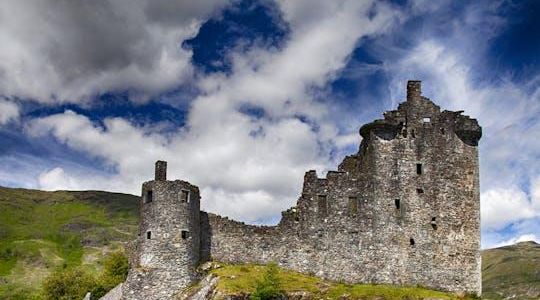


Other nearby places you may find interesting
The closest places of the same kind, if this one is not quite what you had in mind.
-
-
-
-
-


Swipe for more places
More to explore near Dumbarton Castle

 Best experiences near Dumbarton Castle
 Best hotels near Dumbarton Castle
 Best landmarks near Dumbarton Castle
 Best attractions near Dumbarton Castle
 Best shops near Dumbarton Castle
 Best restaurants near Dumbarton Castle
 Best bars near Dumbarton Castle
Do you manage this location?
Take control to get all the benefits, like improved information, better appearance, and stronger visibility across AI-powered discovery.
Explore more

Explore more of Dunbartonshire
Discover the historic charm and natural beauty of Dunbartonshire, Scotland's hidden gem. Perfect for history enthusiasts and nature lovers seeking a serene escape.
Explore Dunbartonshire
Explore more of United Kingdom
Discover the United Kingdom: A blend of rich history, stunning landscapes, and vibrant cities, offering a unique travel experience for every visitor.
Explore United Kingdom
