

Free Dunbartonshire Travel Guide & Mobile App
Explore Dunbartonshire with free travel guides. Discover regional history, expert tips, proposed trips, and audio guides on web or mobile app.


Dunbartonshire combines Clyde heritage, Mackintosh architecture, Roman remains, lochside landscapes and access to western Scotland's walking routes.
Read more about Dunbartonshire
When is the best time to visit Dunbartonshire?
Best: June–August · 19–21°C| Month | High (°C) | Rainfall (mm) |
|---|---|---|
| January | 6 | 90 |
| February | 7 | 84 |
| March | 9 | 76 |
| April | 12 | 51 |
| May | 16 | 56 |
| June (best) | 19 | 69 |
| July (best) | 21 | 71 |
| August (best) | 21 | 80 |
| September | 18 | 81 |
| October | 14 | 93 |
| November | 9 | 99 |
| December | 6 | 107 |
Getting to and around Dunbartonshire
How to get there
Transportation
Top city travel guides in Dunbartonshire
The cities of Dunbartonshire, and the easiest places to base yourself.

Swipe for more cities
Best attractions in Dunbartonshire
Dunbartonshire's attractions spread from the historic Clyde to the southern edge of Loch Lomond and the Roman frontier east of Glasgow. Dumbarton Castle is the major historical site, rising from its volcanic rock above the river, while the town's riverside and heritage collections explain the area's long relationship with Strathclyde and the sea. Helensburgh offers a very different experience through Hill House, Charles Rennie Mackintosh's innovative early twentieth-century home, and nearby gardens and coastal walks. Balloch Castle Country Park and the southern shores of Loch Lomond provide woodland paths, open viewpoints, boating and wildlife-focused outings, although the more mountainous northern loch lies beyond the historic county. East Dunbartonshire contributes the Antonine Wall's archaeological remains, Bearsden Roman Bath House and access to the West Highland Way from Milngavie. Industrial heritage is equally important: Clydebank's shipbuilding story and Auchentoshan Distillery reflect manufacturing and whisky traditions rather than picturesque rural tourism. Country parks, riverside paths, gardens and hill walks make the region suitable for short outdoor excursions, while its museums and historic buildings give context to communities shaped by Roman occupation, medieval lordship, maritime trade and heavy industry.
-
National park
Loch Lomond & The Trossachs National Park
Discover Scotland’s largest lake, rugged mountains, and ancient forests in the breathtaking Loch Lomond & The Trossachs National Park.
-
Shopping Centre
Braehead Shopping Centre
A vibrant shopping and entertainment destination near Glasgow with over 100 stores, dining, and family-friendly fun all under one roof.
-
Historical landmark
The National Wallace Monument
Discover Scotland’s heroic past atop Abbey Craig with panoramic views and immersive history at The National Wallace Monument.
-
Shopping Centre
Loch Lomond Shores
Shop, dine, and explore stunning Loch Lomond Shores — where nature meets vibrant retail and family fun on Scotland’s iconic loch.


Best landmarks in Dunbartonshire
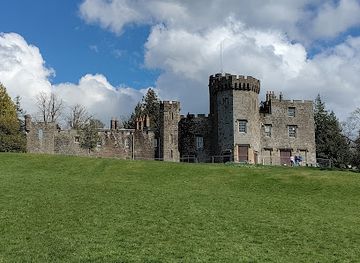
Dumbarton Castle is Dunbartonshire's defining landmark, occupying a dramatic volcanic plug where the River Leven meets the Clyde. Its height and defensible position explain the site's importance from the kingdom of Strathclyde through the medieval and early modern periods, and the surviving fortifications create a powerful silhouette above the surrounding town. Hill House near Helensburgh is a landmark of a different kind: Mackintosh's architecture, interiors and garden form a major statement of Scotland's contribution to modern design. Along the Clyde, the urban form of Clydebank and its surviving industrial associations recall the shipyards that built famous ocean liners and naval vessels, even though much of the original industrial landscape has changed. East Dunbartonshire's most important ancient landmark is the Antonine Wall, whose low banks and archaeological traces near Bearsden and Kirkintilloch represent Rome's northern frontier. The southern shore of Loch Lomond, viewed around Balloch and the River Leven, provides the region's principal natural landmark, contrasting open water and wooded slopes with the built-up Clyde corridor. The Campsie Fells and the hills around Milngavie complete this sequence of memorable landforms.
-
Historical landmark
McLennan Arch
A classical triumphal arch standing proudly at Glasgow Green, symbolizing the city’s rich heritage and architectural elegance.
-
Historical landmark
Inchcailloch burial ground
Discover Inchcailloch Burial Ground: a sacred island sanctuary blending ancient Gaelic heritage, clan history, and tranquil natural beauty in Loch Lomond.
-
Historical landmark
Blantyre Monument
An 80-foot obelisk in Bishopton honoring Major-General Robert Walter Stuart, the 11th Lord Blantyre, and his Napoleonic War legacy.


Explore Dunbartonshire on the map
Plan your trip on one map. See where the top cities, national parks and sights are, and book hotels and experiences in a few clicks.
Best hotels in Dunbartonshire
Best restaurants in Dunbartonshire
Dining in Dunbartonshire combines everyday Scottish cooking with the produce of the Clyde corridor and the lochside. Pubs, cafés and restaurants in Dumbarton, Helensburgh, Balloch and the eastern towns typically offer familiar Scottish dishes alongside modern British menus, while rural inns provide a useful stopping point for walkers and drivers. Fish and shellfish are natural choices near the Firth of Clyde, although menus vary by season and supplier; smoked fish, local baking, soups, game and dairy products also feature in the wider regional food culture. Whisky from Auchentoshan, produced in Clydebank, is an important local drink tradition, while independent cafés around Helensburgh, Milngavie and other town centres support a contemporary coffee and brunch scene. Farmers' markets and farm shops, where operating, are good places to look for preserves, bread, cakes and regional produce. Visitors should distinguish genuinely local specialities from dishes found across Scotland, but will find that the region's strongest culinary identity lies in its combination of Clyde produce, Scottish staples and relaxed town-and-country dining.
-
Restaurant
Duck Bay Hotel & Restaurant
Scenic lochside retreat with modern dining, cozy rooms, and warm Scottish hospitality on the banks of Loch Lomond.
-
Italian
Celino's
A lively Italian restaurant and deli in Partick offering authentic flavors and a bustling atmosphere with moderate prices.
-
Gastropub
Coast
Relax and dine at Coast, a scenic gastropub on the Clyde offering hearty British fare, vegan options, and warm hospitality in Langbank.
-
Restaurant
Tullie Inn
Charming Scottish pub and inn by Loch Lomond offering hearty fare, cozy rooms, and stunning waterfront views in Balloch.


Best bars in Dunbartonshire
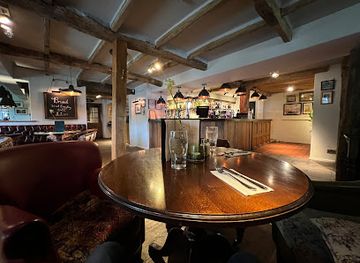
Evening life in Dunbartonshire is generally social and local rather than centred on a large club scene. Traditional pubs and modern bars in Dumbarton, Helensburgh, Clydebank, Balloch and the eastern towns provide places for conversation, food, televised sport and occasional live music. Helensburgh and Balloch attract a seasonal evening trade connected with visitors and the loch, while Clydebank and the larger communities have a more everyday, resident-focused pattern. Breweries, whisky-related experiences and gastropubs add variety without making alcohol the sole focus of an evening. Some venues offer entertainment at weekends, but opening arrangements and programming change, so check locally rather than relying on old listings. Visitors seeking a broad choice of late-night clubs will generally find more options in nearby Glasgow, outside Dunbartonshire; within the region, a pub meal, live performance or early evening riverside walk is often the more representative experience.
-
Pub
The Balloch House
Charming Scottish pub and hotel by Loch Lomond offering cozy rooms, hearty meals, and a warm, traditional atmosphere in the heart of Balloch.
-
 Pub
Queen Of The Loch
A friendly pub and inn near Loch Lomond offering hearty meals, comfortable stays, and a welcoming atmosphere for families and pets alike.
-
Pub
Tullie Inn
Traditional Scottish pub and cozy hotel by Loch Lomond, offering hearty fare, warm hospitality, and a gateway to scenic Balloch adventures.
-
Pub
The Stables
Cozy Scottish pub in Kirkintilloch with hearty British fare, warm ambiance, and friendly service by Glasgow Bridge.


Best nightclubs in Dunbartonshire
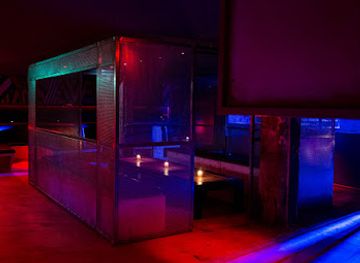
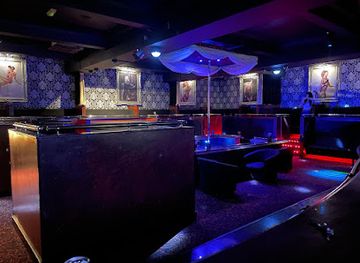
Evening life in Dunbartonshire is generally social and local rather than centred on a large club scene. Traditional pubs and modern bars in Dumbarton, Helensburgh, Clydebank, Balloch and the eastern towns provide places for conversation, food, televised sport and occasional live music. Helensburgh and Balloch attract a seasonal evening trade connected with visitors and the loch, while Clydebank and the larger communities have a more everyday, resident-focused pattern. Breweries, whisky-related experiences and gastropubs add variety without making alcohol the sole focus of an evening. Some venues offer entertainment at weekends, but opening arrangements and programming change, so check locally rather than relying on old listings. Visitors seeking a broad choice of late-night clubs will generally find more options in nearby Glasgow, outside Dunbartonshire; within the region, a pub meal, live performance or early evening riverside walk is often the more representative experience.
-
Nightclub
Cathouse Rock Club
Glasgow’s iconic rock club since 1990, delivering legendary live music and vibrant alternative nights in three dynamic rooms.
-
Nightclub
Sub Club
Glasgow’s iconic underground club with world-class sound, legendary nights, and an immersive dancefloor experience.
-
Nightclub
Club Tropicana & Venga
Relive the ultimate 80s and 90s nightclub experience in Glasgow with iconic tunes, themed decor, and vibrant party nights.
-
Nightclub
Platinum Lace Glasgow
Glasgow’s top gentlemen’s club blending classy entertainment, stylish VIP areas, and a vibrant social atmosphere in the city centre.


Best shops in Dunbartonshire
Shopping in Dunbartonshire is concentrated in town centres rather than in a single regional retail district. Dumbarton and Clydebank provide practical high-street shopping and everyday services, while Helensburgh has a more independent character, with cafés, galleries, gift shops, books and small retailers suited to a leisurely town visit. Balloch is useful for outdoor equipment, visitor gifts and products associated with Loch Lomond, although its retail offer is seasonal and tourism-oriented. Milngavie and the eastern towns combine chain stores with smaller businesses and food shops, and are convenient places to stock up before a walk. Look for Scottish knitwear, whisky, shortbread, preserves, locally made crafts and outdoor goods, checking labels to distinguish regional products from broadly Scottish souvenirs. Farm shops and periodic local markets can provide cheese, baking, vegetables and other produce, but schedules vary. The region is not primarily a luxury-shopping destination; its appeal lies in practical town shopping, independent businesses, outdoor supplies, food products and gifts connected with the Clyde and Loch Lomond landscapes.
-
Discount shop
B&M Home Store with Garden Centre
Affordable home and garden essentials combined in one convenient Dumbarton location with extended hours and wide product variety.
-
Shopping outlet
Antartex Village
A charming shopping and café village in Alexandria blending Scottish retail brands with a relaxed, welcoming atmosphere.
-
Shopping Centre
Artizan Shopping Centre
Central Dumbarton’s evolving retail hub, blending community spirit with bold redevelopment and future-focused regeneration.
-
Gift shop
VELVET MOON
Discover unique handmade gifts and local artistry in the heart of Glasgow’s vibrant Finnieston district at Velvet Moon.


Get your free copy of our complete guide to Dunbartonshire, delivered straight to you.
Everything on this page, from attractions and restaurants to essentials and local phrases, in one PDF you can read offline, print or share.
Already have an account? Sign in
Your Dunbartonshire guide is ready.
We'll send it to · Not you? Sign out

Getting your guide ready…
We are putting together a fresh copy of the Dunbartonshire guide. This can take up to a minute.
This can take a few moments. If your browser asks, choose Allow so the download can start. You'll find the guide in your Downloads folder.
Nothing happened? Download it again
Sorry, the guide is taking longer than usual. Please try again in a minute, or get it by email instead.
Dunbartonshire essentials
Currency and Payment
Safety
Emergency Situations
Do's and Don'ts
Local Tips
From Eve
Local phrases worth knowing
You don't need to get them perfect. A few words go a long way, and locals appreciate the effort.
Basics
| English | Local | Say it |
|---|---|---|
| Hello | Hiya | [hiyah] |
| Goodbye | Cheers | [cheers] |
| Yes | Aye | [ai] |
| No | Naw | [naw] |
| Please/You're welcome | Please | [pleez] |
| Thank you | Cheers | [cheers] |
| Excuse me/Sorry | Sorry | [saw-ree] |
| How are you? | How's it gaun? | [hows it gawn] |
| Fine. And you? | Aye, no bad | [ai, no bad] |
| Do you speak English? | Dae ye speak English? | [day ye speak English] |
| I don't understand | Ah dinnae ken | [ah din-ee ken] |
Eating & Drinking
| English | Local | Say it |
|---|---|---|
| I'd like to see the menu, please | Could I see the menu, please? | [could ah see the menu, pleez?] |
| I don't eat meat | Ah dinnae eat meat | [ah din-ee eat meat] |
| Cheers! | Cheers! | [cheers] |
| I would like to pay, please | Ah'd like tae pay, please | [ah'd like tay pay, pleez] |
Emergencies
| English | Local | Say it |
|---|---|---|
| Help! | Help! | [help] |
| Go away! | Gie us peace! | [gee us peace] |
| Call the Police! | Phone the polis! | [phone the polis] |
| Call a doctor! | Get a doc! | [get a doc] |
| I'm lost | Ah'm lost | [ah'm lost] |
| I'm ill | Ah'm no weel | [ah'm no weel] |
Shopping
| English | Local | Say it |
|---|---|---|
| I'd like to buy... | Ah'd like tae buy... | [ah'd like tay buy] |
| I'm just looking | Ah'm just lookin' | [ah'm just lookin] |
| How much is it? | How much's that? | [how much's that] |
| That's too expensive | That's far too dear | [that's far too dear] |
| Can you lower the price? | Can ye lower the price? | [can ye lower the price] |
Time & Numbers
| English | Local | Say it |
|---|---|---|
| What time is it? | Whit time is it? | [whit time is it] |
| It's one o'clock | It's one o'clock | [it's one o'clock] |
| Half past (10) | Half past ten | [half past ten] |
| Morning | Mornin' | [mornin] |
| Afternoon | Afternoon | [afternoon] |
| Evening | Evenin' | [evenin] |
| Yesterday | Yestreen | [yestreen] |
| Today | Tday | [tday] |
| Tomorrow | Morrow | [morrow] |
| 1 | One | [one] |
| 2 | Two | [two] |
| 3 | Three | [three] |
| 4 | Four | [four] |
| 5 | Five | [five] |
| 6 | Six | [six] |
| 7 | Seven | [seven] |
| 8 | Eight | [eight] |
| 9 | Nine | [nine] |
| 10 | Ten | [ten] |
Transport & Directions
| English | Local | Say it |
|---|---|---|
| Where's a/the...? | Whaur's the...? | [whaur's the] |
| What's the address? | Whit’s the address? | [whit’s the address] |
| Can you show me (on the map)? | Can ye show me (on the map)? | [can ye show me on the map] |
| When's the next (bus)? | When's the next bus? | [when's the next bus] |
| A ticket (to ....) | A ticket tae .... | [a ticket tay] |
History of Dunbartonshire
Prehistoric settlement and early kingdoms
The Clyde corridor and the shores of Loch Lomond have attracted settlement since prehistoric times, although much early evidence survives as archaeological remains rather than monumental buildings. The area's position between the central lowlands, the western seaways and routes towards the Highlands gave it lasting strategic importance. Dumbarton Rock later became the focus of a powerful fortress, but the wider district was already a meeting ground for communities using the river, fertile lowlands and wooded uplands. Early Christian activity and the emergence of regional kingdoms laid foundations for the medieval political geography later associated with Lennox and Strathclyde.
The Roman frontier and the Antonine Wall
In the second century, the Romans built the Antonine Wall across central Scotland, and its western section crossed what is now East Dunbartonshire. Forts and bath-house remains at places including Bearsden, together with traces near Kirkintilloch, show how the frontier was staffed and supplied. The wall was not a permanent boundary in the modern sense, but a military zone marking the northern limit of Roman occupation for a relatively short period. Its surviving earthworks and archaeological sites connect Dunbartonshire to one of Britain's most important Roman landscapes.
Dumbarton Rock and the Kingdom of Strathclyde
Dumbarton Rock, known in early sources as Alt Clut, was the stronghold of the Brittonic kingdom of Strathclyde and one of the most important political centres in northern Britain. Its position above the Clyde protected an important river route and linked the kingdom to western maritime networks. Viking attacks in the ninth century demonstrated both the fortress's strategic value and the vulnerability of the river corridor. Although political power later shifted towards other centres, Dumbarton remained an important royal and military site, and its rock continues to dominate the county's historical landscape.
The medieval Earldom of Lennox
During the medieval period, much of Dunbartonshire formed part of the Earldom of Lennox, whose territory extended around the lower Clyde and towards Loch Lomond. Local lordship, church foundations and fortified sites shaped settlement in the fertile lowlands and river valleys. Dumbarton retained its role as a royal burgh and strategic castle, while the surrounding countryside supported agriculture, woodland management and movement between the Clyde and the Highlands. Medieval boundaries were not identical to the modern county, but the Lennox identity remains an important historical influence on the region's place-names and heritage.
The growth of towns and estates
From the eighteenth century, improved roads, expanding agriculture and the development of country estates altered the county's settlement pattern. Helensburgh was founded in the 1770s and grew as a planned town and Clyde resort, while Dumbarton developed around trade, administration and its river crossing. Estate landscapes, designed gardens and substantial villas appeared alongside older farms and villages. The opening of better transport links made the lower Clyde more accessible from Glasgow and encouraged both industrial investment and leisure travel, creating a regional contrast between urbanising riverside communities and rural districts.
Shipbuilding and industrial Clydebank
The lower Clyde became one of the world's major shipbuilding and engineering districts during the nineteenth and twentieth centuries. Clydebank expanded around the yards of John Brown and Company, whose liners, naval vessels and ocean-going ships gave the town an international industrial reputation. Engineering, munitions and associated trades supported a large working population, while the 1941 Clydebank Blitz caused extensive destruction and civilian loss. The decline of large-scale shipbuilding transformed the local economy, but the area's industrial heritage remains visible in museums, memorials, waterfront spaces and community memory.
Transport, leisure and the modern region
Railways and roads reshaped Dunbartonshire by linking Clyde communities with Glasgow, the coast and the lochside. Helensburgh became associated with suburban and recreational travel, while Balloch developed as a gateway to Loch Lomond and the wider national park landscape. In the later twentieth and early twenty-first centuries, conservation, heritage tourism, walking and outdoor recreation became increasingly important alongside established urban economies. The West Highland Way's start at Milngavie and the protection of lochside and woodland landscapes illustrate the region's continuing shift from heavy industry alone towards a more diverse visitor and service economy.
Dunbartonshire in Photos
Browse through our photo collection highlighting the charm and character of the destination.
Neighbouring regions of Dunbartonshire
The closest regions to Dunbartonshire, if you have time for more than one.
-

-

-

-

-


Swipe for more regions
Explore more

Explore more of United Kingdom
Discover the United Kingdom: A blend of rich history, stunning landscapes, and vibrant cities, offering a unique travel experience for every visitor.
Explore United Kingdom