Fossil Grove Travel Guide
Free Guide: Explore Glasgow’s Fossil Grove, a rare Carboniferous forest preserved in a Victorian conservation building within scenic Victoria Park.


A brief summary of Fossil Grove
Explore Glasgow’s Fossil Grove, a rare Carboniferous forest preserved in a Victorian conservation building within scenic Victoria Park.
Fossil Grove in Glasgow’s Victoria Park is a unique natural history site showcasing fossilized tree stumps from a 330-million-year-old Carboniferous forest. Housed in a Victorian-era protective building, it offers visitors a rare glimpse into prehistoric plant life. The site is open seasonally on weekends with free admission, complemented by the tranquil green space of Victoria Park, making it a fascinating and peaceful spot for nature and geology enthusiasts.
On-site amenities
 Restrooms
 Seating areas
 Information boards
Opening hours
- Mon–SatClosed
- Sun12 pm–4 pm
Opening hours as listed on the venue’s Google Business Profile. Hours can change for services and special events, so check with the venue before you go.
- Address
- Victoria Park Dr S, Glasgow G14 9QR
- Phone
- Website
Getting there
Bus
Train
Car
Discover more about Fossil Grove
Origins and Geological Significance
Fossil Grove was discovered in 1887 during the creation of Victoria Park when workers uncovered fossilized stumps of ancient lycopod trees, relatives of modern clubmosses. These fossils date back approximately 330 million years to the Carboniferous period, a time when lush forests covered what is now Glasgow. The site preserves eleven tree stumps in situ, offering a direct window into prehistoric ecosystems that eventually contributed to coal formation powering Glasgow’s industrial era.
Historic Conservation Efforts and the Fossil House
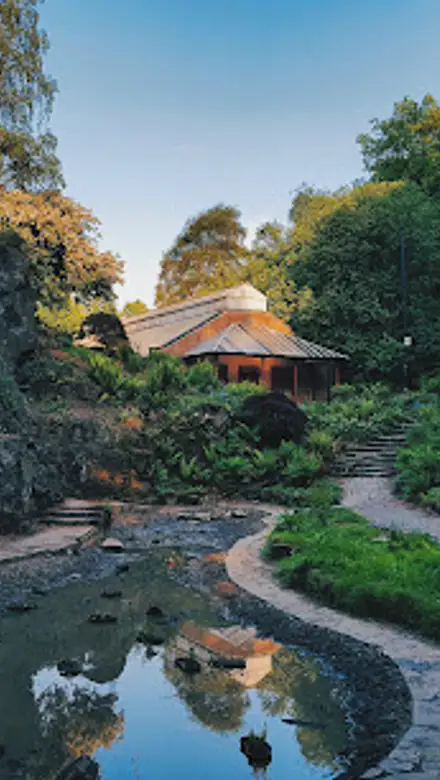
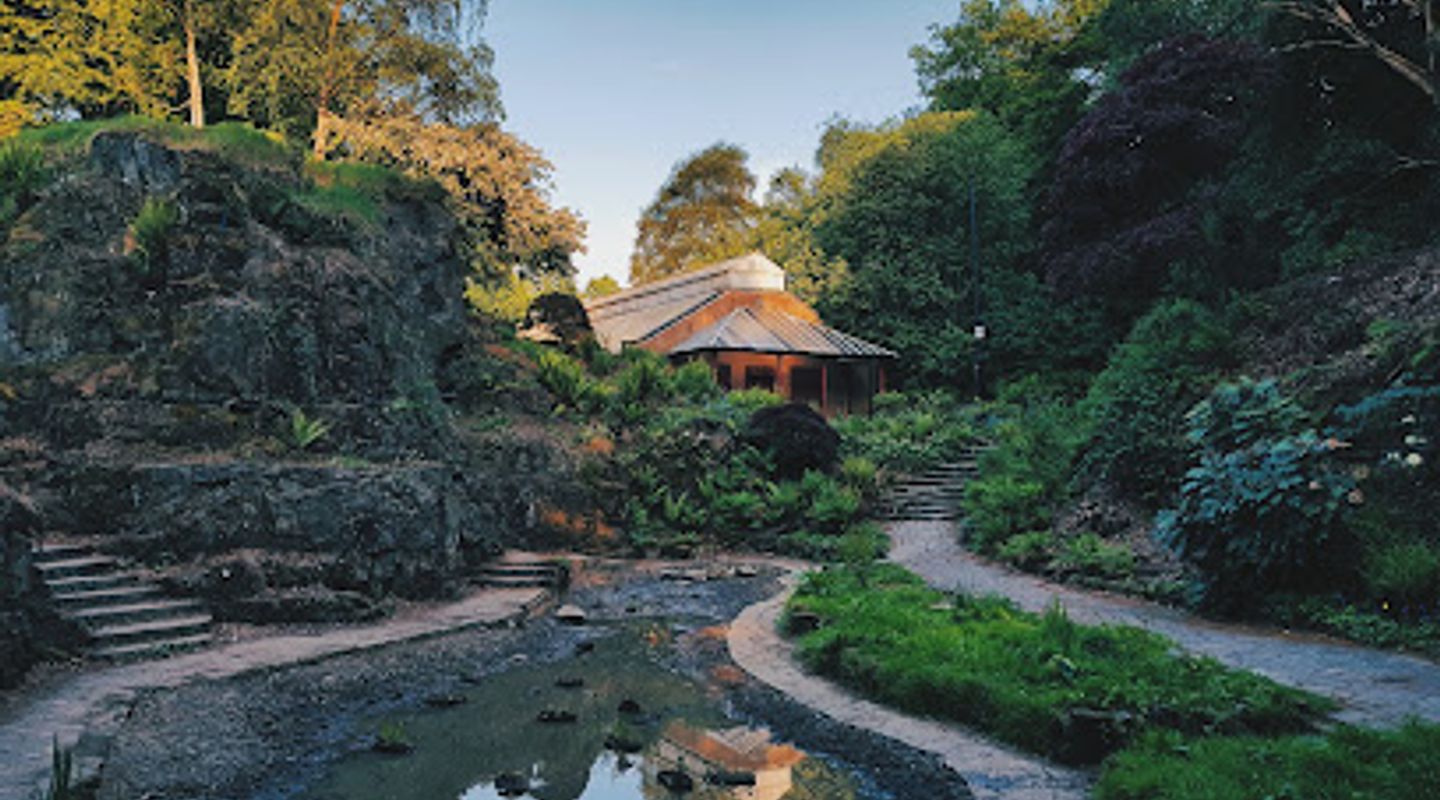
Recognizing the fossils’ scientific and cultural importance, Glasgow’s Victorian forefathers erected the Fossil House in 1890, one of the earliest examples of geo-conservation architecture worldwide. This small, glazed wooden building protects the fossils from weather and environmental damage, preserving them for future generations. Despite challenges such as urban development, wartime bombing, and humidity fluctuations, the fossils remain remarkably intact within this heritage structure.
Visitor Experience and Seasonal Access
Fossil Grove is nestled in the west side of Victoria Park, a verdant urban green space with walking paths, ponds, and wildlife. The Fossil House is open seasonally, typically on weekends from April to October, with free entry. Visitors can spend about an hour exploring the fossilized trees and learning about their geological context through interpretive panels. The site is wheelchair accessible inside the Fossil House, with paved paths leading through the park.
Ecological and Educational Value
Beyond its geological marvels, Fossil Grove serves as an educational resource highlighting Earth’s deep past and the evolution of plant life. It is designated a Site of Special Scientific Interest (SSSI), reflecting its outstanding conservation value. The surrounding park enhances the experience with tranquil natural surroundings, birdlife, and seasonal flora, making it a peaceful retreat within the city.
Community and Conservation Initiatives
The Fossil Grove Trust collaborates with Glasgow City Council to maintain and promote the site, seeking funding to improve visitor facilities and awareness. Recent renovation efforts aim to safeguard the fossils and enhance interpretive materials. The site’s limited opening hours reflect ongoing conservation needs and resource constraints, but community support remains strong for expanding access.
Setting Within Glasgow’s Cultural Landscape
Situated about four miles west of Glasgow city centre, Fossil Grove offers a unique blend of natural heritage and urban parkland. It complements other local attractions like the Glasgow Botanic Gardens and Riverside Museum, providing a distinctive experience for geology enthusiasts, families, and those seeking a quiet connection to Scotland’s ancient natural history.
Evendo Review Centre
 Google
Guest reviews
Best time to go
Quietest: Jan, Feb & Dec · before 7am or from 7pm
Busy times are Evendo estimates for a typical year, to help you plan. Actual crowds vary with events, school holidays and the weather.
Explore Fossil Grove on the map
A handpicked selection of must-see spots near Fossil Grove, mapped for you.
Get your free copy of our complete guide to Fossil Grove, delivered straight to you.
Everything on this page, from opening hours and how to get there to Eve’s tips and the best time to go, in one PDF you can read offline, print or share.
Already have an account? Sign in
Your Fossil Grove guide is ready.
We'll send it to · Not you? Sign out

Getting your guide ready…
We are putting together a fresh copy of the Fossil Grove guide. This can take up to a minute.
This can take a few moments. If your browser asks, choose Allow so the download can start. You'll find the guide in your Downloads folder.
Nothing happened? Download it again
Sorry, the guide is taking longer than usual. Please try again in a minute, or get it by email instead.
Other nearby places you may find interesting
The closest places of the same kind, if this one is not quite what you had in mind.
-
-
-
-
-


Swipe for more places
More to explore near Fossil Grove

 Best experiences near Fossil Grove
 Best hotels near Fossil Grove
 Best landmarks near Fossil Grove
 Best attractions near Fossil Grove
 Best shops near Fossil Grove
 Best restaurants near Fossil Grove
 Best bars near Fossil Grove
Do you manage this location?
Take control to get all the benefits, like improved information, better appearance, and stronger visibility across AI-powered discovery.
Explore more

Explore more of Dunbartonshire
Discover the historic charm and natural beauty of Dunbartonshire, Scotland's hidden gem. Perfect for history enthusiasts and nature lovers seeking a serene escape.
Explore Dunbartonshire
Explore more of United Kingdom
Discover the United Kingdom: A blend of rich history, stunning landscapes, and vibrant cities, offering a unique travel experience for every visitor.
Explore United Kingdom