Geilston Garden, Dunbartonshire Travel Guide
A magical 200-year-old walled garden where cultivation meets nature on the banks of the River Clyde.
A enchanting 200-year-old walled garden nestled on the banks of the River Clyde near Cardross, Scotland. This National Trust for Scotland property features a stunning herbaceous border, productive kitchen garden, woodland walks along the Geilston Burn, and a children's adventure play area. The garden is celebrated for its harmonious blend of cultivated beauty and natural landscape, with seasonal highlights including vibrant summer colours, spring bulbs, and autumn foliage. Open seasonally from March to October.
A brief summary to Geilston Garden
- Geilston Garden, Main Road, Cardross, Dumbarton, G82 5HD, GB
- Click to display
- Click to display
- Duration: 1.5 to 3.5 hours
- Mid ranged
-
 Outdoor
- Mobile reception: 4 out of 5
- Monday 10 am-5 pm
- Tuesday 10 am-5 pm
- Wednesday 10 am-5 pm
- Thursday 10 am-5 pm
- Friday 10 am-5 pm
- Saturday 10 am-5 pm
- Sunday 10 am-5 pm

Know before you go
Hi, I'm Eve. Here are a few practical things to know before exploring Geilston Garden.
- Visit in late spring (May–June) to see the Siberian iris in bloom along the Geilston Burn and Japanese azaleas at their peak. The herbaceous border is also at its most vibrant during this period.
- Bring a picnic and plan to spend at least two hours exploring both the formal walled garden and the woodland walks. Picnic benches are available throughout the grounds.
- If visiting with children, allow extra time for the adventure play area and woodland exploration. Seasonal spotter trails and the flower meadow maze provide engaging activities.
- Dogs are welcome on all days except Tuesdays and must be kept on a leash. They are not permitted in the walled garden, kitchen garden, or children's adventure area.
- Consider visiting on a weekday during quieter periods for a more peaceful experience. The garden closes at the end of October, so plan accordingly if autumn photography is your goal.
Do you manage this location?
Take control to get all the benefits, like improved information, better appearance, and stronger visibility across AI-powered discovery. Learn more about listing your business on Evendo
Activate your presenceOther nearby places you may find interesting
The closest places of the same kind, if this one is not quite what you had in mind.



Explore Geilston Garden on the Map
A handpicked selection of must-see spots near Geilston Garden, mapped for you.
Getting There
-
By Train
Cardross railway station is approximately 20 minutes' walk from Geilston Garden. Half-hourly train services operate from Glasgow and Edinburgh to Cardross. ScotRail's 2-for-1 initiative allows two adults entry for the price of one with a valid rail ticket and paper voucher. Journey time from Glasgow Central is approximately 30–40 minutes.
-
By Bus
A bus stop is located directly next to the garden entrance. Local bus services connect Cardross and the surrounding area. Service frequency varies, so check local timetables in advance. Journey times from nearby towns range from 15–45 minutes depending on starting point.
-
By Car
From Cardross village, take the A814 towards Helensburgh. The garden entrance is on the right after leaving Cardross, approximately one mile from the village centre. Free parking is available on-site next to the reception hut. Journey time from Helensburgh is approximately 10 minutes; from Glasgow city centre approximately 45–50 minutes.
-
On Foot
Cardross station is a 20-minute walk from the garden via local roads. The walk is on paved surfaces but involves some gradient. Alternatively, the garden is accessible from nearby villages and walking routes in the Clyde Valley, though distances vary significantly depending on starting point.
For the on-the-go comforts that matter to you
-
 Restrooms
-
 Drink Options
-
 Food Options
-
 Seating Areas
-
 Picnic Areas
-
 Trash Bins
-
 Information Boards
-
 Visitor Center
Discover more about Geilston Garden
A Garden Rooted in Two Centuries of History
Geilston Garden stands as a testament to the enduring appeal of Scottish country estates, having graced the banks of the River Clyde for over 200 years. Established in 1797, this walled garden represents a cherished example of the small estates that once dotted the Clyde Valley. The garden's longevity speaks to its carefully considered design and the dedication of successive generations who have maintained its character. Today, managed by the National Trust for Scotland, Geilston continues to evolve while honouring its historical roots, offering visitors a living connection to Scotland's horticultural heritage.The Walled Garden and Its Floral Splendour
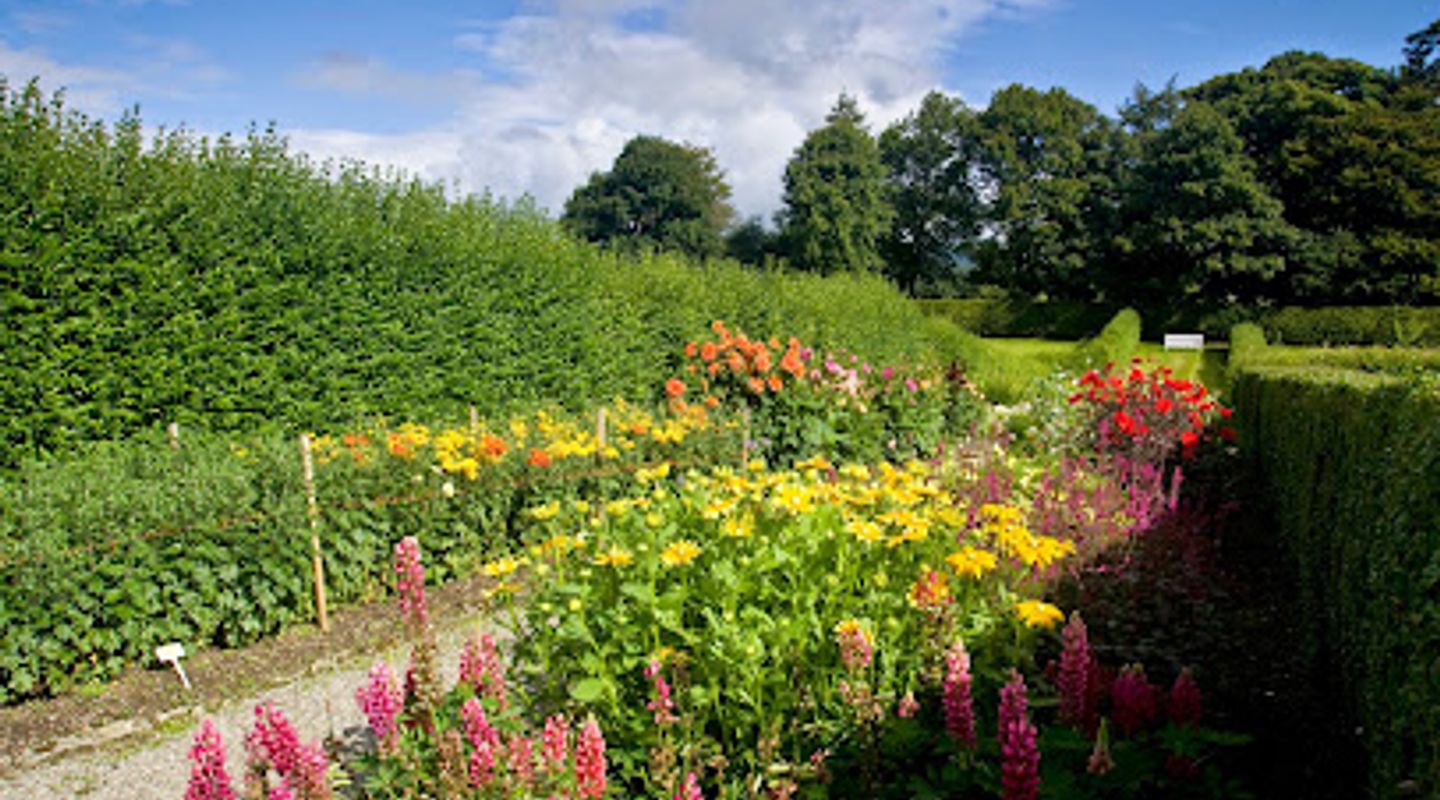
At the heart of Geilston lies the magnificent walled garden, a space that transforms dramatically with the seasons. During summer months, the garden erupts into a carpet of dazzling colours, with the celebrated 40-metre-long herbaceous perennial border providing a succession of blooms from early spring through late autumn. A mammoth wellingtonia tree dominates the centre, its towering presence creating a striking focal point. The walled garden's design encourages leisurely exploration, with pathways revealing new vistas at every turn. Spring brings the delicate beauty of bulbs and early perennials, while summer showcases the full spectrum of herbaceous plantings. The garden's careful curation ensures that there is always something in bloom during the open season.Kitchen Garden and Edible Landscapes
Beyond the ornamental walled garden lies the productive kitchen garden, where the rhythms of cultivation follow nature's calendar. Carrots, rhubarb, beans, fruit trees, and an abundance of seasonal vegetables flourish in this working space. A new addition for 2025 is the edimental garden—a creative fusion of edible and ornamental plants that demonstrates how practical cultivation can be visually striking. Fresh produce and plants are available for purchase at certain times of the year, allowing visitors to take home a piece of Geilston's horticultural bounty. The kitchen garden springs to life in April and May, when the combination of emerging vegetables and flowering plants creates a particularly vibrant display.Woodland Walks and Natural Discovery
Geilston's appeal extends beyond its cultivated gardens into the wilder territory that surrounds the Geilston Burn. Tranquil woodland walks meander through natural landscape, offering respite and connection with nature. During bluebell season, the woodland transforms into a carpet of blue, creating a magical experience for visitors. The burn itself provides a focal point for exploration, with paths leading through increasingly natural terrain. This balance between cultivation and wilderness is central to Geilston's character, reflecting a philosophy that harmonises human design with the natural world. The woodland adventure area captivates younger visitors, who can explore the natural playground and discover seasonal spotter trails.Seasonal Highlights and Family Experiences
Geilston offers distinct experiences throughout its open season. Spring brings the emergence of the kitchen garden and the delicate beauty of bulbs, particularly the celebrated Siberian iris that flowers along the Geilston Burn. Early summer showcases Japanese azaleas in bloom and the full flush of the herbaceous border. Autumn transforms the landscape with warm tones and the opportunity to photograph the garden's architectural features. Children can enjoy the mini annual flower meadow maze, games on the tennis lawn, and the natural woodland playground. Seasonal spotter trails and garden quizzes add an interactive dimension to visits, encouraging families to engage more deeply with the garden's ecology and design.Landscape Philosophy and Visitor Experience
Geilston is celebrated for its thoughtful landscaping, which creates a seamless dialogue between cultivation and nature. The garden's design invites contemplation and leisurely exploration rather than rushed sightseeing. Picnic benches are scattered throughout the grounds, encouraging visitors to settle in and absorb the atmosphere. The combination of formal garden spaces, productive areas, and wild woodland creates diverse environments within a relatively compact area, ensuring that different visitors find what resonates with them—whether that is horticultural inspiration, family adventure, or peaceful natural retreat.












Your all‑in‑one travel companion app
Explore expert travel guides, compare and book tours, experiences, hotels, and more—all from the palm of your hand. Download now for seamless trip planning wherever your wanderlust takes you.


Explore More of Dunbartonshire
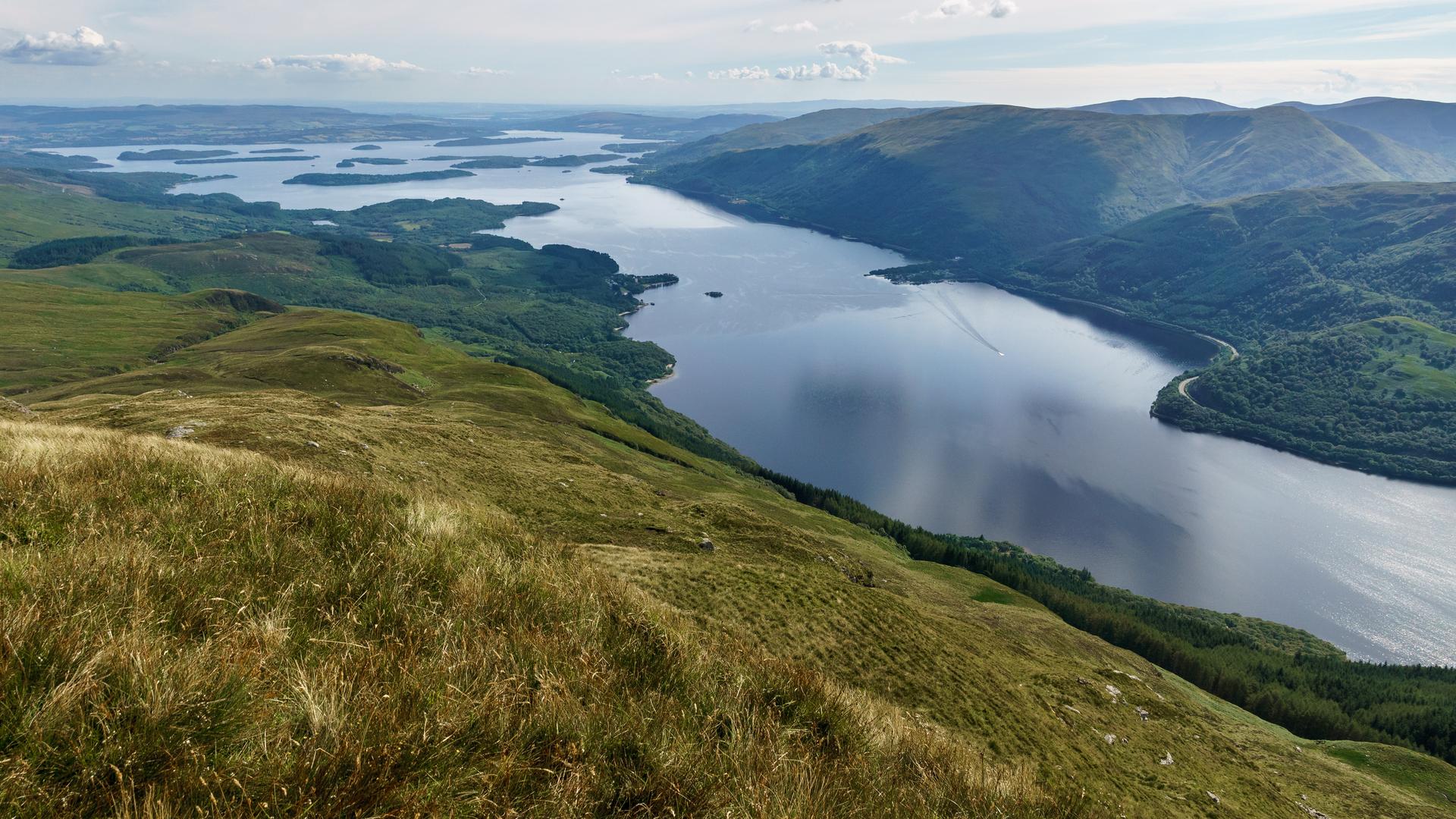
Looking beyond Geilston Garden? Discover Dunbartonshire for broader travel guides, local hot-spots, and regional highlights.
Explore Dunbartonshire