Holy Trinity Church, St Andrews: A Historic Spiritual Landmark
Historic Holy Trinity Church in St Andrews blends medieval roots with Gothic revival charm and Reformation heritage in the heart of the town.
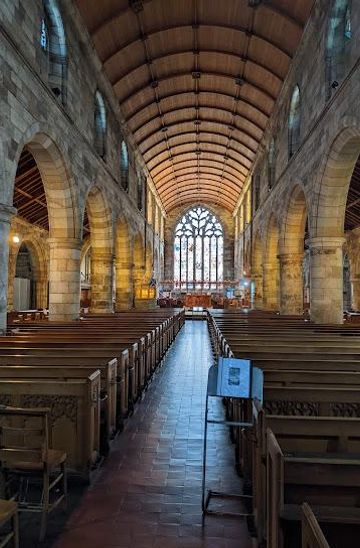
Holy Trinity Church in St Andrews is a prominent Presbyterian church with origins dating back to the 12th century. Located on South Street since 1412, it features a striking Gothic design by Peter Macgregor Chalmers from 1907. The church played a pivotal role in Scotland’s Reformation, notably hosting John Knox’s influential sermons. Today, it remains an active place of worship and a cultural venue, blending centuries of history with community life in the heart of St Andrews.
A brief summary to Holy Trinity Church
- South St, St Andrews, KY16 9NL, GB
- Click to display
- Click to display
- Duration: 0.5 to 2 hours
- Free
-
 Indoor
- Mobile reception: 4 out of 5
- Wednesday 11 am-5 pm
- Saturday 11 am-5 pm
- Sunday 11:15 am-12:15 pm

Know before you go
Hi, I'm Eve. Here are a few practical things to know before exploring Holy Trinity Church.
- Visit on a Sunday morning to experience a traditional Presbyterian service and enjoy free parking in town until 1pm.
- Take time to explore the stained glass windows and the John Knox Porch, commemorating the Reformation preacher.
- Check the church’s schedule for concerts and talks, which showcase its role as a vibrant cultural venue.
- Admire the church tower from various points around St Andrews, visible for miles and a key town landmark.
Do you manage this location?
Take control to get all the benefits, like improved information, better appearance, and stronger visibility across AI-powered discovery. Learn more
Activate your presence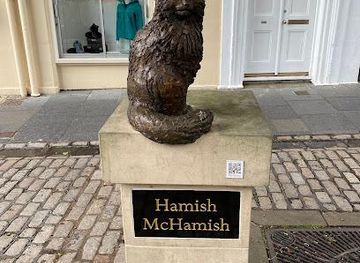

Getting There
-
Bus
Local Stagecoach buses connect central St Andrews with South Street, where Holy Trinity Church is located. Travel times vary between 10 to 20 minutes from the town outskirts. Services run frequently during the day with fares typically around £1.50 to £3.00. Note that bus stops are a short walk from the church.
-
Taxi
Taxis provide a direct and convenient option from St Andrews railway station or town center, with a typical journey time of 5 to 10 minutes. Expect fares in the range of £5 to £10. Availability may vary by time of day.
-
Walking
If you are staying in central St Andrews, walking to Holy Trinity Church is easy and pleasant, taking approximately 10 to 15 minutes on paved streets. The terrain is flat and accessible for most visitors.
For the on-the-go comforts that matter to you
-
 Restrooms
-
 Seating Areas
-
 Information Boards
Discover more about Holy Trinity Church
Ancient Roots and Medieval Foundations
Holy Trinity Church’s history stretches back over 800 years, with its earliest origins near St Andrews Cathedral in the 12th century. In 1410, Sir William Lindsay of the Byres gifted land on South Street, relocating the church to its current central location. The medieval church featured a cruciform layout with a nave, aisles, and chapels, including one adorned with Lindsay’s coat of arms in stained glass. The tower and some interior arches from this period survive today, anchoring the building’s deep historical roots.The Church’s Role in the Scottish Reformation
Holy Trinity was a focal point during the 16th-century Scottish Reformation. In 1559, John Knox, a key figure in establishing Presbyterianism, preached here, urging the community to reject Catholic practices. This sermon marked a turning point, leading to the removal of Catholic altars and images and a reorientation of the church interior to emphasize preaching. The John Knox Porch commemorates his influence, and the church remains a symbol of Scotland’s religious transformation.Architectural Evolution and 20th Century Rebuild
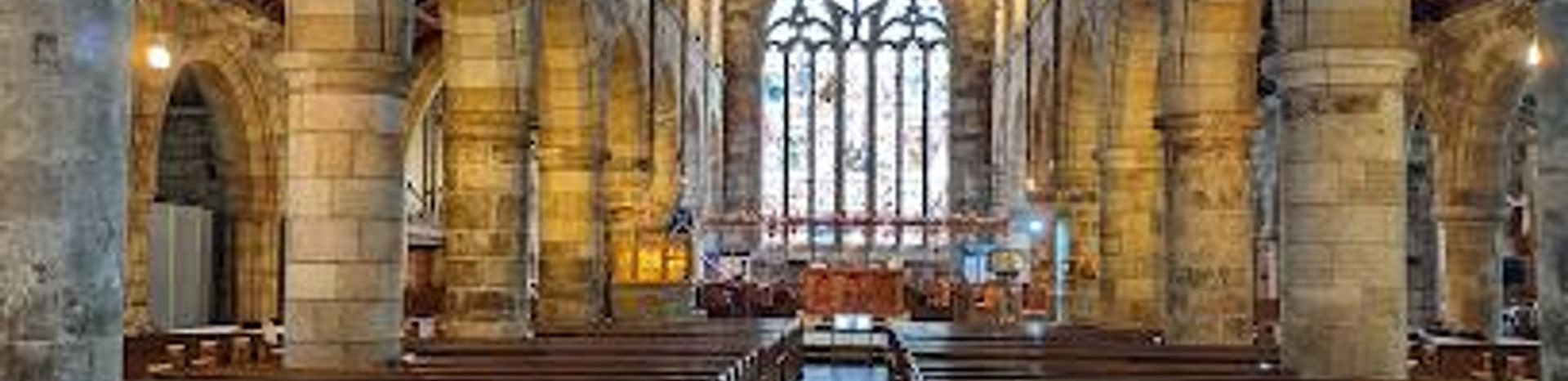
Over the centuries, Holy Trinity underwent numerous architectural changes. The original medieval structure was heavily remodeled around 1800, losing much of its medieval character. In 1907, the church was demolished and rebuilt by architect Peter Macgregor Chalmers, who designed the current Gothic-style building closely following the medieval footprint. Additions included the Hunter Memorial Aisle and vestry, enhancing functionality. The church was rededicated on St Andrews Day in 1909, with stained glass windows and a grand organ enriching its interior.A Living Church and Community Venue
Today, Holy Trinity Church serves an active Church of Scotland congregation, continuing its centuries-old tradition of worship. Beyond religious services, it hosts public talks, concerts, and community events, reflecting its evolving role in St Andrews life. Its prominent tower is a landmark visible for miles, and the church’s location on South Street places it at the heart of the town’s social and cultural fabric.Artistic and Memorial Features
The church houses notable artistic elements, including stained glass windows designed by Reginald Hallward, depicting biblical scenes such as the Resurrection and Ascension. The Hunter Memorial Aisle offers a flexible space for informal gatherings. Memorials within the church honor local historical figures, contributing to its rich cultural heritage.Experience and Atmosphere
Visitors to Holy Trinity Church encounter a serene yet vibrant atmosphere where history and faith intertwine. The combination of medieval remnants and early 20th-century Gothic architecture creates a unique aesthetic. The church’s acoustics and spacious interior make it ideal for music and spoken word events, inviting reflection and community connection in a historic setting.Explore the best of what Holy Trinity Church has to offer















More about Fife
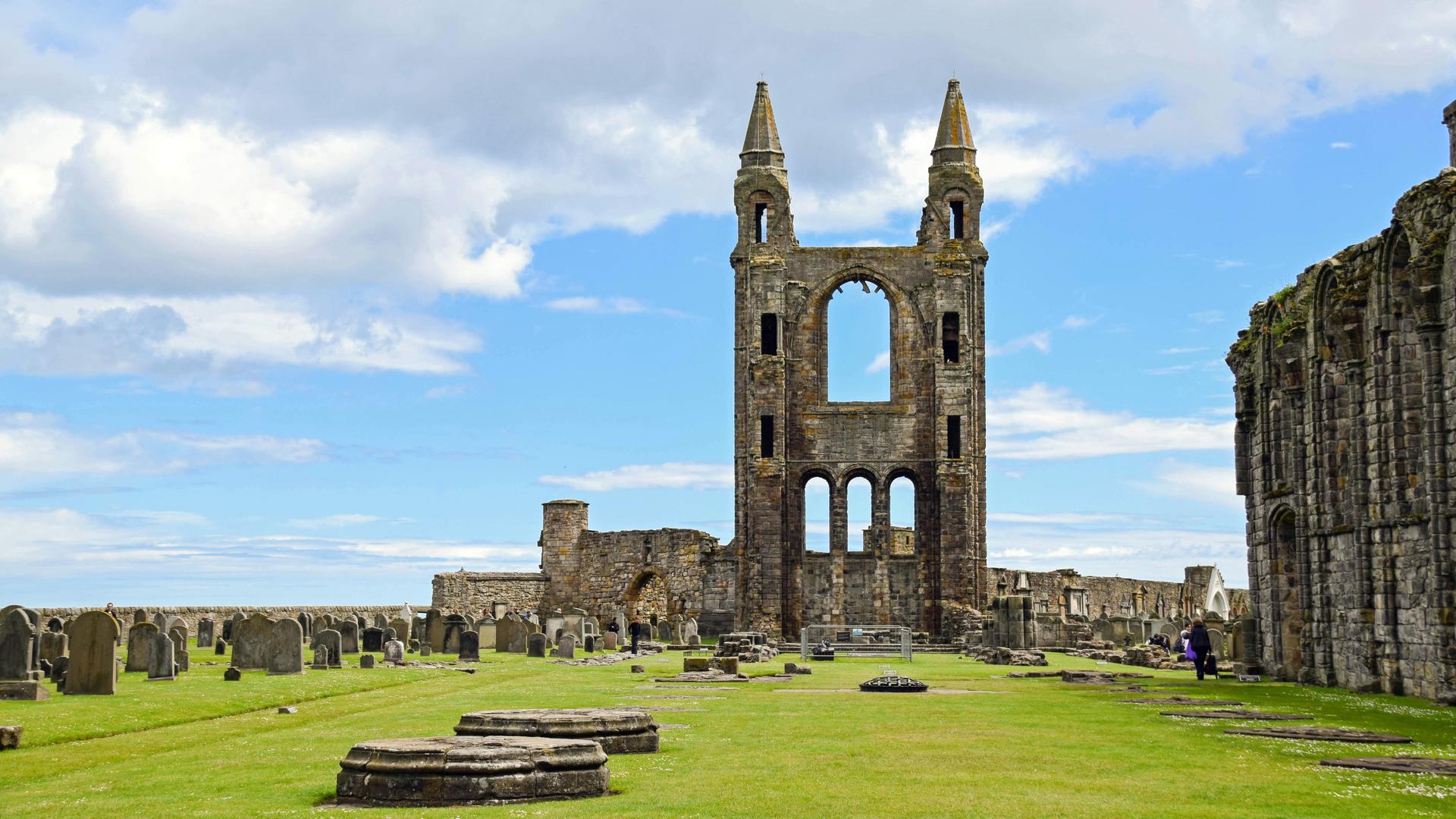
Discover Fife, Scotland’s Kingdom of History and Natural Beauty, featuring St. Andrews, ancient ruins, charming fishing villages, and stunning coastal walks.
Tell me more about Fife
Explore a 15th-century coastal fortress turned museum with rich history, stunning river views, and vibrant local heritage in Dundee.

A beloved bronze tribute to St Andrews’ iconic wandering cat, capturing community spirit and local charm in the heart of town.