The Guildhall, Newcastle upon Tyne: A Timeless Civic Landmark
Discover the historic Guildhall of Newcastle upon Tyne, a stunning Grade I listed landmark embodying centuries of civic pride and architectural splendor.
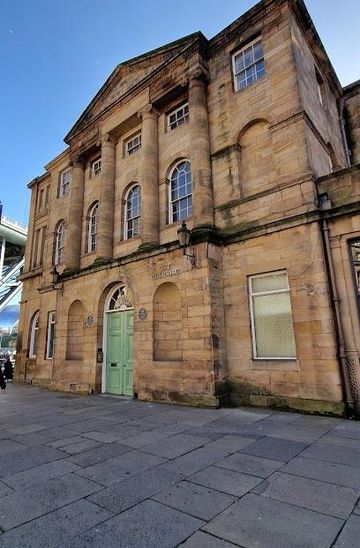
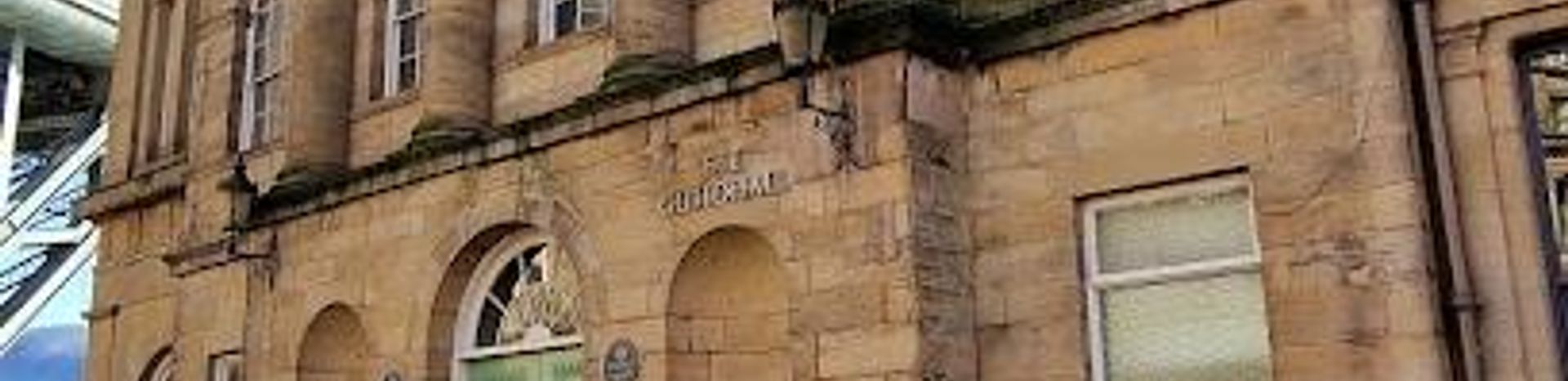
The Guildhall in Newcastle upon Tyne is a Grade I listed historic building renowned for its rich heritage and striking architecture. Originally built between 1655 and 1660 by Robert Trollope, it has undergone several classical and neo-Grecian remodels, reflecting centuries of civic pride. Located near the Quayside, this landmark embodies Newcastle’s medieval guild traditions and offers visitors a glimpse into the city’s past through its grand halls and intricate carvings.
A brief summary to The Guildhall
- Newcastle upon Tyne, GB
- Duration: 0.5 to 2 hours
- Free
-
 Outdoor
- Mobile reception: 4 out of 5

Know before you go
Hi, I'm Eve. Here are a few practical things to know before exploring The Guildhall.
- Check for special guided tours or events to explore the Guildhall’s interiors, as it is not regularly open to the public.
- Visit on weekdays for a quieter experience and better opportunities to appreciate the architecture and surroundings.
- Bring a camera to capture the intricate carvings and classical facades of this historic civic building.
- Explore nearby heritage sites such as Bessie Surtees House and Trinity House to enrich your visit.
Do you manage this location?
Take control to get all the benefits, like improved information, better appearance, and stronger visibility across AI-powered discovery. Learn more
Activate your presenceOther nearby places you may find interesting
Getting There
-
Metro and Bus
Take the Tyne and Wear Metro to Monument station, approximately a 10-minute walk from the Guildhall. Frequent bus services also run along nearby routes such as the 12 and 38, with stops within 5 minutes’ walk. Tickets cost around £2-£4 depending on distance.
-
Taxi or Rideshare
A taxi or rideshare from Newcastle Central Station to the Guildhall takes about 5-10 minutes depending on traffic, costing roughly £5-£8. This option offers door-to-door convenience but may be slower during peak hours.
-
Walking
If you are staying in central Newcastle, the Guildhall is accessible by a 15-20 minute walk from the Central Station area. The route is mostly flat and suitable for most mobility levels, passing through historic streets and city landmarks.
For the on-the-go comforts that matter to you
-
 Restrooms
-
 Drink Options
-
 Food Options
-
 Seating Areas
-
 Information Boards
Discover more about The Guildhall
Architectural Evolution Through Centuries
The Guildhall stands as a testament to Newcastle’s evolving architectural styles and civic history. Its initial construction, completed between 1655 and 1660 by master mason Robert Trollope, established the core of the building. Over the next two centuries, the Guildhall was enhanced with classical facades: a north front by Stephenson and Newton in the 1790s and a south front by John and William Stokoe in 1809. The east end was remodelled in a neo-Grecian style by Dobson in the early 1820s, blending medieval origins with refined 19th-century aesthetics.Historical Significance and Civic Role
The Guildhall’s roots trace back to the early 15th century, with the first recorded guildhall on this site dating from 1400. It served as the meeting place for Newcastle’s influential guild merchants, who were granted their charter by King John in 1216. The building played a central role in the city’s governance and commercial life, hosting courts, guild meetings, and civic ceremonies. Notably, the Guildhall was the site of the infamous 1740 riots, when an angry crowd damaged the building, reflecting the social tensions of the era.Interior Grandeur and Artistic Details
Inside, the Guildhall reveals a wealth of historic features including the Freeman’s Hall adorned with beautiful buttresses, coats of arms, and intricate oak carvings. The mayor’s chamber, dating back to the 1600s, boasts a stunning ceiling and period paintings. The courtroom and explorers’ chamber offer fascinating insights into the city’s judicial and maritime heritage. These richly decorated spaces preserve the craftsmanship and civic pride of Newcastle’s past.Location and Surrounding Attractions
Situated on Sandhill near the vibrant Quayside, the Guildhall is surrounded by other historic landmarks such as Bessie Surtees House and Trinity House. The nearby River Tyne provides scenic views and a lively atmosphere, making the area a cultural hub. Visitors can explore a cluster of heritage sites within walking distance, enriching their understanding of Newcastle’s layered history.Preservation and Public Engagement
As a Grade I listed building, the Guildhall is protected for its exceptional architectural and historic interest. While it is not regularly open to the public, guided tours and special events offer rare opportunities to experience its interiors. These visits highlight the Guildhall’s significance and foster appreciation for Newcastle’s civic heritage.Legacy of Newcastle’s Guild Merchants
The Guildhall symbolizes the power and influence of Newcastle’s guild merchants, who shaped the city’s economic and social landscape for centuries. Their legacy endures in the building’s imposing structure and ceremonial spaces, linking modern visitors to the medieval traditions that helped define the city’s identity.Explore the best of what The Guildhall has to offer















More about North East England
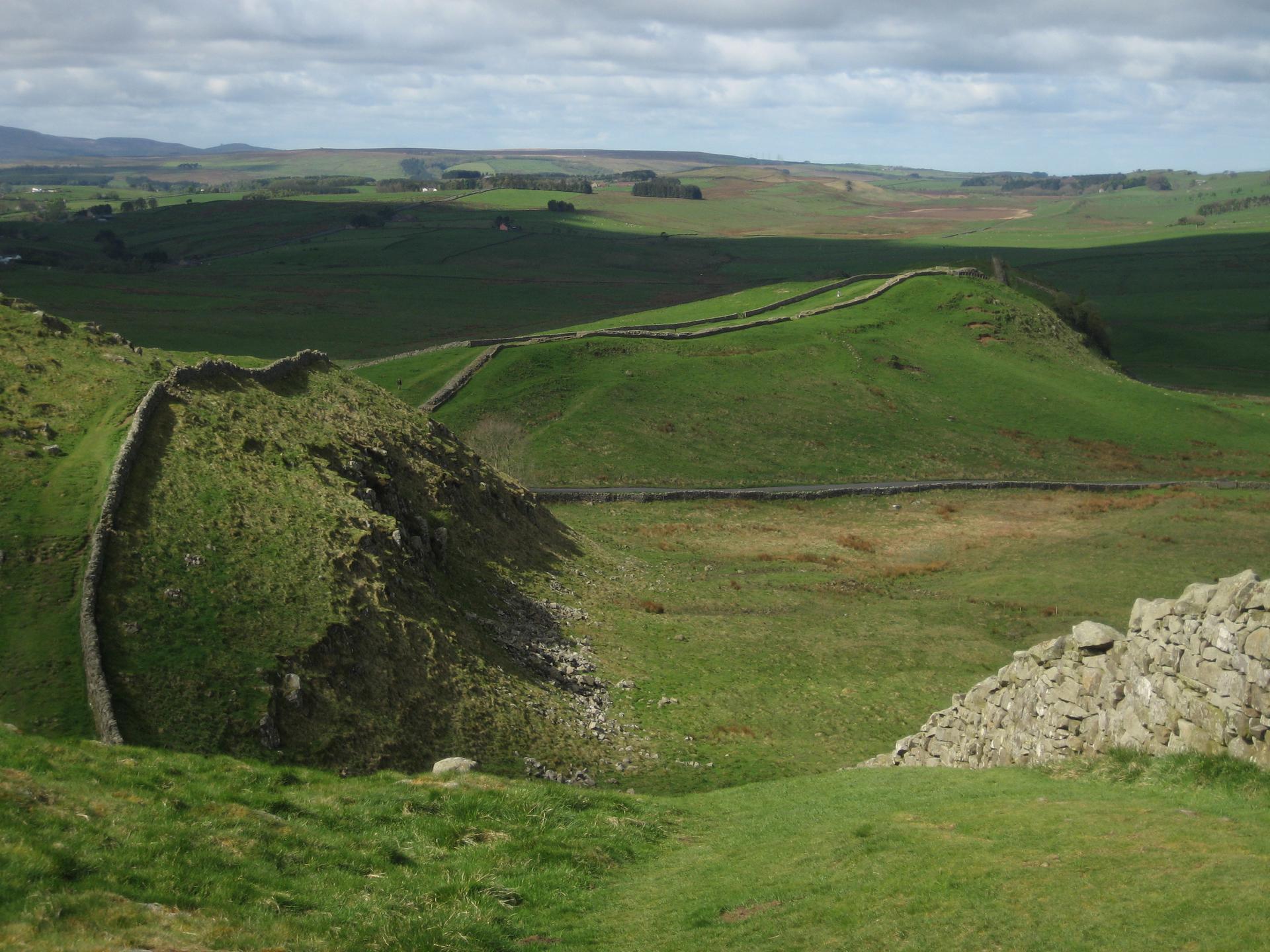
Explore North East England: From Roman Walls to Majestic Cathedrals and Scenic Coastlines, Discover a Region Rich in History and Natural Beauty.
Tell me more about North East England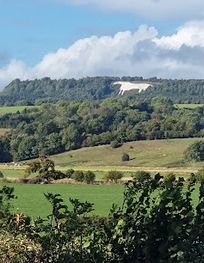
Discover England’s largest and most northerly turf-cut hill figure, the Kilburn White Horse, a striking Victorian landmark set against the stunning North York Moors.
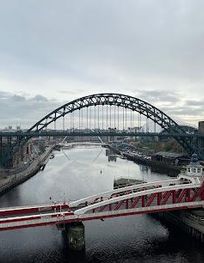
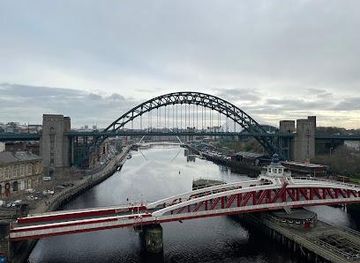
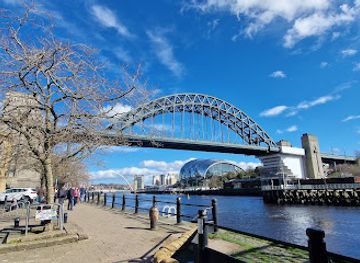
An iconic steel arch bridge spanning the River Tyne, symbolising NewcastleGateshead’s industrial heritage and modern spirit.