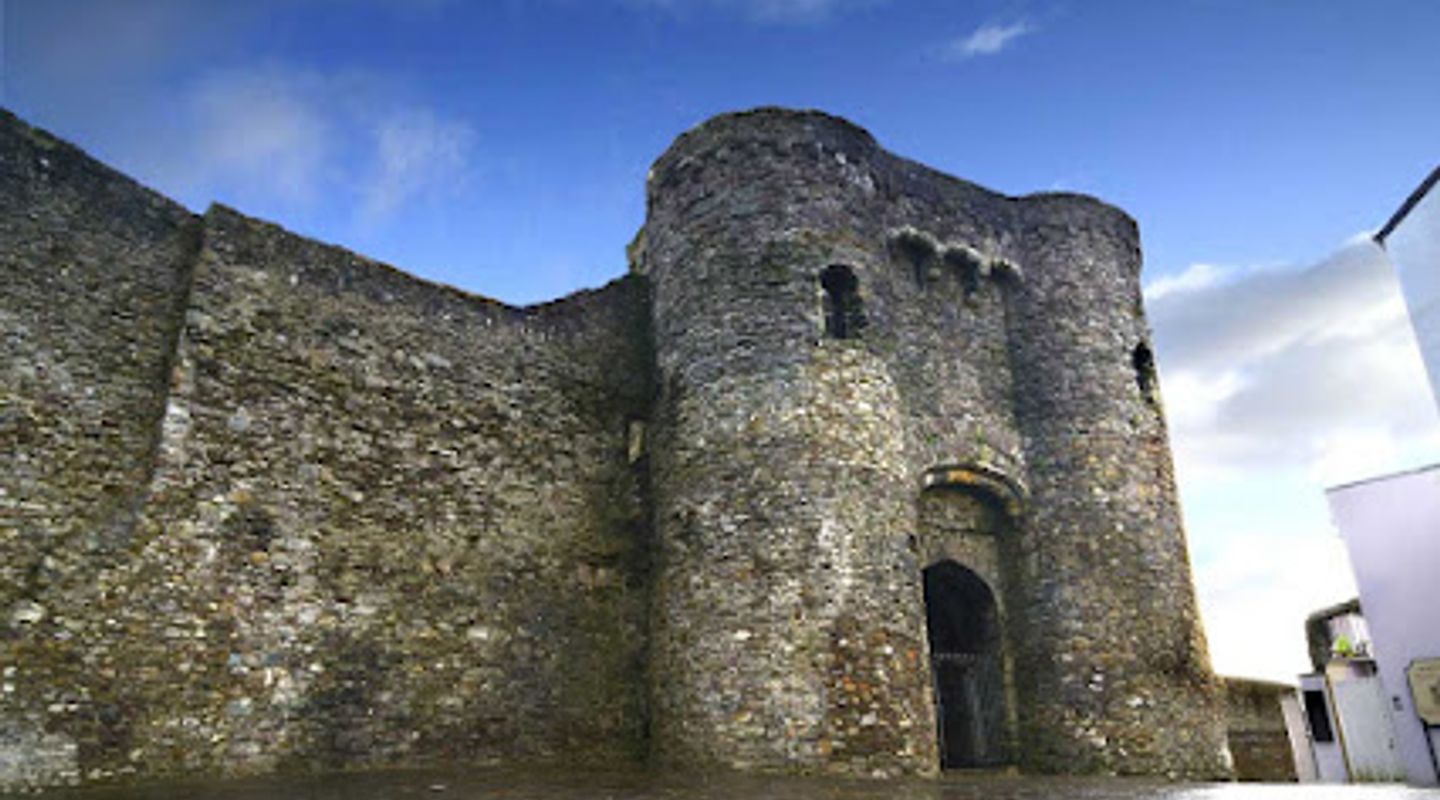
Carmarthen Castle, Dyfed Travel Guide
Explore the evocative medieval ruins of Carmarthen Castle, perched above the River Twyi with sweeping views and rich Welsh history.
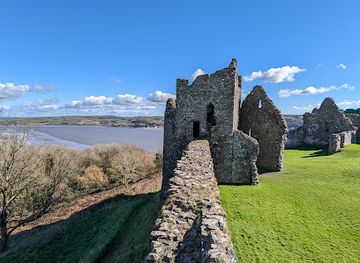
Carmarthen Castle, perched on a rocky eminence in the heart of Carmarthen, Wales, offers visitors a glimpse into medieval history with its evocative ruins and commanding views over the River Twyi. Dating back to the early 1100s and rebuilt in stone in the 1190s, the castle played a significant role in Welsh history, including being captured by Owain Glyndŵr in 1405. The site is free to explore during daylight hours and features informative plaques that bring its past to life.
A brief summary to Carmarthen Castle
- Castle Hill, Carmarthen, SA31 1AD, GB
- Click to display
- Click to display
- Duration: 0.5 to 2 hours
- Free
-
 Outdoor
- Mobile reception: 4 out of 5

Know before you go
Hi, I'm Eve. Here are a few practical things to know before exploring Carmarthen Castle.
- Visit during daylight hours for safety and to fully appreciate the views and ruins.
- Midweek visits are recommended to avoid limited parking challenges.
- Wear sturdy footwear as the terrain is uneven and includes uphill walking.
- Dogs are allowed but must be kept on leads due to livestock grazing.
- Bring a camera to capture atmospheric views, especially at dusk.
Do you manage this location?
Take control to get all the benefits, like improved information, better appearance, and stronger visibility across AI-powered discovery. Learn more about listing your business on Evendo
Activate your presenceOther nearby places you may find interesting
The closest places of the same kind, if this one is not quite what you had in mind.
Explore Carmarthen Castle on the Map
A handpicked selection of must-see spots near Carmarthen Castle, mapped for you.
Getting There
-
Train
From Carmarthen train station, the castle is a 10-15 minute uphill walk through town. The station is well connected to regional rail services. No direct parking at the station; walking shoes recommended.
-
Bus
Local bus services serve Carmarthen town center with stops approximately 1 km from the castle. Buses run regularly but check schedules for weekend and evening service. Walking uphill from the stop is required.
-
Car
Limited parking is available near the castle; midweek visits improve availability. Additional parking can be found in Carmarthen town center with a 10-15 minute walk uphill to the castle. No overnight parking permitted.
For the on-the-go comforts that matter to you
-
 Information Boards
Discover more about Carmarthen Castle
An Enduring Medieval Stronghold
Carmarthen Castle stands as a testament to centuries of Welsh history, originally constructed in the early 12th century and later rebuilt in stone by the late 12th century. Its strategic position atop a rocky outcrop overlooking the River Twyi allowed it to dominate the medieval town below. The castle witnessed pivotal moments, including its capture by the Welsh rebel leader Owain Glyndŵr in 1405 and the death of Edmund Tudor in 1456. Though now largely in ruins, the remaining walls and earthworks evoke the castle's former military strength and significance.Architectural Remnants and Scenic Vistas
Visitors to Carmarthen Castle can explore the atmospheric ruins scattered across the site. The remnants include stone curtain walls and gatehouse foundations that hint at the castle’s original layout. From the elevated vantage points, sweeping views of Carmarthen town and the winding River Twyi unfold, providing excellent photographic opportunities especially in late afternoon light. Informative plaques throughout the grounds offer historical context, enriching the visitor experience.Access and Visitor Experience
The castle grounds are open to the public free of charge during daylight hours, although the site is unstaffed and largely unmanaged. Access involves an uphill walk from the town center, with limited parking nearby, making midweek visits preferable for easier parking. The terrain and ruins may present challenges for those with mobility issues, and visitors should exercise caution around the cliff edges and uneven surfaces. Dogs are welcome but must be kept on leads due to livestock grazing and the site's nature.Historical Significance and Cultural Legacy
Carmarthen Castle’s history is deeply entwined with Welsh national identity and medieval power struggles. Its capture by Owain Glyndŵr marked a symbolic moment in the Welsh uprising against English rule. The castle also served various roles over the centuries, including as a jail and police station, reflecting its ongoing importance to the town’s civic life. Today, it stands as a cultural landmark, inviting reflection on Wales’s turbulent past.Atmosphere and Photographic Appeal
The castle’s ruins exude a quiet, contemplative atmosphere, enhanced by the natural beauty of its elevated setting. The site is particularly atmospheric at dusk, when fading light casts dramatic shadows across the stonework and the town below. Photography enthusiasts will find numerous vantage points to capture the interplay of history and landscape. Drone footage is popular here but must respect local restrictions.Preservation and Local Engagement
Although not managed by major heritage organizations, Carmarthen Castle remains a cherished local landmark. Efforts to maintain access and provide historical information help preserve its legacy. The castle’s presence enriches Carmarthen’s cultural fabric, offering residents and visitors alike a tangible link to the past amid the modern townscape.












Your all‑in‑one travel companion app
Explore expert travel guides, compare and book tours, experiences, hotels, and more—all from the palm of your hand. Download now for seamless trip planning wherever your wanderlust takes you.


Explore More of Dyfed
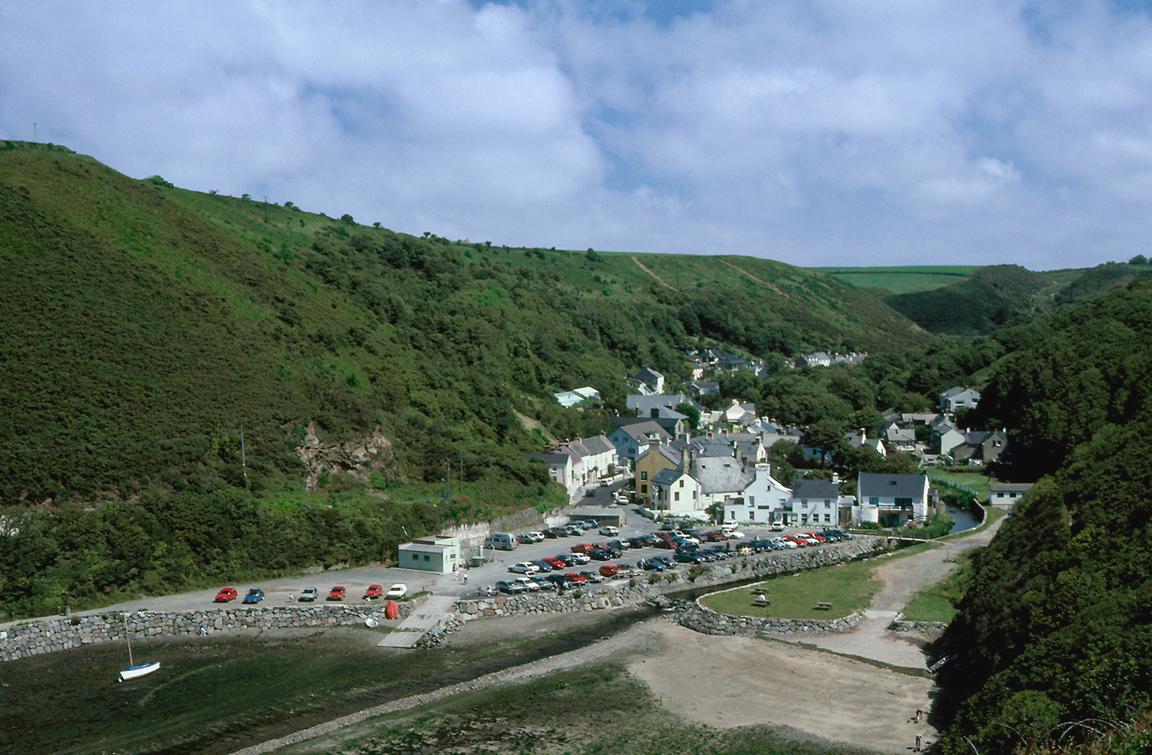
Looking beyond Carmarthen Castle? Discover Dyfed for broader travel guides, local hot-spots, and regional highlights.
Explore Dyfed