
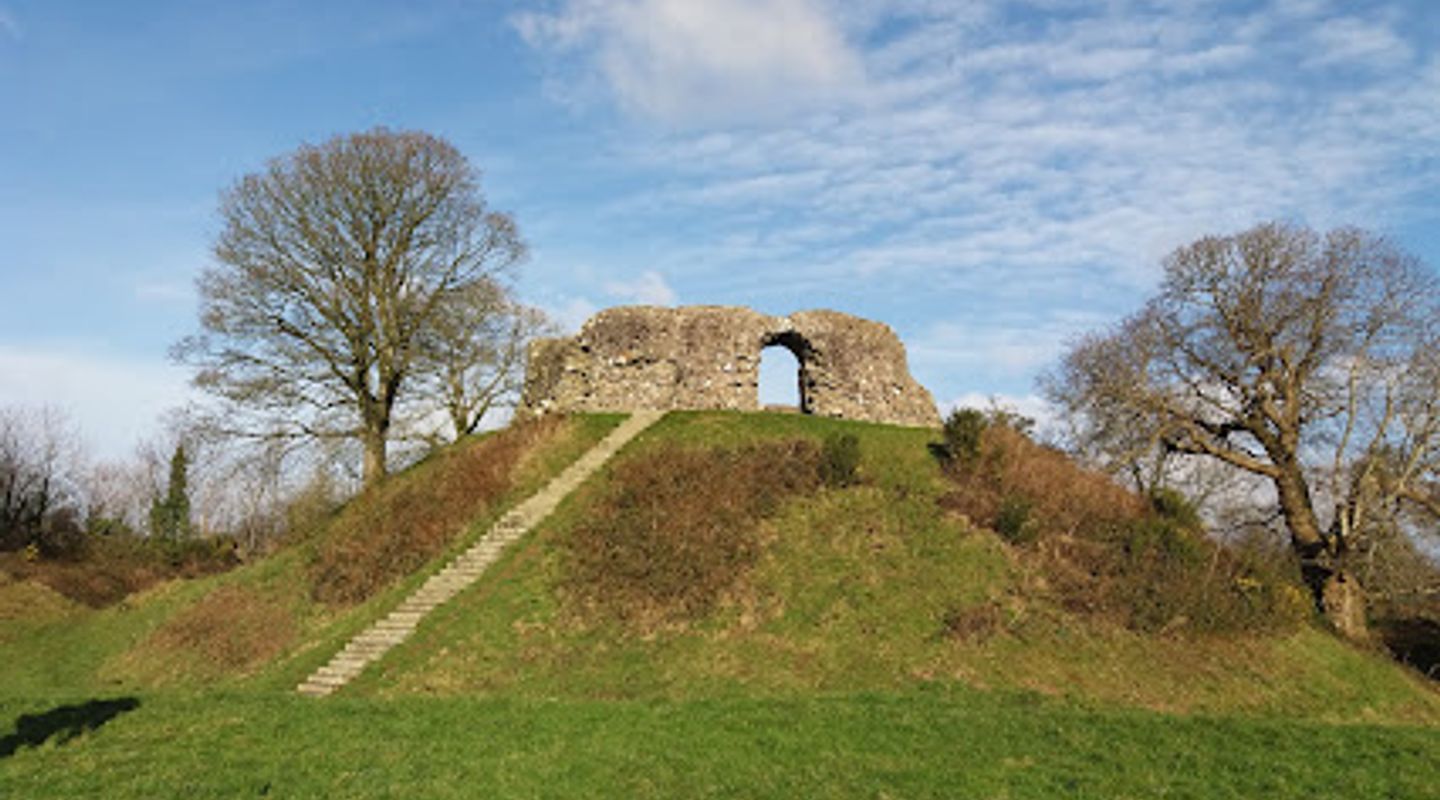
Wiston Castle, Dyfed Travel Guide
Explore Wiston Castle, a well-preserved motte-and-bailey fortress that tells the story of Norman-Flemish settlement and medieval Welsh conflicts.
Wiston Castle, located near Haverfordwest in Pembrokeshire, Wales, is one of the best-preserved motte-and-bailey castles in the region. Founded in the early 12th century by a Flemish settler named Wizo, it played a pivotal role in the Norman colonization and the turbulent Welsh-Norman conflicts. The site features impressive earthworks and stone remains, reflecting its strategic importance on the shifting frontier between Norman and Welsh territories.
A brief summary to Wiston Castle
- 3 Cawdor Terrace, Haverfordwest, Wiston, SA62 4PN, GB
- Duration: 0.5 to 2 hours
- Free
-
 Outdoor
- Mobile reception: 3 out of 5
- Monday 10 am-4 pm
- Tuesday 10 am-4 pm
- Wednesday 10 am-4 pm
- Thursday 10 am-4 pm
- Friday 10 am-4 pm
- Saturday 10 am-4 pm
- Sunday 10 am-4 pm

Know before you go
Hi, I'm Eve. Here are a few practical things to know before exploring Wiston Castle.
- Wear sturdy footwear as the terrain includes uneven earthworks and grassy slopes.
- Bring a camera to capture the impressive motte and surrounding rural panoramas.
- Respect livestock in nearby fields by keeping dogs on leads and maintaining a safe distance.
- Visit during daylight hours between 10am and 4pm for best access and safety.
- Combine your visit with nearby Pembrokeshire attractions for a rich historical itinerary.
Do you manage this location?
Take control to get all the benefits, like improved information, better appearance, and stronger visibility across AI-powered discovery. Learn more about listing your business on Evendo
Activate your presenceOther nearby places you may find interesting
The closest places of the same kind, if this one is not quite what you had in mind.
Explore Wiston Castle on the Map
A handpicked selection of must-see spots near Wiston Castle, mapped for you.
Getting There
-
Car
Driving from Haverfordwest, the castle is approximately 8 km east via minor roads off the A40. The journey takes around 15 minutes. Note there is no designated parking at the site, so plan for roadside parking nearby and a short walk to the castle.
-
Bicycle
Cyclists can reach Wiston Castle via National Cycle Network Route 44, covering about 7 km from Haverfordwest. The route is mostly flat and suitable for moderate cycling skills, with scenic rural views along the way.
-
Bus
Local bus services run from Haverfordwest towards nearby villages, but direct public transport to Wiston Castle is limited. Travelers should check current schedules and consider a taxi or bike for the final 3 km to the site.
-
Walking
For those staying locally in Wiston village, the castle is accessible on foot via a short walk over gentle terrain, taking approximately 10-15 minutes. The path includes some uneven ground and is not fully wheelchair accessible.
For the on-the-go comforts that matter to you
-
 Information Boards
Discover more about Wiston Castle
Origins and Flemish Foundations
Wiston Castle was established in the early 1100s by Wizo, a Flemish colonist who settled in southwestern Wales under the encouragement of King Henry I of England. The castle was built atop an earlier Iron Age enclosed settlement, utilizing the prehistoric earthworks as a defensive foundation. Its large motte—a steep conical earth mound—and expansive bailey likely housed the initial borough of Flemish settlers, symbolizing the assertion of Norman and Flemish authority in the region.A Frontier of Conflict and Control
Situated on the volatile Landsker line, the castle witnessed repeated conflict between the Norman-Flemish settlers and the native Welsh. In 1147 and again in 1193, Welsh forces led by notable figures such as Hywel ab Owain and Hywel Sais captured the castle, only for it to be retaken by the Flemings shortly after. The castle's history reflects the broader struggle for control over Pembrokeshire and the surrounding lands during the 12th and early 13th centuries.Destruction and Decline
In 1220, Llywelyn the Great, prince of Gwynedd, destroyed Wiston Castle and burned the adjacent town, marking the end of its military significance. Historical records note that King Henry III ordered the castle's reconstruction, but no substantial rebuilding occurred. The castle was eventually abandoned by the late 13th century when its owners moved to nearby Picton Castle. Later, during the English Civil War, the site briefly served as a Royalist outpost before being deserted again.Architectural Features and Preservation
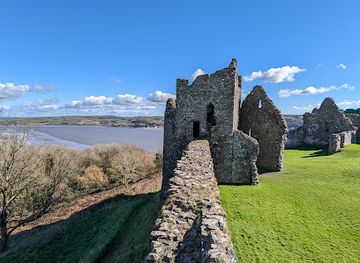
Wiston Castle is a prime example of a motte-and-bailey design, with the motte rising prominently and the bailey enclosing a large area for settlement. The remnants of a stone shell-keep atop the motte survive up to 4 meters high, largely intact except for damage likely caused during Llywelyn's attack. The castle's earthworks remain well preserved, offering visitors a clear impression of medieval defensive architecture and settlement patterns.Visitor Experience and Natural Setting
Today, Wiston Castle sits in a rural landscape marked by fields that may contain livestock, especially in spring and summer. Visitors are advised to keep pets on leads and respect the natural environment. The peaceful surroundings and the castle’s evocative ruins provide a tranquil atmosphere for exploration and reflection on Wales’ complex medieval past.Legacy and Cultural Significance
Wiston Castle stands as a testament to the Norman and Flemish colonization efforts in Wales and the enduring conflicts that shaped the region’s history. Its strategic location and turbulent past encapsulate the dynamic frontier between Welsh and Norman powers during the Middle Ages, making it a site of considerable historical and cultural importance in Pembrokeshire.












Your all‑in‑one travel companion app
Explore expert travel guides, compare and book tours, experiences, hotels, and more—all from the palm of your hand. Download now for seamless trip planning wherever your wanderlust takes you.


Explore More of Dyfed
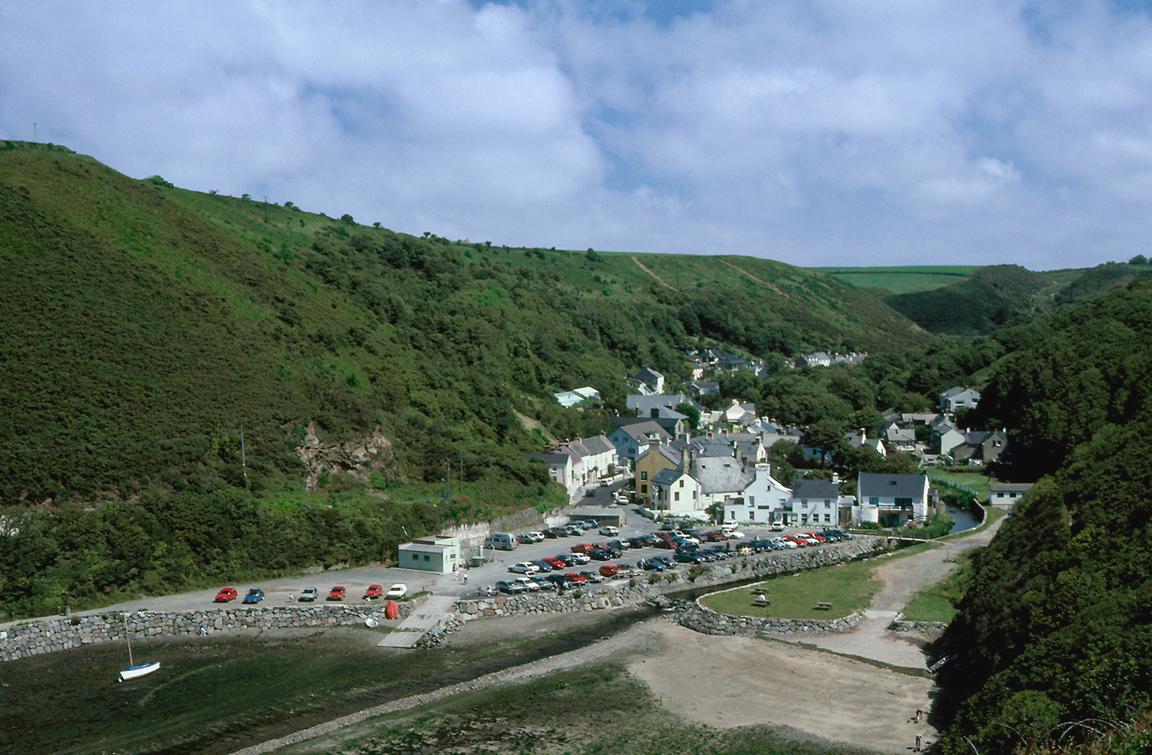
Looking beyond Wiston Castle? Discover Dyfed for broader travel guides, local hot-spots, and regional highlights.
Explore Dyfed
Experience the tranquility and stunning views at Ryan Davies Bridge, a hidden gem in Haverfordwest, perfect for photography and leisurely strolls.

A vibrant family farm adventure with frisbee golf, crazy golf, and playful animal encounters in picturesque Pembrokeshire countryside.
