

Outer Head Travel Guide
Free Guide: Explore Outer Head, the wild limestone island of Worm's Head, where dramatic cliffs, sea caves, and tidal wonders meet ancient history on Gower's rugged coast.


A brief summary of Outer Head
Explore Outer Head, the wild limestone island of Worm's Head, where dramatic cliffs, sea caves, and tidal wonders meet ancient history on Gower's rugged coast.
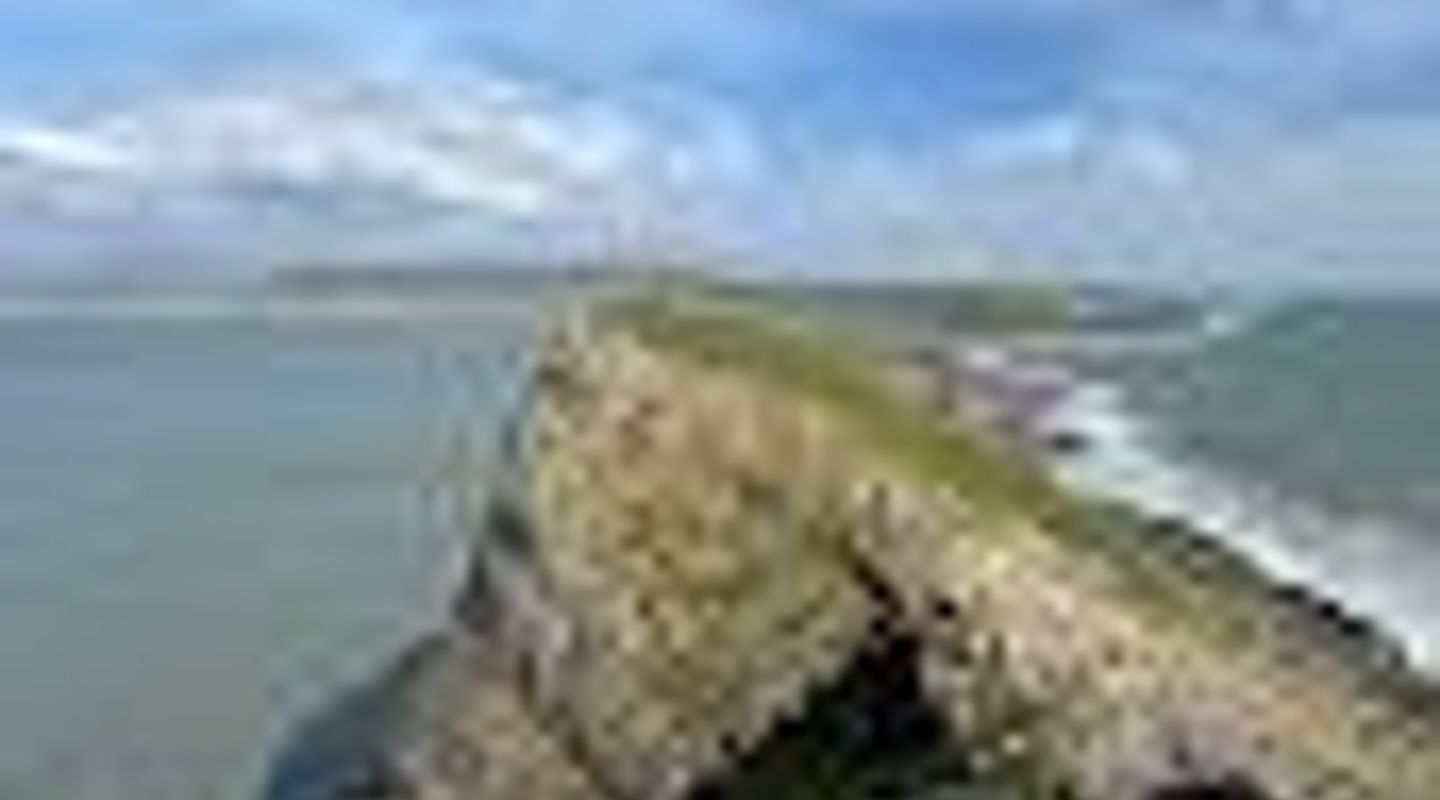
Outer Head is the westernmost island of Worm's Head, a striking limestone promontory on the Gower Peninsula near Swansea, Wales. Known for its dramatic cliffs, sea caves, and the natural rock formation called Devil's Bridge, it offers a rugged coastal landscape rich in geological and archaeological history. Accessible only at low tide via a natural causeway, Outer Head captivates visitors with its wild beauty, tidal phenomena like the blow hole, and panoramic views over Rhossili Bay.
On-site amenities
 Restrooms
 Drink options
 Food options
 Seating areas
 Information boards
 Visitor centre
Opening hours
- Every dayOpen 24 hours
Opening hours as listed on the venue’s Google Business Profile. Hours can change for services and special events, so check with the venue before you go.
- Address
- HM89+35H, Swansea
Getting there
Public Bus
Car
Walking
Discover more about Outer Head
Geological and Natural Marvel of Outer Head
Outer Head forms the furthest westerly tip of Worm's Head, a carboniferous limestone promontory extending about a mile from the Gower Peninsula. This rugged island features towering cliffs that rise abruptly to around 200 feet, carved by millennia of Atlantic wave action. The coastline is punctuated by sea caves, including one with a blow hole where surging waves force water and air upwards, creating a dramatic natural spectacle. The collapsed sea cave known as Devil's Bridge connects parts of the Outer Head, providing a narrow natural rock bridge that adds to the area's unique geological character.
Historical and Archaeological Significance
The Outer Head and surrounding Worm's Head area hold deep archaeological interest. Human remains dating back approximately 8,800 years were discovered in caves here, indicating early Mesolithic occupation. The Iron Age saw the construction of a hillfort on the southern slopes, with visible defensive walls that leveraged the natural cliff defenses on the north side. The name Worm's Head itself derives from the Old English 'wyrm,' meaning sea serpent or dragon, reflecting local folklore and the dramatic shape of the promontory.
Connection to Literature and Local Culture
Worm's Head, including Outer Head, has inspired literary figures such as Dylan Thomas, who described it as a place of elemental mystery and isolation. Thomas and other poets found the wild, windswept landscape evocative, often visiting despite the dangers posed by tides. The area also has maritime legends tied to smuggling and seafaring, enriching its cultural tapestry. Nearby Rhossili village and the Gower coast have long been hubs for visitors drawn to this blend of natural beauty and historical resonance.
Visitor Experience and Natural Environment
Visitors to Outer Head experience a wild coastal environment accessible only during low tide via a rocky causeway. The journey demands careful timing to avoid being stranded by the incoming tide. Once on the island, walkers can explore the dramatic cliffs, caves, and the Devil's Bridge, enjoying sweeping views of Rhossili Bay and the Atlantic Ocean. The area is part of the Gower Area of Outstanding Natural Beauty, with rich biodiversity including heathland and rare species on adjacent Rhossili Down. The natural sounds of crashing waves, seabirds, and the occasional roar from the blow hole create an immersive sensory experience.
Conservation and Access Considerations
Outer Head lies within protected landscapes that emphasize conservation of its geological features and habitats. Access is limited by tidal conditions, and visitors are encouraged to respect the fragile environment. The surrounding Rhossili Down and Cliffs are Sites of Special Scientific Interest and include Scheduled Ancient Monuments, underscoring the importance of preserving both natural and cultural heritage. Facilities such as a National Trust visitor center and public amenities are available in nearby Rhossili village, supporting sustainable tourism.
Scenic Highlights and Photographic Opportunities
The Outer Head offers iconic views of the Gower coastline, including panoramic vistas of Rhossili Bay’s sweeping sandy beach and the distant Lundy Island on clear days. The interplay of limestone cliffs, sea caves, and tidal waters provides striking photographic subjects. The natural rock formations like Devil's Bridge and the blow hole are especially photogenic, while sunsets here are renowned for their vivid colors. The area’s dramatic landscape and atmospheric qualities make it a favored spot for nature lovers, photographers, and those seeking a connection with Wales’ coastal heritage.
Evendo Review Centre
 Google
Guest reviews
Best time to go
Quietest: Jan, Feb & Dec · at 1am or at 2am or at 3am
Busy times are Evendo estimates for a typical year, to help you plan. Actual crowds vary with events, school holidays and the weather.
Explore Outer Head on the map
A handpicked selection of must-see spots near Outer Head, mapped for you.
Get your free copy of our complete guide to Outer Head, delivered straight to you.
Everything on this page, from opening hours and how to get there to Eve’s tips and the best time to go, in one PDF you can read offline, print or share.
Already have an account? Sign in
Your Outer Head guide is ready.
We'll send it to · Not you? Sign out

Getting your guide ready…
We are putting together a fresh copy of the Outer Head guide. This can take up to a minute.
This can take a few moments. If your browser asks, choose Allow so the download can start. You'll find the guide in your Downloads folder.
Nothing happened? Download it again
Sorry, the guide is taking longer than usual. Please try again in a minute, or get it by email instead.
Other nearby places you may find interesting
The closest places of the same kind, if this one is not quite what you had in mind.
-
-
-
-
-


Swipe for more places
More to explore near Outer Head

 Best experiences near Outer Head
 Best hotels near Outer Head
 Best landmarks near Outer Head
 Best attractions near Outer Head
 Best shops near Outer Head
 Best restaurants near Outer Head
 Best bars near Outer Head
Do you manage this location?
Take control to get all the benefits, like improved information, better appearance, and stronger visibility across AI-powered discovery.
Explore more
Explore more of Dyfed
Experience the natural beauty and rich history of Dyfed, Wales, where coastal charm meets cultural heritage in a breathtaking setting.
Explore Dyfed
Explore more of United Kingdom
Discover the United Kingdom: A blend of rich history, stunning landscapes, and vibrant cities, offering a unique travel experience for every visitor.
Explore United Kingdom
