Inchcolm Abbey, Edinburgh Travel Guide
Explore Inchcolm Abbey, Scotland’s best-preserved medieval monastery on a tranquil island rich in history, wildlife, and stunning coastal views.
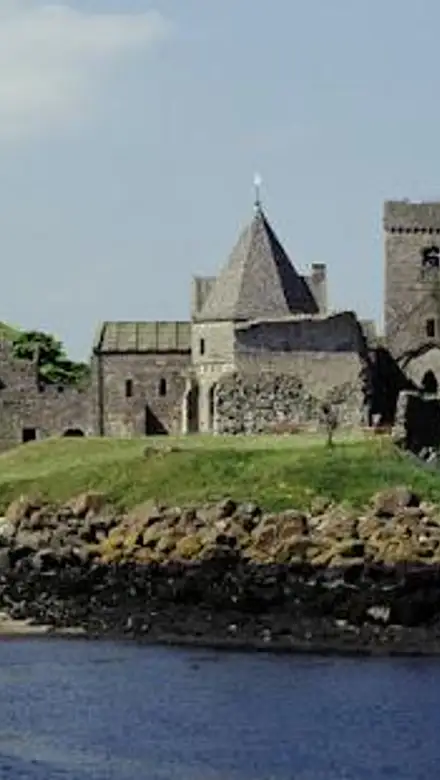
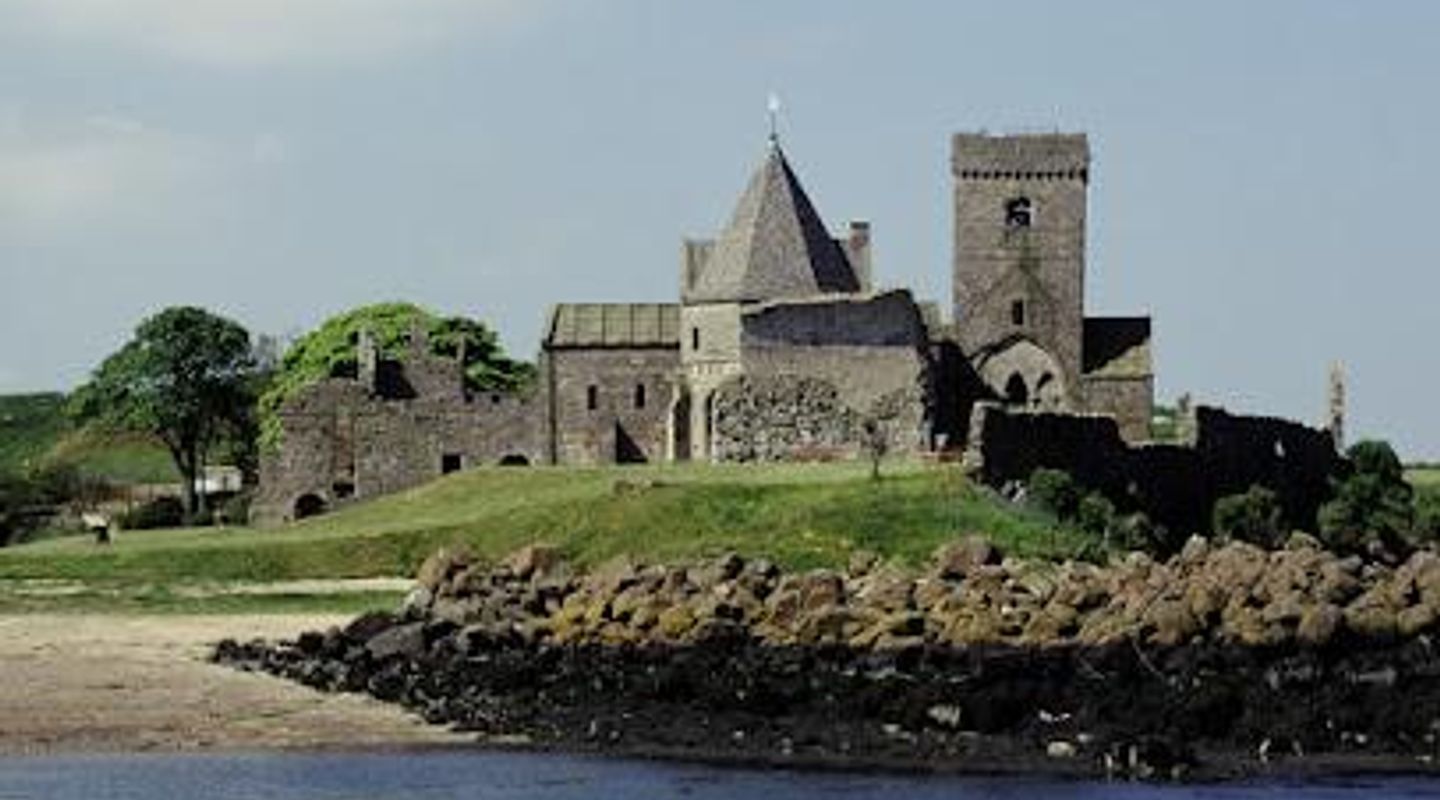
Inchcolm Abbey, located on Inchcolm Island in the Firth of Forth near Aberdour, is Scotland’s best-preserved medieval monastery dating back to the 12th century. Accessible only by boat, this atmospheric island offers stunning views of the Forth Bridges, rich history from medieval monastic life to World War fortifications, and abundant wildlife including seals and seabirds. Visitors explore remarkably intact cloisters, rare medieval frescoes, and wartime defenses amid tranquil beach settings.
A brief summary to Inchcolm Abbey
- Aberdour, GB
- Click to display
- Click to display
- Duration: 1 to 3 hours
- Mid ranged
-
 Outdoor
- Mobile reception: 3 out of 5

Know before you go
Hi, I'm Eve. Here are a few practical things to know before exploring Inchcolm Abbey.
- Book ferry tickets in advance through Maid of the Forth or Forth Boat Tours, as access to the island is only by boat.
- Bring a picnic since there are no food or drink facilities on the island, and enjoy the peaceful beach and picnic areas.
- Wear sturdy footwear to navigate uneven terrain and steep paths around the abbey and island.
- Avoid visiting in May when seabird breeding causes restricted access and large gull colonies.
Do you manage this location?
Take control to get all the benefits, like improved information, better appearance, and stronger visibility across AI-powered discovery. Learn more about listing your business on Evendo
Activate your presenceOther nearby places you may find interesting
The closest places of the same kind, if this one is not quite what you had in mind.
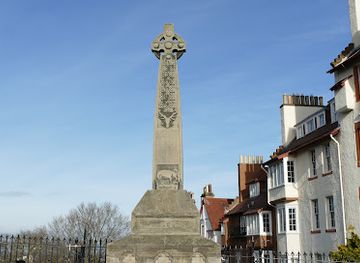
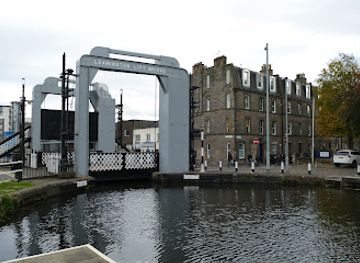
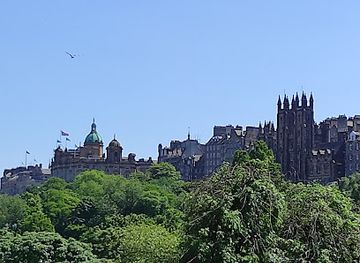
Explore Inchcolm Abbey on the Map
A handpicked selection of must-see spots near Inchcolm Abbey, mapped for you.
Unlock the Best of Inchcolm Abbey
Buy tickets
-
No tickets available
Book tours with entry
-
No tours available
Book tours without entry

Getting There
-
Ferry
Take a passenger ferry from South Queensferry to Inchcolm Island, operated by Maid of the Forth or Forth Boat Tours. The journey takes approximately 25 minutes. Tickets must be purchased in advance, costing around £6-£10 for the ferry. Boarding involves narrow gangways and stone steps at the pier, which may be challenging for some visitors.
-
Train and Walk
From Edinburgh Waverley Station, take a ScotRail train to Dalmeny Station (about 15 minutes). From Dalmeny, it is a 20-minute walk to the ferry terminal at South Queensferry. Trains run frequently, and this option suits those using public transport. Walking involves urban pavements and is accessible for most travelers.
-
Car
Drive from Edinburgh via the A90 and M90, crossing the Forth Road Bridge to South Queensferry. On-street parking is available near the ferry terminal. The ferry is the only way to access the island. Driving time is approximately 30–45 minutes depending on traffic. Note that private boats are not permitted to land at the island.
For the on-the-go comforts that matter to you
-
 Restrooms
-
 Information Boards
-
 Seating Areas
-
 Picnic Areas
-
 Trash Bins
Discover more about Inchcolm Abbey
Historic Roots and Monastic Heritage
Inchcolm Abbey was founded in the 12th century by King David I as an Augustinian priory and elevated to abbey status in 1235. The island’s name means 'Colm’s Isle,' named after Saint Columba. The abbey complex is the most complete surviving medieval monastic site in Scotland, with well-preserved cloisters, chapter house, dormitory, and a bell tower featuring rare medieval stone screens. A 13th-century fresco and other medieval wall paintings add to the abbey’s unique historical significance. The abbey escaped destruction during the Scottish Reformation, allowing visitors today to experience a tangible connection to medieval religious life.Island Setting and Natural Beauty
Set in the Firth of Forth, Inchcolm Island is a small, peaceful haven with beautiful beaches and scenic views, especially of the iconic Forth Bridges. The island’s tranquil atmosphere is complemented by abundant wildlife, including colonies of grey seals, puffins in spring, and various seabirds. The island’s coastline and relaxed beaches offer perfect spots for picnics and nature observation, making it a refreshing escape from urban life.Wartime Legacy and Coastal Defenses
Beyond its medieval heritage, Inchcolm Island played a strategic defensive role during the Napoleonic Wars and both World Wars. Visitors can explore remnants of coastal fortifications and gun placements built to protect the Rosyth naval base, the Forth Bridge, and Edinburgh. These wartime structures add a compelling layer to the island’s history, contrasting with the peaceful monastic ruins.Visitor Experience and Accessibility
Access to Inchcolm Abbey is exclusively by ferry from South Queensferry, with two main operators providing regular sailings. The abbey and island are open seasonally from April to October, with conservation-related closures in winter and some restricted areas during seabird breeding season. The site offers accessible facilities on the ground floor, but upper floors and some steep paths may be challenging for visitors with mobility issues. There are no food or drink services on the island, so bringing a picnic is recommended.Exploration Highlights and Tips
Visitors are encouraged to explore beyond the abbey to discover the island’s hermit’s cell, wartime defenses, and wildlife habitats. The ferry journey itself is a highlight, passing under the Forth Rail Bridge and offering spectacular views. Comfortable footwear is advised due to uneven terrain. The island’s peaceful ambiance and rich history make it ideal for cultural heritage enthusiasts, nature lovers, and photographers.Conservation and Future Prospects
Historic Environment Scotland manages Inchcolm Abbey, undertaking ongoing conservation to preserve its medieval structures and natural environment. Visitor access to sensitive areas like the walled garden and hermit’s cell is occasionally restricted to protect wildlife and heritage. The site remains a vital link to Scotland’s past and a serene destination for those seeking history, nature, and scenic beauty.












Your all‑in‑one travel companion app
Explore expert travel guides, compare and book tours, experiences, hotels, and more—all from the palm of your hand. Download now for seamless trip planning wherever your wanderlust takes you.


Explore More of Edinburgh
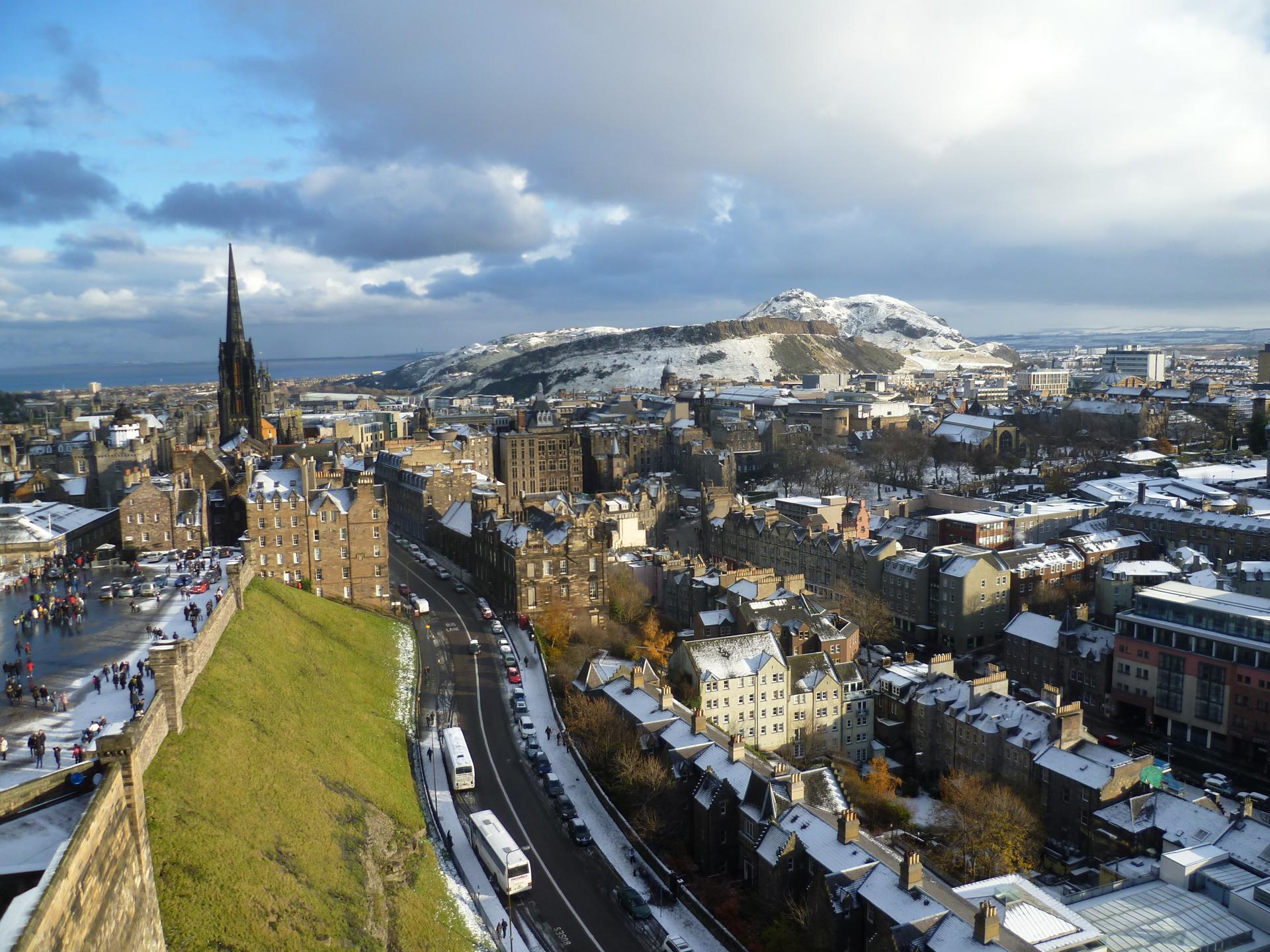
Looking beyond Inchcolm Abbey? Discover Edinburgh for broader travel guides, local hot-spots, and regional highlights.
Explore Edinburgh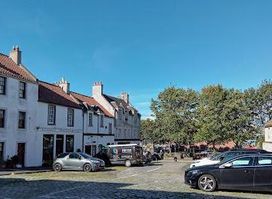
Historic Fishmarket Square in Newhaven, Edinburgh, where maritime heritage meets vibrant community life by the Firth of Forth.
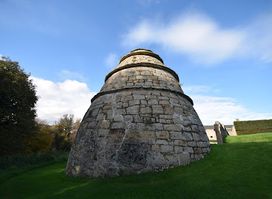
Explore one of Scotland’s oldest castles with stunning terraced gardens, historic architecture, and panoramic views over the Firth of Forth.