

St. Patrick, Edinburgh Travel Guide
Discover St Patrick's Church, a historic Catholic sanctuary in Edinburgh’s Old Town blending rich heritage, art, and community spirit.
St Patrick's Church in Edinburgh's Old Town is a historic Catholic church originally built between 1771 and 1774 as an Episcopalian chapel. Known locally as the 'English Chapel,' it became a Catholic church in 1856, serving the Irish immigrant community in the Cowgate area. The church features a Roman-style triumphal arch facade added in 1929 and houses notable artworks including remnants of Alexander Runciman's religious paintings. It remains a vibrant place of worship and cultural heritage.
A brief summary to St. Patrick
- 5, 40 S Gray's Cl, High St, Edinburgh, EH1 1TQ, GB
- Click to display
- Click to display
- Duration: 0.5 to 1.5 hours
- Free
-
 Indoor
- Mobile reception: 4 out of 5
- Monday 8 am-7 pm
- Tuesday 8 am-7 pm
- Wednesday 8 am-7 pm
- Thursday 8 am-7 pm
- Friday 8 am-7 pm
- Saturday 8 am-7 pm
- Sunday 8 am-6 pm

Know before you go
Hi, I'm Eve. Here are a few practical things to know before exploring St. Patrick.
- Visit during weekday mornings or early afternoons to enjoy a quieter atmosphere for reflection and photography.
- Explore the side chapel dedicated to Margaret Sinclair, a local figure on the path to sainthood.
- Look for remnants of Alexander Runciman’s paintings inside, a rare glimpse of pre-Reformation religious art in Scotland.
- Attend a Sunday service to experience the church’s vibrant community and traditional Catholic worship.
- Take time to enjoy the garden and forecourt area, a peaceful spot amid the lively Old Town surroundings.
Do you manage this location?
Take control to get all the benefits, like improved information, better appearance, and stronger visibility across AI-powered discovery. Learn more about listing your business on Evendo
Activate your presenceOther nearby places you may find interesting
The closest places of the same kind, if this one is not quite what you had in mind.
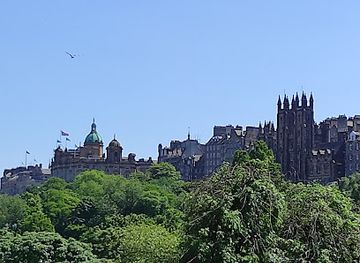
Explore St. Patrick on the Map
A handpicked selection of must-see spots near St. Patrick, mapped for you.
Getting There
-
Bus
Take Lothian Buses routes 3, 35, or 36 from Edinburgh city center to the High Street area near South Gray's Close. The journey typically takes 10 to 15 minutes. Buses run frequently throughout the day, with single fares around £1.80 GBP. Note that the area has narrow streets, so alighting at nearby stops and walking a few minutes is recommended.
-
Tram and Walk
Use the Edinburgh Trams to Princes Street stop, then walk approximately 15 minutes east along Princes Street and through the Old Town to reach St Patrick's Church. The tram ride from the airport or city center takes about 25 minutes, with tickets costing around £6.50 GBP. The walk involves cobbled streets and slight inclines.
-
Taxi
A taxi from Edinburgh city center to St Patrick's Church takes roughly 5 to 10 minutes depending on traffic. Estimated fare ranges from £6 to £10 GBP. Taxis offer door-to-door convenience, especially suitable for visitors with mobility concerns or carrying luggage.
-
Walking
If staying nearby in Edinburgh’s Old Town, walking to St Patrick's Church is straightforward and takes about 10 to 20 minutes depending on your starting point. The route includes historic cobbled streets and some uneven surfaces, so comfortable footwear is advised.
For the on-the-go comforts that matter to you
-
 Restrooms
-
 Seating Areas
-
 Information Boards
Discover more about St. Patrick
Origins and Architectural Beginnings
St Patrick's Church was constructed between 1771 and 1774, designed by John Baxter as an Episcopalian chapel, reflecting the Scottish Episcopal Church's presence in a predominantly Protestant Scotland. The building was funded by public subscription, a considerable sum at the time, and was locally known as the 'English Chapel' due to its Anglican-style worship distinct from the Presbyterian Church of Scotland. Originally, the altar was located in an eastern apse adorned with a significant religious painting, 'The Ascension,' by Alexander Runciman, marking one of Scotland's earliest major public religious artworks since the Reformation.Transformation into a Catholic Church
In 1856, the building was purchased to serve Edinburgh's growing Irish Catholic community in the Cowgate area, an enclave known as 'Little Ireland.' Renamed St Patrick's, the church underwent changes to accommodate Catholic liturgical practices, including relocating the altar to the northern side under architect James Graham Fairley by the 1890s. This period also saw expansion of seating to support a burgeoning congregation. The facade visible today, featuring a Roman-style triumphal arch opening onto a garden and forecourt, was added in 1929, enhancing the church's prominence on High Street.Artistic Heritage and Restoration Efforts
The church retains fragments of Runciman's subsidiary paintings despite the original Ascension painting being painted over in 1818 when the building was briefly Presbyterian. Recent conservation efforts aim to restore these historic artworks, peeling back layers of paint to reveal the original 18th-century religious imagery. This artistic heritage underscores St Patrick's significance not only as a place of worship but also as a custodian of Scotland's religious art history.Community and Cultural Significance
St Patrick's has long been a focal point for Edinburgh's Irish Catholic community. It is closely linked with the social history of the area, including the founding of the Hibernian Football Club in 1875 by a church member to provide social opportunities for local Catholic youth. The church also honors Margaret Sinclair, a former congregant who was venerated by Pope Paul VI, with a dedicated side chapel. This blend of spiritual, cultural, and social roles highlights the church's enduring importance within the city.Atmosphere and Visitor Experience
Visitors to St Patrick's encounter a tranquil and historically rich atmosphere within Edinburgh's bustling Old Town. The church's blend of historic architecture, artistic treasures, and community stories offers a unique insight into Edinburgh's religious and cultural tapestry. The garden and forecourt provide a peaceful setting for reflection, while the interior's preserved features invite contemplation of centuries of faith and artistry.Ongoing Role and Accessibility
Today, St Patrick's remains an active Catholic parish, welcoming worshippers and visitors alike. It operates regular services throughout the week, maintaining its role as a spiritual hub. Its central location on High Street makes it accessible within Edinburgh's Old Town, offering an enriching experience for those interested in history, architecture, and religious heritage.












Your all‑in‑one travel companion app
Explore expert travel guides, compare and book tours, experiences, hotels, and more—all from the palm of your hand. Download now for seamless trip planning wherever your wanderlust takes you.


Explore More of Edinburgh
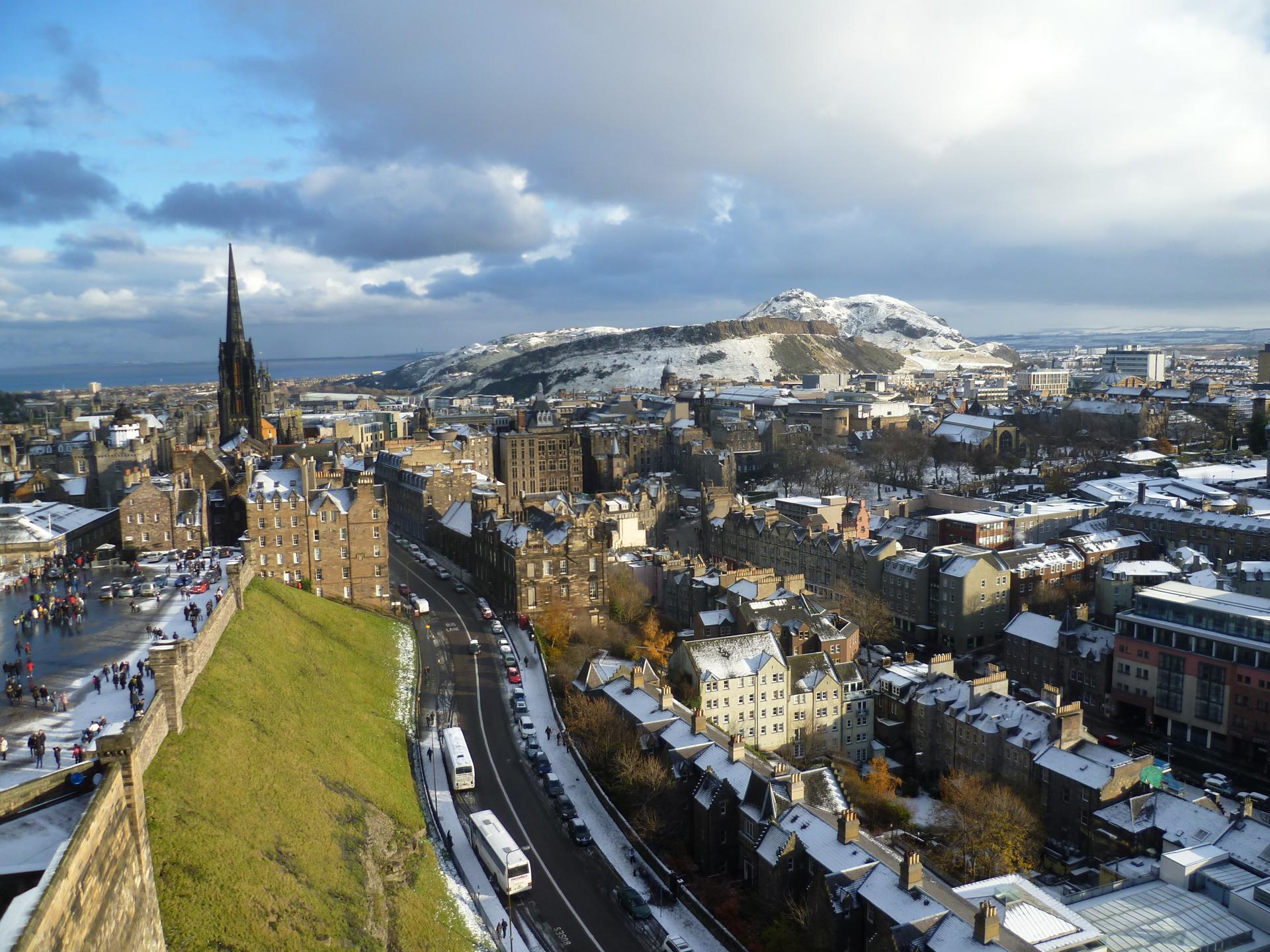
Looking beyond St. Patrick? Discover Edinburgh for broader travel guides, local hot-spots, and regional highlights.
Explore Edinburgh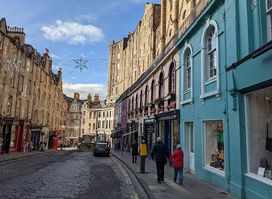
Discover Edinburgh’s rich history and culture through engaging French-language guided walking tours in the heart of the Old Town.
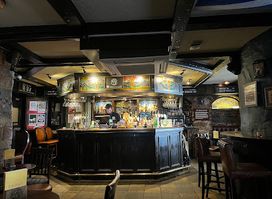
A snug, centuries‑stitched Royal Mile pub where Flodden Wall stone, local ales and hearty Scottish plates meet old‑town atmosphere.
