
Ewenny Priory, Glamorgan Travel Guide
Discover Ewenny Priory, a uniquely fortified Norman monastery blending sacred history with medieval military might in scenic South Wales.
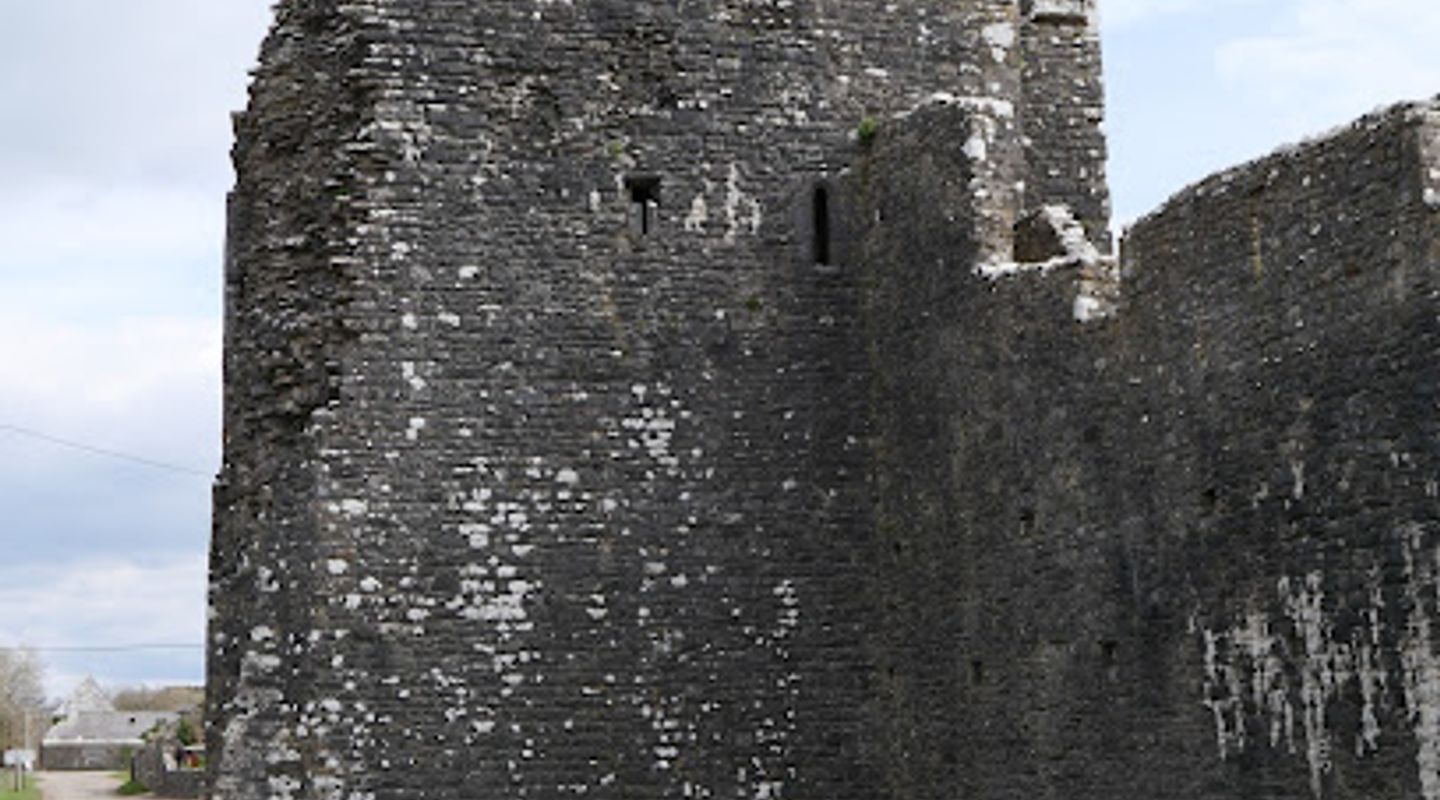
Ewenny Priory, founded in 1141 by Maurice de Londres, is one of Wales’s finest examples of Norman Romanesque architecture. This Benedictine monastery uniquely combines religious function with military-style fortifications, reflecting its dual role as a priory and a defensive stronghold. The priory church remains an active parish church, while the surrounding estate includes a Georgian mansion still owned by the Turbervill family. Visitors can explore its historic walls, gatehouses, and the rare surviving Romanesque wall paintings.
A brief summary to Ewenny Priory
- Abbey Rd, Bridgend, CF35 5BW, GB
- Click to display
- Duration: 1 to 3 hours
- Free
-
 Outdoor
- Mobile reception: 4 out of 5
- Monday 10 am-4 pm
- Tuesday 10 am-4 pm
- Wednesday 10 am-4 pm
- Thursday 10 am-4 pm
- Friday 10 am-4 pm
- Saturday 10 am-4 pm
- Sunday 10 am-4 pm

Know before you go
Hi, I'm Eve. Here are a few practical things to know before exploring Ewenny Priory.
- Respect the privacy of Ewenny Priory House residents; the house is private and not open for public tours.
- Wear sturdy footwear as some paths and the graveyard area have uneven surfaces and steps.
- Visit during opening hours from 10am to 4pm for access to the priory church and grounds.
- Look for the rare 12th-century Romanesque wall painting inside the presbytery, a highlight for history enthusiasts.
- Photography is encouraged, but please avoid climbing on the stonework and respect all signage.
Do you manage this location?
Take control to get all the benefits, like improved information, better appearance, and stronger visibility across AI-powered discovery. Learn more about listing your business on Evendo
Activate your presenceOther nearby places you may find interesting
The closest places of the same kind, if this one is not quite what you had in mind.
Explore Ewenny Priory on the Map
A handpicked selection of must-see spots near Ewenny Priory, mapped for you.
Getting There
-
Train and Taxi
From Bridgend railway station, take a taxi for the approximately 10-minute journey (around 3.4 km) to Ewenny Priory. Taxi fares typically range from £8 to £15. The station is well connected with frequent services from Cardiff and other major Welsh cities.
-
Car
Driving from Bridgend town center takes about 10 minutes via local roads. Parking is limited to seven spaces at the priory, with no dedicated disabled parking. Expect to pay standard UK road tolls if applicable, but there is no entrance fee for the priory grounds.
-
Bus and Walking
Local bus services run from Bridgend to Ewenny village; from the nearest bus stop, it’s a 15-minute walk on level terrain to the priory. Walking routes are accessible but may include narrow lanes without pavements, so exercise caution.
For the on-the-go comforts that matter to you
-
 Restrooms
-
 Seating Areas
-
 Information Boards
-
 Parking
Discover more about Ewenny Priory
Founding and Historical Context of Ewenny Priory
Ewenny Priory was established in 1141 by Maurice de Londres, a Norman lord who granted the church of St Michael to the Benedictine Abbey of St Peter in Gloucester to form a monastic community. The site had earlier been home to a Celtic church dedicated to the Welsh saint Eguenni, with origins recorded in the 12th-century Book of Llandaff. The priory’s foundation was partly influenced by a papal decree that halted Maurice’s initial plans to build a castle on the site, compelling him instead to establish a religious institution. Over time, Ewenny Priory evolved into a fortified complex, unusual for a monastery, reflecting the turbulent political landscape of medieval South Wales.Architectural Significance and Norman Romanesque Features
The priory church is celebrated as one of the finest surviving Norman Romanesque ecclesiastical buildings in Wales. Its cruciform plan includes a nave with original rounded arches and barrel vaulting, a presbytery, and deep transepts. Notably, it houses what is believed to be the only surviving Romanesque wall painting in Wales, located in the presbytery. The nave remains in use as the local parish church, featuring a modern 20th-century glass screen by Alexander Beleschenko that separates the active worship area from the unused eastern sections. The complex also includes imposing defensive structures such as two gatehouses, three towers, and curtain walls, which have been interpreted as both practical fortifications and symbolic displays of power.The Priory’s Defensive Role and Military Architecture
Unlike typical monastic sites, Ewenny Priory was heavily fortified, forming part of a Norman defensive line alongside nearby castles at Ogmore, Coity, and Newcastle. Its robust walls and gatehouses suggest a dual purpose: religious sanctuary and military stronghold. Historical records indicate that the priory housed a small monastic community alongside a detachment of men-at-arms. The fortifications were likely intended to assert Norman dominance and protect strategic river crossings. The site’s military significance persisted into the 15th century, when it served as a base for King Henry IV during campaigns against Welsh uprisings.Post-Dissolution Use and the Turbervill Family Legacy
Following the Dissolution of the Monasteries in 1536, Ewenny Priory was leased and later purchased by Sir Edward Carne, a prominent lawyer and diplomat. Carne transformed parts of the priory into a private residence, incorporating medieval structures into an Elizabethan house that was later replaced by the current Georgian mansion built in the early 19th century by Richard Turbervill Picton. The mansion and its gardens remain privately owned by the Turbervill family, who operate the house as a wedding venue. The priory church and much of the monastic complex are now maintained by Cadw, Wales’s historic environment service.Visitor Experience and Preservation
Visitors to Ewenny Priory can explore the church’s Norman architecture, including its distinctive arches and rare wall paintings, as well as the impressive defensive walls and gatehouses. The site offers a tranquil rural setting near Bridgend, with the priory church still serving as a parish church. The grounds include uneven terrain and some areas with steps, requiring careful navigation. The estate’s Georgian mansion is not open to the public but contributes to the historic atmosphere. Cadw manages the site with attention to preservation, ensuring that the priory’s unique blend of religious and military heritage remains accessible and protected for future generations.Artistic and Cultural Connections
Ewenny Priory has inspired artists and historians alike, notably the renowned painter J.M.W. Turner, who depicted the priory in 1797 during his tour of Wales. The site’s rich history, architectural integrity, and layered narratives of faith, power, and conflict make it a compelling destination for those interested in medieval history, Norman architecture, and Welsh heritage. Archival photographs and records, including those by Edwin Miles, document the priory’s evolution and enduring significance within the Vale of Glamorgan.












Your all‑in‑one travel companion app
Explore expert travel guides, compare and book tours, experiences, hotels, and more—all from the palm of your hand. Download now for seamless trip planning wherever your wanderlust takes you.


Explore More of Glamorgan
Looking beyond Ewenny Priory? Discover Glamorgan for broader travel guides, local hot-spots, and regional highlights.
Explore Glamorgan
Explore Margam Country Park’s historic castle, vast gardens, free-roaming deer, and family-friendly trails across 1,000 acres of Welsh heritage and natural beauty.
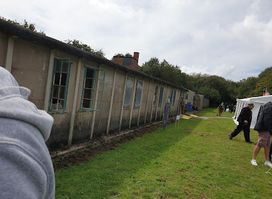
Explore the preserved Hut 9 at Island Farm, the site of Britain’s largest WWII German POW escape and a unique window into wartime history.
