

Free Glamorgan Travel Guide & Mobile App
Explore Glamorgan with free travel guides. Discover regional history, expert tips, proposed trips, and audio guides on web or mobile app.


Explore Glamorgan: A captivating blend of historic castles, stunning coastlines, and vibrant Welsh culture, perfect for a memorable escape in the heart of Wales.
Read more about Glamorgan
When is the best time to visit Glamorgan?
Best: June–August · 20–22°C| Month | High (°C) | Rainfall (mm) |
|---|---|---|
| January | 8 | 71 |
| February | 8 | 60 |
| March | 11 | 65 |
| April | 13 | 55 |
| May | 17 | 50 |
| June (best) | 20 | 45 |
| July (best) | 22 | 50 |
| August (best) | 22 | 55 |
| September | 19 | 60 |
| October | 15 | 70 |
| November | 11 | 75 |
| December | 8 | 80 |
Getting to and around Glamorgan
How to get there
Transportation
Top city travel guides in Glamorgan
The cities of Glamorgan, and the easiest places to base yourself.

Swipe for more cities
Destinations in Glamorgan
Resorts, valleys and scenic spots worth a trip of their own.

Swipe for more destinations
Best attractions in Glamorgan
Glamorgan, a captivating blend of rich history and natural beauty, offers visitors an array of attractions that promise a memorable experience. Marvel at the grandeur of Cardiff Castle, a medieval fortress with Victorian Gothic interiors, or wander through the serene grounds of St Fagans National Museum of History, where traditional Welsh life is vividly brought to life. For nature enthusiasts, the stunning coastline along the Glamorgan Heritage Coast, with its dramatic cliffs and secluded beaches, provides perfect opportunities for scenic walks and wildlife spotting. Explore the lush landscapes of Brecon Beacons National Park, ideal for hiking and outdoor adventures, or immerse yourself in the vibrant arts and culture scene in the bustling city of Cardiff, home to the National Museum Cardiff and the iconic Millennium Centre. Whether you are delving into the past at the Rhondda Heritage Park, enjoying the tranquil beauty of Dyffryn Gardens, or experiencing the thrill of water sports at Barry Island, Glamorgan offers a diverse and enchanting array of attractions for every traveler.
-
Castle
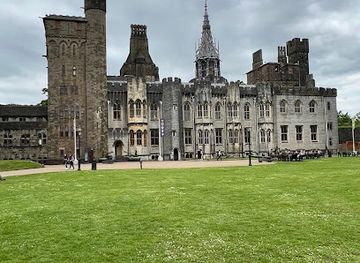
Cardiff Castle
Discover Cardiff Castle, where nearly 2,000 years of history meet Victorian grandeur in the vibrant heart of Wales’ capital.
-
History museum
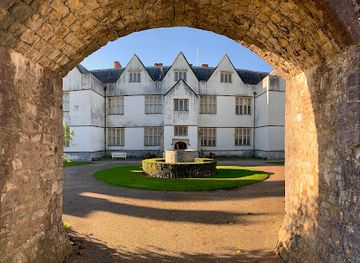
St. Fagans National Museum of History
Explore Wales’ rich history through immersive buildings, crafts, gardens, and culture at this leading open-air museum near Cardiff.
-
Shopping outlet
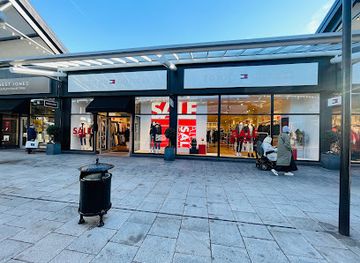
Designer Outlet Bridgend
A relaxed, village-style designer outlet near Bridgend with over 80 brands, discounts up to 60% off, and family-friendly facilities in a pleasant open-air setting.
-
 National museum
National Museum Cardiff
Explore Wales’s rich heritage through world-class art, natural history, and geology collections in Cardiff’s iconic National Museum.

Best landmarks in Glamorgan
Glamorgan, nestled in the heart of South Wales, boasts a captivating array of landmarks that beckon to history enthusiasts and nature lovers alike. Visitors can marvel at the imposing Cardiff Castle, a medieval fortress with Victorian Gothic revival elements, or wander through the ancient ruins of the Neath Abbey, a Cistercian monastery with a storied past. The picturesque beauty of the Glamorgan Heritage Coast offers dramatic cliffs and serene beaches perfect for coastal walks. Meanwhile, the National Museum Cardiff provides an impressive collection of art and natural history artifacts. Don’t miss the chance to explore the quaint villages and market towns, like Cowbridge, with its charming boutiques and historical architecture. For a taste of industrial heritage, the Rhondda Heritage Park offers an immersive experience into the region's coal mining history. Glamorgan's diverse landmarks ensure a rich and vibrant experience for all who visit.
-
Historical landmark
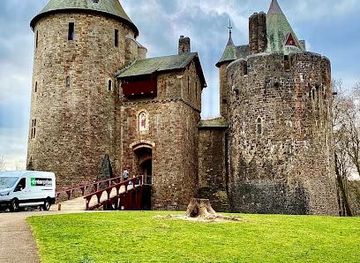
Castell Coch
A Victorian fairy tale castle where unbridled imagination meets medieval romance in the Welsh woodlands.
-
Hotel
Premier Inn Cardiff Bay hotel
Comfortable, accessible hotel in Cardiff Bay’s vibrant waterfront district, steps from culture, dining, and entertainment.
-
Memorial park
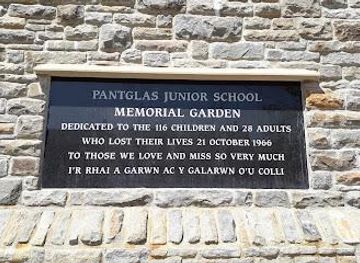
Aberfan Disaster Memorial
A solemn memorial garden honouring 144 lives lost in Wales' greatest tragedy, standing as a testament to community resilience.
-
Museum
Firing Line Cardiff Castle Museum of the Welsh Soldier
Explore the rich military heritage of Wales at the Firing Line Museum, set within the historic Cardiff Castle in the heart of Cardiff city.
Explore Glamorgan on the map
Plan your trip on one map. See where the top cities, national parks and sights are, and book hotels and experiences in a few clicks.
Best hotels in Glamorgan
Best restaurants in Glamorgan
Glamorgan's dining scene is a vibrant tapestry of culinary delights, offering visitors a taste of traditional Welsh cuisine interwoven with contemporary gastronomy. From the hearty Welsh rarebit and succulent lamb cawl at quaint countryside inns to the innovative dishes served in chic, modern restaurants in Cardiff, the county's capital, there's something to satisfy every palate. Coastal towns like Penarth and Barry boast seafood restaurants where the catch of the day is transformed into gourmet experiences, while the lush valleys are home to farm-to-table eateries celebrating local produce. Glamorgan also prides itself on its burgeoning street food markets, where an array of global flavors can be savored amidst a lively atmosphere. Whether you're indulging in a Michelin-starred meal or grabbing a quick bite from a food truck, Glamorgan ensures an unforgettable culinary journey.
-
Pub
Cedar Tree Farm - Farmhouse Inns
A family-friendly pub in Cardiff’s Grangetown, famed for its hearty carvery, legendary desserts, and welcoming atmosphere.
-
Hotel
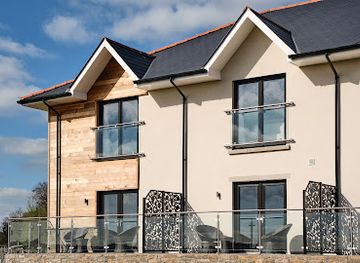
Llanerch Vineyard Hotel
Experience luxury and tranquility at Llanerch Vineyard Hotel, a stunning vineyard retreat blending modern comfort with exquisite local cuisine in South Wales.
-
Family friendly
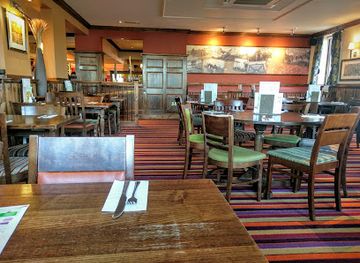
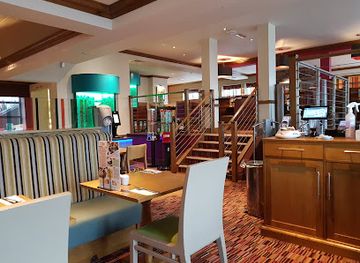
Barry Island Brewers Fayre
Classic British pub dining with family-friendly warmth, scenic waterfront views, and hearty meals near Barry Island Beach.
-
Pub
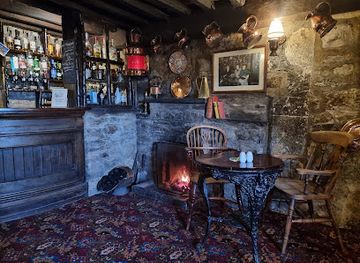
Blue Anchor Inn
Historic 14th-century thatched inn in East Aberthaw offering award-winning food, real ales, and warm Welsh hospitality in a cozy countryside setting.
Best bars in Glamorgan
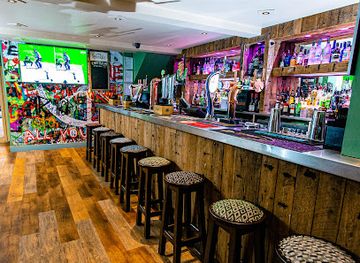
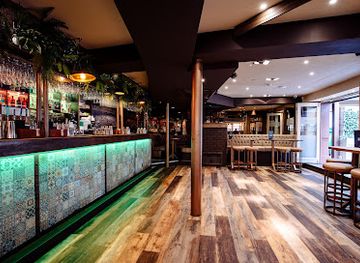
The nightlife scene in Glamorgan offers an eclectic mix of traditional Welsh charm and modern vibrancy, ensuring an unforgettable experience for every visitor. From the historic pubs where you can enjoy a pint of local ale while listening to live folk music, to the sleek, contemporary bars in Cardiff that boast innovative cocktails and DJ sets, the area caters to diverse tastes. The coastal town of Swansea features an array of lively waterfront venues perfect for those who enjoy dancing the night away with stunning sea views. For a more laid-back evening, the quaint market towns scattered throughout Glamorgan have cozy taverns and boutique wine bars where you can unwind in a warm, inviting atmosphere. Whether you're a history enthusiast looking to soak in the local culture or a party-goer searching for a vibrant night out, Glamorgan's nightlife has something special to offer.
-
Pub
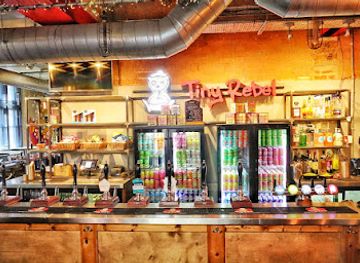
Tiny Rebel Cardiff
A lively craft beer pub near Principality Stadium, blending award-winning brews, eclectic vibes, and live jazz nights in the heart of Cardiff.
-
Bar
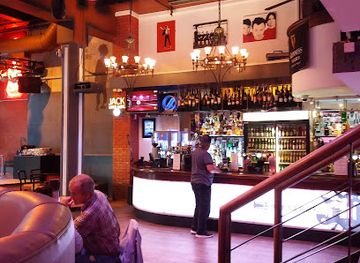
The Live Lounge Cardiff
Cardiff’s premier live music bar and nightclub offering affordable food, drinks, and vibrant nightlife until 4am.
-
Live music bar
Brewhouse
Experience Cardiff’s vibrant live music scene with great food, drinks, and a lively atmosphere at Brewhouse in the Old Brewery Quarter.
-
Cocktail bar
Peppermint Bar
Sophisticated cocktails, vibrant atmosphere, and a heated outdoor terrace in the heart of Cardiff city centre.
Best nightclubs in Glamorgan
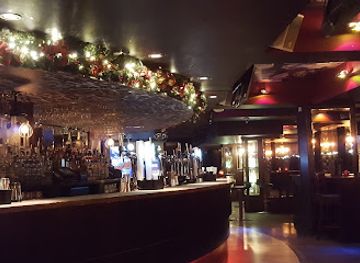
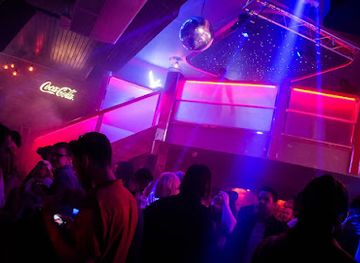
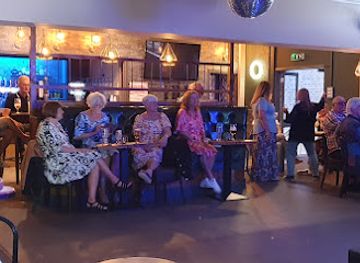
The nightlife scene in Glamorgan offers an eclectic mix of traditional Welsh charm and modern vibrancy, ensuring an unforgettable experience for every visitor. From the historic pubs where you can enjoy a pint of local ale while listening to live folk music, to the sleek, contemporary bars in Cardiff that boast innovative cocktails and DJ sets, the area caters to diverse tastes. The coastal town of Swansea features an array of lively waterfront venues perfect for those who enjoy dancing the night away with stunning sea views. For a more laid-back evening, the quaint market towns scattered throughout Glamorgan have cozy taverns and boutique wine bars where you can unwind in a warm, inviting atmosphere. Whether you're a history enthusiast looking to soak in the local culture or a party-goer searching for a vibrant night out, Glamorgan's nightlife has something special to offer.
-
Nightclub
Tiger Tiger Cardiff
A dynamic nightclub with themed rooms and diverse bars offering a vibrant nightlife experience in the heart of Cardiff.
-
Nightclub
Popworld - Cardiff
Experience the ultimate 70s to 90s disco party vibe with karaoke, cocktails, and non-stop dancing at Popworld Cardiff.
-
Nightclub
Pulse
Pulse Nightclub pulses at the heart of Cardiff’s LGBTQ+ scene with vibrant nights, inclusive vibes, and dynamic entertainment.
-
Night Club
Coco Cubanas
Experience the vibrant weekend nightlife and energetic dance scene at Coco Cubanas, Barry’s premier late-night club on Broad Street.

Best shops in Glamorgan
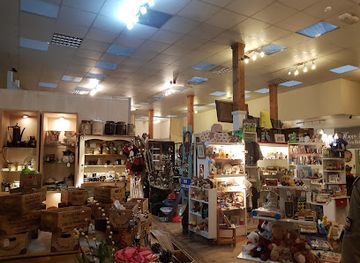
Glamorgan offers a vibrant shopping experience that seamlessly blends historic charm with modern flair. Visitors can meander through bustling market towns like Cowbridge, known for its boutique shops offering unique, locally-crafted goods, and high-end fashion. The capital, Cardiff, boasts the expansive St. David's Dewi Sant shopping center, home to an array of international brands and designer stores, while the Victorian and Edwardian arcades provide a more intimate and atmospheric shopping experience. Don't miss the chance to explore the local farmers' markets, where you can sample and purchase fresh produce, artisanal cheeses, and handmade crafts, all set against the backdrop of Glamorgan's stunning landscapes and historic architecture.
-
Gift shop
Happy Days Vintage Home Store
Discover vintage treasures and homemade delights in this charming Cowbridge emporium with a cozy café.
-
Gift shop
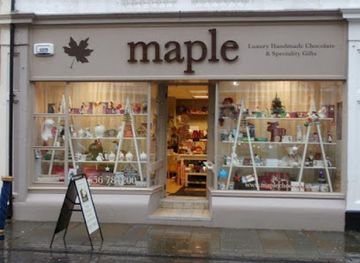
Maple
Discover handcrafted chocolates, unique gifts, and warm local charm at Maple, Porthcawl’s beloved family-run confectionery and gift shop.
-
Convenience Store
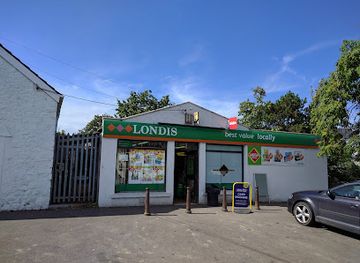
Londis
Your friendly local convenience store in St Athan, offering fresh groceries and daily essentials with welcoming service and convenient hours.
-
Gift shop
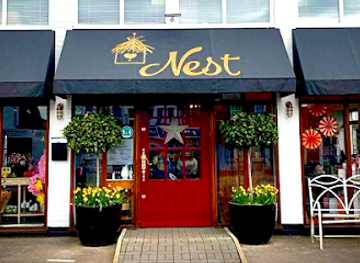
Nest Cardiff
A beautifully curated independent gift boutique in Rhiwbina, perfect for unique homewares, jewellery, children’s clothes, and thoughtful presents.
Get your free copy of our complete guide to Glamorgan, delivered straight to you.
Everything on this page, from attractions and restaurants to essentials and local phrases, in one PDF you can read offline, print or share.
Already have an account? Sign in
Your Glamorgan guide is ready.
We'll send it to · Not you? Sign out

Getting your guide ready…
We are putting together a fresh copy of the Glamorgan guide. This can take up to a minute.
This can take a few moments. If your browser asks, choose Allow so the download can start. You'll find the guide in your Downloads folder.
Nothing happened? Download it again
Sorry, the guide is taking longer than usual. Please try again in a minute, or get it by email instead.
Glamorgan essentials
Currency and Payment
Safety
Emergency Situations
Do's and Don'ts
Local Tips
From Eve
Local phrases worth knowing
You don't need to get them perfect. A few words go a long way, and locals appreciate the effort.
Basics
| English | Local | Say it |
|---|---|---|
| Hello | Hello | [həˈloʊ] |
| Goodbye | Goodbye | [ɡʊdˈbaɪ] |
| Yes | Yes | [jɛs] |
| No | No | [noʊ] |
| Please/You're welcome | Please/You're welcome | [pliːz/jʊr ˈwɛlkəm] |
| Thank you | Thank you | [θæŋk juː] |
| Excuse me/Sorry | Excuse me/Sorry | [ɪkˈskjuːz mi/ˈsɔːri] |
| How are you? | How are you? | [haʊ ɑːr juː] |
| Fine. And you? | Fine. And you? | [faɪn. ənd juː] |
| Do you speak English? | Do you speak English? | [duː juː spiːk ˈɪŋɡlɪʃ] |
| I don't understand | I don't understand | [aɪ doʊnt ˌʌndərˈstænd] |
Eating & Drinking
| English | Local | Say it |
|---|---|---|
| I'd like to see the menu, please | I'd like to see the menu, please | [aɪd laɪk tə siː ðə ˈmɛnjuː, pliːz] |
| I don't eat meat | I don't eat meat | [aɪ doʊnt iːt miːt] |
| Cheers! | Cheers! | [tʃɪrz] |
| I would like to pay, please | I would like to pay, please | [aɪ wʊd laɪk tə peɪ, pliːz] |
Emergencies
| English | Local | Say it |
|---|---|---|
| Help! | Help! | [hɛlp] |
| Go away! | Go away! | [ɡoʊ əˈweɪ] |
| Call the Police! | Call the Police! | [kɔːl ðə pəˈliːs] |
| Call a doctor! | Call a doctor! | [kɔːl ə ˈdɒktə] |
| I'm lost | I'm lost | [aɪm lɒst] |
| I'm ill | I'm ill | [aɪm ɪl] |
Shopping
| English | Local | Say it |
|---|---|---|
| I'd like to buy... | I'd like to buy... | [aɪd laɪk tə baɪ...] |
| I'm just looking | I'm just looking | [aɪm dʒʌst ˈlʊkɪŋ] |
| How much is it? | How much is it? | [haʊ mʌtʃ ɪz ɪt] |
| That's too expensive | That's too expensive | [ðæts tuː ɪkˈspɛnsɪv] |
| Can you lower the price? | Can you lower the price? | [kæn juː ˈloʊər ðə praɪs] |
Time & Numbers
| English | Local | Say it |
|---|---|---|
| What time is it? | What time is it? | [wɒt taɪm ɪz ɪt] |
| It's one o'clock | It's one o'clock | [ɪts wʌn əˈklɒk] |
| Half past (10) | Half past (10) | [hɑːf pɑːst (10)] |
| Morning | Morning | [ˈmɔːrnɪŋ] |
| Afternoon | Afternoon | [ˌɑːftərˈnuːn] |
| Evening | Evening | [ˈiːvnɪŋ] |
| Yesterday | Yesterday | [ˈjɛstərdeɪ] |
| Today | Today | [təˈdeɪ] |
| Tomorrow | Tomorrow | [təˈmɔːroʊ] |
| 1 | 1 | [wʌn] |
| 2 | 2 | [tuː] |
| 3 | 3 | [θriː] |
| 4 | 4 | [fɔːr] |
| 5 | 5 | [faɪv] |
| 6 | 6 | [sɪks] |
| 7 | 7 | [sɛvən] |
| 8 | 8 | [eɪt] |
| 9 | 9 | [naɪn] |
| 10 | 10 | [tɛn] |
Transport & Directions
| English | Local | Say it |
|---|---|---|
| Where's a/the...? | Where's a/the...? | [wɛrz ə/ðə...?] |
| What's the address? | What's the address? | [wɒts ði æˈdrɛs?] |
| Can you show me (on the map)? | Can you show me (on the map)? | [kæn juː ʃoʊ mi (ɒn ðə mæp)?] |
| When's the next (bus)? | When's the next (bus)? | [wɛnʔs ðə nɛkst (bʌs)?] |
| A ticket (to ....) | A ticket (to ....) | [ə ˈtɪkɪt (tuː ....)] |
History of Glamorgan
Ancient Beginnings and Roman Influence
Glamorgan, known in Welsh as Morgannwg, has a storied history dating back to ancient times. The region was originally inhabited by the Silures, a Celtic tribe known for their resistance against Roman invasion. The Romans eventually established a presence in the area, constructing fortifications such as the Roman fort at Cardiff, which hints at the strategic importance of Glamorgan in Roman Britain.
Medieval Power Struggles
During the medieval period, Glamorgan was a battleground for power between the Welsh princes and Norman invaders. The Normans built several castles, including the impressive Cardiff Castle and the coastal stronghold of Ogmore Castle. These fortifications played a crucial role in the control and defense of the region. The period also saw the establishment of the Lordship of Glamorgan by Robert Fitzhamon, a significant figure in the Norman conquest of South Wales.
Industrial Revolution and Coal Mining
The Industrial Revolution transformed Glamorgan into an industrial powerhouse, particularly noted for its coal mining industry. The South Wales Valleys became synonymous with coal production, fueling the ironworks and steel industry. Towns like Merthyr Tydfil grew rapidly, becoming one of the largest iron-producing towns in the world. This era also saw the development of the Taff Vale Railway, which facilitated the transport of coal to Cardiff Docks, making it one of the world's busiest ports.
Cultural Renaissance and the Welsh Language
Glamorgan has played a central role in the cultural renaissance of Wales, particularly in the preservation and promotion of the Welsh language. The Eisteddfod, a Welsh festival of literature, music, and performance, has strong roots in the region. The National Eisteddfod of Wales has been hosted in various locations across Glamorgan, showcasing the area's rich cultural heritage. Additionally, institutions like the University of South Wales contribute to the region's vibrant cultural and academic life.
Modern Developments and Regeneration
In recent decades, Glamorgan has undergone significant regeneration, transforming from its industrial past to a modern, diverse region. Cardiff, the capital city of Wales, has emerged as a major cultural and economic hub, with landmarks such as the Millennium Stadium and the Wales Millennium Centre. The redevelopment of Cardiff Bay has turned the area into a bustling waterfront destination. Meanwhile, the Brecon Beacons National Park and the Glamorgan Heritage Coast attract outdoor enthusiasts and nature lovers, highlighting the region's natural beauty.
Glamorgan in Photos
Browse through our photo collection highlighting the charm and character of the destination.
Neighbouring regions of Glamorgan
The closest regions to Glamorgan, if you have time for more than one.
-

-

-

-

-


Swipe for more regions
Explore more

Explore more of United Kingdom
Discover the United Kingdom: A blend of rich history, stunning landscapes, and vibrant cities, offering a unique travel experience for every visitor.
Explore United Kingdom