Ogmore Castle, Glamorgan Travel Guide
Explore Ogmore Castle, a serene 12th-century Norman ruin by the River Ewenny, where history and nature blend in tranquil riverside walks and ancient stepping stones.
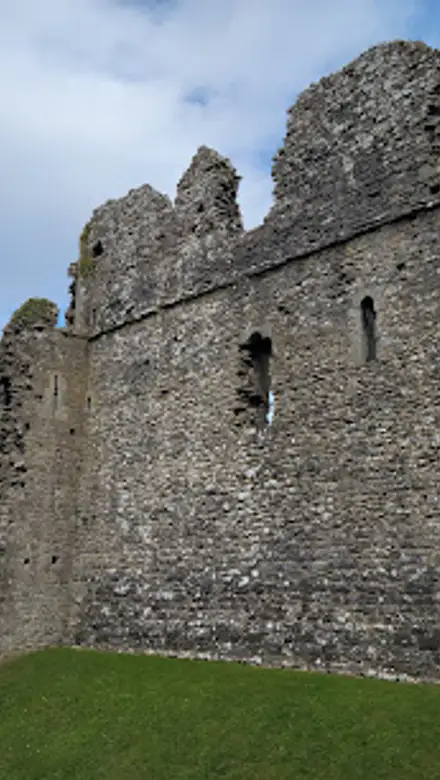
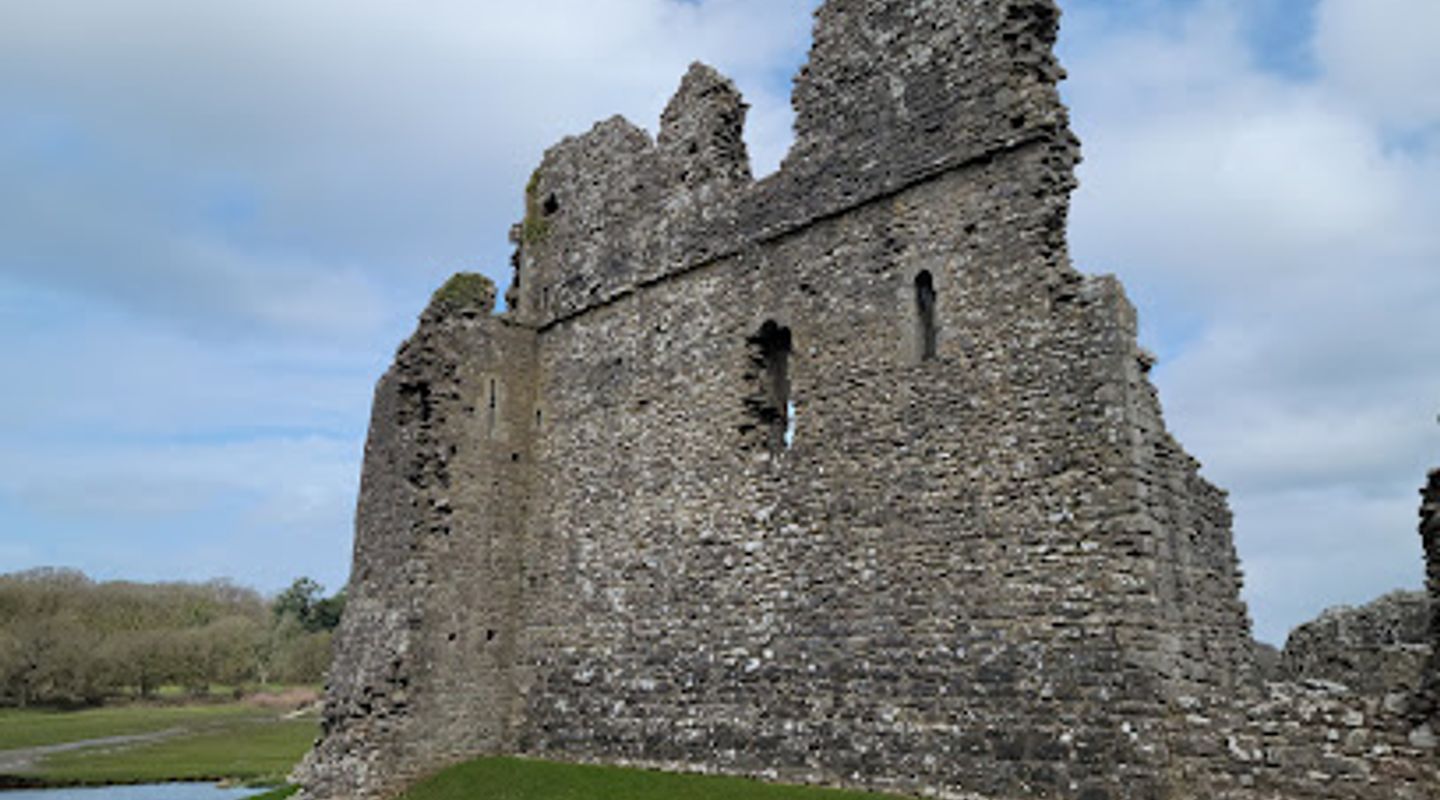
Ogmore Castle is a captivating 12th-century Norman ruin located near Bridgend, Wales, overlooking the River Ewenny. Originally built as an earth and timber fortress, it was quickly fortified with stone and a curtain wall. The castle’s well-preserved defensive features, including a tidal ditch and an imposing keep, offer a rare glimpse into medieval military architecture. Surrounded by picturesque riverside walks and iconic stepping stones, Ogmore Castle provides a tranquil and scenic historical escape free to visit year-round.
A brief summary to Ogmore Castle
- Bridgend, GB
- Click to display
- Click to display
- Duration: 1 to 2 hours
- Free
-
 Outdoor
- Mobile reception: 4 out of 5
- Monday 10 am-4 pm
- Tuesday 10 am-4 pm
- Wednesday 10 am-4 pm
- Thursday 10 am-4 pm
- Friday 10 am-4 pm
- Saturday 10 am-4 pm
- Sunday 10 am-4 pm

Know before you go
Hi, I'm Eve. Here are a few practical things to know before exploring Ogmore Castle.
- Visit during weekday mornings to enjoy a quieter experience and better photo opportunities.
- Check river conditions before attempting to cross the iconic stepping stones, as they can be submerged after rain.
- Wear sturdy footwear as the castle grounds have uneven surfaces and some steps to lower sections.
- Bring a picnic to enjoy in the scenic riverside surroundings, but be mindful of local wildlife and livestock.
- Dogs are welcome on short leads but avoid letting them eat any wild plants on site, which may be poisonous.
Do you manage this location?
Take control to get all the benefits, like improved information, better appearance, and stronger visibility across AI-powered discovery. Learn more about listing your business on Evendo
Activate your presenceOther nearby places you may find interesting
The closest places of the same kind, if this one is not quite what you had in mind.
Explore Ogmore Castle on the Map
A handpicked selection of must-see spots near Ogmore Castle, mapped for you.
Unlock the Best of Ogmore Castle
Buy tickets
-
No tickets available
Book tours with entry

Book tours without entry
-
No tours available
Getting There
-
Car
Driving from Bridgend town center takes about 15-20 minutes via the B4524 road. The castle has a small free car park, but it is uneven and prone to flooding, so parking early is advised especially after rain.
-
Bus
Local bus services from Bridgend to Ogmore-by-Sea run approximately every 1-2 hours, with a 25-35 minute journey. From the bus stop, a 15-minute walk on gentle terrain leads to the castle grounds.
-
Bike
Cyclists can use National Cycle Network Route 88, which passes within 2.5 km of the castle. The route is mostly flat and scenic, suitable for moderate fitness levels.
-
Walking
From Ogmore-by-Sea village, a pleasant 30-minute walk along riverside paths and country lanes leads to the castle. The terrain is mostly level with some gentle slopes, suitable for most walkers.
For the on-the-go comforts that matter to you
-
 Restrooms
-
 Seating Areas
-
 Information Boards
-
 Picnic Areas
-
 Trash Bins
Discover more about Ogmore Castle
Origins and Norman Legacy
Ogmore Castle’s origins trace back to the early 12th century, around 1106, when William de Londres, one of the legendary Twelve Knights of Glamorgan, established the initial earth and timber ringwork to guard a vital ford on the River Ewenny. This strategic location marked the western limit of Norman control in Glamorgan and formed a defensive triangle with Coity and Newcastle castles. The castle quickly evolved with the construction of a stone keep, likely by William’s son Maurice de Londres in the 1120s, making it one of the oldest Norman keeps in South Wales. The castle’s early defensive earthworks, including banks, ditches, and a tidal moat, remain visible, reflecting its original military purpose.Architecture and Defensive Features
The castle’s layout includes a rectangular keep adjacent to the main gate, surrounded by a curtain wall added in the early 13th century. The deep ditch around the inner ward was ingeniously designed to fill with seawater at high tide, enhancing its defenses. The surviving stone walls showcase irregular field stones and limestone slabs bound with brown mortar, characteristic of Norman construction. Later medieval additions include a courthouse in the outer bailey, built in the 15th century, which served administrative and judicial functions until the 17th century. Despite damage during Owain Glyndŵr’s revolt, the castle remained a local landmark and administrative center for centuries.Scenic Setting and Riverside Attractions
Ogmore Castle is set beside the River Ewenny, with a picturesque riverside environment that includes a series of ancient stepping stones crossing the river. These stones offer visitors a unique way to engage with the landscape, though caution is advised as water levels can vary. The surrounding fields often feature grazing horses and sheep, adding to the pastoral charm. The castle grounds are mostly flat with some steps leading to lower sections, making it accessible for most visitors. The combination of historic ruins and natural beauty creates a peaceful atmosphere ideal for photography, leisurely walks, and nature appreciation.Historical Significance and Ownership
The castle remained in the de Londres family until the late 13th century, after which it passed through the de Chaworth family to the Earls of Lancaster, becoming part of the Duchy of Lancaster. It transitioned from a military fortress to a center of manorial justice and administration. The castle’s role diminished after Edward I’s conquest of Wales, yet it remained in use for various purposes into the 19th century. Today, it is owned by the Duchy of Lancaster and managed by Cadw, the Welsh government’s historic environment service, ensuring its preservation and public accessibility.Visitor Experience and Accessibility
Visitors to Ogmore Castle can explore the substantial ruins free of charge during daylight hours, with opening times generally from 10am to 4pm. The site offers an easy terrain with level 2 walking difficulty, suitable for families and casual visitors. While there is a small car park nearby, it is uneven and can flood, and there are no dedicated disabled parking spaces. Dogs on short leads are welcome on the ground floor levels. The castle’s tranquility, combined with its historical depth and scenic riverside location, makes it a rewarding destination for history enthusiasts, photographers, and nature lovers alike.Legends and Cultural Heritage
Ogmore Castle is steeped in local lore, including tales of a White Lady said to guard hidden treasure within the ruins. These legends add a layer of mystique to the site’s medieval past. The castle’s enduring presence reflects the complex history of Norman conquest, Welsh resistance, and the evolution of feudal society in South Wales. As a Grade I listed ruin, it stands as a testament to the region’s rich cultural heritage and architectural legacy.












Your all‑in‑one travel companion app
Explore expert travel guides, compare and book tours, experiences, hotels, and more—all from the palm of your hand. Download now for seamless trip planning wherever your wanderlust takes you.


Explore More of Glamorgan
Looking beyond Ogmore Castle? Discover Glamorgan for broader travel guides, local hot-spots, and regional highlights.
Explore Glamorgan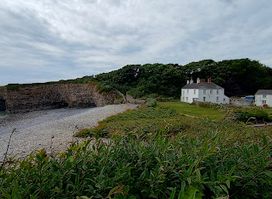
Historic 1832 lighthouse on Wales’ Glamorgan Heritage Coast, blending maritime legacy with stunning cliff-top views and rare wildlife.

Historic stepping stones beside Ogmore Castle offer scenic river crossing and timeless Welsh heritage in Bridgend’s tranquil countryside.