

La Pasionaria Statue on Clyde Street, Glasgow
A bold riverside monument in Glasgow honoring Dolores Ibárruri and the British volunteers who fought fascism in the Spanish Civil War.
La Pasionaria is a striking statue located on the banks of the River Clyde in Glasgow, commemorating Dolores Ibárruri, a Spanish Civil War heroine and symbol of anti-fascist resistance. Sculpted by Arthur Dooley and unveiled in 1980, the statue honors the courage of British volunteers, including many Glaswegians, who fought against fascism in Spain between 1936 and 1939. Its bold design and politically charged history make it a unique landmark in Glasgow.
A brief summary to La Pasionaria
- 286 Clyde St, Glasgow, G1 4AL, GB
- Visit website
- Duration: 0.25 to 1 hours
- Free
-
 Outdoor
- Mobile reception: 4 out of 5
- Monday 12 am-12 am
- Tuesday 12 am-12 am
- Wednesday 12 am-12 am
- Thursday 12 am-12 am
- Friday 12 am-12 am
- Saturday 12 am-12 am
- Sunday 12 am-12 am
Local tips
- Visit during daylight to fully appreciate the statue’s dramatic silhouette against the Clyde River backdrop.
- Explore nearby plaques for detailed inscriptions about the volunteers and the Spanish Civil War.
- Combine your visit with a walk along the Clyde Walkway to experience Glasgow’s riverside heritage.
- Learn about the political history behind the statue to understand its significance beyond its artistic presence.

For the on-the-go comforts that matter to you
- Seating Areas
- Information Boards
Getting There
-
Public Transport
Take Glasgow Subway to St Enoch Station, then walk approximately 15 minutes along the riverside to Clyde Street. Frequent bus services also run nearby, with journey times from central Glasgow around 10-20 minutes. Tickets cost approximately £1.80–£3.00 GBP.
-
Taxi or Rideshare
A taxi or rideshare from Glasgow city center to 286 Clyde Street typically takes 5–10 minutes depending on traffic. Fares usually range from £5 to £10 GBP. This option offers direct access but may be affected by peak-hour congestion.
-
Walking
If you are staying in central Glasgow, walking to La Pasionaria along the Clyde Walkway is a scenic option, taking approximately 20–30 minutes on mostly flat terrain. The route is accessible and offers views of the river and city landmarks.
La Pasionaria location weather suitability
-
 Any Weather
-
 Rain / Wet Weather
-
 Clear Skies
-
 Mild Temperatures
Discover more about La Pasionaria
A Monument to Anti-Fascist Valor
La Pasionaria, perched prominently on Clyde Street near Custom House Quay, is a powerful tribute to Dolores Ibárruri, the iconic Spanish communist and orator famed for her passionate anti-fascist stance during the Spanish Civil War (1936–1939). Sculpted by Arthur Dooley and unveiled on 23 February 1980, the statue commemorates the bravery of the International Brigades, particularly the 2,100 British volunteers who joined the fight against fascism. Of these, 534 lost their lives, including 65 from the Glasgow area, making the Clyde banks a fitting location for this memorial.The Figure and Its Symbolism
The statue depicts Ibárruri with arms outstretched and face uplifted, embodying defiance and hope. Known as La Pasionaria—meaning "The Passion Flower"—she was renowned for her stirring oratory and her rallying cry “¡No pasarán!” (“They shall not pass!”), which became a symbol of resistance. The monument’s base bears her famous exhortation, “Better to die on your feet than live forever on your knees,” encapsulating her revolutionary spirit and commitment to the anti-fascist cause.Controversy and Political Context
The erection of the statue was not without controversy. Funded by trade unions and the Labour movement, and commissioned by the International Brigades Association of Glasgow, the monument’s overt communist symbolism sparked political opposition, particularly from Conservative councillors who sought to block or remove it. Despite heated debates and protests, La Pasionaria remained, standing as a testament to Glasgow’s political history and the city’s role in international anti-fascist solidarity.Historical Legacy and Cultural Resonance
Dolores Ibárruri’s legacy extends beyond the statue. After the Spanish Republic’s fall, she lived in exile in Moscow for nearly four decades before returning to Spain in 1977. Her life and work symbolize the global struggle against fascism and the sacrifices made by volunteers worldwide. Glasgow’s La Pasionaria statue not only honors these fighters but also serves as a reminder of the city’s deep connections to international political movements and the enduring power of resistance.Artistic and Material Aspects
Arthur Dooley initially envisioned a bronze statue but due to funding constraints, the final work was crafted from scrap iron and fiberglass, giving it a raw, industrial aesthetic that resonates with Glasgow’s working-class heritage. The statue’s bold, stylized form and its prominent riverside setting make it a distinctive landmark, blending artistic expression with historical memory.Commemoration and Visitor Experience
Visitors to La Pasionaria can reflect on the complex history it represents—the courage of volunteers, the ideological battles of the 20th century, and the continuing relevance of anti-fascist ideals. The statue’s location on Clyde Street offers a contemplative riverside atmosphere, inviting engagement with Glasgow’s layered past and its international connections.Iconic landmarks you can’t miss

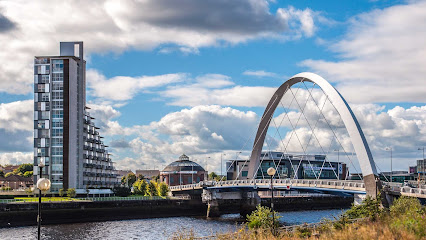
ToursByLocals - Glasgow
0.6 km
Discover Glasgow's rich culture and hidden gems through personalized tours with local experts at ToursByLocals.
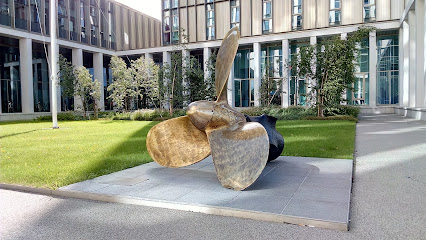
The Glenlee Propellers
0.6 km
Discover the Glenlee Propellers, iconic steel relics symbolizing Glasgow’s proud shipbuilding heritage and maritime history.
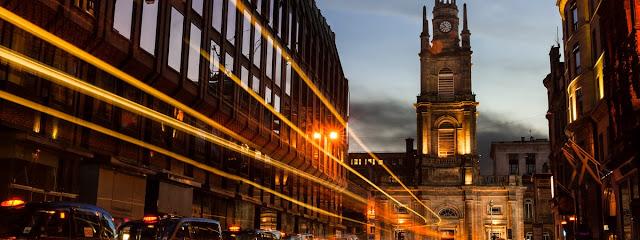
St George's Tron Church of Scotland
0.7 km
Historic Presbyterian church with iconic Baroque tower, rooted in Glasgow’s evangelical heritage and vibrant city centre life.
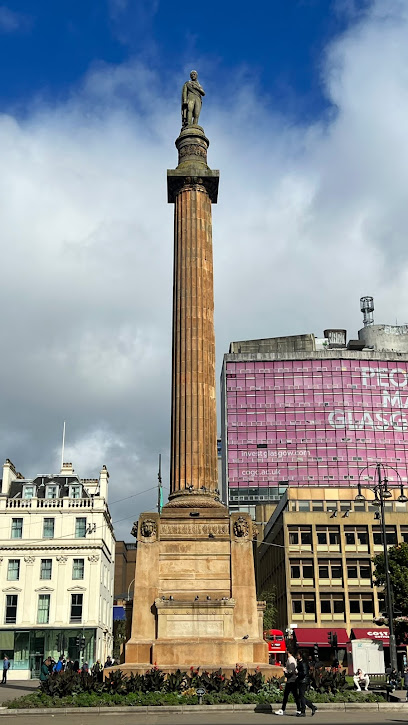
Walter Scott Monument
0.7 km
A towering Gothic tribute to Sir Walter Scott in Glasgow’s historic George Square, celebrating Scotland’s literary heritage.
Historic Walking Tours of Glasgow
0.8 km
Explore Glasgow's rich history with guided walking tours that reveal the city's hidden gems and captivating stories.
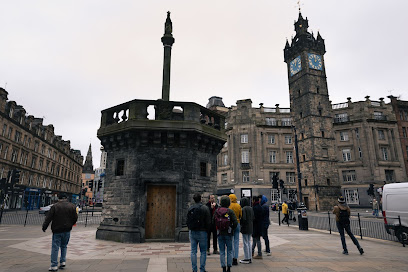
Merchant Square
0.8 km
Experience Glasgow's vibrant cultural scene at Merchant Square, a premier events venue combining great dining and lively entertainment.
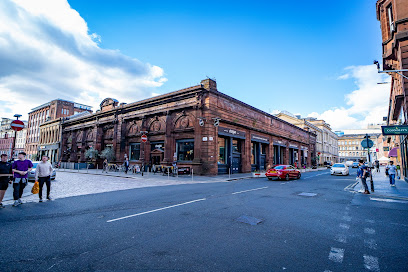
City Halls & Old Fruitmarket
0.8 km
Explore the rich musical heritage and stunning architecture of City Halls & Old Fruitmarket, a premier live music venue in Glasgow.
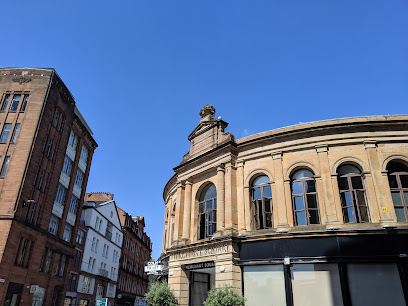
Glasgow City Heritage Trust
0.8 km
Explore Glasgow's rich history with the Glasgow City Heritage Trust, a non-profit dedicated to preserving the city's architectural and cultural heritage.
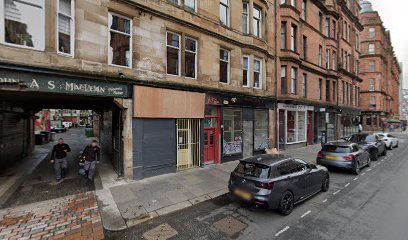
Statue of Light and Life
0.8 km
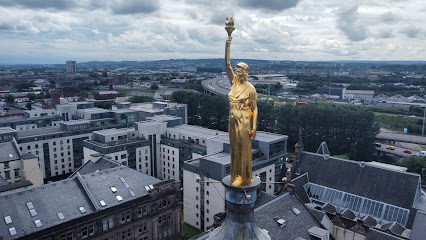
Gilded guardian of Glasgow’s skyline, the Statue of Light and Life shines atop 95 Morrison Street, symbolizing guidance and vitality.
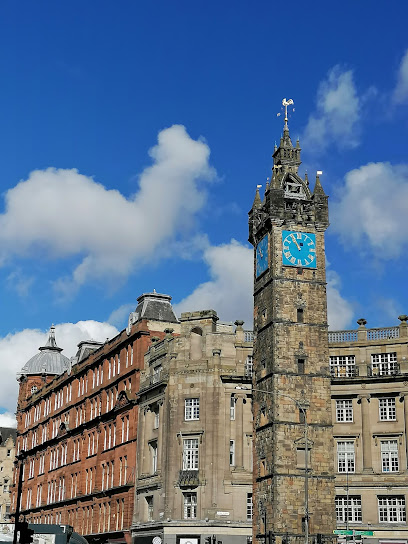
Tolbooth Steeple
0.8 km
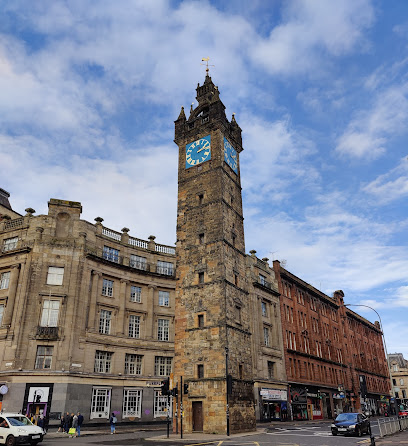
Glasgow’s iconic 17th-century Tolbooth Steeple stands tall as a historic clock tower and enduring symbol of the city’s rich civic past.
Riddle Rooms Glasgow
0.8 km
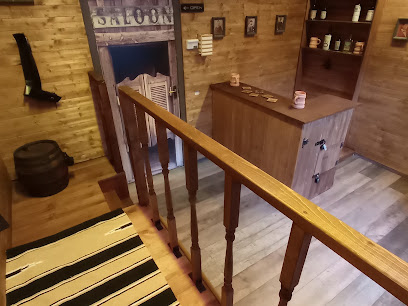
Experience the thrill of escape rooms in Glasgow, where adventure awaits around every corner with engaging puzzles and immersive themes.
St Andrew's in the Square - Glasgow
0.9 km
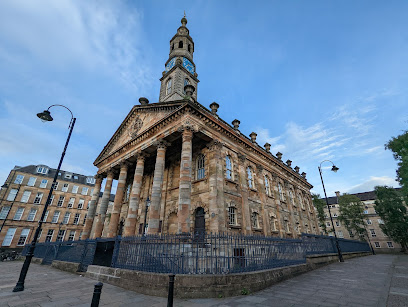
Experience the rich cultural heritage of Glasgow at St Andrew's in the Square, a historic venue for art, community events, and weddings.
Ramshorn Graveyard
0.9 km
Explore the serene beauty and rich history of Ramshorn Graveyard, a hidden gem in the heart of Glasgow, perfect for reflection and discovery.
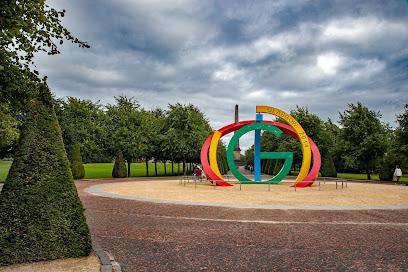
Glasgow 2014 Monument
0.9 km
A bold, colourful sculpture celebrating Glasgow’s 2014 Commonwealth Games, where sport, art and civic pride come together in a striking riverside landmark.
Barrowland Park
0.9 km
Experience the charm of Barrowland Park, Glasgow's vibrant oasis featuring art, play areas, and a glimpse into the city's rich cultural heritage.
Unmissable attractions to see

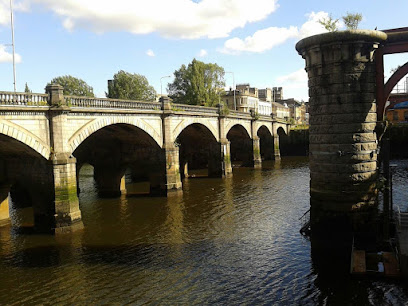
King George V Bridge
0.2 km
A majestic stone bridge over the River Clyde offering historic charm and sweeping city views in the heart of Glasgow.
St. Enoch Shopping Centre
0.2 km
Glasgow’s vibrant city-centre shopping and leisure destination with diverse retail, dining, and entertainment options.
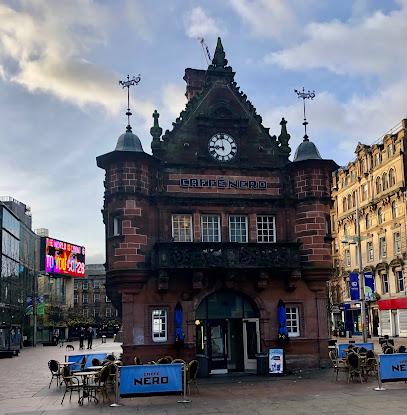
Metropolitan Cathedral of St Andrew
0.3 km
Visit the Metropolitan Cathedral of St Andrew in Glasgow for an unforgettable experience of architectural beauty and spiritual serenity.
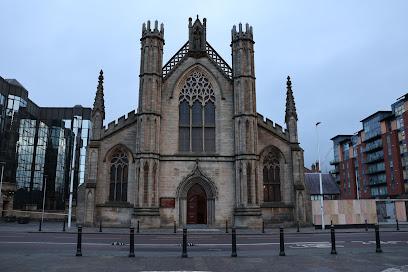
St. Enoch Centre
0.3 km
Glasgow's vibrant shopping epicentre: fashion, food, films, and festive energy in the heart of St. Enoch Square.
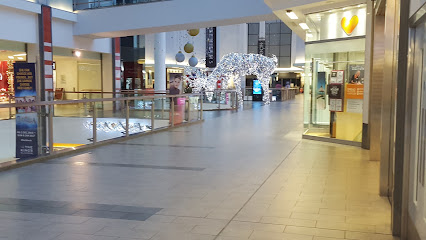
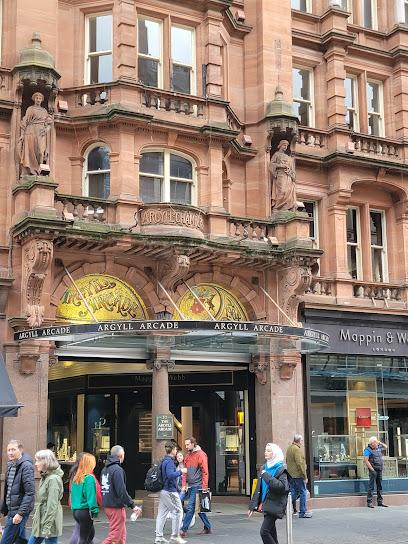
Argyll Arcade
0.4 km
Scotland's diamond epicenter: Victorian arcade brimming with luxury jewelry, watches, and bespoke sparkle in Glasgow's heart.
Geek Retreat Glasgow
0.4 km
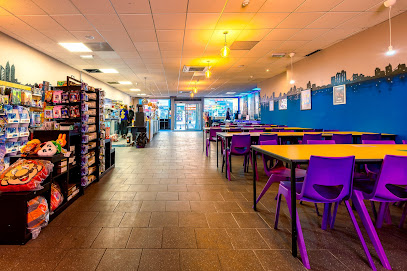
Glasgow’s vibrant geek culture hub blending games, comics, and café comforts in a welcoming community space.
55 Argyll Arcade
0.4 km
Scotland’s oldest covered arcade, Argyll Arcade dazzles with historic charm and a premier collection of jewellers in Glasgow’s heart.
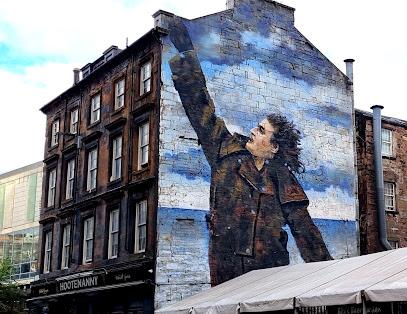
Street Art from The rebel bear
0.4 km
Explore the compelling street art of The Rebel Bear, Glasgow’s mysterious muralist blending social commentary with vibrant urban creativity.
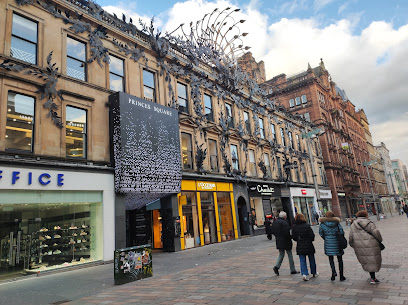
Princes Square Shopping Centre
0.4 km
A stunning blend of Victorian elegance, luxury shopping, and fine dining beneath Glasgow’s iconic glass roof.
Good as Gold Street Art
0.4 km
A witty mural in Glasgow’s city center humorously capturing the soaring price of Freddo chocolates as a symbol of inflation.
The Lighthouse
0.4 km
Discover Glasgow’s iconic design centre with stunning Mackintosh architecture and panoramic city views from a historic spiral staircase.

Clutha & Victoria Bar
0.5 km
Explore Clutha & Victoria Bar in Glasgow, a lively pub offering live music, delicious pizza, and a warm Scottish atmosphere.
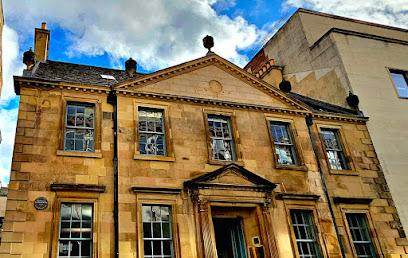
Tobacco Merchant's House
0.5 km
Glasgow’s last 18th-century tobacco merchant villa, a preserved Georgian gem and vivid reminder of the city’s mercantile and colonial past.
The Social
0.5 km
Discover The Social, Glasgow's lively bar and grill, offering delicious food, live music, and a warm, inviting atmosphere in Royal Exchange Square.
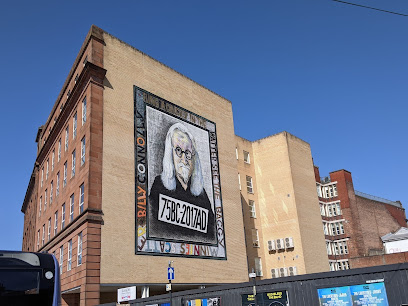
Mural Trail #.09 Billy Connolly
0.5 km
Celebrate Glasgow’s beloved comedian Billy Connolly through this vibrant mural on Osborne Street, a highlight of the city’s renowned Mural Trail.
Essential places to dine

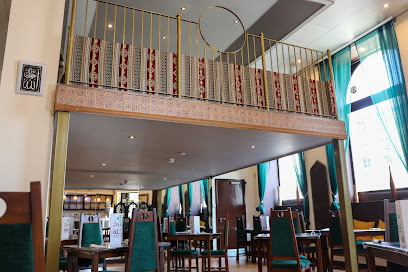
Palmtree Kitchen - مطعم النخلة
0.3 km
Experience the rich, authentic flavors of Yemen with generous portions and warm hospitality in Glasgow’s vibrant Palmtree Kitchen.
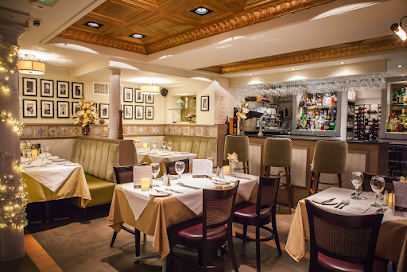
La Lanterna
0.4 km
Authentic Italian dining in Glasgow’s city centre, blending tradition, quality, and warm hospitality since 1980.
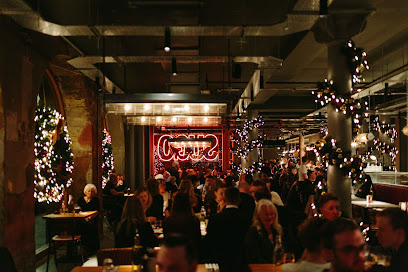
Sugo Pasta
0.4 km
Fresh, handmade regional Italian pasta in a lively, modern Glasgow setting – no bookings, just great pasta and a buzzing atmosphere.
Piccolo Mondo
0.5 km
Experience authentic Italian flavors and warm hospitality in the heart of Glasgow at Piccolo Mondo, a city centre gem.
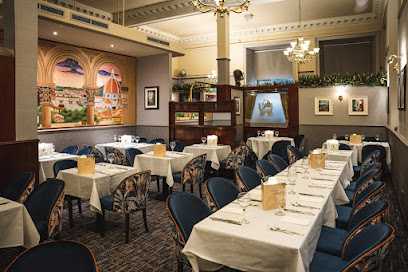
Brutti Compadres Platos Pequenos
0.5 km
Discover vibrant Mediterranean tapas and inventive cocktails in Glasgow’s charming Merchant City hotspot, Brutti Compadres Platos Pequenos.
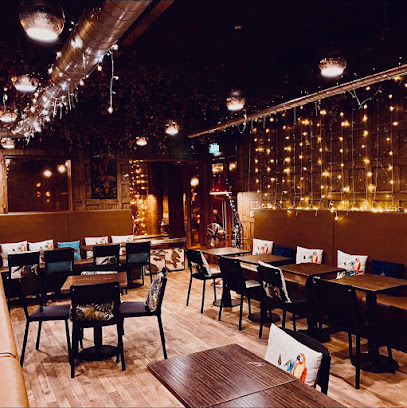
Alston Bar & Beef
0.5 km
Discover premium dry-aged Scottish steaks and an extensive gin bar beneath Glasgow Central Station’s historic arches.
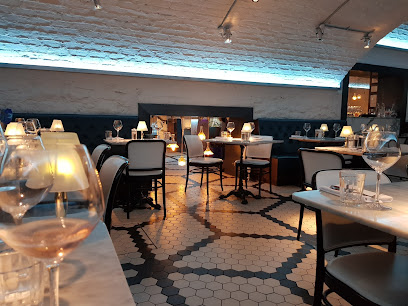
The Smokin' Fox
0.5 km
Victorian charm meets modern Glasgow at this welcoming pub serving seasonal comfort food and exceptional spirits.
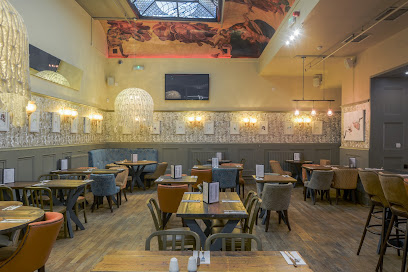
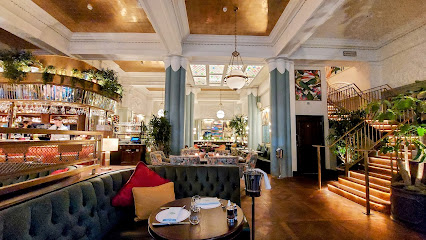
The Ivy Buchanan Street, Glasgow
0.5 km
Glamorous Glasgow brasserie with art deco charm, reliable British cooking, and cocktails in a converted bank.
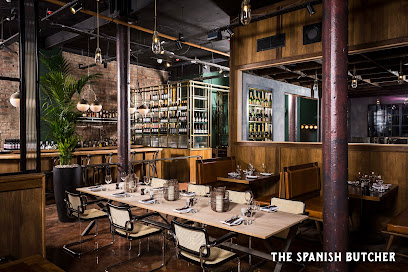
The Spanish Butcher Glasgow
0.5 km
Savor premium Galician beef and Spanish flavors in a chic, industrial-style steakhouse at Glasgow’s vibrant city centre.
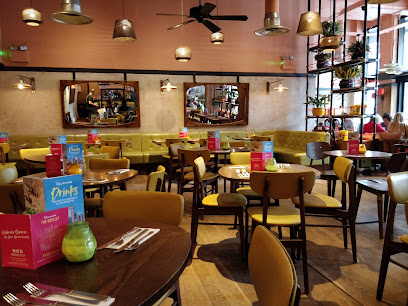
Las Iguanas - Glasgow
0.5 km
Experience the vibrant flavors and festive spirit of Latin America in the heart of Glasgow with bold dishes and irresistible cocktails.
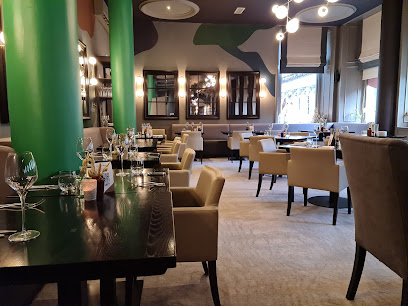
Glaschu Restaurant & Bar
0.6 km
Elegant modern Scottish dining in the heart of Glasgow’s historic Royal Exchange Square with a stylish atmosphere and locally inspired cuisine.
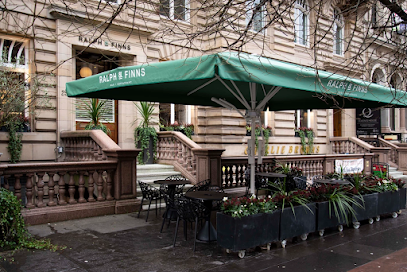
Ralph & Finns
0.6 km
Elegant modern Scottish dining and creative cocktails in a historic Glasgow Merchant City setting.
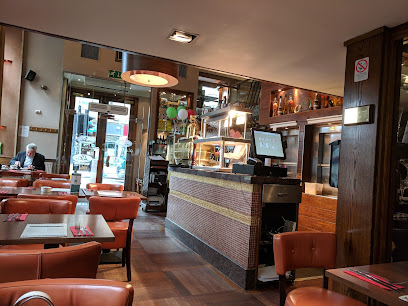
La Vita
0.6 km
Authentic stone-baked Italian pizzas and classic dishes served in Glasgow’s vibrant city centre, open daily from early morning to late night.
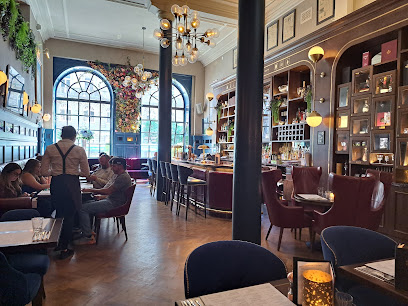
The Citizen Glasgow
0.6 km
Historic charm meets modern Scottish cuisine in a stylish city-center restaurant with a warm, lively atmosphere.
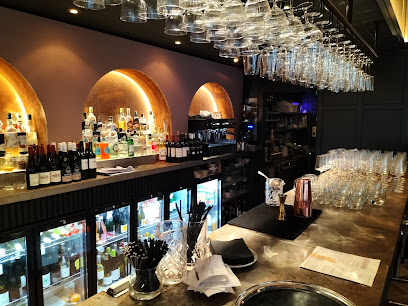
Gōst
0.6 km
Discover Gōst, Glasgow’s elegant bar and restaurant where smoky flavors meet sustainable Angus beef in a cozy, speakeasy setting.
Markets, malls and hidden boutiques

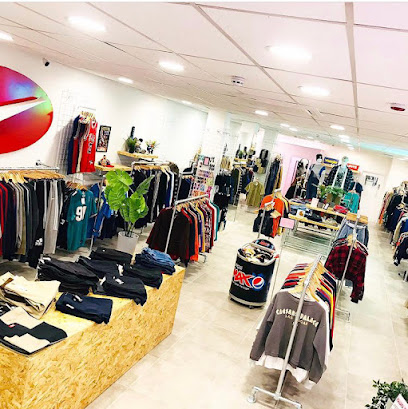
The Vintage Scene Glasgow
0.2 km
Discover timeless vintage fashion treasures and sustainable style at The Vintage Scene, Glasgow’s premier vintage clothing shop in St Enoch Square.
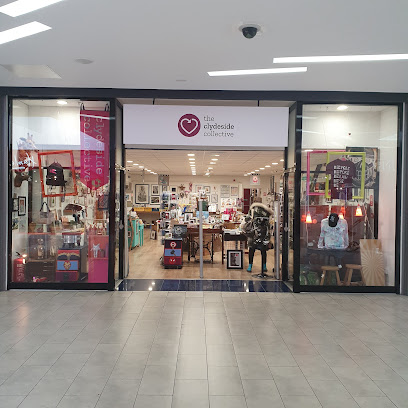
The Clydeside Collective
0.2 km
Explore Glasgow’s creative heart at The Clydeside Collective, a vibrant gift shop showcasing unique handcrafted arts and crafts by local artisans.
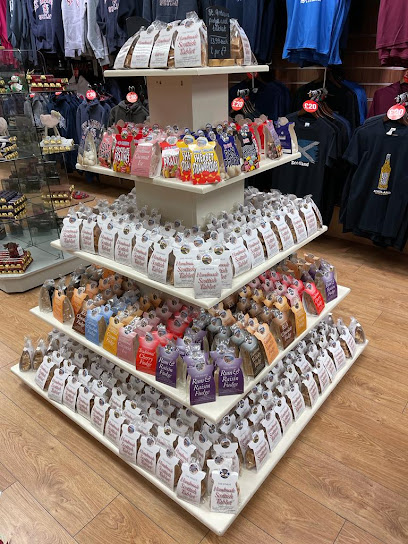
Taste of Scotland
0.2 km
Discover authentic Scottish gifts and rare whiskies in the heart of Glasgow at Taste of Scotland, your gateway to Scotland’s rich heritage.
Shop Small at St Enoch
0.3 km
Discover unique fashion finds at Shop Small in Glasgow’s iconic St Enoch Centre, where historic charm meets modern shopping under Europe’s largest glass roof.
House of Fraser
0.3 km
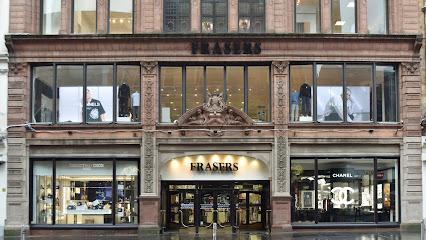
Discover Glasgow’s historic House of Fraser on Buchanan Street, a vibrant hub for fashion, beauty, and homewares since 1849.
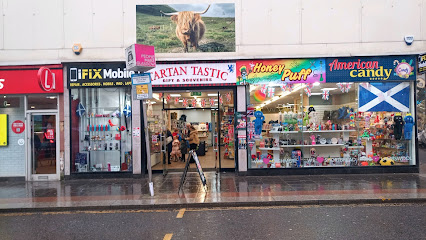
Tartan Tastic Gift & Souvenirs
0.4 km
Discover authentic Scottish tartan treasures and traditional gifts in the heart of Glasgow’s vibrant Queen Street.
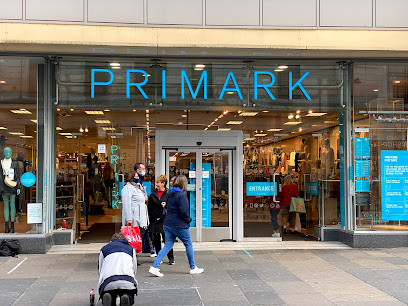
Primark
0.4 km
Vast budget fashion haven on Glasgow's Argyle Street: trendy clothes, beauty, home goods, and more in a wheelchair-accessible city-center mega-store.
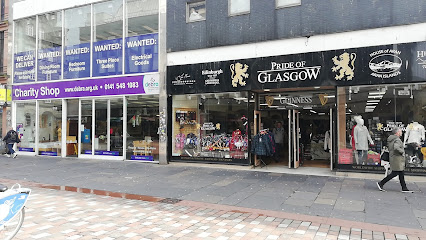
Pride of Glasgow
0.5 km
Discover tartan treasures and whisky wonders at this spirited Argyle Street shop, where Scottish pride meets Glasgow's cheeky charm in every authentic souvenir.
Eurasia Crafts
0.5 km
Discover handcrafted wonders from Eurasia in a cozy Glasgow gem—unique gifts, artisan stories, and cultural treasures await on elegant Queen Street.
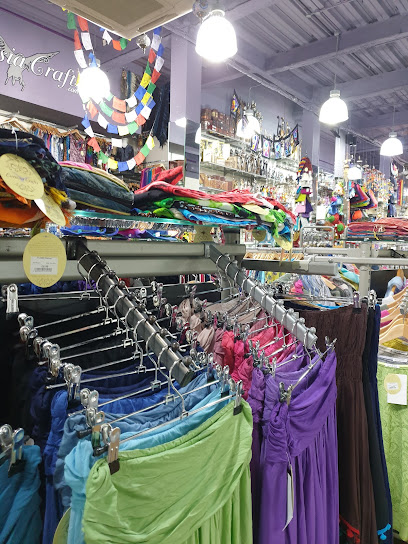
Osiris - Alternative Fashion Store
0.5 km
A compact, characterful alternative-fashion and curios shop on Queen Street specialising in goth, emo and eclectic accessories.
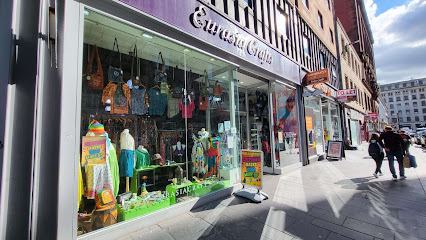
The Glasgow Souvenir Outlet
0.5 km
Authentic Scottish treasures in Glasgow's vibrant core: tartans, whisky keepsakes, and artisan crafts for every traveler's suitcase.
Geek-aboo
0.5 km
Dive into Glasgow's ultimate geek haven: official merch, epic collectibles, and gaming events from your favorite franchises await at Geek-aboo.
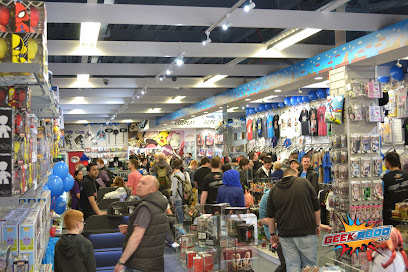
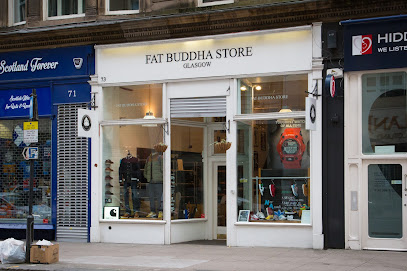
Fat Buddha Store
0.5 km
Glasgow's ultimate streetwear haven: premium menswear, spray paints, vinyl toys, and urban essentials across three vibrant floors since 2006.
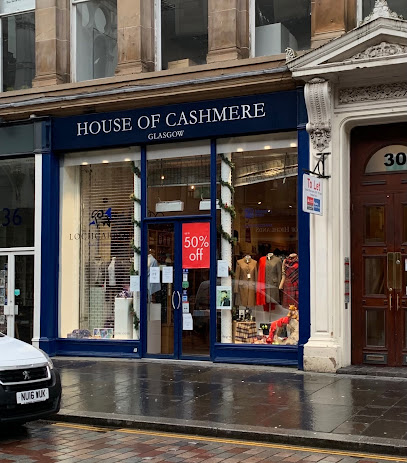
House Of Cashmere Glasgow
0.5 km
Discover authentic Scottish cashmere craftsmanship and timeless luxury in the heart of Glasgow’s vibrant city centre.
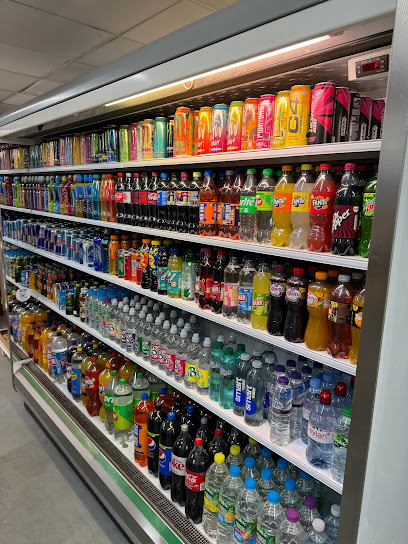
Grab n Go convenience store
0.6 km
A compact, dependable convenience store on Gorbals Street offering snacks, basics and friendly counter service for locals and passersby.
Essential bars & hidden hideouts

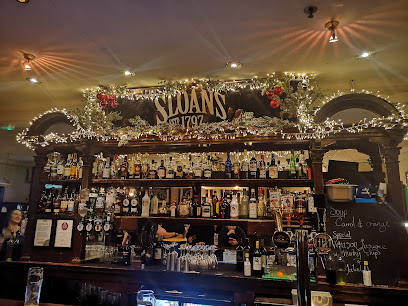
Sloans
0.3 km
Glasgow’s oldest bar and restaurant since 1797, famed for lively events, historic charm, and legendary Macaroni Cheese in a vibrant city-centre setting.
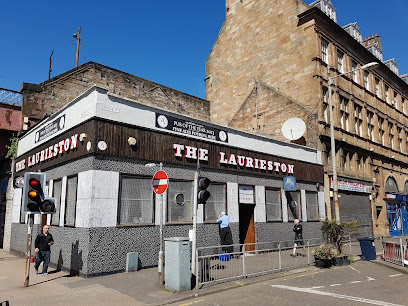
Laurieston Bar
0.4 km
Glasgow's 1960s time-capsule pub: flawless pints, diverse crowds, and unyielding Southside soul in the heart of Gorbals.
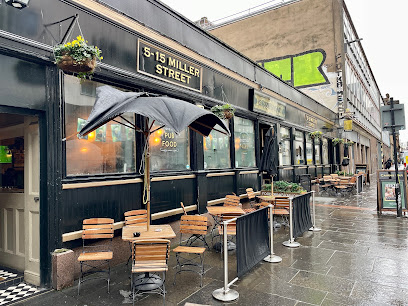
Cairns Bar
0.4 km
Cozy Merchant City pub pouring Belhaven ales, serving pub classics, and screening live sports in Glasgow's lively heart—perfect for pints and pies anytime.
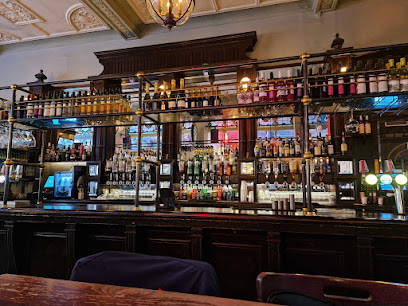
Ross's Original Bar
0.4 km
Classic Glasgow pub with hearty food, lively karaoke nights, and a welcoming old-school atmosphere in the heart of the city.
TABAC
0.4 km
Retro Parisian cocktail bar on hidden Mitchell Lane, blending masterful mixes, street food bites, and lively vibes in Glasgow's heart.
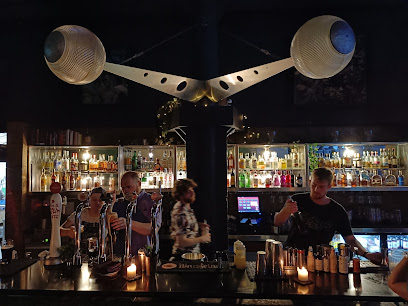
Wunderbar
0.4 km
Lively Glasgow cocktail bar blending pizza, pub vibes, and live music in a vibrant city center setting.
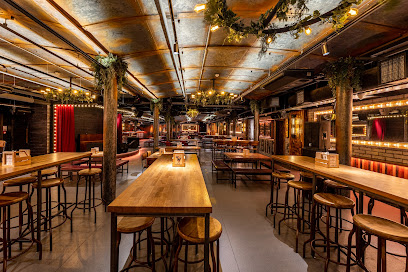
The Spiritualist Glasgow
0.5 km
Moody, theatrical cocktail bar and small-plate restaurant in central Glasgow — inventive drinks, shareable dishes and a lively evening atmosphere.
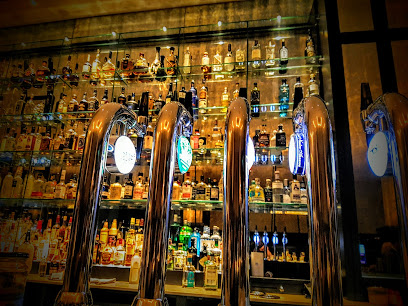
The Duke's Umbrella
0.5 km
Cozy Glasgow gastropub blending fine-dining comfort food, live music, and rustic charm in a lively, welcoming atmosphere.
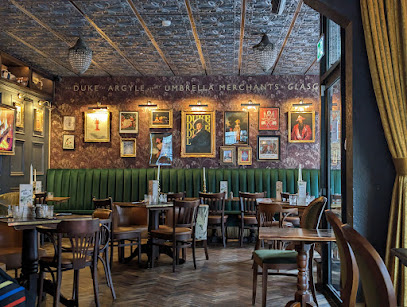
Horseshoe Bar Glasgow
0.5 km
Historic Victorian pub with Britain’s longest horseshoe-shaped bar, lively karaoke, live sports, and warm Glaswegian hospitality in the city centre.
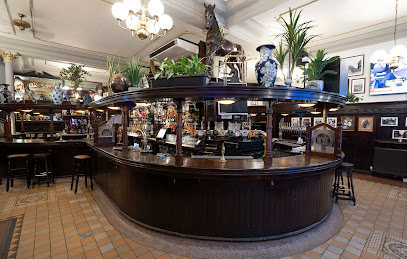
Drum & Monkey Glasgow
0.6 km
Traditional Glasgow gastropub in a historic bank building, famed for its ales, hearty pies, and welcoming city centre vibe.
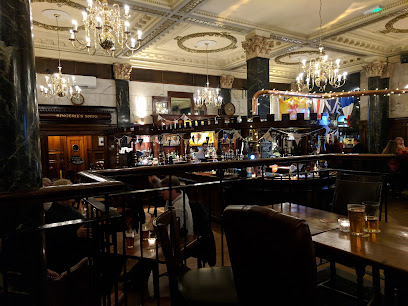
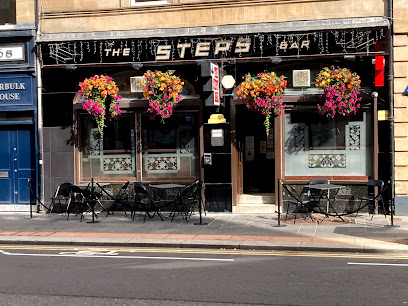
Steps Bar
0.6 km
Discover Glasgow's Art Deco time capsule: Steps Bar's preserved 1930s elegance, walnut gantry, and jukebox vibes await in Merchant City's historic heart.
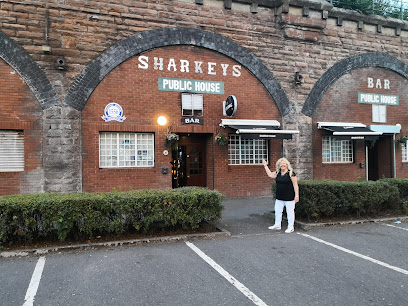
Sharkeys Bar
0.6 km
Family-run Gorbals gem serving hearty pies, perfect pints, and warm welcomes in a dog-friendly local atmosphere.
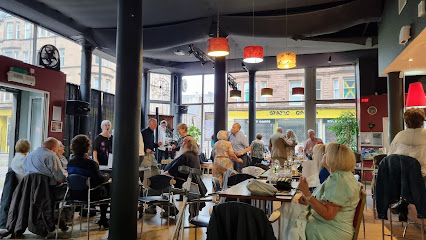
Avant Garde Music Bar & Restaurant
0.6 km
Dive into Glasgow's underground beats at Avant Garde, where live music, modern eats, and vaulted vibes create unforgettable Merchant City nights.
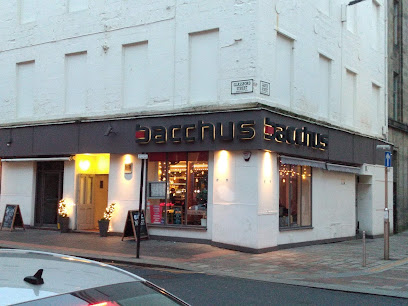
Bacchus Bar
0.6 km
Glasgow's friendliest independent bar in Merchant City, pouring wine-god vibes with live music, quizzes, and unbeatable value since over two decades.
BrewDog Glasgow Merchant City
0.7 km
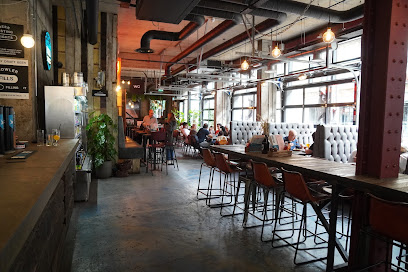
Craft beer rebellion meets smoky barbecue in Glasgow's historic Merchant City – 25 taps, outdoor patio, and dog-friendly vibes await.
Nightclubs & after hour spots

Sub Club
0.2 km
Glasgow’s legendary underground nightclub, Sub Club, pulses with cutting-edge sound and authentic dance culture in an intimate basement setting.
Classic Grand
0.2 km
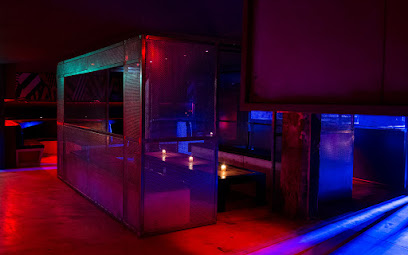
Glasgow's ultimate electronic music haven in a reborn cinema, where thunderous beats and euphoric crowds collide until dawn.
Cathouse Rock Club
0.3 km
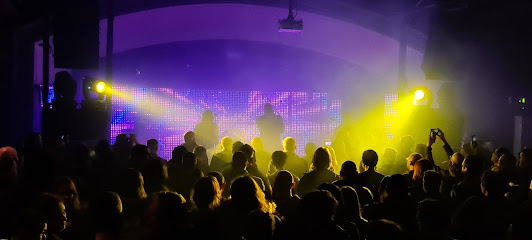
Glasgow's unrelenting rock fortress since 1990—metal riffs, live gigs, and alternative fury across three pounding rooms.
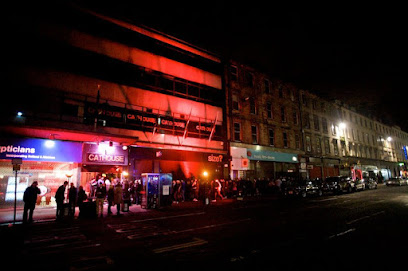
La Cheetah Club
0.5 km
Glasgow’s intimate basement club with a powerful sound system, vibrant underground beats, and a welcoming community spirit.
Club Tropicana & Venga
0.5 km
Two-room retro nightclub in central Glasgow with themed ’80s/’90s nights, booth bookings and a high-energy weekend atmosphere.
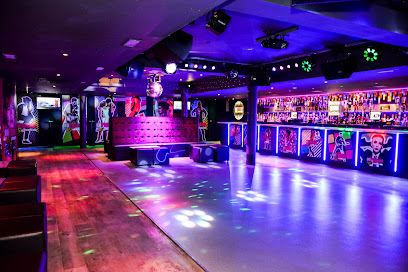
Platinum Lace Glasgow
0.6 km
Glasgow’s premier gentlemen’s club with stunning dancers, VIP luxury, and an electric nightlife atmosphere in the city centre.
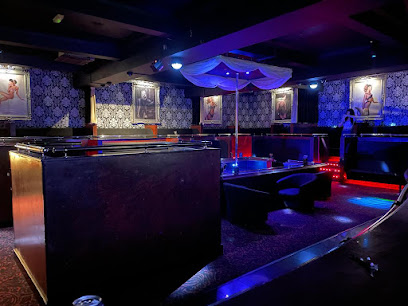
Riding Room
0.6 km
Fancy cabaret club in Glasgow's gay triangle, serving exotic kettle cocktails alongside burlesque, magic, and cheeky shows in a lively, intimate venue.
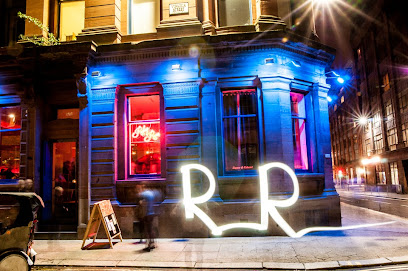
Polo Lounge
0.6 km
Glasgow's grandest gay nightclub: multi-level dance floors, cheap drinks, and non-stop energy until dawn in Merchant City's heart.
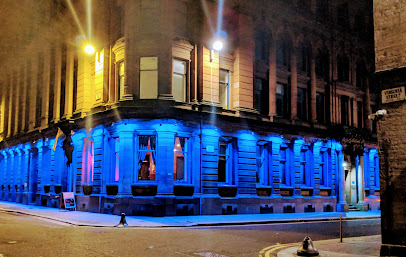
Club X
0.6 km
Glasgow's underground RnB haven: where beats throb, lights flash, and the LGBTQ+ community dances till dawn in Merchant City's beating heart.
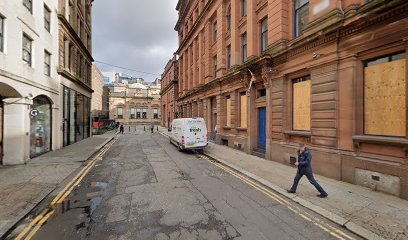
Delmonicas
0.6 km
Scotland's biggest gay club: drag shows, karaoke, DJs, and non-stop inclusive party vibes in Glasgow's Merchant City heart.
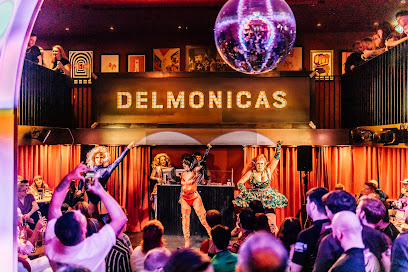
142B Lounge
0.6 km
Glasgow's premier spot for Afrobeats, Amapiano, and African flavors—dance, dine, and vibe in luxury VIP style until dawn.
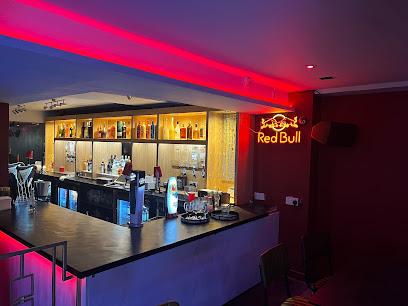
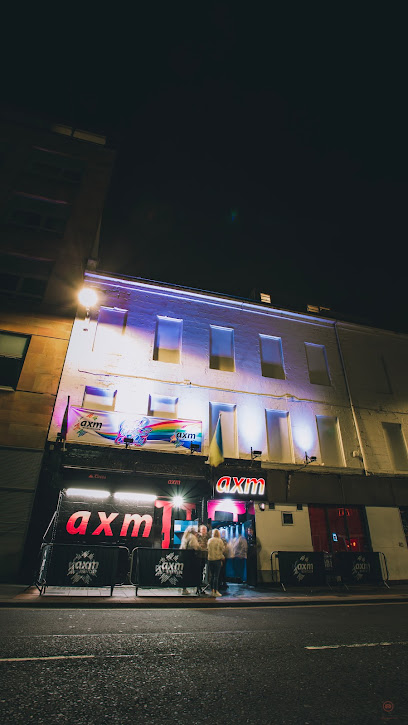
AXM Glasgow
0.7 km
Scotland's biggest LGBTQ+ nightclub: two floors of pop, charts, and dance in Glasgow's heart, with cheap drinks and zero attitude.
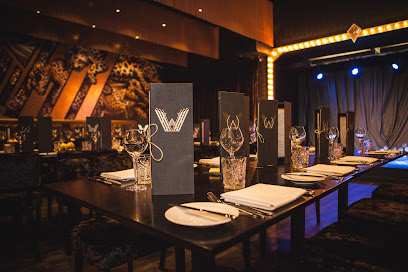
18 Candleriggs
0.7 km
Glasgow's kitsch cabaret haven where dazzling shows, tasty grill fare, and lively vibes create unforgettable Merchant City nights.
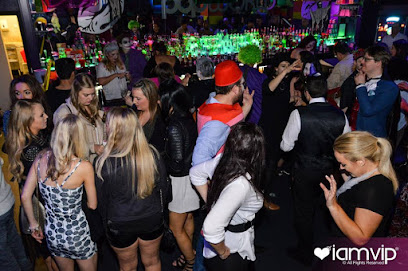
Popworld Glasgow
0.7 km
Dive into a whirlwind of 80s-00s pop anthems, retro props, and cocktail-fueled dance marathons at Glasgow's ultimate cheesy nightclub escape.
Kokomo Glasgow
0.8 km
Kokomo Glasgow was a late-night nightclub and bar known for its energetic vibe and central city location on West Regent Street.
For the vibe & atmosphere seeker
- Scenic
- Tranquil
- Unique
- Cultural Heritage
For the design and aesthetic lover
- Rustic Designs
For the architecture buff
- Landmarks
For the view chaser and sunset hunter
- Iconic Views
- Waterfront
For the social media creator & influencer
- Instagrammable
- Photo Spots
For the eco-conscious traveler
- Public-Transport Accessible
For the kind of experience you’re after
- Cultural Heritage
- Photowalk
- Day Trip
For how adventurous you want the journey to be
- Easy Access
Location Audience
- Family Friendly
- Senior Friendly
- Child Friendly
- Teen Friendly
- Wheelchair Access
- Pet Friendly
- Solo Friendly
- Couple Friendly


