From Eve
Know before you go
Hi, I'm Eve. Here are a few practical things to know before exploring Loch Lomond.
Local know-how to help you travel smarter and make the most of every moment.


Experience the breathtaking beauty and rich heritage of Loch Lomond, Scotland’s largest freshwater loch nestled between Highlands and Lowlands.
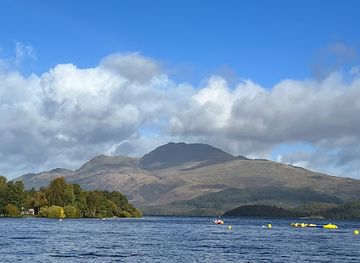
Loch Lomond, the largest freshwater lake in Great Britain by surface area, stretches 36 km through southern Scotland, straddling the Highland Boundary Fault. Renowned for its stunning natural beauty, it features rugged northern highlands, tranquil southern lowlands, and over 20 scenic islands. Part of Loch Lomond and The Trossachs National Park, it offers diverse outdoor activities, charming villages, and rich cultural heritage, making it a must-visit destination for nature lovers and adventurers alike.
Opening times, essentials, and a few local tips gathered into one calmer, easier-to-scan planning section.
Hi, I'm Eve. Here are a few practical things to know before exploring Loch Lomond.
Local know-how to help you travel smarter and make the most of every moment.
Train and Bus
Take a train from Glasgow Queen Street to Balloch, the southern gateway to Loch Lomond, with a journey time of approximately 50 minutes. From Balloch station, local buses and waterbus services provide access to various lochside villages and islands. Train tickets typically cost between £8-£15 one way.
Car
Driving from Glasgow via the A82 takes about 45-60 minutes depending on traffic. Parking is available at major visitor points like Balloch and Balmaha, but can be limited during peak seasons. No tolls apply, and fuel costs vary.
Cycling
Cyclists can use the West Loch Lomond Cycle Path, a 28 km traffic-free route running from Balloch to Arrochar and Tarbet. The path is mostly flat and suitable for varying skill levels, with bike rental available in Balloch. Allow 2-4 hours depending on pace.
Walking
For walkers, the West Highland Way follows the eastern shore of Loch Lomond, accessible from Balmaha and other points. Trails vary from easy lakeside strolls to demanding mountain hikes, such as the ascent of Ben Lomond. Prepare for uneven terrain and variable weather.
 Restrooms
 Drink Options
 Food Options
 Seating Areas
 Trash Bins
 Information Boards
 Visitor Center
Catch the right light and the right mood, whether you want a bright city moment or a more cinematic evening visit.


Use Tower Bridge as your starting point for nearby food, family ideas, nightlife, and more local discoveries.
A quick look at seasonal patterns and peak visiting hours.

Explore expert travel guides, compare and book tours, experiences, hotels, and more—all from the palm of your hand. Download now for seamless trip planning wherever your wanderlust takes you.
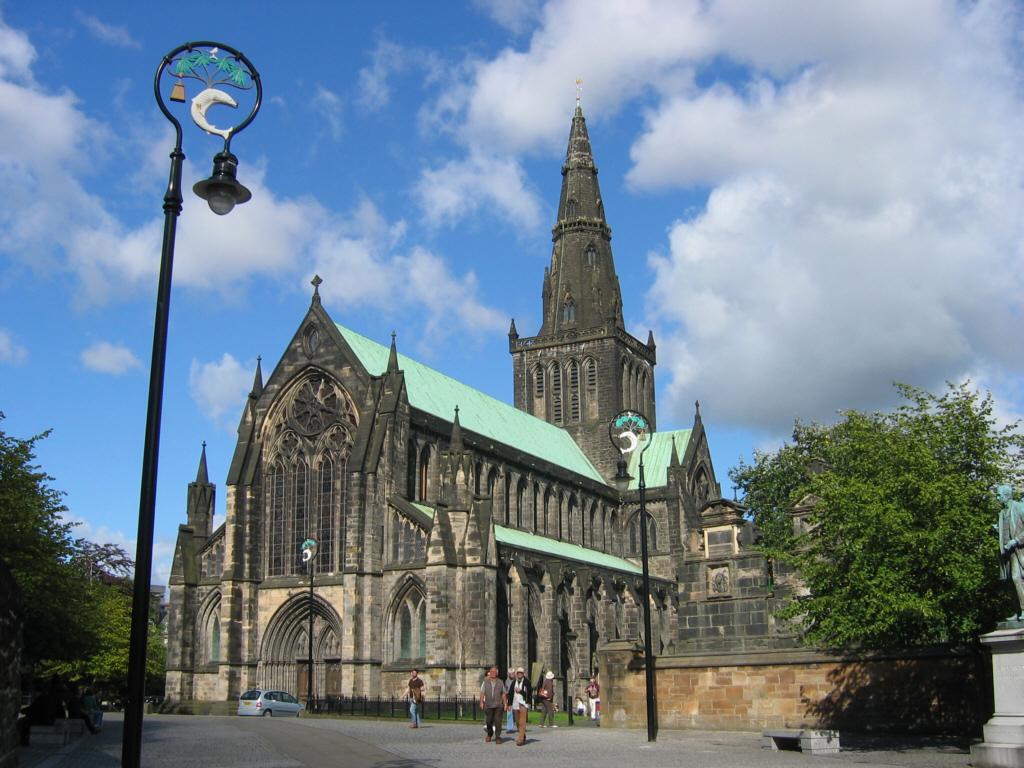
Discover Glasgow, Scotland's cultural capital, where history, architecture, and vibrant arts scene meet, offering a unique and unforgettable travel experience.
Tell me more about Glasgow