Pudding Ln, Greater London Travel Guide
Historic Pudding Lane, where the Great Fire of London began in 1666, marks a pivotal moment in the city’s fiery past and urban evolution.
Pudding Lane in London is famously known as the site where the Great Fire of London began in 1666, starting in Thomas Farriner's bakery. This narrow street, once part of a bustling medieval meat market district, played a pivotal role in London's history, witnessing the devastating blaze that reshaped the city. Beyond its fiery past, Pudding Lane was also one of the world's earliest one-way streets, reflecting London's early urban traffic regulations.
A brief summary to Pudding Ln
- London, GB
- Duration: 0.5 to 1.5 hours
- Free
-
 Outdoor
- Mobile reception: 5 out of 5

Know before you go
Hi, I'm Eve. Here are a few practical things to know before exploring Pudding Ln.
- Visit the nearby Monument to the Great Fire for panoramic views and deeper historical context.
- Explore the surrounding streets of the City of London to discover other medieval market sites and historic landmarks.
- Learn about London’s early one-way street system by observing the traffic flow on Pudding Lane.
- Consider visiting early in the morning or late afternoon to experience the lane’s quieter atmosphere.
Do you manage this location?
Take control to get all the benefits, like improved information, better appearance, and stronger visibility across AI-powered discovery. Learn more about listing your business on Evendo
Activate your presenceOther nearby places you may find interesting
The closest places of the same kind, if this one is not quite what you had in mind.
Explore Pudding Ln on the Map
A handpicked selection of must-see spots near Pudding Ln, mapped for you.
Unlock the Best of Pudding Ln
Buy tickets
-
No tickets available
Book tours with entry
-
No tours available
Book tours without entry

Getting There
-
Underground
Take the London Underground to Monument Station on the Circle or District lines; from there, Pudding Lane is a short 5-minute walk. Tube fares range from £2.50 to £6 depending on time and ticket type, with frequent service every 2-5 minutes.
-
Bus
Several London bus routes stop near Monument Station, including routes 15 and 17. Buses run every 10-15 minutes with a single fare of £1.75 using an Oyster card or contactless payment. The stop is approximately a 5-minute walk from Pudding Lane.
-
Taxi
Black cabs and ride-hailing services can drop you off directly on or near Pudding Lane. Travel times vary from 15 to 30 minutes from central London depending on traffic, with typical fares between £10 and £20.
For the on-the-go comforts that matter to you
-
 Restrooms
-
 Drink Options
-
 Food Options
-
 Information Boards
Discover more about Pudding Ln
The Historical Spark of London’s Great Fire
Pudding Lane holds a unique place in London's history as the exact location where the Great Fire of London ignited on September 2, 1666. The fire began in the bakery of Thomas Farriner, the king’s baker, when embers from the oven ignited nearby sacks of flour. Over the course of four days, the fire consumed approximately 85 percent of medieval London, destroying thousands of homes, churches including St. Paul’s Cathedral, and key civic buildings. The blaze left an estimated 100,000 people homeless and forever changed the city’s landscape.A Street Named for Medieval Offal, Not Dessert
Contrary to what its name might suggest, Pudding Lane’s name does not derive from sweet puddings but from the medieval word "pudding," meaning animal offal or entrails. In medieval times, the lane was part of the Eastcheap meat market district, where butchers would dispose of animal guts by carrying them down the lane to be thrown into the Thames or onto waste barges. This practical association with butchery and waste disposal shaped the character and economy of the street for centuries.Early Urban Innovation: One-Way Traffic Pioneer
Long before the Great Fire, Pudding Lane was notable for being one of the world’s first designated one-way streets. In 1617, a decree was issued to regulate cart traffic near the Thames, and Pudding Lane was among sixteen streets assigned to one-way traffic to improve flow and safety. This early urban planning effort highlights the lane’s role not only in commerce but also in the development of London's traffic management.Legacy and Commemoration
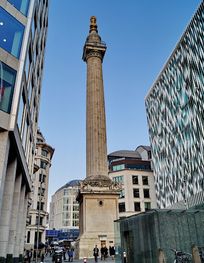
The Great Fire’s impact led to significant changes in building regulations, including the 1667 Rebuilding Act passed by King Charles II to prevent future disasters. About a decade after the fire, the Monument to the Great Fire was erected just off Pudding Lane, a 202-foot Doric column designed by Sir Christopher Wren that stands as a solemn reminder of the catastrophe. Today, the site of Farriner’s bakery is marked by modern structures, but the lane’s historical significance remains deeply embedded in London’s identity.From Medieval Market to Modern Memory
Originally lined with butchers’ stalls and inhabited by tradespeople such as basketmakers and turners, Pudding Lane evolved over time as the meat markets moved elsewhere. Yet, the lane’s connection to London’s medieval commercial life and its dramatic role in the city’s rebirth after the fire continue to attract interest. Literary references and historical accounts keep the memory of Pudding Lane alive as a symbol of both destruction and renewal.Atmosphere and Surroundings Today
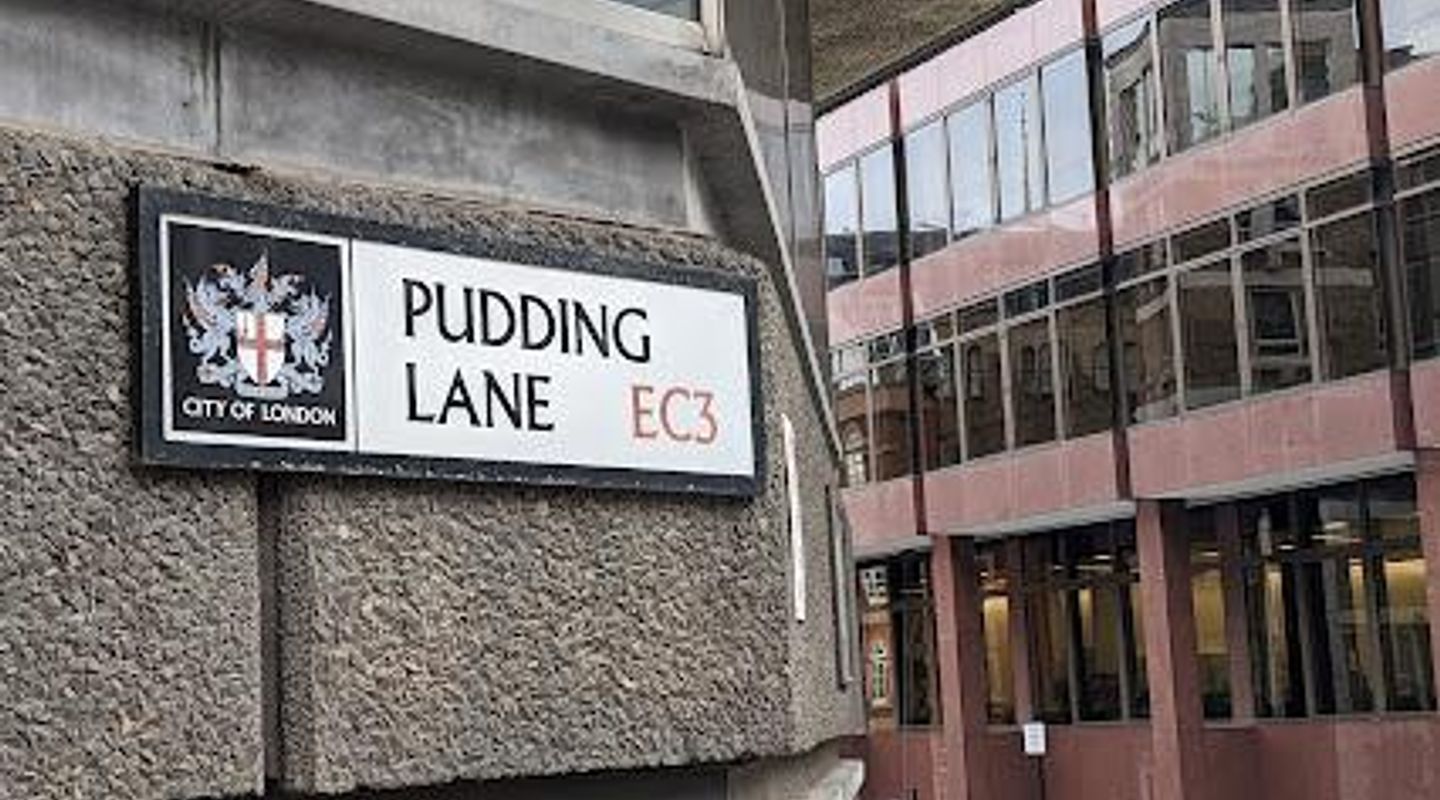
Modern Pudding Lane is a quiet, narrow street nestled in the City of London, close to the Thames and the Monument underground station. Although the original buildings no longer stand, the lane’s proximity to the Monument and the River Thames offers visitors a tangible link to the past amid the bustling financial district. The contrast between its historic significance and the contemporary urban environment invites reflection on London’s resilience and transformation.












Your all‑in‑one travel companion app
Explore expert travel guides, compare and book tours, experiences, hotels, and more—all from the palm of your hand. Download now for seamless trip planning wherever your wanderlust takes you.


Explore More of Greater London
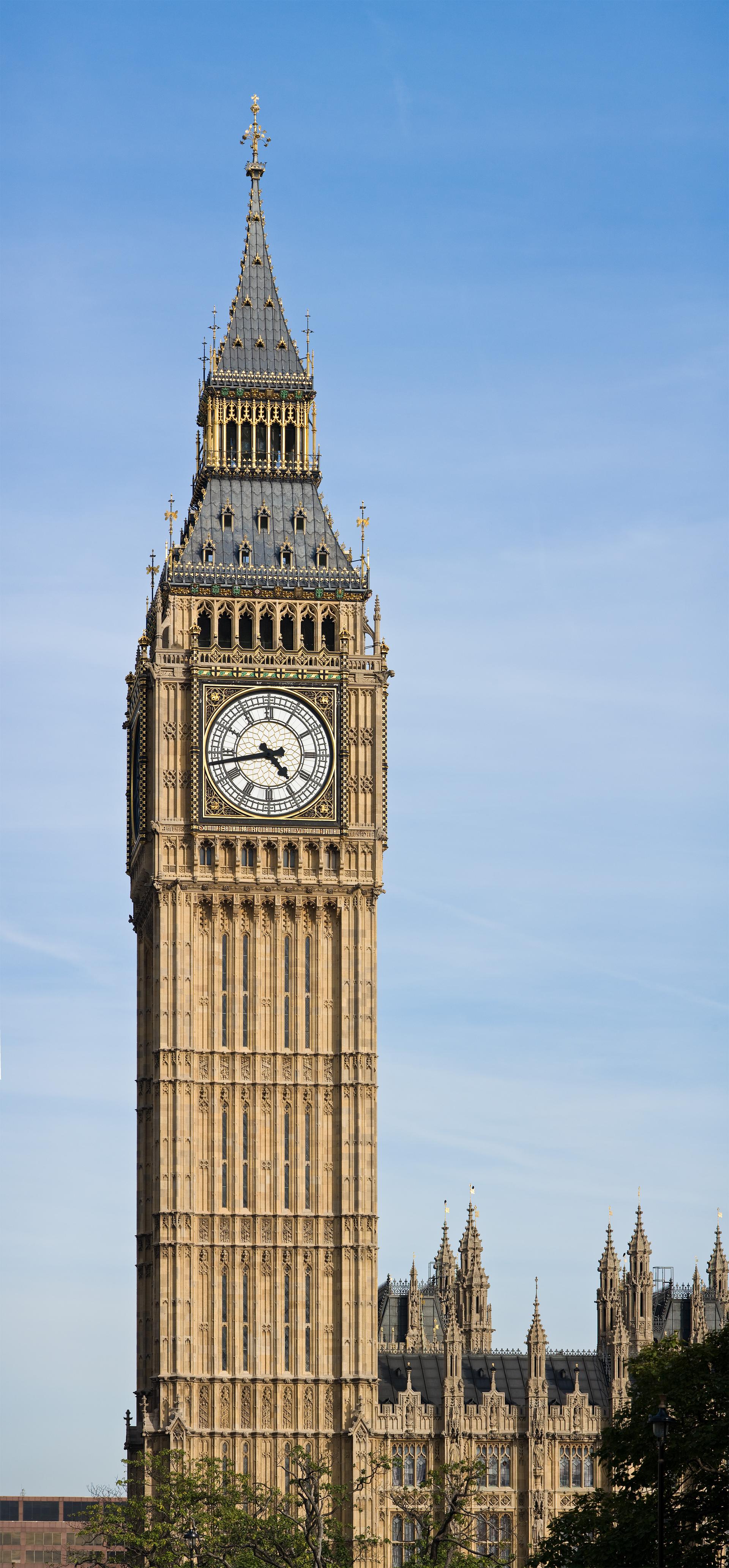
Looking beyond Pudding Ln? Discover Greater London for broader travel guides, local hot-spots, and regional highlights.
Explore Greater London