

Greater London, United Kingdom Travel Guide
Explore Greater London: A captivating blend of historic landmarks, vibrant culture, diverse cuisine, and serene green spaces in the heart of the UK.
Greater London, the vibrant heart of the United Kingdom, is a destination that effortlessly blends history with modernity. As you wander through its bustling streets, you'll find iconic landmarks such as the Tower of London, Buckingham Palace, and the Houses of Parliament, each narrating tales of the past. The city's rich history is palpable, yet it thrives with contemporary culture, making it a unique blend of the old and the new. For art and culture enthusiasts, Greater London is a treasure trove. The British Museum, the National Gallery, and the Tate Modern offer world-class exhibitions that cater to every taste. Theatre lovers can indulge in the West End's spectacular shows, while music aficionados will find endless venues hosting live performances ranging from classical concerts to rock gigs. Shopping in Greater London is an experience in itself. From the high-end boutiques of Bond Street to the eclectic markets of Camden and Portobello Road, there's something for every shopper. Foodies will revel in the diverse culinary scene, with options ranging from Michelin-starred restaurants to cozy pubs serving traditional British fare. Green spaces are abundant, providing a peaceful retreat from the urban hustle. Hyde Park, Regent's Park, and Richmond Park offer tranquil settings for picnics, walks, and boating. The River Thames, winding through the city, is perfect for scenic boat tours, offering a unique perspective of London's iconic skyline. Greater London is not just a destination; it's an experience. Its blend of history, culture, and modernity ensures that every visit is memorable.

Know before you go
Hi, I'm Eve. Here are a few practical things to know before exploring Greater London.
- Buy an Oyster card for convenient and cheaper travel on public transport.
- Visit museums and galleries early in the morning to avoid crowds.
- Experience local markets like Borough Market for fresh produce and unique food stalls.
- Take a walk along the South Bank for stunning views of the River Thames and major landmarks.
- Plan some time in the parks to relax and enjoy nature amidst the city.
Top City Travel Guides in Greater London
The cities of Greater London, and the easiest places to base yourself.

Explore Greater London: Things to Do, Places to Eat, Hotels & More
Handpicked recommendations for top attractions, local dining, accommodations, and more

Top Attractions & Sightseeing in Greater London
Top-rated picks
Best Attractions

ABBA Arena
Experience ABBA like never before in a cutting-edge arena blending digital innovation with timeless music in East London.

All England Lawn Tennis & Croquet Club
Historic home of Wimbledon Championships, the world’s oldest and most prestigious grass-court tennis tournament in London.

Highgate Cemetery
Explore Highgate Cemetery, a Victorian masterpiece blending Gothic architecture, famous graves, and tranquil nature in the heart of London.

Lord's Cricket Ground
Discover Lord's Cricket Ground, London’s historic 'Home of Cricket' where tradition meets timeless sporting excellence.

Best landmarks in Greater London
Top-rated picks
Best Landmarks

Big Ben
Discover the iconic Elizabeth Tower and Big Ben, London's Gothic Revival masterpiece and timeless symbol of British heritage.

Magna Carta
Where King John sealed the Magna Carta, forging the foundation of liberty and rule of law that echoes through centuries.

Prime Meridian
Stand astride the historic Prime Meridian line at the Royal Observatory Greenwich, the birthplace of global time and navigation.

Sir Keith Park statue
Bronze tribute to the New Zealand RAF commander who defended London during the Battle of Britain.

Best restaurants in Greater London
Top-rated picks
Best Restaurants

Restaurant Story
Experience a two Michelin-starred culinary journey where storytelling meets British fine dining in the heart of London Bridge.

The Ledbury
Experience London’s exquisite 3-Michelin-star Modern European dining with British roots and innovative flavors at The Ledbury in Notting Hill.

Bustronome London
Savor gourmet cuisine while cruising London’s iconic landmarks aboard a luxurious panoramic double-decker bus.

Dinner by Heston Blumenthal
Experience two Michelin-starred historic British cuisine reimagined with modern artistry at Dinner by Heston Blumenthal in the heart of Knightsbridge.

Best bars in Greater London
Top-rated picks
Best Bars
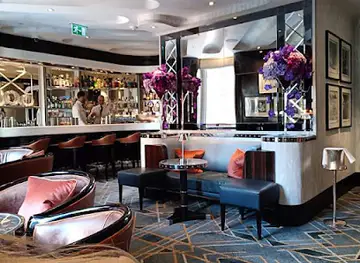
American Bar
Step into London’s oldest cocktail bar, where over a century of mixology mastery meets elegant Art Deco charm at The Savoy.

Cahoots London
Step into a 1940s London underground tube station and enjoy creative cocktails in a vibrant, theatrical vintage setting.

Gordon's Wine Bar
Step into London's oldest wine bar, where candlelight, history, and award-winning wines create an unforgettable cellar experience.

Alcotraz London: Cell Block Two-One-Two
Step into Alcotraz London for an unforgettable immersive prison-themed cocktail adventure with bespoke drinks and live theatrical fun.

Best nightclubs in Greater London
Top-rated picks
Best Nightclubs

Carwash Nightclub
Experience Europe’s longest-running disco club in London’s West End, where retro beats, vibrant crowds, and themed parties create unforgettable nights.

Egg London Nightclub
A legendary 24-hour electronic music nightclub in King's Cross, blending warehouse vibes with marathon house and techno parties.

London Best Night Clubs
Experience London’s legendary Ministry of Sound, where iconic sound systems and world-class DJs define the ultimate dance music destination.

B London
Experience South Kensington’s premier nightclub with a hidden Cuban speakeasy, world-class DJs, and a unique blend of urban art and luxury.

Best shops in Greater London
Top-rated picks
Best Shops

Cool Britannia
Discover authentic British souvenirs and capture memories in vintage costumes at Cool Britannia, steps from Buckingham Palace.
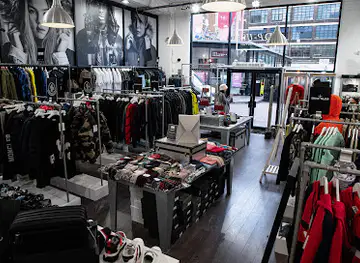
DPUS Designer Outlet
Authentic designer fashion outlet in Shoreditch’s historic Old Truman Brewery, blending luxury style with urban culture and unbeatable prices.

Pop Boutique
Discover timeless style and sustainable vintage treasures in the heart of Covent Garden at Pop Boutique.

Rococo Chocolates King's Road
Discover handcrafted British chocolates and immersive workshops at Rococo Chocolates King's Road, a refined boutique steeped in artisan tradition.

Explore Greater London on the Map
A handpicked selection of must-see spots in Greater London, mapped for you.
Greater London Essentials
-
Greater London is well-connected with the rest of the world. The city is served by six international airports: Heathrow (LHR), Gatwick (LGW), Stansted (STN), Luton (LTN), London City (LCY), and Southend (SEN). Heathrow is the busiest and largest, offering the most international connections. From the airports, you can take express trains, buses, or taxis to central London. The Heathrow Express, Gatwick Express, and Stansted Express provide fast and direct services to the city. Alternatively, National Express and easyBus offer more economical coach services. Eurostar trains connect London to mainland Europe via the Channel Tunnel, arriving at St Pancras International station.
-
London has an extensive public transportation system managed by Transport for London (TfL). The London Underground (Tube) is the fastest way to get around the city, with 11 lines covering Greater London. Buses are a great way to see the sights and are operational 24/7. The Oyster card and contactless payment cards are the most convenient ways to pay for public transport. Black cabs and ride-sharing services like Uber are also readily available. For short distances, consider using rental bikes from Santander Cycles. London is pedestrian-friendly, especially in central areas like the West End and along the Thames.
-
The currency in the United Kingdom is the British Pound Sterling (GBP). Credit and debit cards are widely accepted, and contactless payments are common. ATMs are plentiful, especially in central London. For smaller purchases, especially in markets or small shops, it's advisable to carry some cash. Currency exchange services are available at airports, banks, and dedicated exchange bureaus. Ensure you inform your bank of your travel plans to avoid any issues with card transactions.
-
Greater London is generally a safe destination for tourists, but it's important to stay vigilant. Areas like Westminster, Camden, and Southwark attract many tourists and can be targets for pickpockets. Avoid poorly lit or deserted areas at night and keep an eye on your belongings in crowded places. Be cautious in certain neighborhoods like Hackney and Tower Hamlets, which have higher crime rates. Always use licensed taxis and avoid street touts. Emergency services can be reached by dialing 999 or 112.
-
In case of emergency, dial 999 or 112 for police, fire, or medical assistance. Major hospitals with Accident & Emergency (A&E) departments include St Thomas' Hospital, University College Hospital, and The Royal London Hospital. Pharmacies (chemists) are widely available for minor health issues. It's advisable to have travel insurance that covers medical emergencies. The Metropolitan Police Service has a Tourist Police Unit that can provide assistance and advice to visitors.
-
Fashion: Do dress smart-casual, especially if dining out or visiting theaters. Avoid overly casual attire in upscale establishments. Religion: Do respect religious sites by dressing modestly and being quiet. Public Transport: Do stand on the right side of escalators and let passengers off trains before boarding. Don't eat or drink on public transport. Greetings: Do greet with a handshake; in informal settings, a simple 'hello' is sufficient. Eating & Drinking: Do try British cuisine and afternoon tea. Don't leave a pub without paying for your drinks immediately at the bar.
-
To experience Greater London like a local, visit borough markets such as Borough Market for food or Camden Market for eclectic shopping. Explore neighborhoods like Shoreditch and Brixton for vibrant nightlife and cultural diversity. Take a walk along the South Bank for arts and entertainment. Use TfL's journey planner and mobile apps to navigate the city efficiently. Attend a West End show or a local theatre production for a taste of London's performing arts scene.
When is the best time to visit Greater London?
Useful Local Phrases for Greater London
You don't need to speak the language perfectly. Even learning a few simple words can make conversations warmer—and locals usually appreciate the effort.
— Eve

Here are the phrases I use most often in Greater London. Try a few—you'll be surprised how far they go! 😊
❤️
-
- HelloHello
[həˈlō] - GoodbyeBye
[baɪ] - YesYeah
[jɛə] - NoNah
[nɑː] - Please/You're welcomeCheers
[tʃɪəz] - Thank youThanks
[θæŋks] - Excuse me/SorrySorry
[ˈsɒri] - How are you?How's it going?
[haʊz ɪt ˈɡəʊɪŋ] - Fine. And you?All good, you?
[ɔːl ɡʊd, juː] - Do you speak English?Do you speak English?
[duː juː spiːk ˈɪŋɡlɪʃ] - I don't understandI don't get it
[aɪ doʊnt ɡɛt ɪt]
- HelloHello
-
- I'd like to see the menu, pleaseCan I see the menu, please?
[kæn aɪ siː ðə ˈmɛnjuː, pliz] - I don't eat meatI'm vegetarian
[aɪm ˌvɛdʒɪˈtɛəriən] - Cheers!Cheers!
[tʃɪəz] - I would like to pay, pleaseCan I pay, please?
[kæn aɪ peɪ, pliz]
- I'd like to see the menu, pleaseCan I see the menu, please?
-
- Help!Help!
[hɛlp] - Go away!Get lost!
[ɡɛt lɒst] - Call the Police!Call the cops!
[kɔːl ðə kɒps] - Call a doctor!Get a doctor!
[ɡɛt ə ˈdɒktə] - I'm lostI'm lost
[aɪm lɒst] - I'm illI'm not well
[aɪm nɒt wɛl]
- Help!Help!
-
- I'd like to buy...I want to buy...
[aɪ wɒnt tuː baɪ] - I'm just lookingJust browsing
[dʒʌst ˈbraʊzɪŋ] - How much is it?How much is this?
[haʊ mʌtʃ ɪz ðɪs] - That's too expensiveThat's a bit pricey
[ðæts ə bɪt ˈpraɪsi] - Can you lower the price?Can you knock down the price?
[kæn juː nɒk daʊn ðə praɪs]
- I'd like to buy...I want to buy...
-
- What time is it?What time is it?
[wɒt taɪm ɪz ɪt] - It's one o'clockIt's one
[ɪts wʌn] - Half past (10)Half ten
[hɑːf tɛn] - MorningMorning
[ˈmɔːrnɪŋ] - AfternoonAfternoon
[ˌɑːftərˈnuːn] - EveningEvening
[ˈiːvnɪŋ] - YesterdayYesterday
[ˈjɛstərdeɪ] - TodayToday
[təˈdeɪ] - TomorrowTomorrow
[təˈmɒrəʊ] - 1One
[wʌn] - 2Two
[tuː] - 3Three
[θriː] - 4Four
[fɔːr] - 5Five
[faɪv] - 6Six
[sɪks] - 7Seven
[ˈsɛvən] - 8Eight
[eɪt] - 9Nine
[naɪn] - 10Ten
[tɛn]
- What time is it?What time is it?
-
- Where's a/the...?Where's the...?
[wɛəz ðə] - What's the address?What's the address?
[wɒts ðə əˈdrɛs] - Can you show me (on the map)?Can you show me on the map?
[kæn juː ʃəʊ miː ɒn ðə mæp] - When's the next (bus)?When's the next bus?
[wɛn ðə nɛkst bʌs] - A ticket (to ....)A ticket to ...
[ə ˈtɪkɪt tə]
- Where's a/the...?Where's the...?
History of Greater London
-
Greater London's history dates back to its founding by the Romans in AD 43, who named it Londinium. It quickly became an important commercial center due to its strategic location along the River Thames. The Romans built roads, walls, and public buildings, many of which laid the groundwork for the city's future development.
-
In 1066, the Norman Conquest ushered in a new era for London. William the Conqueror built the Tower of London, which served both as a fortress and royal palace. The medieval period saw the construction of significant landmarks, including Westminster Abbey and the first incarnation of St. Paul's Cathedral.
-
The 16th century was a transformative period for London under the Tudor monarchy. The city expanded rapidly, becoming a bustling hub of trade and culture. The reign of Elizabeth I saw the rise of the English Renaissance, with luminaries like William Shakespeare and Christopher Marlowe contributing to London's vibrant theatrical scene.
-
In 1666, the Great Fire of London devastated much of the city, destroying thousands of homes and iconic structures. The fire began in a bakery on Pudding Lane and raged for several days. The rebuilding efforts that followed led to the creation of new architectural marvels, including Sir Christopher Wren’s redesign of St. Paul's Cathedral.
-
The 19th century was marked by the Industrial Revolution, which transformed London into one of the world's leading industrial and financial centers. The Victorian era saw the construction of iconic landmarks such as the Houses of Parliament, the Tower Bridge, and the expansion of the London Underground, the world's first metro system.
-
During World War II, London endured the Blitz, a sustained bombing campaign by Nazi Germany. Significant portions of the city were destroyed, and tens of thousands of lives were lost. The resilience of Londoners during this period is celebrated, and many war memorials and museums commemorate their bravery.
-
In the late 20th and early 21st centuries, London has evolved into a global metropolis, renowned for its cultural diversity, economic prowess, and historical landmarks. Modern architectural additions like The Shard and the Millennium Dome (now The O2) blend with historic sites, making London a unique city that bridges the old and the new.
Neighbouring Regions of Greater London
The closest regions to Greater London, if you have time for more than one.


Your all‑in‑one travel companion app
Explore expert travel guides, compare and book tours, experiences, hotels, and more—all from the palm of your hand. Download now for seamless trip planning wherever your wanderlust takes you.


Explore More of United Kingdom

Looking beyond Greater London? Discover United Kingdom for broader travel guides, local hot-spots, and regional highlights.
Explore United KingdomGreater London in Photos
Browse through our photo collection highlighting the charm and character of the destination.


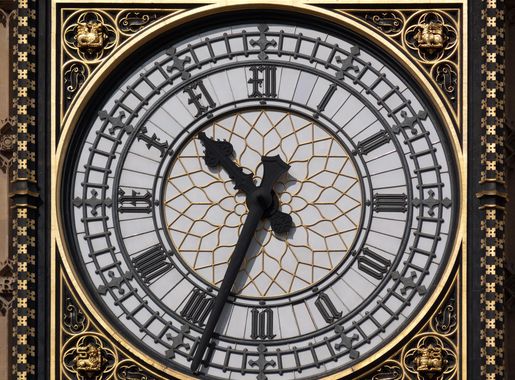


The Allure of Greater London: A Journey Through Time and Culture
Greater London, the vibrant heart of the United Kingdom, is a destination that effortlessly blends history with modernity. As you wander through its bustling streets, you'll find iconic landmarks such as the Tower of London, Buckingham Palace, and the Houses of Parliament, each narrating tales of the past. The city's rich history is palpable, yet it thrives with contemporary culture, making it a unique blend of the old and the new. For art and culture enthusiasts, Greater London is a treasure trove. The British Museum, the National Gallery, and the Tate Modern offer world-class exhibitions that cater to every taste. Theatre lovers can indulge in the West End's spectacular shows, while music aficionados will find endless venues hosting live performances ranging from classical concerts to rock gigs. Shopping in Greater London is an experience in itself. From the high-end boutiques of Bond Street to the eclectic markets of Camden and Portobello Road, there's something for every shopper. Foodies will revel in the diverse culinary scene, with options ranging from Michelin-starred restaurants to cozy pubs serving traditional British fare. Green spaces are abundant, providing a peaceful retreat from the urban hustle. Hyde Park, Regent's Park, and Richmond Park offer tranquil settings for picnics, walks, and boating. The River Thames, winding through the city, is perfect for scenic boat tours, offering a unique perspective of London's iconic skyline. Greater London is not just a destination; it's an experience. Its blend of history, culture, and modernity ensures that every visit is memorable.