Vicar's Cl, Gwent Travel Guide
Step back into medieval England on Vicars' Close, Europe's oldest intact residential street, where history, architecture, and cathedral music live on.
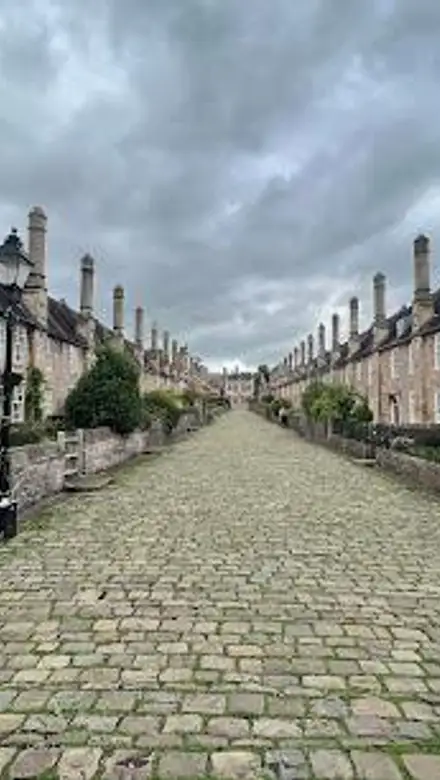
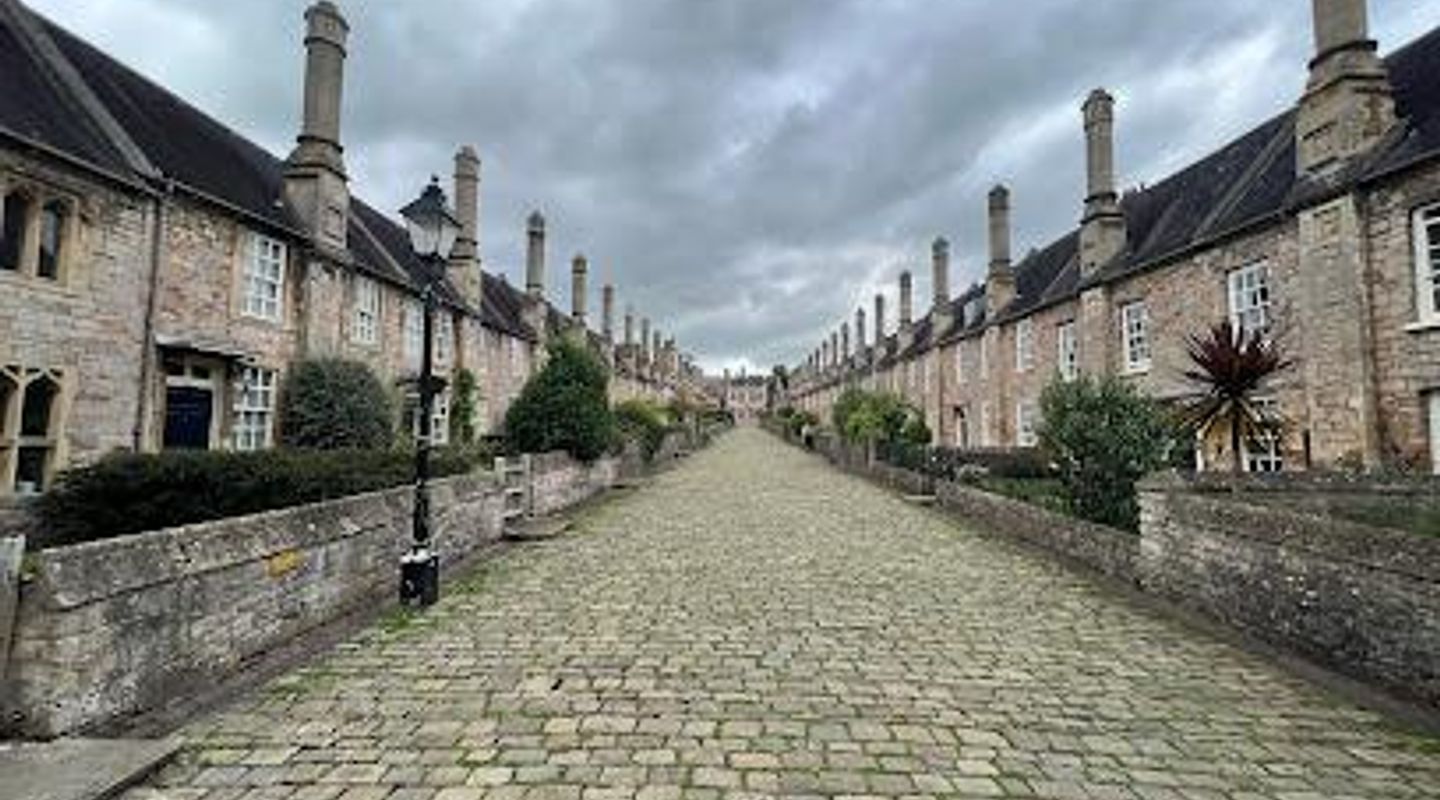
Vicars' Close in Wells, Somerset, is a remarkable medieval street built in 1348 by Bishop Ralph of Shrewsbury to house the Vicars Choral of Wells Cathedral. Known as the oldest purely residential street in Europe with original buildings still intact, it features 27 Grade I listed limestone houses, a chapel, and a communal hall. The street remains inhabited by successors of the original choir members and is connected to the cathedral by the historic Chain Gate.
A brief summary to Vicar's Cl
- Wells, GB
- Duration: 0.5 to 2 hours
- Budget
-
 Outdoor
- Mobile reception: 4 out of 5

Know before you go
Hi, I'm Eve. Here are a few practical things to know before exploring Vicar's Cl.
- Visit during weekdays for a quieter experience and to join guided tours that explore the restored interiors and musical heritage.
- Look for the Chain Gate connecting Vicars' Close to Wells Cathedral, an iconic medieval architectural feature.
- Wear comfortable shoes to walk the cobbled street and appreciate the medieval atmosphere fully.
- Check for special events or musical performances linked to the Vicars Choral tradition when planning your visit.
Do you manage this location?
Take control to get all the benefits, like improved information, better appearance, and stronger visibility across AI-powered discovery. Learn more about listing your business on Evendo
Activate your presenceOther nearby places you may find interesting
The closest places of the same kind, if this one is not quite what you had in mind.

Explore Vicar's Cl on the Map
A handpicked selection of must-see spots near Vicar's Cl, mapped for you.
Getting There
-
Train and Bus
Travel by train to Wells railway station (approximately 1.5 hours from Bristol Temple Meads). From the station, take a local bus to Wells city center; the journey takes about 15 minutes. Bus services run regularly but check schedules for weekend frequency. Walking from the city center to Vicars' Close takes around 10 minutes over mostly flat terrain.
-
Car
Driving to Wells from nearby cities like Bristol or Bath takes about 45 minutes via the A37. Parking is available in city center car parks within a 10-minute walk of Vicars' Close. Note that the Close itself is pedestrian-only, and some streets nearby have limited access.
-
Walking
For visitors staying in Wells, Vicars' Close is accessible on foot within a 10-minute walk from most central accommodations. The route is along paved streets with some cobblestones, suitable for most visitors but may be uneven in places.
For the on-the-go comforts that matter to you
-
 Restrooms
-
 Drink Options
-
 Food Options
-
 Seating Areas
-
 Information Boards
Discover more about Vicar's Cl
Medieval Origins and Purpose
Vicars' Close was constructed beginning in 1348 under the direction of Bishop Ralph of Shrewsbury to provide dedicated housing for the Vicars Choral, the priests responsible for singing daily services at Wells Cathedral. Originally comprising 42 houses, one for each vicar, the street was designed as a cohesive residential community with a strong spiritual and practical purpose. The houses were built in two rows along a narrow, cobbled street, with a chapel at the north end and the Vicars' Hall at the south. This hall served as a communal dining and administrative center, featuring a kitchen, bakery, and brewhouse where the vicars ate together.Architectural Features and Layout
The limestone houses of Vicars' Close are notable for their medieval craftsmanship and design. Each home was originally two stories, with fireplaces on both floors, latrines draining into a rear channel, and access to fresh water from wells at either end of the street. The street’s narrowing towards the chapel and the alignment of chimneys were deliberate architectural choices to foster community and spiritual focus. Over the centuries, the houses were altered with additions such as walled gardens and distinctive chimney shafts, and some interiors were combined following the Reformation when vicars were permitted to marry. Despite these changes, the street retains its medieval character and is considered one of the best-preserved groups of medieval houses in Europe.Connection to Wells Cathedral and Historical Significance
Vicars' Close is physically linked to Wells Cathedral by the Chain Gate, a distinctive arched bridge built in 1459 by Thomas Beckington. This connection allowed the vicars convenient access to the cathedral’s quire for their musical duties. The Close has been continuously inhabited by successors of the original Vicars Choral, maintaining its unique role as a living medieval community. The street and its buildings are all Grade I listed, reflecting their exceptional heritage value. Vicars' Close has also inspired prominent architects during the Victorian Gothic Revival and has been featured in cultural works such as the 1972 film adaptation of The Canterbury Tales.Preservation and Visitor Experience
Throughout its history, Vicars' Close has undergone several restoration phases, notably in the 19th century by architects like Benjamin Ferrey and William Burges, who contributed Gothic Revival elements while respecting the medieval fabric. Recent conservation efforts, supported by National Lottery Heritage funding, aim to address structural issues and open parts of the Close to the public. Visitors will soon be able to explore restored houses, experience period interiors, and learn about the Close’s musical heritage through guided tours and events. The project also emphasizes the ongoing cultural and educational role of the Close, blending historical preservation with contemporary community engagement.Atmosphere and Cultural Legacy
Walking along Vicars' Close today, one encounters a serene and evocative atmosphere, where the narrow street and uniform medieval façades create a timeless setting. The Close’s historical function as a home for cathedral singers imbues it with a sense of continuity and spiritual devotion. Its preservation as a residential street still in use for its original purpose makes it a unique cultural landmark. The Close’s story is not only architectural but also musical and communal, reflecting centuries of religious practice, social change, and heritage conservation.Vicars' Close in the Context of Wells
Situated just a few yards from the Cathedral Green, Vicars' Close complements the rich medieval heritage of Wells, a small city known for its historic architecture and ecclesiastical significance. The Close’s proximity to the cathedral and its integration into the city’s religious life highlight the interconnectedness of Wells’ historic sites. As a preserved medieval enclave, it offers visitors and scholars alike a rare glimpse into the living history of England’s ecclesiastical communities.












Your all‑in‑one travel companion app
Explore expert travel guides, compare and book tours, experiences, hotels, and more—all from the palm of your hand. Download now for seamless trip planning wherever your wanderlust takes you.


Explore More of Gwent
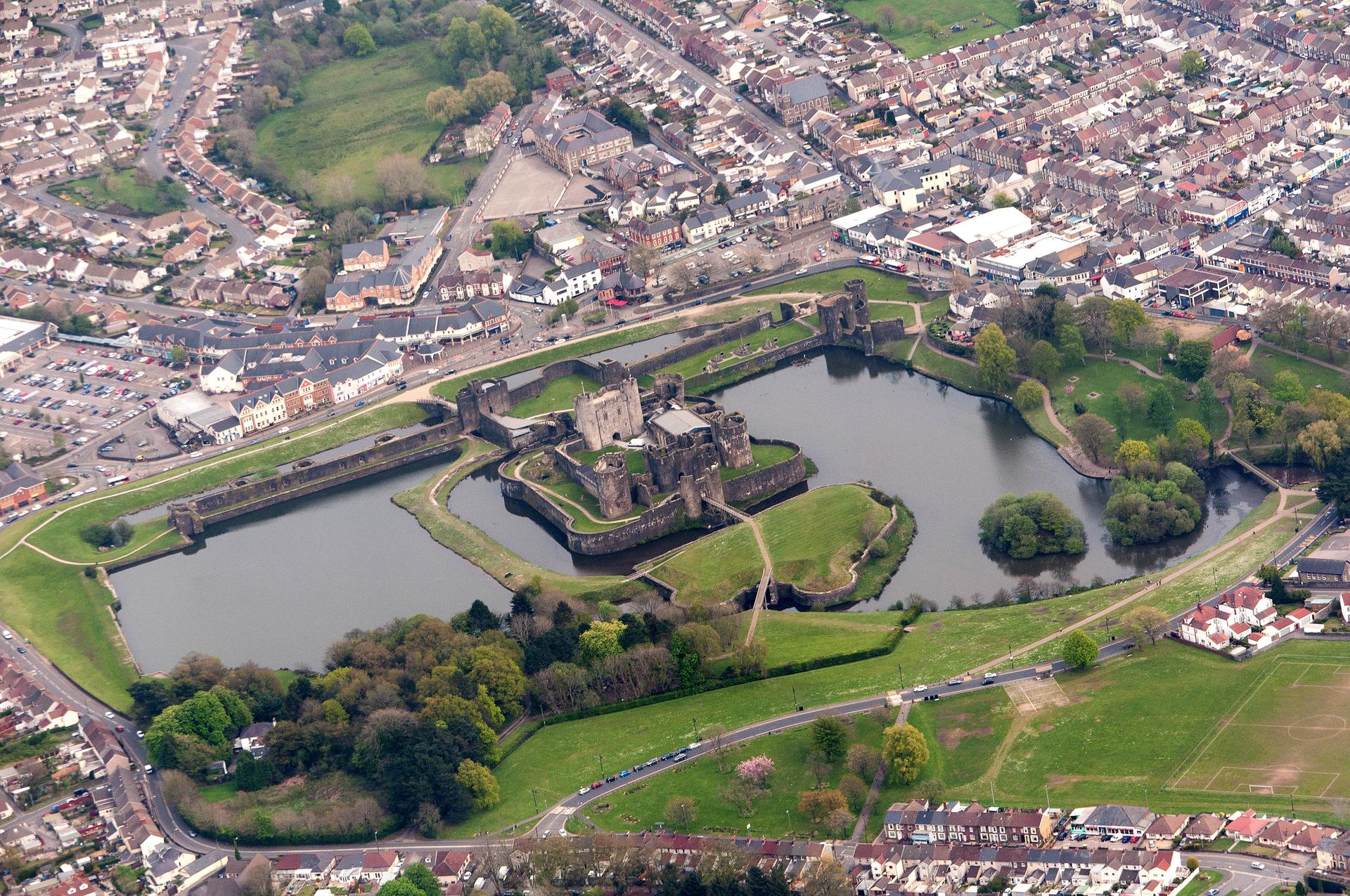
Looking beyond Vicar's Cl? Discover Gwent for broader travel guides, local hot-spots, and regional highlights.
Explore Gwent
Experience modern waterfront living in Bristol’s vibrant Hannover Quay, where city culture meets scenic harbour views.
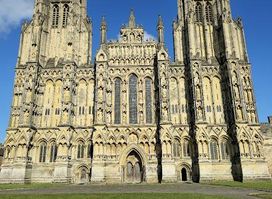
Discover Wells Cathedral, England’s first fully Gothic cathedral, famed for its stunning west front, scissor arches, and medieval stained glass treasures.