
Gwent, United Kingdom Travel Guide
Explore Gwent, a captivating blend of ancient history, picturesque landscapes, and vibrant culture in the heart of Wales.
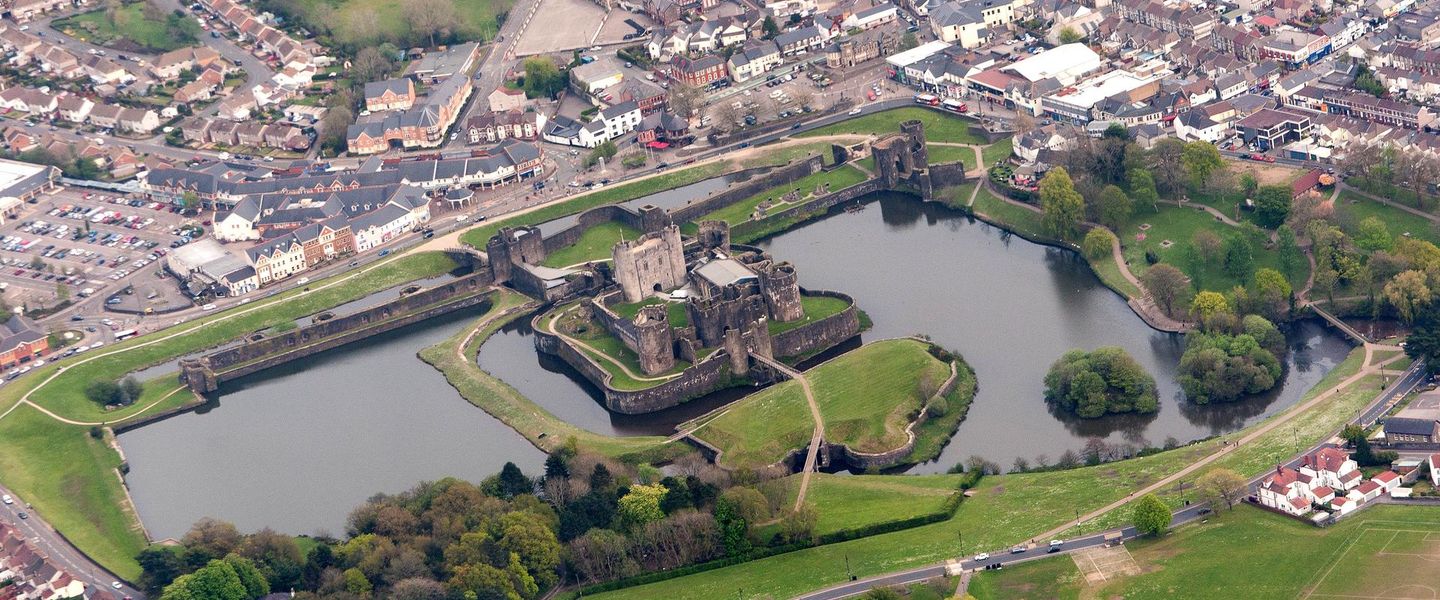
Nestled in the southeastern corner of Wales, Gwent is a captivating destination where history, culture, and nature converge. This region, once a historic county, is brimming with ancient castles, picturesque landscapes, and charming towns. Gwent is perfect for travelers eager to explore the beauty and heritage of Wales. Begin your adventure in the vibrant market town of Abergavenny, often referred to as the 'Gateway to Wales'. This town is renowned for its local food festivals, lively markets, and the breathtaking views from the nearby Black Mountains. Don't miss a visit to Abergavenny Castle, a Norman relic that offers a glimpse into the region's storied past. For history enthusiasts, Gwent is a treasure trove. The imposing Caerleon Roman Fortress and Baths provide fascinating insights into Roman Britain. Wander through the ruins and imagine life as it was in ancient times. Another must-see is the majestic Tintern Abbey, a Cistercian monastery founded in the 12th century and immortalized by poets and artists for its haunting beauty. Nature lovers will find Gwent equally rewarding. The Wye Valley, an Area of Outstanding Natural Beauty, offers stunning river views, lush forests, and excellent hiking opportunities. The Brecon Beacons National Park, located just a short drive away, beckons with its rolling hills, waterfalls, and trails suited for all levels of hikers. Gwent's rich cultural tapestry is also evident in its numerous festivals and events. From the Abergavenny Food Festival to the Monmouthshire Show, the region celebrates its heritage and community spirit with gusto. Be sure to indulge in local Welsh delicacies and experience the warm hospitality of the Gwent people.

Know before you go
Hi, I'm Eve. Here are a few practical things to know before exploring Gwent.
- Visit Abergavenny during its food festival in September for a taste of local cuisine.
- Wear comfortable walking shoes; many attractions are best explored on foot.
- Check the opening times of historical sites, as they can vary seasonally.
- Bring a raincoat or umbrella, as weather in Wales can be unpredictable.
- Explore the Brecon Beacons early in the morning to avoid crowds and enjoy the tranquility.
Top City Travel Guides in Gwent
The cities of Gwent, and the easiest places to base yourself.

Destinations in Gwent
Resorts, valleys and scenic spots worth a trip of their own.

Explore Gwent: Things to Do, Places to Eat, Hotels & More
Handpicked recommendations for top attractions, local dining, accommodations, and more

Top Attractions & Sightseeing in Gwent
Top-rated picks
Best Attractions

Bristol Cathedral
Explore Bristol Cathedral’s majestic medieval hall church with soaring vaults, Gothic Revival nave, and centuries of rich history in the city’s heart.

Bristol Museum & Art Gallery
Discover Bristol’s rich heritage and diverse art collections in a stunning Edwardian Baroque museum in the heart of Clifton.

Bristol Old Vic
Experience the oldest continuously working theatre in the English-speaking world, where history and innovation meet on Bristol’s King Street.

Brunel's SS Great Britain
Explore the pioneering steamship Brunel’s SS Great Britain, a Victorian maritime marvel and Bristol’s top historic attraction.

Best landmarks in Gwent
Top-rated picks
Best Landmarks

Cabot Tower
Historic Cabot Tower atop Bristol’s oldest park offers stunning panoramic city views and a peaceful urban nature escape.

Bristol Bridge
A historic stone bridge spanning the River Avon, linking Bristol’s medieval past with its modern cityscape.
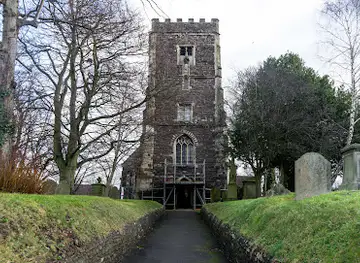
Newport Cathedral
Historic Norman cathedral atop Stow Hill, blending ancient architecture with vibrant worship and cultural events in Newport, South Wales.

St Peter's Church
Explore the haunting ruins of St Peter’s Church in Castle Park, a solemn World War II memorial and historic gem in the heart of Bristol.

Best restaurants in Gwent
Top-rated picks
Best Restaurants

The Glen Yr Afon House Hotel
Elegant country house hotel in picturesque Usk, blending historic charm, superb dining, and heartfelt hospitality for unforgettable Monmouthshire escapes.

Fratelli Newport
Experience authentic Italian flavors and warm hospitality at Fratelli Newport, a vibrant culinary jewel in the heart of Newport.

Gem 42
Experience inventive modern European cuisine with generous tasting menus and warm service in the heart of Newport.
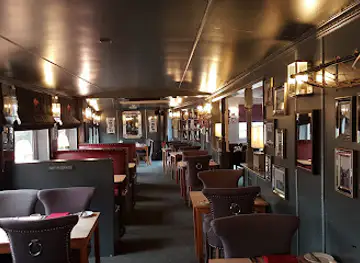
Junction 28
Discover Junction 28, where modern European cuisine meets Newport’s rich railway heritage in a tranquil and inviting setting.

Best bars in Gwent
Top-rated picks
Best Bars

Alcotraz Bristol: Cell Block Two-Two-Six
A theatrical prison cocktail experience where you smuggle spirits, complete secret missions, and enjoy bespoke drinks crafted by inmate mixologists.

Alcotraz Cardiff: Cell Block Nine-One
Step inside Cardiff’s immersive prison cocktail bar for bespoke drinks, live actors, and a theatrical night behind bars.
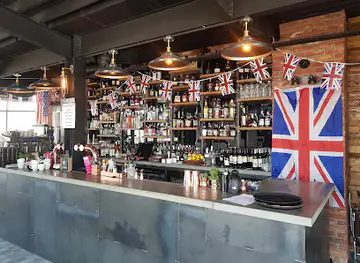
BAR.CODE
Where Newport’s street food innovation meets premium cocktails and live weekend vibes on Rodney Road.

The Crystal Palace, Bath
Historic Victorian pub near Bath’s Roman Baths, blending traditional charm with elegant interiors and a spacious garden.

Best nightclubs in Gwent
Top-rated picks
Best Nightclubs

Trilogy Nightclub
Experience Bangor’s vibrant nightlife at Trilogy Nightclub, where diverse music rooms and lively events create unforgettable weekend nights.

Eclipse Nightclub
Energetic midweek nightclub in Pontypridd with vibrant music, spacious dance floor, and a lively crowd for unforgettable nights.

Mainstreet Nightclub
Experience Newport’s vibrant nightlife at Mainstreet Nightclub, where music, dancing, and a lively crowd create unforgettable late-night fun.

Squares Night club
Experience Porth’s vibrant nightlife at Squares Nightclub, a lively hub of music, dance, and inclusive celebration every weekend until the early hours.

Best shops in Gwent
Top-rated picks
Best Shops

28 East Retail Park
A modern and spacious retail park in Newport offering a wide range of shops, family-friendly facilities, and excellent accessibility.

Newport Market
Discover Newport Market, a vibrant indoor hub blending diverse food, independent shops, and lively cultural events in the heart of Newport.

Primark
Discover stylish, affordable fashion and homeware at Primark Newport, your go-to shopping destination in the heart of Newport’s Kingsway Centre.

Cwmbran Centre
Modern retail hub in Cwmbran featuring diverse shopping, dining, and festive seasonal events.

Explore Gwent on the Map
A handpicked selection of must-see spots in Gwent, mapped for you.
Gwent Essentials
-
Gwent is located in South Wales and is well-connected by various modes of transportation. The nearest major airports are Cardiff Airport (CWL) and Bristol Airport (BRS), both of which are around an hour's drive away. From these airports, you can take a train, bus, or hire a car to reach Gwent. The region is also accessible by train with direct services from London Paddington to Newport, a central hub in Gwent. Major motorways like the M4 and the A449 provide easy road access.
-
Public transportation in Gwent is efficient and includes buses, trains, and taxis. The local bus network connects small towns and villages, while the rail service links key locations like Newport, Abergavenny, and Chepstow. For more flexibility, consider renting a car, especially if you plan to explore rural areas and historical sites. Taxis are available but can be more expensive, so it's advisable to book in advance if possible.
-
The official currency in the United Kingdom is the British Pound Sterling (GBP). Credit and debit cards are widely accepted in most establishments, including hotels, restaurants, and shops. ATMs are easily accessible in towns and cities, but it's wise to carry some cash for smaller vendors or rural areas where card payments might not be accepted.
-
Gwent is generally a safe destination for tourists. However, as with any travel destination, it is advisable to take standard precautions. Avoid isolated areas at night and be cautious with your belongings in crowded places. Areas like Newport city center can have higher crime rates, particularly at night, so stay vigilant. Always keep your personal items secure and be cautious with your valuables.
-
In case of an emergency, dial 999 or 112 for immediate assistance. Gwent has multiple medical facilities and hospitals, including the Royal Gwent Hospital in Newport. Pharmacies are readily available for minor health concerns. It's recommended to have travel insurance that covers medical emergencies. For lost or stolen items, contact the local police, and report the incident.
-
Fashion: Do dress in layers, as the weather can be unpredictable. Avoid overly casual attire when dining in finer establishments. Religion: Do respect local customs and traditions, especially when visiting religious sites. Public Transport: Do have exact change for bus fares and be courteous by giving up your seat to elderly or disabled passengers. Don't be loud or disruptive. Greetings: Do greet people with a friendly 'Hello' or 'Good morning.' A handshake is common. Eating & Drinking: Do try local dishes and be polite if offered food or drink. Don't leave a tip automatically, as service charges are often included.
-
To experience Gwent like a local, visit the Abergavenny Market for fresh produce and unique local crafts. Take a walk along the Monmouthshire and Brecon Canal for stunning views and a peaceful atmosphere. Engage with locals at pubs and cafes to hear stories about the area's rich history. Don't miss visiting the historic sites such as Tintern Abbey and Caerleon Roman Fortress and Baths for a deep dive into the region's past.
When is the best time to visit Gwent?
Useful Local Phrases for Gwent
You don't need to speak the language perfectly. Even learning a few simple words can make conversations warmer—and locals usually appreciate the effort.
— Eve

Here are the phrases I use most often in Gwent. Try a few—you'll be surprised how far they go! 😊
❤️
-
- HelloHelo
[heh-lo] - GoodbyeHwyl fawr
[hoyl vower] - YesIawn
[yown] - NoNac
[nak] - Please/You're welcomeOs gwelwch yn dda
[os gwelook un tha] - Thank youDiolch
[dee-olkh] - Excuse me/SorryMae'n ddrwg gennyf
[mine droog gen-iv] - How are you?Sut wyt ti?
[sit weet tee] - Fine. And you?Da. A ti?
[da. ah tee] - Do you speak English?Ydych chi'n siarad Saesneg?
[uh-dikh kheeen shiarad sighs-neg] - I don't understandDydw i ddim yn deall
[didd-oo ee thim un deh-ahl]
- HelloHelo
-
- I'd like to see the menu, pleaseBaswn i'n hoffi gweld y fwydlen, os gwelwch yn dda
[bah-soon een hoff-ee gweld uh vwee-dlen, os gwelook un tha] - I don't eat meatDydw i ddim yn bwyta cig
[didd-oo ee thim un boo-ee-ta keeg] - Cheers!Iechyd da!
[yeh-khid dah] - I would like to pay, pleaseBaswn i'n hoffi talu, os gwelwch yn dda
[bah-soon een hoff-ee tah-lee, os gwelook un tha]
- I'd like to see the menu, pleaseBaswn i'n hoffi gweld y fwydlen, os gwelwch yn dda
-
- Help!Help!
[help] - Go away!Dychwelyd!
[duh-khwelyd] - Call the Police!Galwch y heddlu!
[gahlook uh heth-lee] - Call a doctor!Galwch feddyg!
[gahlook veh-dig] - I'm lostDw i wedi colli
[doo ee weh-dee kohl-ee] - I'm illDw i'n sal
[doo een sahl]
- Help!Help!
-
- I'd like to buy...Baswn i'n hoffi prynu...
[bah-soon een hoff-ee prin-ee...] - I'm just lookingDw i'n edrych yn unig
[doo een ed-rikh un een-ig] - How much is it?Faint mae'n costio?
[vaynt mine kost-ee-o] - That's too expensiveMae hynny'n rhy ddrud
[my han-nee un ree thrud] - Can you lower the price?Gallwch chi leihau'r pris?
[gallook khe lehi-ahr prees]
- I'd like to buy...Baswn i'n hoffi prynu...
-
- What time is it?Faint ydy hi?
[vaynt uh-dee hee] - It's one o'clockMae hi'n un o'r gloch
[my hee un or gloch] - Half past (10)Hanner wedi (10)
[han-ner weh-dee (10)] - MorningBore
[bore] - AfternoonPrynhawn
[prin-hown] - EveningNoswaith
[nos-wythe] - YesterdayDdoe
[thoy] - TodayHeddiw
[hed-ee] - TomorrowFory
[vor-ee] - 1Un
[een] - 2Dau
[dye] - 3Tri
[tree] - 4Pedwar
[ped-war] - 5Pum
[pim] - 6Chwech
[khwekh] - 7Saith
[sighth] - 8Wyth
[wee-th] - 9Naw
[now] - 10Deg
[deg]
- What time is it?Faint ydy hi?
-
- Where's a/the...?Ble mae'r...?
[bleh my-er...?] - What's the address?Beth yw'r cyfeiriad?
[beth ee-oo-er k-uh-vey-ree-ad?] - Can you show me (on the map)?Gallech chi ddangos i mi (ar y map)?
[gahl-lekh khe thang-os ee mee (ar uh map)?] - When's the next (bus)?Pryd mae'r nesaf (bws)?
[pryd my-er ness-af (boos)?] - A ticket (to ....)Tocyn (i ....)
[tok-in (ee ....)]
- Where's a/the...?Ble mae'r...?
History of Gwent
-
Gwent, known in antiquity as the Kingdom of Gwent, was historically significant due to its strategic location. The Romans established the fortress of Isca Augusta, now Caerleon, around AD 75. Caerleon was one of the most important military sites in Roman Britain, housing the Second Augustan Legion. The remnants of the amphitheater, barracks, and baths provide a vivid glimpse into Roman military and social life.
-
Monmouth, a historic town in Gwent, is notably the birthplace of King Henry V in 1387. The town's Monmouth Castle, originally built in the 11th century, played a pivotal role during the medieval period. Henry V, famed for his victory at the Battle of Agincourt, was born here, marking Monmouth as a site of significant royal heritage.
-
Following the Norman Conquest of England in 1066, William FitzOsbern built Chepstow Castle in 1067 on a cliff overlooking the River Wye. This castle is one of the earliest Norman stone fortresses in Britain. Its strategic location and formidable structure symbolize the Norman efforts to control the Welsh borderlands.
-
The Industrial Revolution transformed Gwent in the 18th and 19th centuries. Blaenavon, a town in Gwent, became a center of industry with its ironworks, coal mines, and quarries. The Blaenavon Industrial Landscape is now a UNESCO World Heritage site, reflecting the town's global significance in industrial history.
-
Newport, a city in Gwent, was the site of the last large-scale armed rebellion against authority in Great Britain, known as the Chartist Uprising of 1839. The Chartists, advocating for political reform and suffrage, clashed with troops at the Westgate Hotel. This event is a pivotal moment in the struggle for democracy in Britain.
-
Gwent is rich in Welsh culture and traditions, with the National Eisteddfod of Wales often held in the region. This annual festival celebrates Welsh music, literature, and performance. The traditions of the Eisteddfod date back to the 12th century, highlighting the enduring cultural legacy of Gwent.
-
The construction of the Severn Bridge in 1966 marked a new era for Gwent, improving connectivity between Wales and England. This engineering marvel facilitated economic growth and development in the region. The bridge remains an iconic symbol of modern progress and regional integration.
Neighbouring Regions of Gwent
The closest regions to Gwent, if you have time for more than one.




Your all‑in‑one travel companion app
Explore expert travel guides, compare and book tours, experiences, hotels, and more—all from the palm of your hand. Download now for seamless trip planning wherever your wanderlust takes you.


Explore More of United Kingdom

Looking beyond Gwent? Discover United Kingdom for broader travel guides, local hot-spots, and regional highlights.
Explore United KingdomGwent in Photos
Browse through our photo collection highlighting the charm and character of the destination.
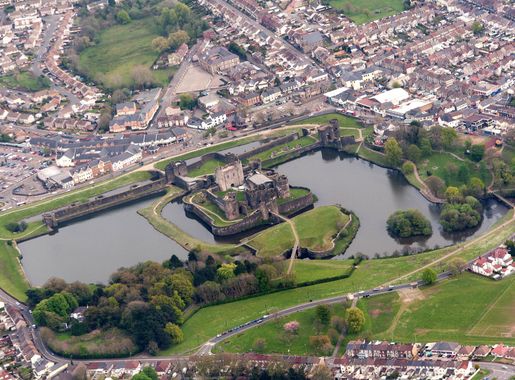


Enchanting Gwent: A Journey Through Time and Nature
Nestled in the southeastern corner of Wales, Gwent is a captivating destination where history, culture, and nature converge. This region, once a historic county, is brimming with ancient castles, picturesque landscapes, and charming towns. Gwent is perfect for travelers eager to explore the beauty and heritage of Wales. Begin your adventure in the vibrant market town of Abergavenny, often referred to as the 'Gateway to Wales'. This town is renowned for its local food festivals, lively markets, and the breathtaking views from the nearby Black Mountains. Don't miss a visit to Abergavenny Castle, a Norman relic that offers a glimpse into the region's storied past. For history enthusiasts, Gwent is a treasure trove. The imposing Caerleon Roman Fortress and Baths provide fascinating insights into Roman Britain. Wander through the ruins and imagine life as it was in ancient times. Another must-see is the majestic Tintern Abbey, a Cistercian monastery founded in the 12th century and immortalized by poets and artists for its haunting beauty. Nature lovers will find Gwent equally rewarding. The Wye Valley, an Area of Outstanding Natural Beauty, offers stunning river views, lush forests, and excellent hiking opportunities. The Brecon Beacons National Park, located just a short drive away, beckons with its rolling hills, waterfalls, and trails suited for all levels of hikers. Gwent's rich cultural tapestry is also evident in its numerous festivals and events. From the Abergavenny Food Festival to the Monmouthshire Show, the region celebrates its heritage and community spirit with gusto. Be sure to indulge in local Welsh delicacies and experience the warm hospitality of the Gwent people.