East Usk Lighthouse Travel Guide
Free Guide: Historic 1893 skeletal lighthouse guiding ships at Newport’s River Usk entrance, nestled in a tranquil RSPB reserve with scenic estuary views.


A brief summary of East Usk Lighthouse
Historic 1893 skeletal lighthouse guiding ships at Newport’s River Usk entrance, nestled in a tranquil RSPB reserve with scenic estuary views.
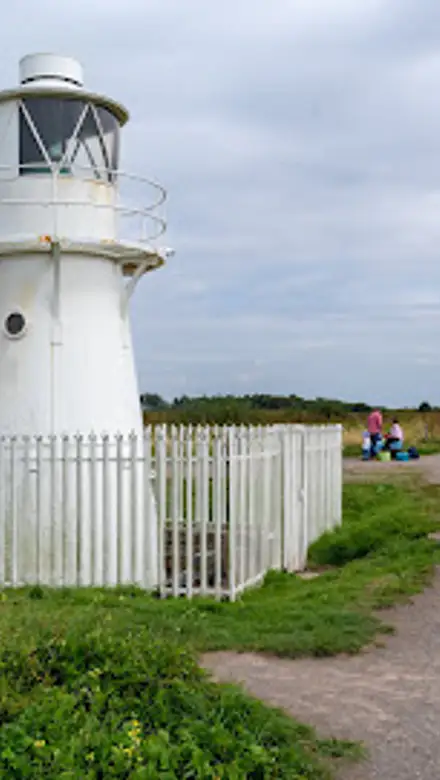
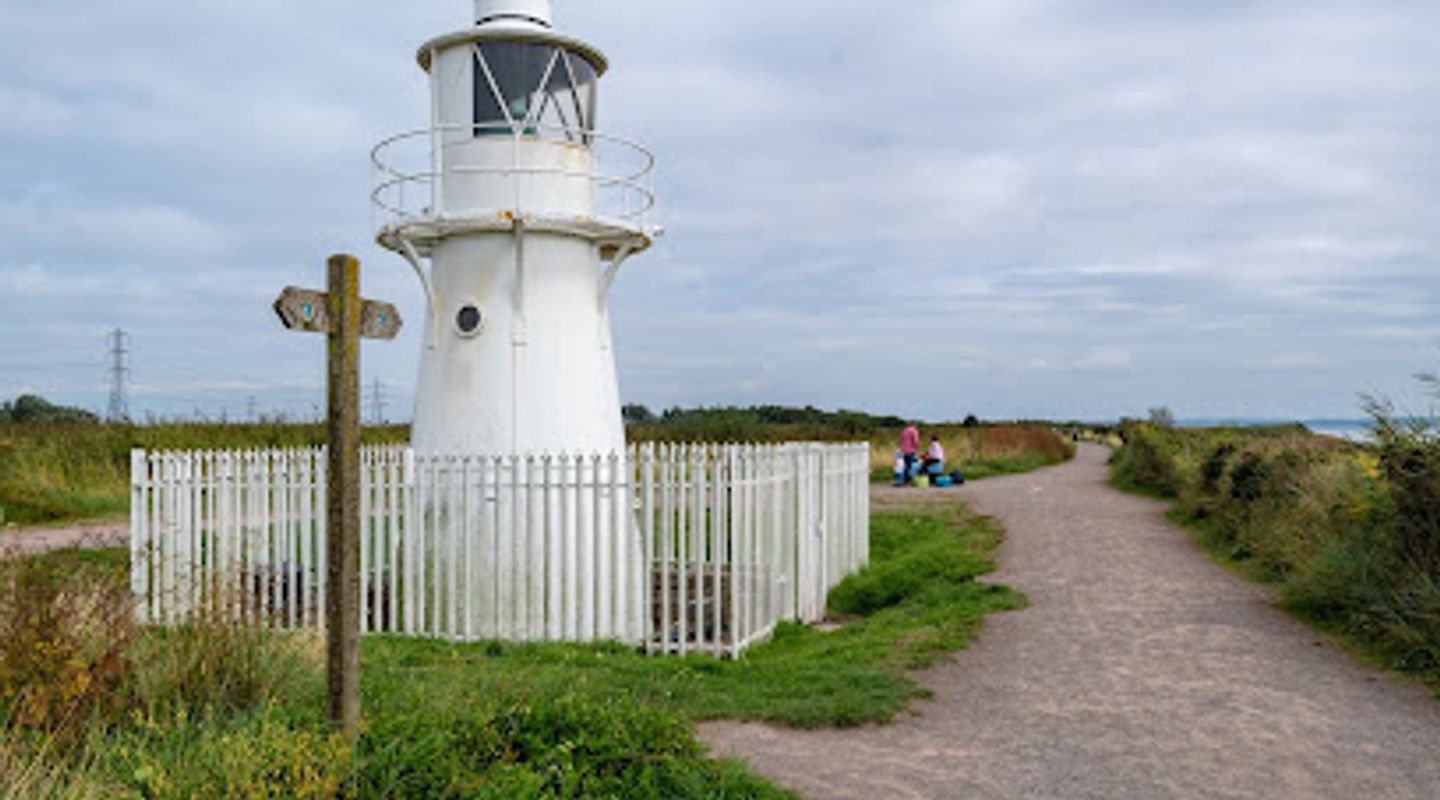
The East Usk Lighthouse, established in 1893, stands at the eastern entrance to the River Usk in Newport, Wales. This 36-foot tall skeletal tower, designed by Sir Thomas Matthews, was a pioneering automated lighthouse marking safe passage for ships entering the busy port. Today, it houses an electronic beacon visible for 15 miles and is surrounded by a scenic RSPB reserve, making it a tranquil spot for history enthusiasts and nature lovers alike.
On-site amenities
 Restrooms
 Drink options
 Food options
 Seating areas
 Trash bins
 Information boards
Opening hours
- Every dayOpen 24 hours
Opening hours as listed on the venue’s Google Business Profile. Hours can change for services and special events, so check with the venue before you go.
- Address
- Newport NP18 2BZ
- Phone
- Website
Getting there
Car
Public Transport
Walking
Discover more about East Usk Lighthouse
Origins and Maritime Significance
The East Usk Lighthouse was constructed in 1893 by Trinity House to guide ships safely into the River Usk, a vital waterway for Newport’s booming coal and iron exports during the Industrial Revolution. Newport’s growth as a major port necessitated reliable navigation aids, and this lighthouse complemented the older West Usk Lighthouse on the opposite bank. It was the first lighthouse designed by Sir Thomas Matthews, who introduced prefabricated skeletal towers that could be semi-automated, reducing the need for constant human operation.
Innovative Design and Technology
This lighthouse was a precursor to automated lighthouses across Britain. Its skeletal iron structure was prefabricated for easy assembly and maintenance. It originally used a clockwork mechanism to rotate the lens and was among the first to adopt the Sun Valve technology, invented in 1907, which automatically controlled the gas light by turning it off during daylight hours and on at night, greatly improving efficiency. Over time, the lighthouse’s lower half became buried due to ash tipping from nearby coal power stations, yet it remains a striking maritime landmark.
Modern Use and Preservation
Today, the East Usk Lighthouse is operated by the Newport Harbour Commissioners and features an electronic beacon visible up to 15 miles. While the lighthouse itself is not open for interior visits, its exterior can be admired year-round. It sits within an RSPB nature reserve, offering visitors a peaceful environment rich in birdlife and coastal scenery. The lighthouse’s historical importance and unique design continue to attract photographers, historians, and lighthouse enthusiasts.
Surroundings and Visitor Experience
The lighthouse is accessible via a gentle walk through the RSPB reserve, which can be muddy after rain, so waterproof footwear is recommended. The reserve provides a tranquil setting for birdwatching and enjoying panoramic views of the Severn Estuary. Visitors should check tide times to plan the best visit and be mindful of the spiky fence surrounding the lighthouse when photographing. Parking is available nearby but closes at 5 PM, with roadside parking as an alternative.
Architectural and Cultural Legacy
East Usk Lighthouse exemplifies late 19th-century lighthouse engineering, blending functionality with early automation. Its skeletal design was replicated at other UK locations, making it a significant example of maritime heritage. The lighthouse’s presence marks Newport’s historical role in maritime trade and industrial growth, symbolizing the town’s connection to the sea and navigation safety.
Photographic and Natural Highlights
Sunrise and sunset provide golden hour lighting that enhances the lighthouse’s dramatic silhouette against the estuary backdrop. The surrounding reed beds and coastal flora add texture and color to photographs, while the RSPB reserve’s birdlife offers additional interest. The site is ideal for day trips combining history, nature, and scenic coastal views, appealing to a wide range of visitors.
Evendo Review Centre
 Google
Guest reviews
Best time to go
Quietest: Jan, Feb & Dec · before 6am or at 9pm
Busy times are Evendo estimates for a typical year, to help you plan. Actual crowds vary with events, school holidays and the weather.
Explore East Usk Lighthouse on the map
A handpicked selection of must-see spots near East Usk Lighthouse, mapped for you.
Get your free copy of our complete guide to East Usk Lighthouse, delivered straight to you.
Everything on this page, from opening hours and how to get there to Eve’s tips and the best time to go, in one PDF you can read offline, print or share.
Already have an account? Sign in
Your East Usk Lighthouse guide is ready.
We'll send it to · Not you? Sign out

Getting your guide ready…
We are putting together a fresh copy of the East Usk Lighthouse guide. This can take up to a minute.
This can take a few moments. If your browser asks, choose Allow so the download can start. You'll find the guide in your Downloads folder.
Nothing happened? Download it again
Sorry, the guide is taking longer than usual. Please try again in a minute, or get it by email instead.
Other nearby places you may find interesting
The closest places of the same kind, if this one is not quite what you had in mind.
-
-
-
-
-


Swipe for more places
More to explore near East Usk Lighthouse

 Best experiences near East Usk Lighthouse
 Best hotels near East Usk Lighthouse
 Best landmarks near East Usk Lighthouse
 Best attractions near East Usk Lighthouse
 Best shops near East Usk Lighthouse
 Best restaurants near East Usk Lighthouse
 Best bars near East Usk Lighthouse
Do you manage this location?
Take control to get all the benefits, like improved information, better appearance, and stronger visibility across AI-powered discovery.
Explore more
Explore more of Gwent
Explore Gwent, a captivating blend of ancient history, picturesque landscapes, and vibrant culture in the heart of Wales.
Explore Gwent
Explore more of United Kingdom
Discover the United Kingdom: A blend of rich history, stunning landscapes, and vibrant cities, offering a unique travel experience for every visitor.
Explore United Kingdom