
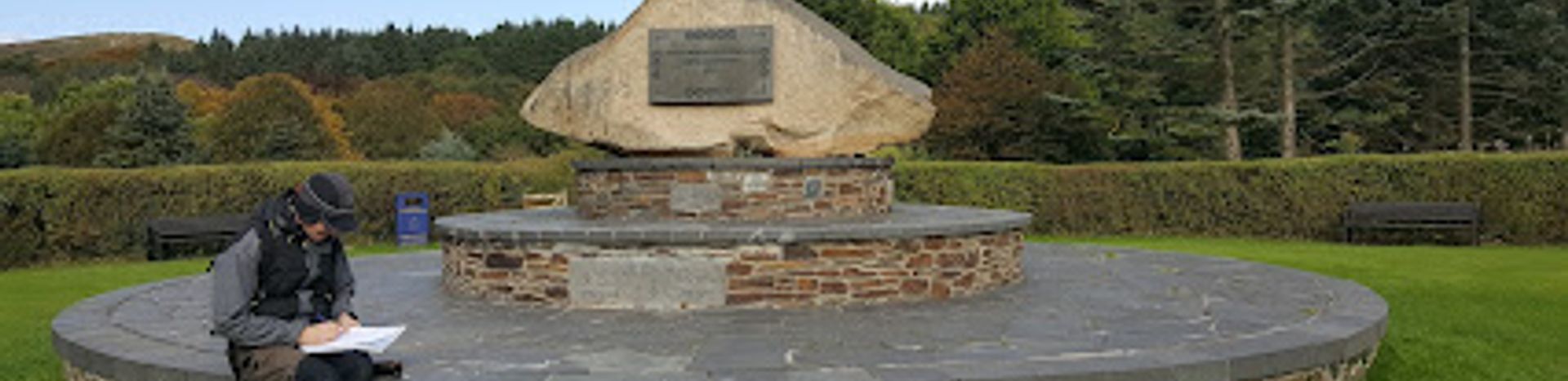
Ballaharra Stones: Neolithic Burial Chamber of the Isle of Man
Discover the ancient Neolithic burial chamber near St John's, Isle of Man, where the Ballaharra Stones stand as silent witnesses to prehistoric life and ritual.
The Ballaharra Stones are a remarkable Neolithic burial chamber near St John's on the Isle of Man, dating back to around 2300 BCE. Discovered in 1971 during sandpit expansion, the stones originally marked a tomb with two burial chambers. Though disturbed and relocated, they remain a tangible link to the island's ancient past, reflecting the burial practices and craftsmanship of early farming communities.
A brief summary to Ballaharra Stones
- 2 A1, St John's, Isle of Man, IM
- Duration: 0.5 to 1.5 hours
- Free
-
 Outdoor
- Mobile reception: 4 out of 5
Local tips
- Visit the nearby Manx Museum to see artefacts recovered from the Ballaharra site, including exquisite Neolithic pottery.
- Combine your visit with nearby ancient sites like Tynwald Hill or King Orry’s Grave for a deeper understanding of Manx prehistory.
- Wear sturdy footwear as the terrain around the stones is rural and may be uneven, especially in wet weather.
- Bring a camera to capture the weathered textures and atmospheric setting of the stones, especially in soft morning or late afternoon light.

For the on-the-go comforts that matter to you
- Information Boards
- Seating Areas
- Trash Bins
Getting There
-
Bus
Local bus services run regularly from Douglas and other major towns to St John's, with a stop within 1.5 km of the Ballaharra Stones. The journey takes approximately 30 to 50 minutes, depending on the starting point. Buses are affordable, with fares typically ranging from £3 to £6. Note that service frequency may be reduced on weekends and public holidays.
-
Car
Driving from Douglas or Ramsey to the Ballaharra Stones takes about 20 to 35 minutes via the A1 road. Parking is limited near the site, so plan to park in designated areas in St John's village and walk approximately 10 to 15 minutes along rural paths. The roads are well-maintained but narrow in places.
-
Walking
For active travelers, a scenic 45 to 60-minute walk from St John's village to the stones is possible. The route involves rural terrain with some uneven ground but is generally accessible for those with moderate fitness. Wear sturdy shoes and be prepared for changing weather conditions.
Ballaharra Stones location weather suitability
-
 Any Weather
-
 Rain / Wet Weather
-
 Clear Skies
-
 Mild Temperatures
-
 Windy Conditions
Discover more about Ballaharra Stones
Unearthing an Ancient Legacy
The Ballaharra Stones were uncovered in 1971 during an extension of the Ballaharra Sandpit near St John's, Isle of Man. These stones originally formed part of a Neolithic burial chamber dating back to approximately 2300 BCE. The site was a significant tomb composed of two chambers, carbon-dated to the late Neolithic period, contemporaneous with other notable Manx sites such as King Orry's Grave and Cashtal yn Ard. Artefacts including remarkable pottery were recovered and are now preserved in the Manx Museum, highlighting the craftsmanship and cultural practices of the island’s early inhabitants.Relocation and Preservation
Due to disturbance from the sandpit operations, the stones were carefully relocated to a nearby site within the parish of St John's, close to the historic Tynwald Hill. This move was essential to preserve the integrity of the monument, though it altered the stones’ original landscape context. Despite this, the Ballaharra Stones continue to offer visitors a direct physical connection to the Neolithic people who once inhabited the Isle of Man, serving as a rare and evocative glimpse into prehistoric burial traditions.Architectural and Cultural Significance
The tomb’s two-chambered design reflects the Neolithic practice of communal burial for important leaders and families. Such chambered tombs were often constructed with large standing stones arranged to form enclosed burial spaces, sometimes accompanied by forecourts or cairns. The Ballaharra site exemplifies this tradition, illustrating the ritual importance of death and ancestor veneration in early farming communities. The recovered pottery and artefacts also suggest a sophisticated material culture and spiritual life.Setting and Atmosphere
Situated near St John's, the stones rest in a tranquil rural setting that invites reflection on the deep history embedded in the landscape. The proximity to Tynwald Hill, a site of ancient Manx governance and ceremony, enriches the cultural resonance of the area. Visitors can appreciate the weathered monoliths against the backdrop of the island’s lush greenery, imagining the lives and beliefs of the Neolithic people who once gathered here.Connections to Broader Manx Heritage
The Ballaharra Stones form part of a network of Neolithic and Bronze Age sites on the Isle of Man, including the famous Cashtal yn Ard and King Orry’s Grave. Together, these monuments chart the island’s prehistoric settlement and ritual landscape, underscoring its importance as a center of early farming culture in the Irish Sea region. The stones contribute to the Isle of Man’s rich archaeological heritage and offer valuable insights into the island’s ancient past.Visiting and Appreciating the Site
While the Ballaharra Stones are less well-known than some other Manx monuments, their historical significance and evocative presence make them a rewarding destination for those interested in archaeology and ancient history. The site’s rural charm and peaceful surroundings provide a contemplative atmosphere, perfect for connecting with the island’s distant past and appreciating the enduring legacy of its earliest communities.Iconic landmarks you can’t miss

Tynwald Cl
0.1 km
Explore the historic charm of St John's, Isle of Man, home to Tynwald Hill and rich in culture, heritage, and stunning landscapes.

Tynwald Hill
0.2 km
Explore the historical significance of Tynwald Hill, the heart of Isle of Man's governance and a stunning landmark rich in cultural heritage.
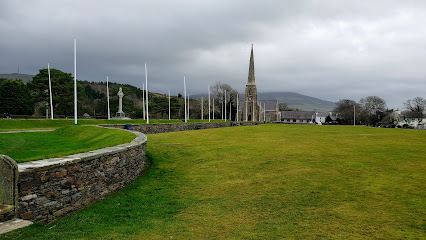
Langtoft Manor
3.1 km
Discover the charm of Langtoft Manor, a cozy bed and breakfast in Peel, Isle of Man, ideal for a relaxing getaway amidst stunning landscapes.
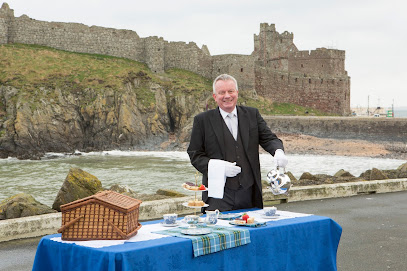
Albany Isle of Man Tea and Tours
3.8 km
Experience the beauty and culture of the Isle of Man with Albany Isle of Man Tea and Tours, your gateway to unforgettable sightseeing adventures.
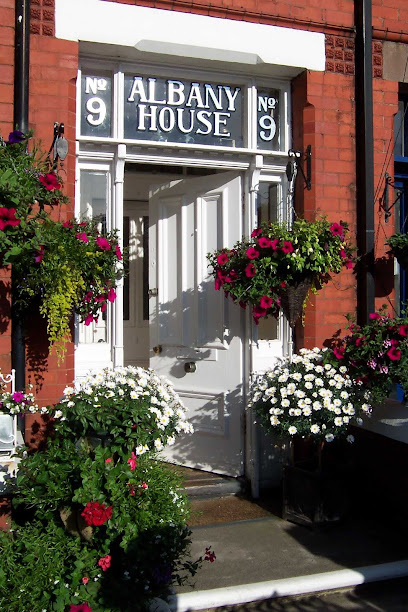
Albany House Bed and Breakfast
3.8 km
Experience the warmth of Isle of Man hospitality at Albany House Bed and Breakfast, your cozy retreat in Peel near stunning coastlines and historical sites.
The Waldick Hotel
3.9 km
Discover comfort and charm at The Waldick Hotel, your perfect base for exploring the picturesque Isle of Man and its stunning coastal scenery.
The Fernleigh
3.9 km
Experience the warmth and charm of The Fernleigh in Peel, a guest house offering stunning views and local hospitality on the beautiful Isle of Man.
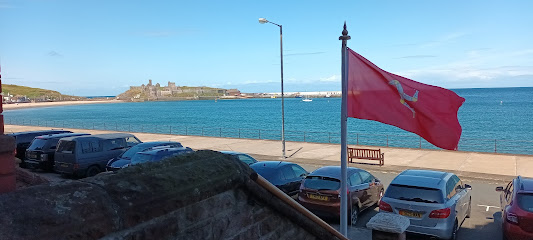
Knockaloe Beg Farm, B&B, Self-catering, Hostels & Glamping
4.2 km
Discover the charm of Knockaloe Beg Farm, your perfect base for exploring the beautiful Isle of Man with cozy accommodations and stunning scenery.
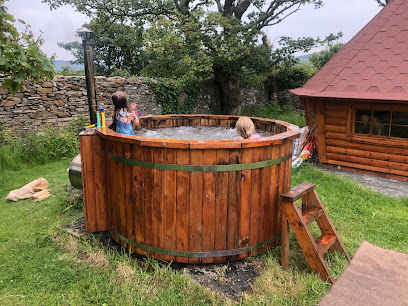
Ruins of St Peter's Church
4.2 km
Discover the enchanting Ruins of St Peter's Church in Peel, a historical landmark offering breathtaking views and a glimpse into the Isle of Man's rich heritage.

Oie Voaldyn
4.3 km
Experience elegance and charm at Oie Voaldyn, a premier event venue in Peel, Isle of Man, perfect for your unforgettable celebrations.
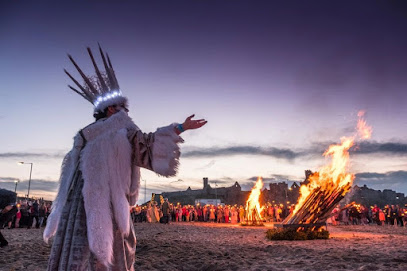
Visit Mann Tours
4.3 km
Explore the stunning Isle of Man with Visit Mann Tours, your gateway to unforgettable experiences in the beautiful town of Peel.

Peel Harbour Marina
4.4 km
Explore the scenic beauty and vibrant culture of Peel Harbour Marina, a charming coastal gem on the Isle of Man.
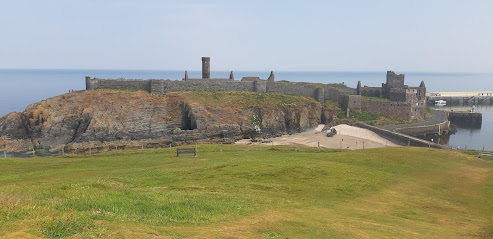
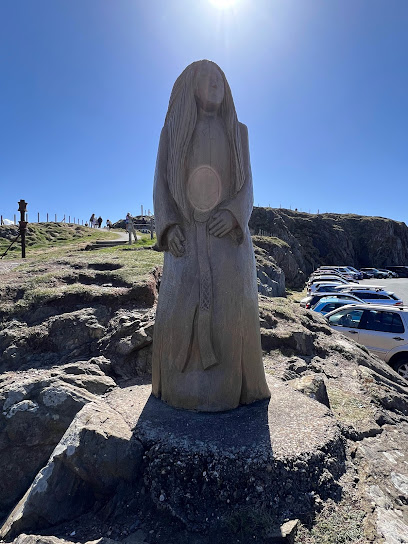
Sculpture of Fenella
4.5 km
Explore the Sculpture of Fenella in Ramsey, Isle of Man - a historic landmark steeped in local legend and artistic beauty, perfect for all tourists.
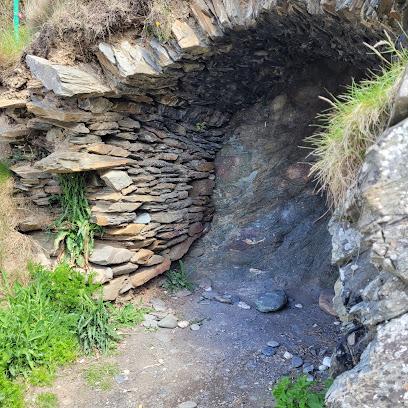
Glen Maye River
4.6 km
Explore Glen Maye River, a serene retreat on the Isle of Man, perfect for nature lovers and adventure seekers alike.
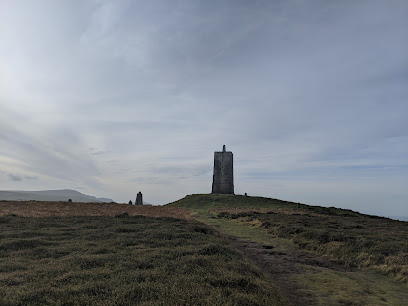
Peel Hill
4.7 km
Discover the breathtaking vistas and tranquil nature of Peel Hill on the Isle of Man, a scenic escape for every traveler.
Unmissable attractions to see

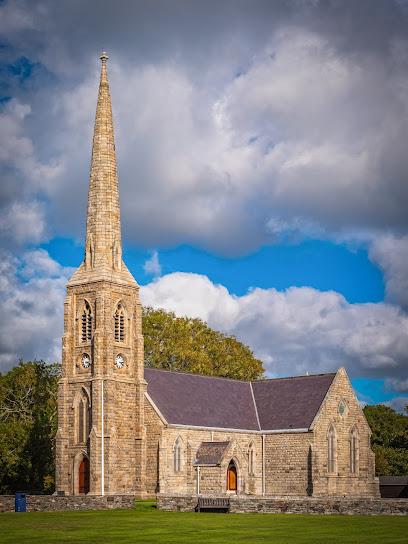
The Royal Chapel of St John the Baptist
0.0 km
Discover the historical and architectural beauty of The Royal Chapel of St John the Baptist, a serene sanctuary on the Isle of Man.
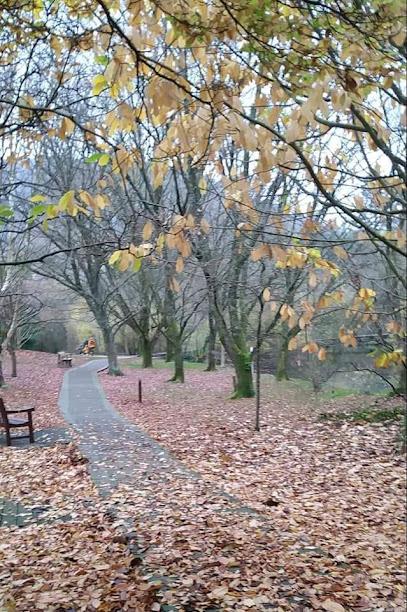
Tynwald National Park and Arboretum
0.3 km
Explore the serene Tynwald National Park and Arboretum, a blend of natural beauty and historical significance on the Isle of Man.
The Old Trout Farm
0.4 km
Discover the serene charm of The Old Trout Farm in St John's, where fishing, nature walks, and breathtaking views await every visitor.
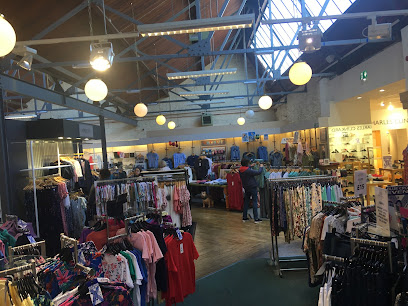
Tynwald Mills
0.7 km
A historic mill reborn as the Isle of Man’s premier shopping destination with diverse shops, cafes, and family-friendly amenities.
Isle of Man TT: Gorse Lea
1.5 km
Discover the excitement of the Isle of Man TT at Gorse Lea, a premier destination for motorsport fans and adventurers alike.

Mile 9 TT RACE viewing
2.1 km
Witness the legendary Isle of Man TT races at Mile 9, a thrilling viewing spot for motorsport fans surrounded by breathtaking landscapes.
Glen Helen
3.0 km
Explore Glen Helen, a serene national forest in the Isle of Man, perfect for hiking, picnicking, and immersing in nature's beauty.
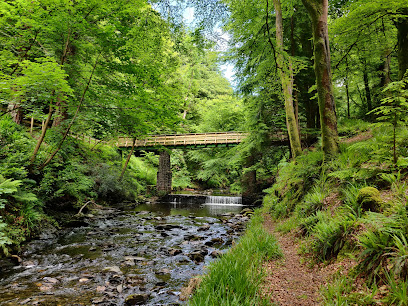
Centre for WW1 Internment, Knockaloe and Patrick Community Centre
3.5 km
Discover the profound stories of the WW1 internment at the Centre for WW1 Internment in Patrick, Isle of Man, and connect with history like never before.
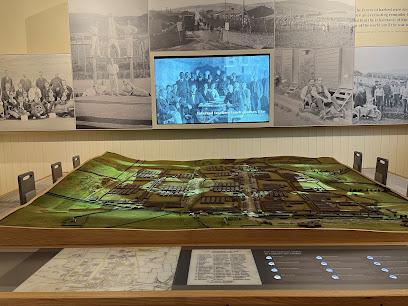
The Raggatt
3.6 km
Explore The Raggatt on the Isle of Man, a serene park offering lush landscapes, scenic views, and a perfect escape into nature for all visitors.
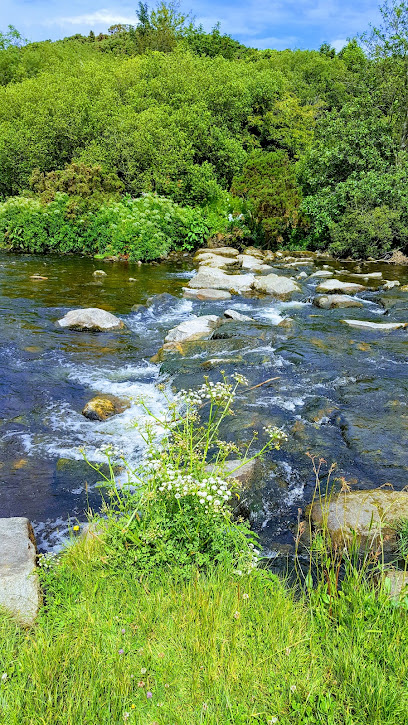
Cathedral Gardens, Peel, Isle of Man, IM5 1HH
3.9 km
Discover the tranquil beauty of Cathedral Gardens in Peel, Isle of Man, a serene escape rich in history and natural landscapes.
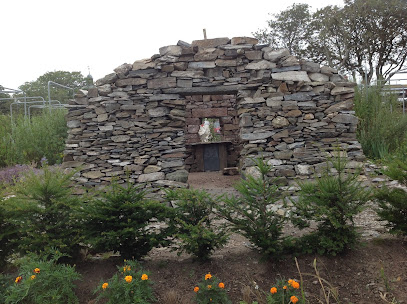
Traie Fagog
3.9 km
Explore the lush landscapes and serene ambiance of Traie Fagog, a tranquil park in Peel, Isle of Man, perfect for relaxation and family outings.
Mourne view beach
3.9 km
Explore the breathtaking Mourne View Beach in Peel, Isle of Man, where stunning landscapes meet outdoor adventure and relaxation.
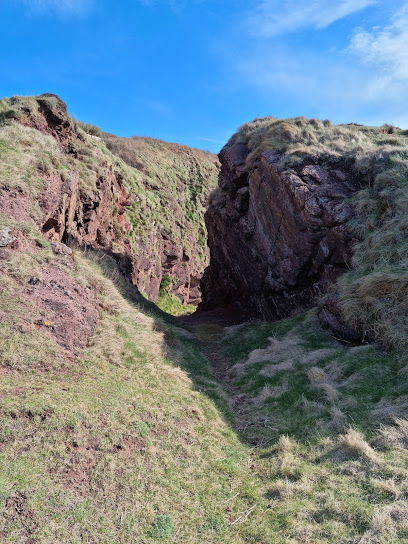
St. German's Cathedral
3.9 km
Discover the architectural beauty and rich history of St. German's Cathedral in Peel, Isle of Man, a serene retreat for every traveler.
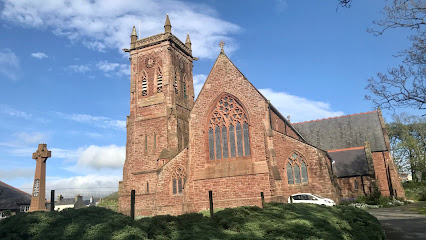
White Strand Beach
3.9 km
Experience the serene beauty of White Strand Beach on the Isle of Man, a perfect spot for relaxation, adventure, and breathtaking coastal views.
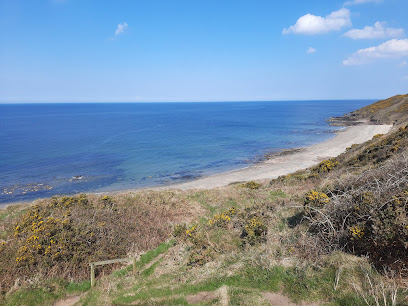
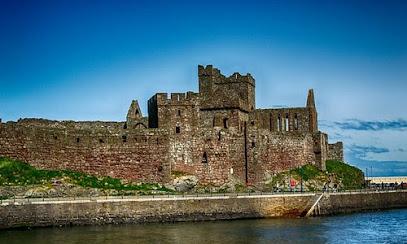
Peel
4.2 km
Experience the picturesque charm of Peel, Isle of Man, with its historic castle, beautiful beaches, and vibrant local culture.
Essential places to dine

Greens Cafe
0.1 km
Discover Greens Cafe in St John's: where comfort meets flavor in an inviting atmosphere perfect for all travelers.
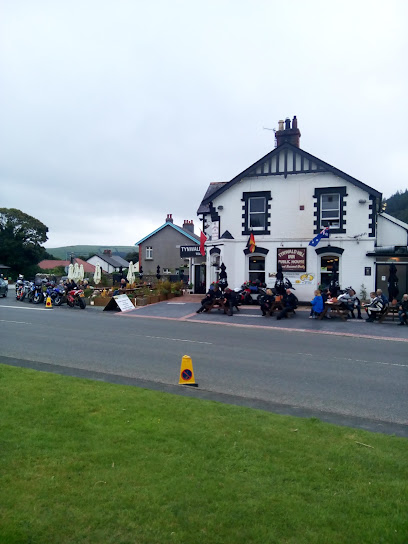
The Hawthorn
2.0 km
Discover The Hawthorn in Greeba: Where traditional pub comfort meets exquisite bistro dining on the Isle of Man.
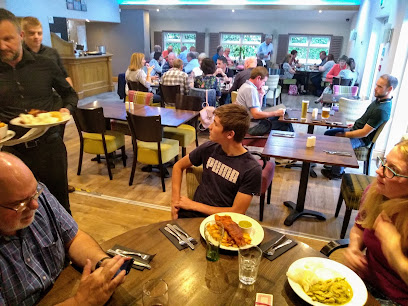
Lotus Chinese Takeaway
3.1 km
Experience authentic Chinese cuisine at Lotus Chinese Takeaway in Peel - a must-visit destination for food enthusiasts on the Isle of Man.
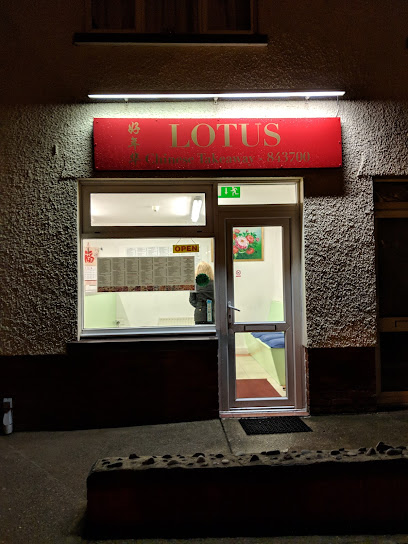
Barbary West Coast
3.1 km
Experience delightful dining at Barbary West Coast in Peel, Isle of Man - where local flavors meet stunning coastal views.
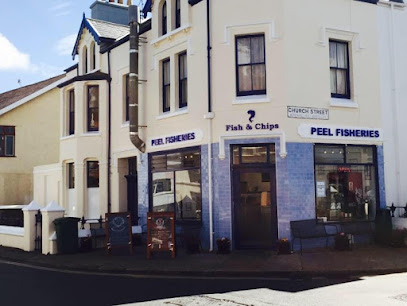
Peel Fisheries chip shop
3.9 km
Experience authentic fish & chips at Peel Fisheries - a cherished gem in Peel on the Isle of Man.
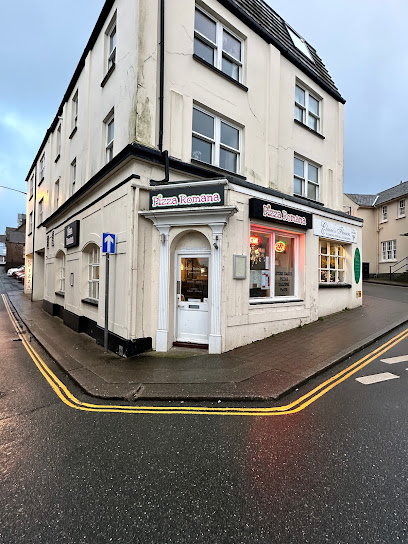
Pizza Romana
4.0 km
Experience the authentic flavors of Italy at Pizza Romana in Peel - the ultimate destination for pizza lovers on the Isle of Man.
Anatolia Takeaway
4.0 km
Indulge in authentic Italian flavors at Anatolia Takeaway – where every slice tells a story of culinary excellence.
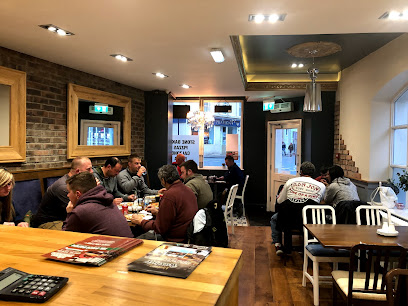
De Roni Pizza & Grill
4.0 km
Experience the best pizza and fast food at De Roni Pizza & Grill in Peel – perfect for families and tourists craving delicious meals.

Royal India
4.0 km
Experience authentic Indian cuisine at Royal India in Peel - a culinary gem offering flavorful dishes in a welcoming atmosphere.
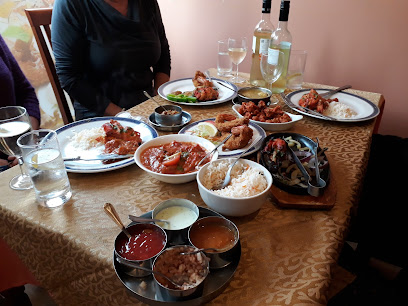
D.D's
4.1 km
Discover D.D's in Peel for an unforgettable breakfast experience filled with delicious food and friendly service in a cozy atmosphere.
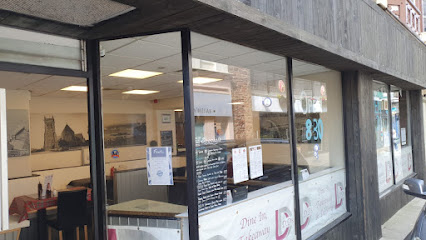
Kingsland chinese takeaway
4.1 km
Experience authentic Chinese flavors at Kingsland Chinese Takeaway in Peel - where every dish tells a story.
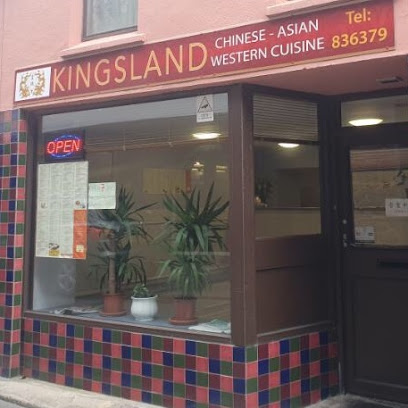
The Cod And Castle
4.2 km
Experience authentic British fish & chips at The Cod And Castle in Peel, Isle of Man—where quality seafood meets seaside charm.
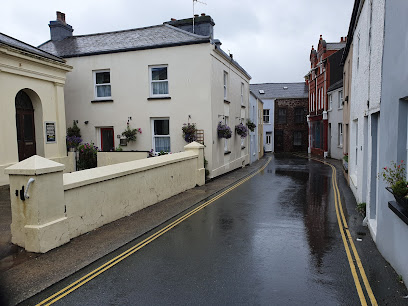
Harbour Lights Café & Restaurant
4.3 km
Experience delightful English cuisine with stunning coastal views at Harbour Lights Café & Restaurant in Peel, Isle of Man.
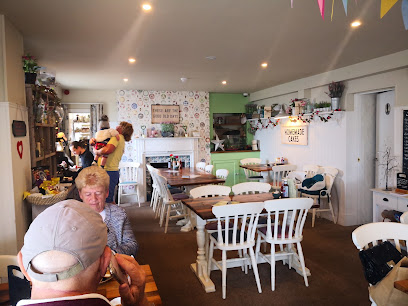
The Marine Hotel
4.3 km
Experience breathtaking views and exquisite local cuisine at The Marine Hotel in Peel - your perfect coastal getaway.
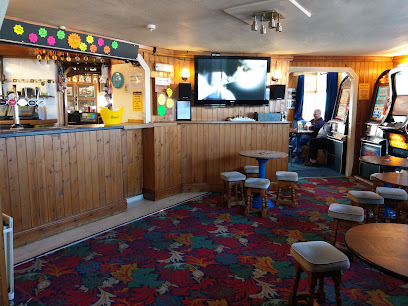
Indian Kitchen by Flavours
4.3 km
Experience the authentic taste of India at Indian Kitchen by Flavours in Peel - where every dish tells a story.
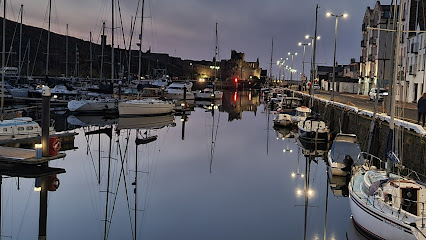
Markets, malls and hidden boutiques

Phase Eight
0.6 km
Explore stylish women's clothing at Phase Eight in Ballig, Isle of Man – where elegance meets contemporary fashion.
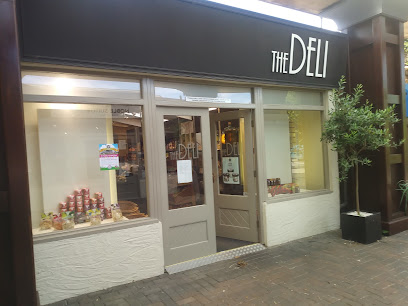
The Deli
0.6 km
Experience the flavors of the Isle of Man at The Deli in Ballig, where local produce and gourmet delights await your discovery.
Crew Clothing
0.7 km
Explore unique British fashion at Crew Clothing in the beautiful Isle of Man, offering high-quality apparel for every occasion.
Warehouse Ilse Of Man Tynwald Mills
0.7 km
Explore stylish clothing and accessories at Warehouse Ilse Of Man Tynwald Mills, the perfect shopping experience in the heart of the Isle of Man.
Design & Home
0.7 km
Discover exquisite furniture and home decor at Design & Home in St. John's, Isle of Man, where style meets craftsmanship.
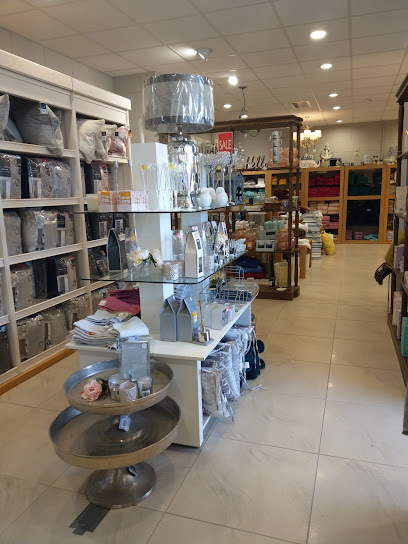
Peacocks
0.7 km
Discover Peacocks in Tynwald Mills for stylish, affordable clothing that enhances your Isle of Man experience.

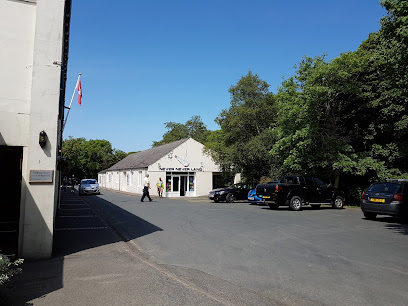
Nevernever Land
0.7 km
Experience the joy of play in Nevernever Land, a unique toy store in Ballig, Isle of Man, where imagination comes alive for children and families.
White Stuff Isle of Man
0.7 km
Discover unique clothing and accessories at White Stuff Isle of Man, where style meets the charm of the Isle of Man.
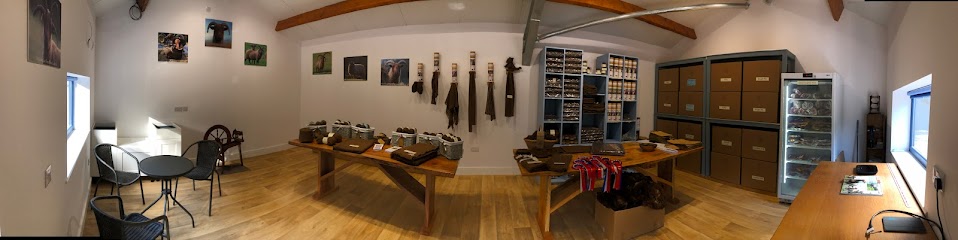
Ballacosnahan Wool & Farm Shop - Manx Loaghtan Produce
2.6 km
Explore the Isle of Man's Ballacosnahan Wool & Farm Shop for delicious Manx Loaghtan meat and exquisite local yarns in a picturesque setting.
Mace Store
3.1 km
Explore the Isle of Man with Mace Store's exquisite selection of local liquors, perfect for any occasion or celebration.
Dinky Doughnuts
3.3 km
Experience the delightful flavors of Dinky Doughnuts in Peel, Isle of Man, where every bite is a sweet adventure in a cozy setting.
Motor Merch UK
3.6 km
Explore your creativity at Motor Merch UK in Peel, Isle of Man, where you can design your own custom t-shirts and unique souvenirs.
Shoprite
3.7 km
Discover the best of local and international groceries at Shoprite, your convenient supermarket in Peel, Isle of Man.
Green Mann Design & Tarot
3.8 km
Experience the enchanting world of tarot and unique gifts at Green Mann Design & Tarot in Peel, Isle of Man.
Gales Fayre
3.9 km
Discover Gales Fayre in Peel, Isle of Man - the perfect convenience store for tourists seeking local goods and essentials for their adventures.
Essential bars & hidden hideouts

Tynwald Hill Inn
0.2 km
Discover the heart of the Isle of Man at Tynwald Hill Inn, a cozy pub offering traditional meals and local charm in St John's.
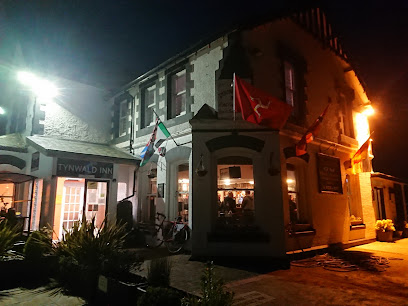
The Highwayman
3.1 km
Experience the charm of The Highwayman, a cozy pub in Peel, Isle of Man, offering local ales and delightful pub fare in a warm atmosphere.
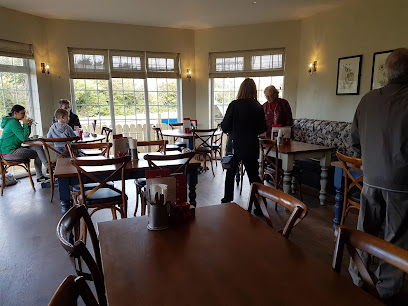
Baltic Inn
3.6 km
Discover the vibrant atmosphere of Baltic Inn, a beloved bar on the Isle of Man, perfect for savoring local drinks and connecting with fellow travelers.
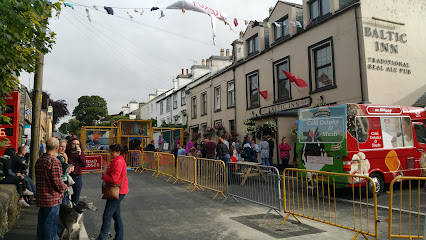
White House Hotel
4.0 km
Experience the warmth and charm of the White House Hotel in Peel, Isle of Man – a cozy pub with local brews and traditional dishes.
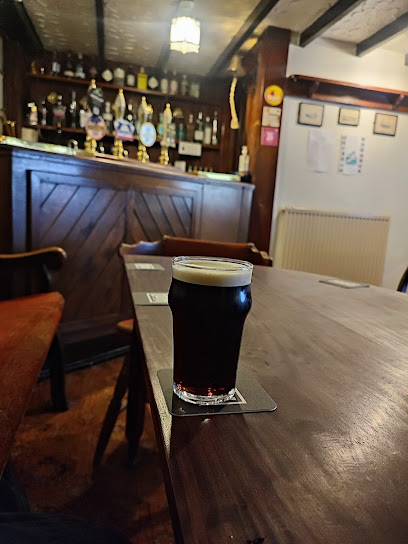
Royal Hotel
4.0 km
Experience the warmth and charm of the Royal Hotel, a must-visit pub in Peel, Isle of Man, offering delightful food and local beverages.
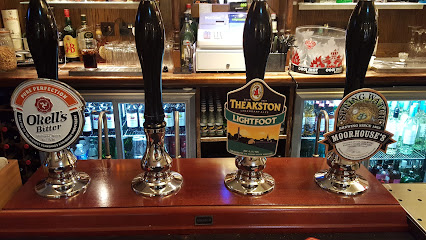
The Miller’s T’Ale
4.1 km
Experience the heart of Isle of Man hospitality at The Miller’s T’Ale, where local brews and traditional fare come together in a cozy pub atmosphere.
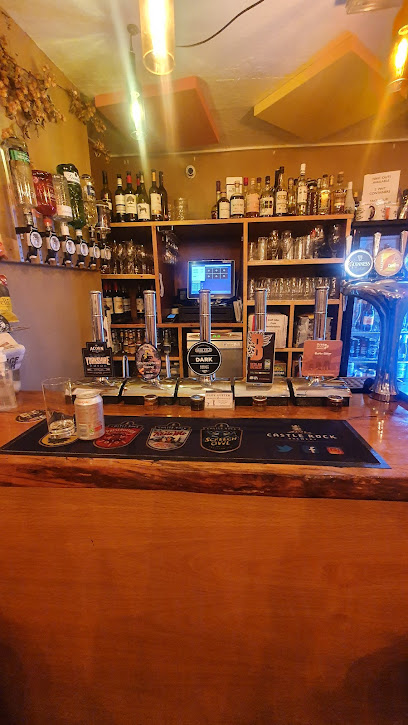
The Creek Inn
4.3 km
Enjoy the warmth of The Creek Inn in Peel, where local flavors and stunning lakeside views come together for an unforgettable pub experience.
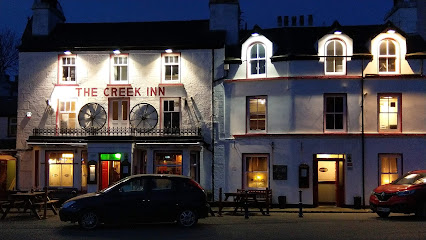
The Central Peel
4.3 km
Experience the warmth and charm of The Central Peel, a cozy pub offering delightful food, local ales, and a welcoming atmosphere in the heart of Peel.
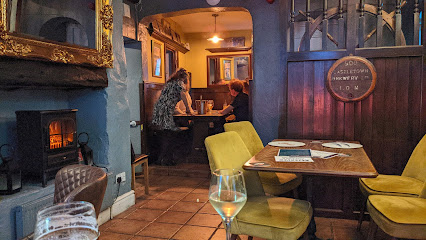
The Peveril
4.4 km
Experience the charm of The Peveril, a cozy bar in Peel, Isle of Man, known for its local ales, delicious food, and vibrant atmosphere.
mshary al arabi
7.0 km
Experience the vibrant nightlife of the Isle of Man at Mshary Al Arabi, a bar that offers a unique blend of local charm and modern elegance.
The Mitre Pub
9.5 km
Experience the warmth of The Mitre Pub in Kirk Michael, where local ales and hearty meals meet traditional Isle of Man hospitality.
The Heron
9.9 km
Discover the charm of The Heron, a cozy pub in Douglas offering local ales and a warm atmosphere for an unforgettable experience.
Kirk Michael
10.0 km
Discover the charm of Kirk Michael, a vibrant village on the Isle of Man with a lively bar scene, rich history, and stunning coastal views.
The Cat With No Tail
10.8 km
Discover the charm of The Cat With No Tail pub in Douglas, offering a warm atmosphere, local flavors, and a delightful drink selection.
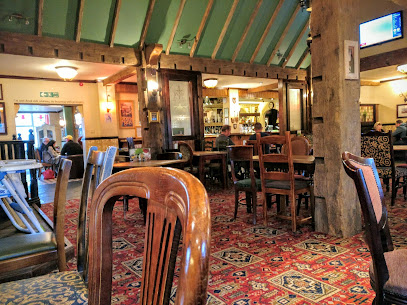
The Woodbourne
11.2 km
Experience the warmth of Isle of Man's pub culture at The Woodbourne, a delightful spot for drinks, food, and local camaraderie.
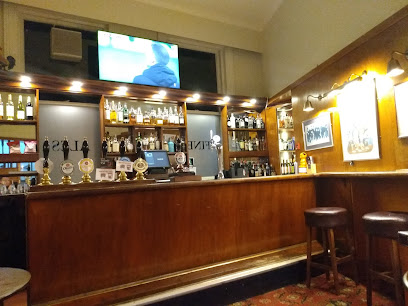
Nightclubs & after hour spots

The Black Dub
2.1 km
Experience the vibrant nightlife of the Isle of Man at The Black Dub, a lively bar and event venue that embraces local culture and entertainment.

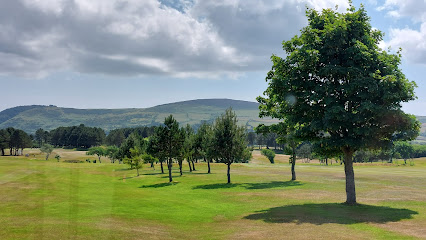
Peel Golf Club
3.7 km
Discover the breathtaking Peel Golf Club, where stunning landscapes meet a top-notch golfing experience on the Isle of Man.
The Crosby
5.1 km
Discover the heart of Crosby at The Crosby pub, where local brews and hearty meals create an unforgettable experience on the Isle of Man.
Isle of man
7.0 km
Discover the Isle of Man: A breathtaking island known for exhilarating sports events and rich cultural heritage amidst stunning landscapes.
MC Entertainment
9.8 km
Experience unforgettable events with top-notch DJ services and event planning at MC Entertainment in Kirk Michael, Isle of Man.
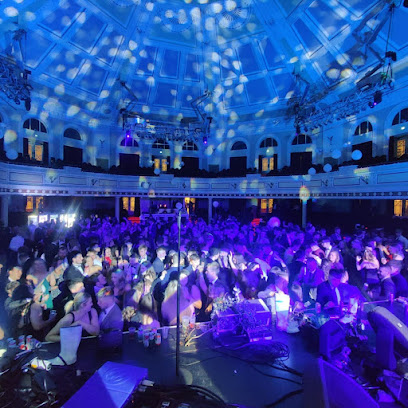
The Seven Sins Speakeasy
11.9 km
Experience the vibrant atmosphere and creative cocktails at The Seven Sins Speakeasy, Douglas' premier night club destination.
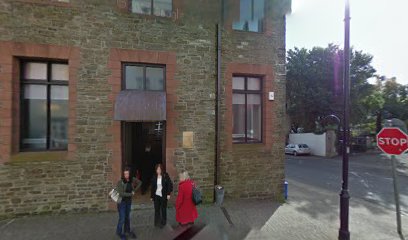
The Original Quids Inn
11.9 km
Experience the vibrant nightlife at The Original Quids Inn, a must-visit live music and karaoke bar on the Isle of Man.
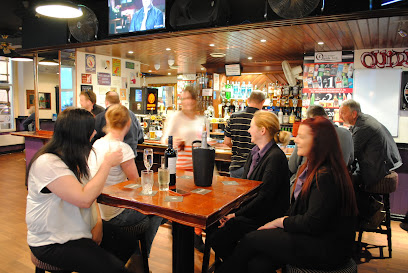
Brendan O'Donnell's
11.9 km
Discover the vibrant charm and local culture at Brendan O'Donnell's Pub in Douglas, Isle of Man—where great food and live music await.
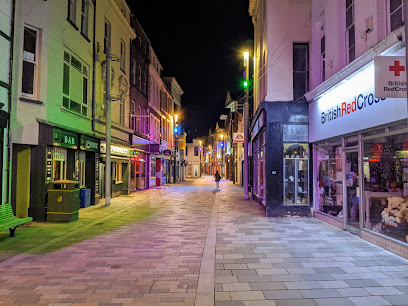
South Douglas Old Friends Association
11.9 km
Discover the heart of Douglas at the South Douglas Old Friends Association, a community bar offering a taste of Isle of Man's vibrant culture.
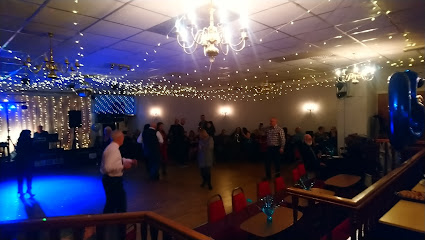
Jak's Bar & Smokehouse
11.9 km
Discover the vibrant flavors and lively atmosphere at Jak's Bar & Smokehouse, a premier grill experience in the heart of Douglas, Isle of Man.
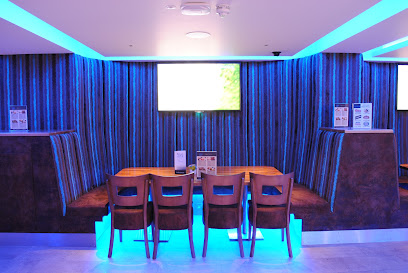
The Outback
12.0 km
Experience vibrant nightlife at The Outback in Douglas, Isle of Man, where locals and tourists gather for unforgettable evenings filled with music and fun.
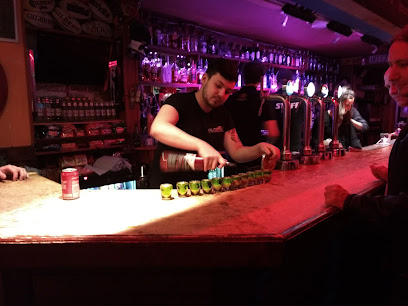
Rovers Return
12.0 km
Experience the vibrant atmosphere and local charm at Rovers Return, a cozy pub in Douglas, Isle of Man, perfect for relaxing after a day of exploration.
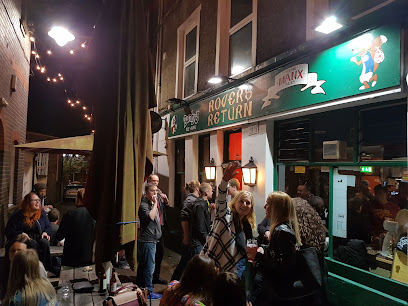
Thirsty Pigeon
12.0 km
Discover the vibrant atmosphere of Thirsty Pigeon, a must-visit pub in Douglas, Isle of Man, celebrated for its drinks and lively music nights.
Mad Jack's
12.1 km
Experience the vibrant nightlife at Mad Jack's, Douglas' premier bar and live music venue, offering thrilling entertainment and fantastic drinks.

1886 Bar & Grill
12.1 km
Experience the best of dining and nightlife at 1886 Bar & Grill in Douglas, where culinary delights meet vibrant entertainment.
For the vibe & atmosphere seeker
- Tranquil
- Scenic
- Unique
- Relaxing
For the design and aesthetic lover
- Rustic Designs
- Vintage Styles
For the architecture buff
- Historic
- Heritage Neighborhoods
For the view chaser and sunset hunter
- Iconic Views
- Panoramas
For the social media creator & influencer
- Instagrammable
- Photo Spots
- Aesthetic Corners
For the eco-conscious traveler
- Eco-Friendly
- Low Impact
- Public-Transport Accessible
- Leave-No-Trace Critical
- Locally Managed
For the kind of experience you’re after
- Cultural Heritage
- Myth & Legends
- Photowalk
- Day Trip
- Nature Escape
For how adventurous you want the journey to be
- Easy Access
Location Audience
- Family Friendly
- Senior Friendly
- Child Friendly
- Teen Friendly
- Wheelchair Access
- Pet Friendly
- Solo Friendly
- Couple Friendly


